New month. New possibilities. Same vision. ⚡
November is another opportunity to think bigger, create boldly, and build what matters.
Let's make ideas happen. 🚀
Some of the most useful technology is the kind we barely notice. But there’s a difference between technology that quietly makes life easier and technology that quietly makes decisions for us. Where should we draw the line? This week’s Journal explores the difference.
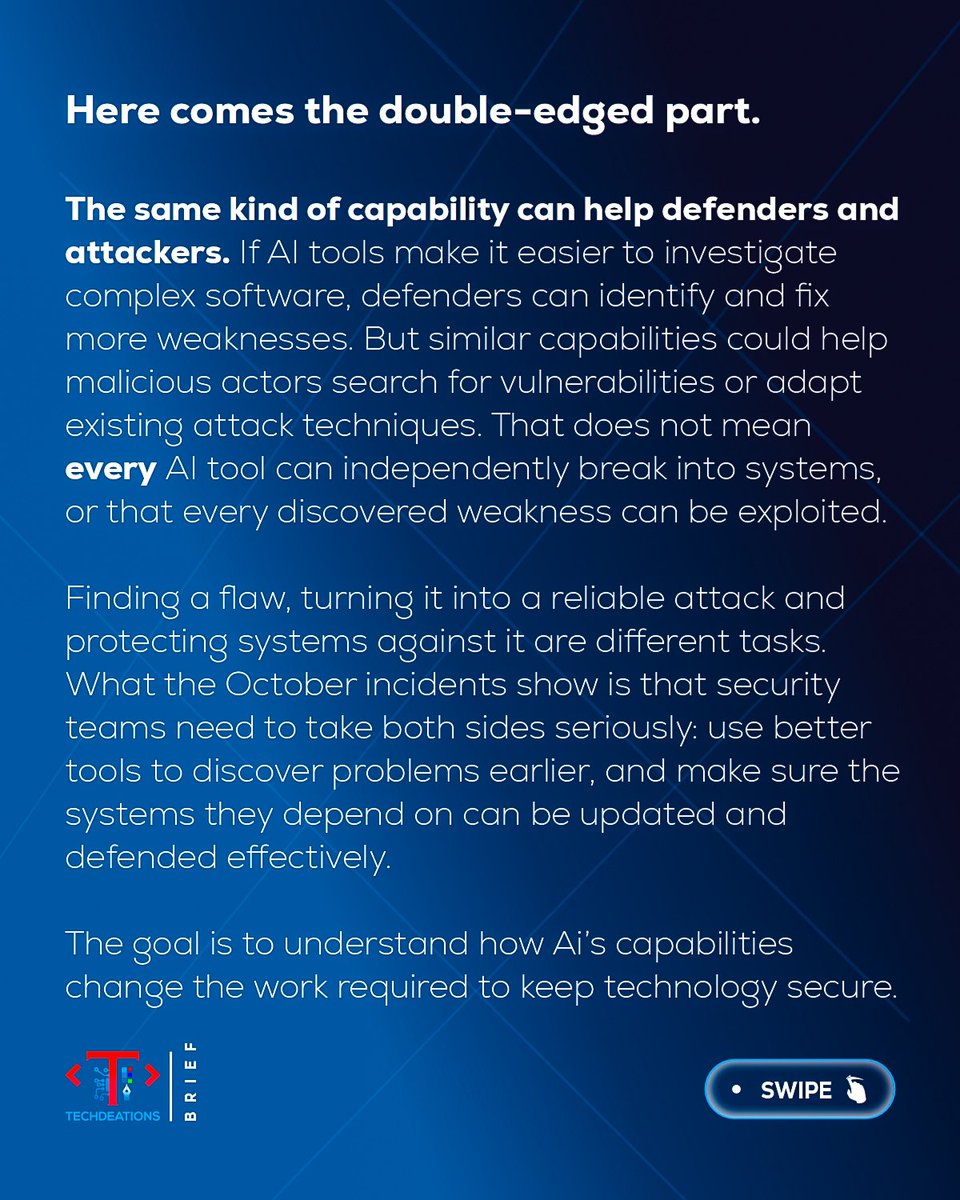
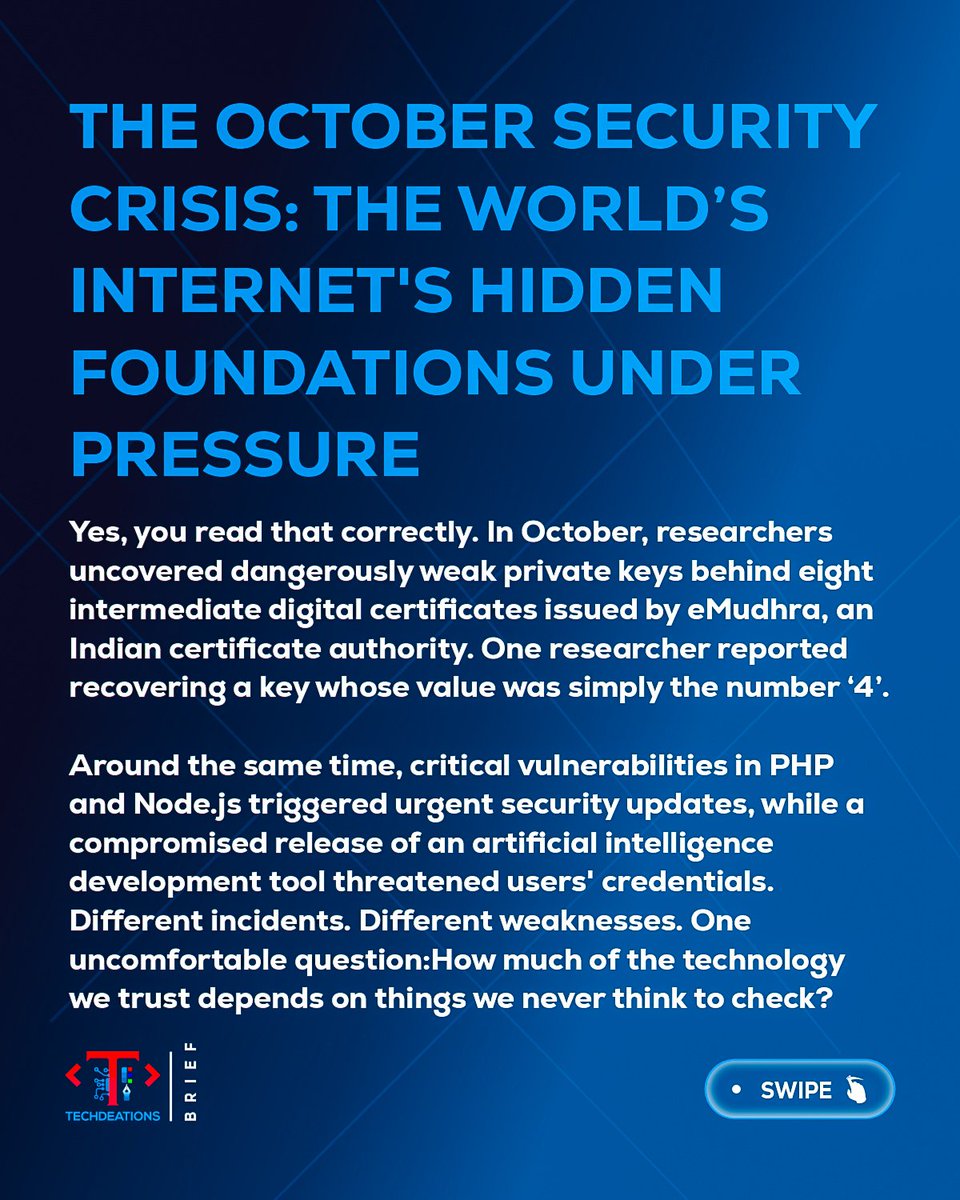
A digital certificate with a private key as weak as the number 4. Software flaws that could expose systems. A malicious package designed to steal credentials.
Different incidents, one lesson: digital trust depends on what happens behind the screen.🧵👇🏾
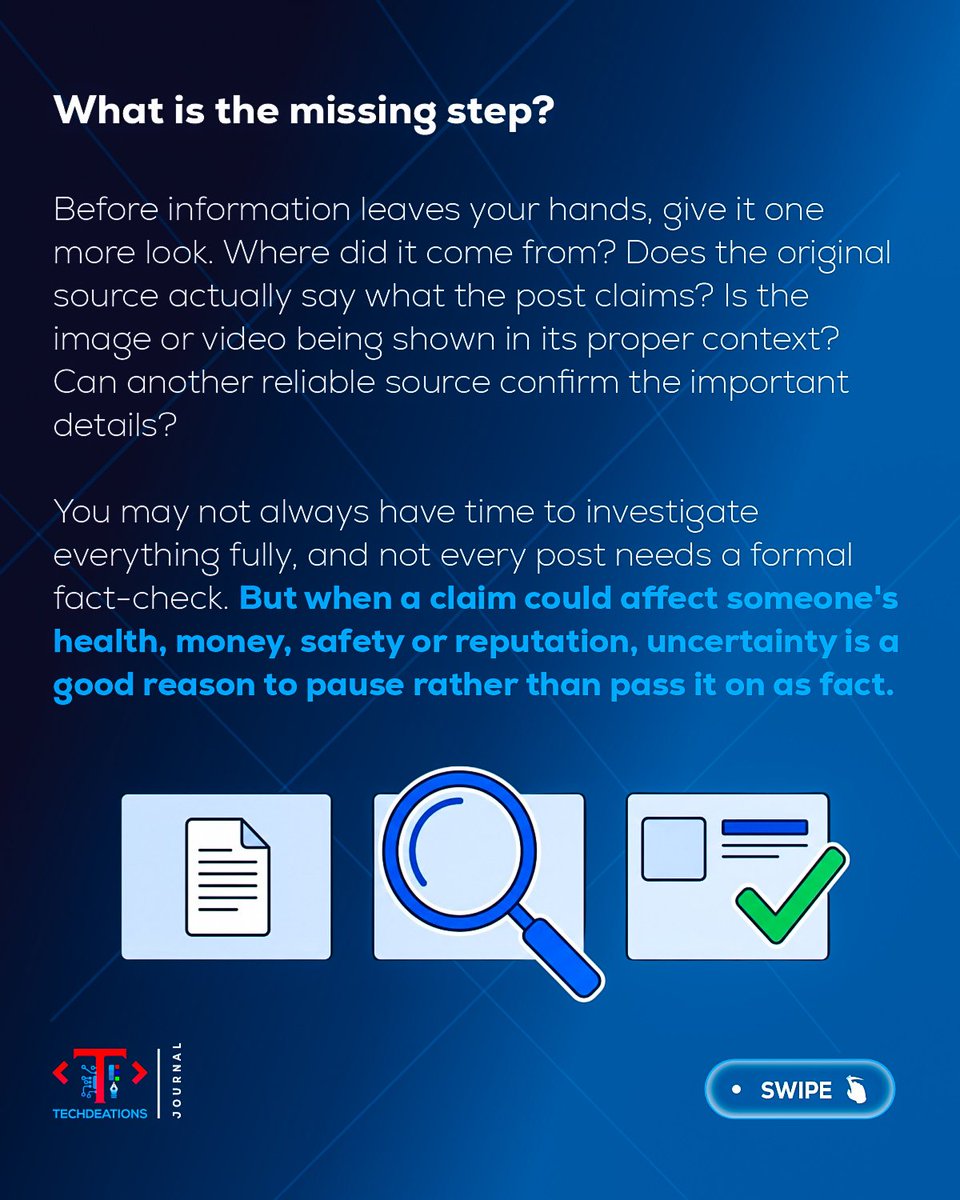
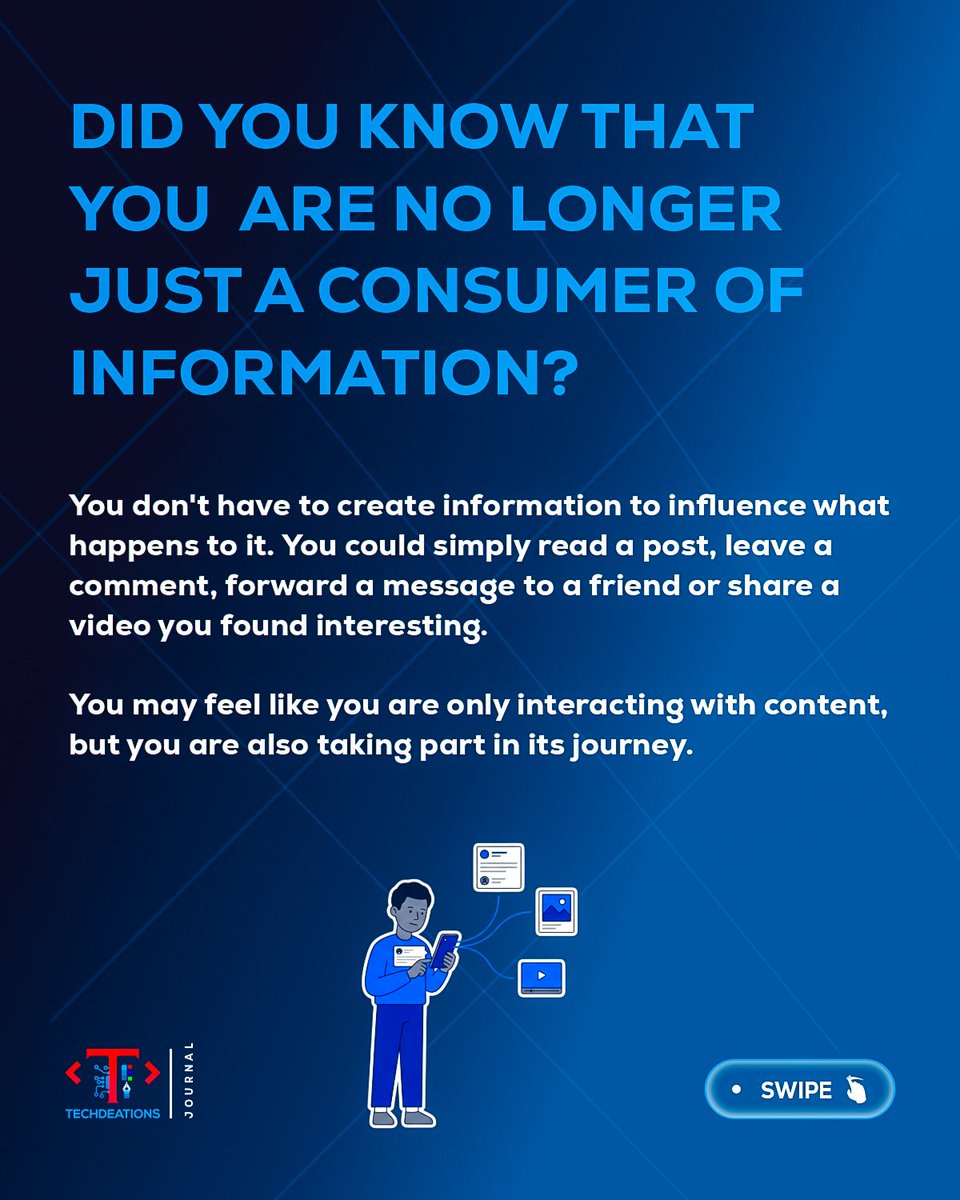
@TheLordTechdee Being a responsible participant does not mean distrusting everything you see or turning every conversation into an argument. It means recognising the difference between encountering information and helping it travel, and taking a little more care when that distinction matters.
@TheLordTechdee These findings do not mean every platform behaves the same way or that every person who shares a claim believes it. They do show why the decision to share deserves more thought than we sometimes give it.
@TheLordTechdee Still, those small decisions matter. Research on online news sharing has shown that false stories travelled farther than true stories on Twitter during the period studied, while later research found that simply drawing attention to accuracy can improve people's sharing choices.
@TheLordTechdee Every day, ordinary users make smaller decisions: what to read, what to question, what to correct, what to believe and what to pass along. Each decision happens in a particular context, and its effect can vary. A private message isn't the same as a public post reaching thousands.
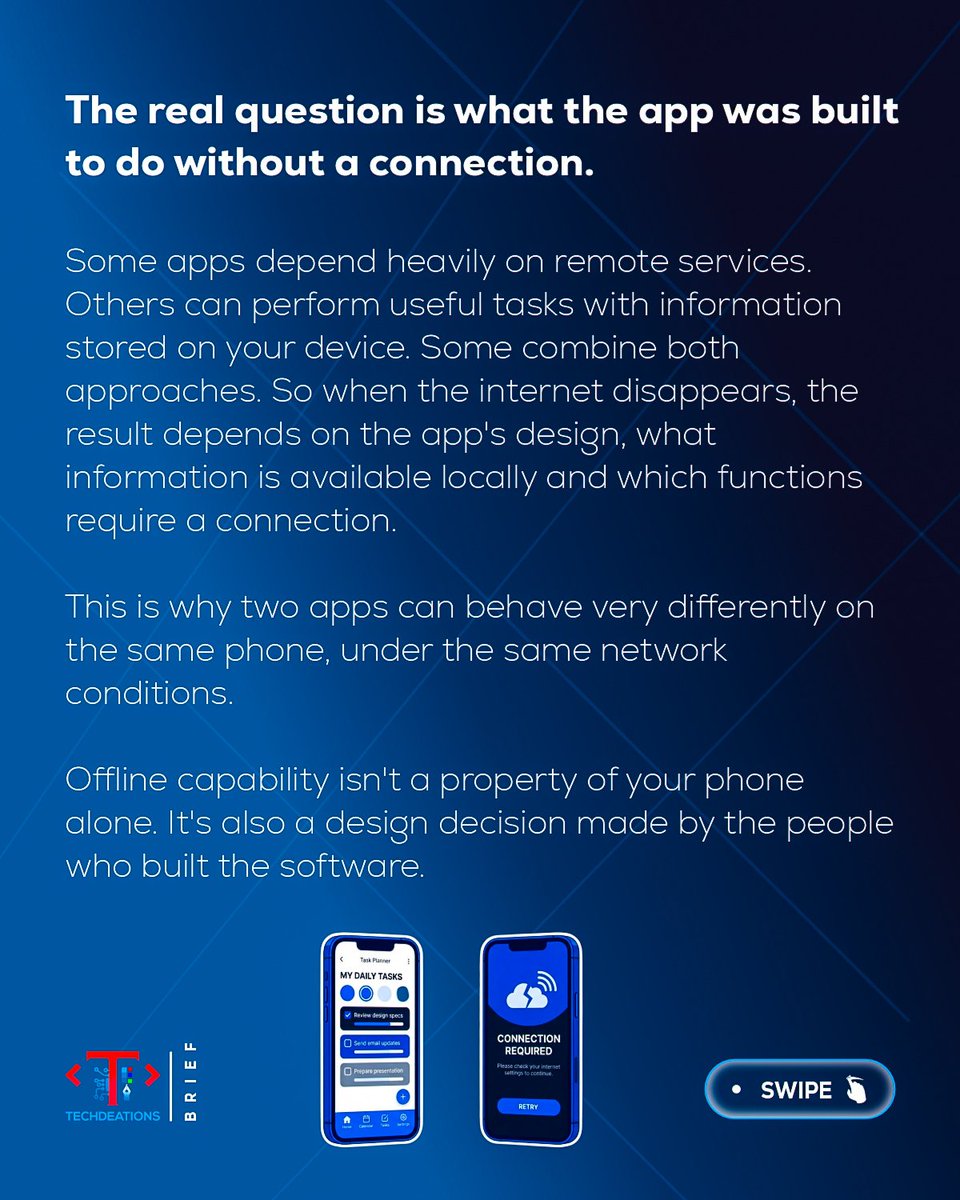
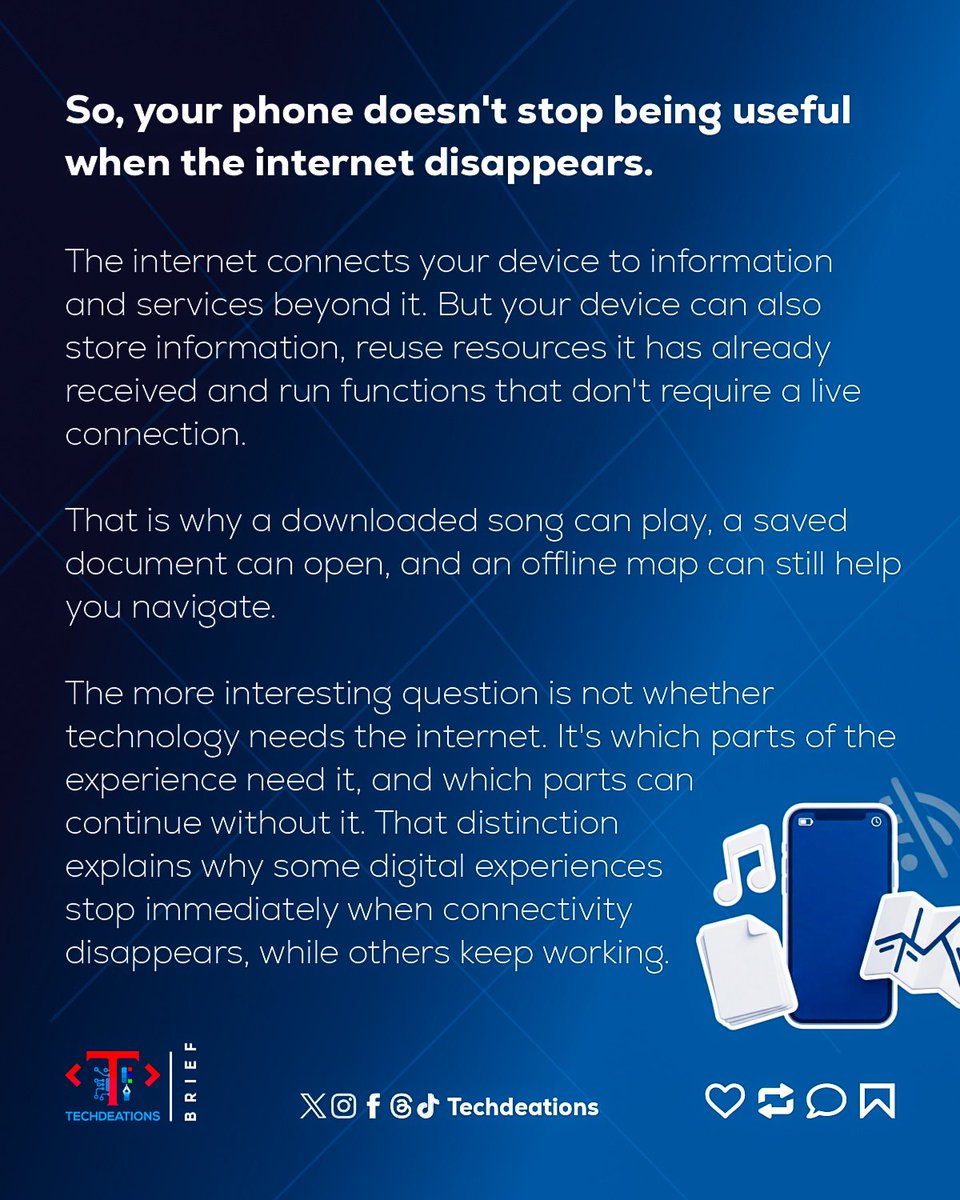
@TheLordTechdee That is why some technology keeps working when the internet doesn't. It isn't that the internet has become unnecessary; it's that not every part of the experience depends on it.
The internet goes down, but your phone doesn't suddenly forget everything it already has.
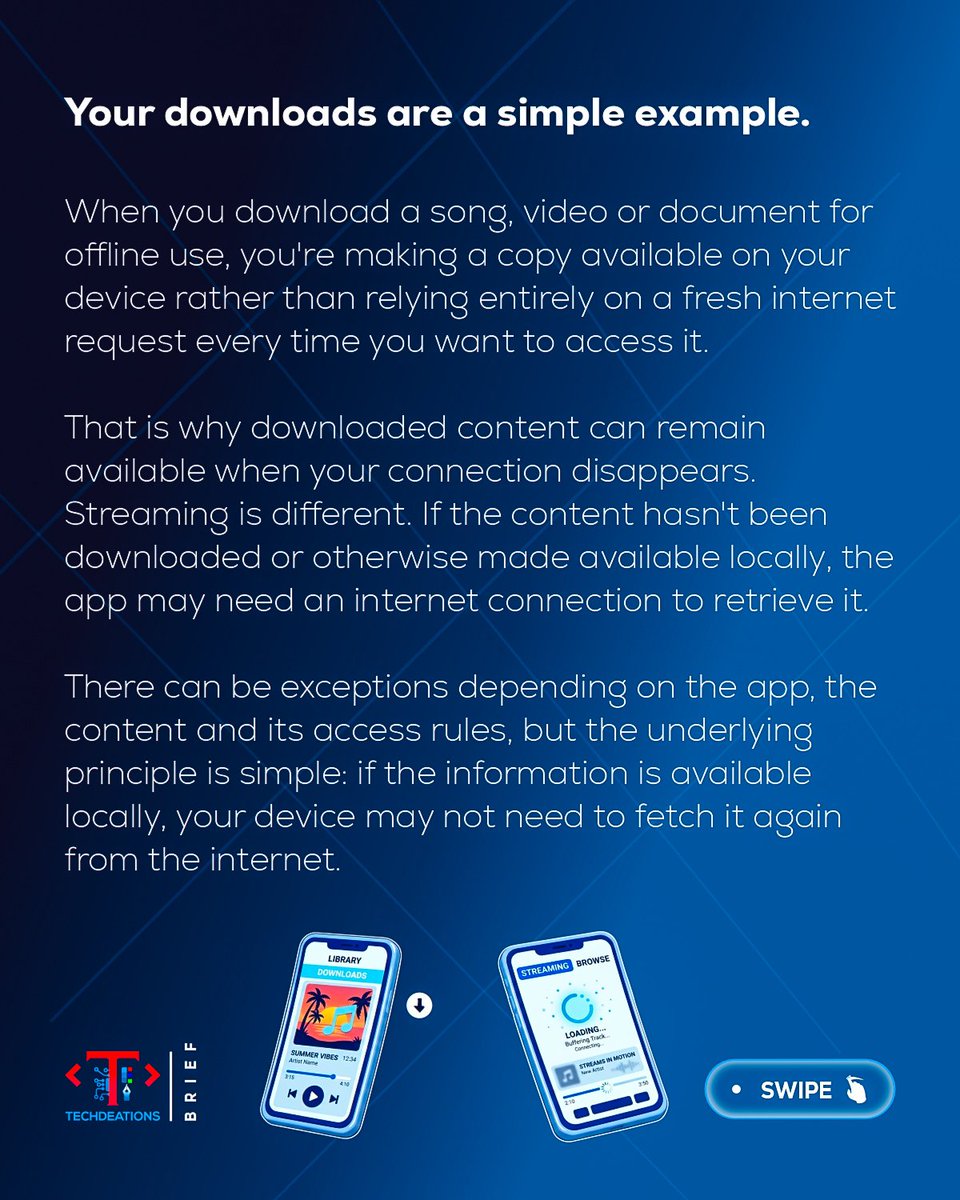
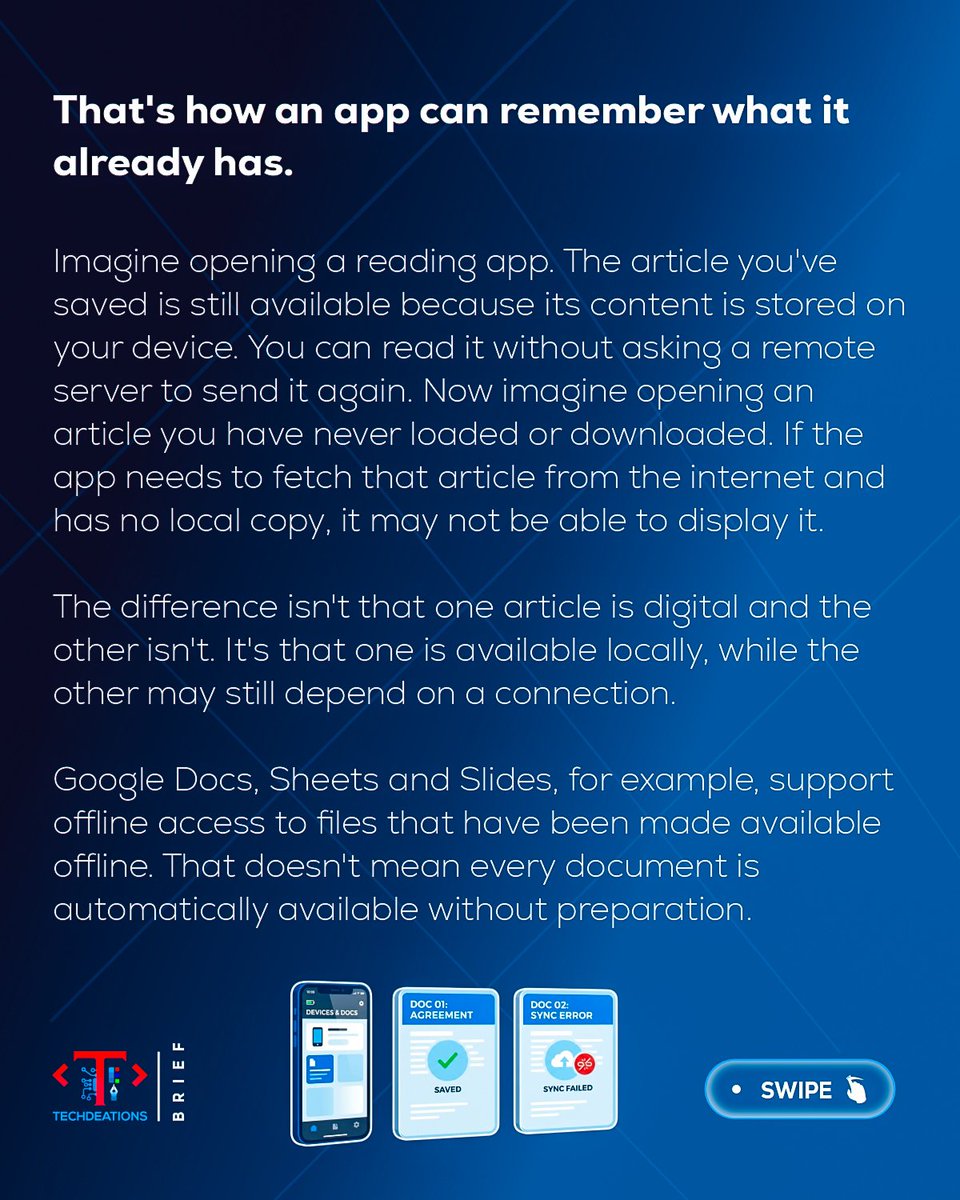
A downloaded song can still play. A saved document can still open. An offline map can still help you navigate an area you've downloaded.
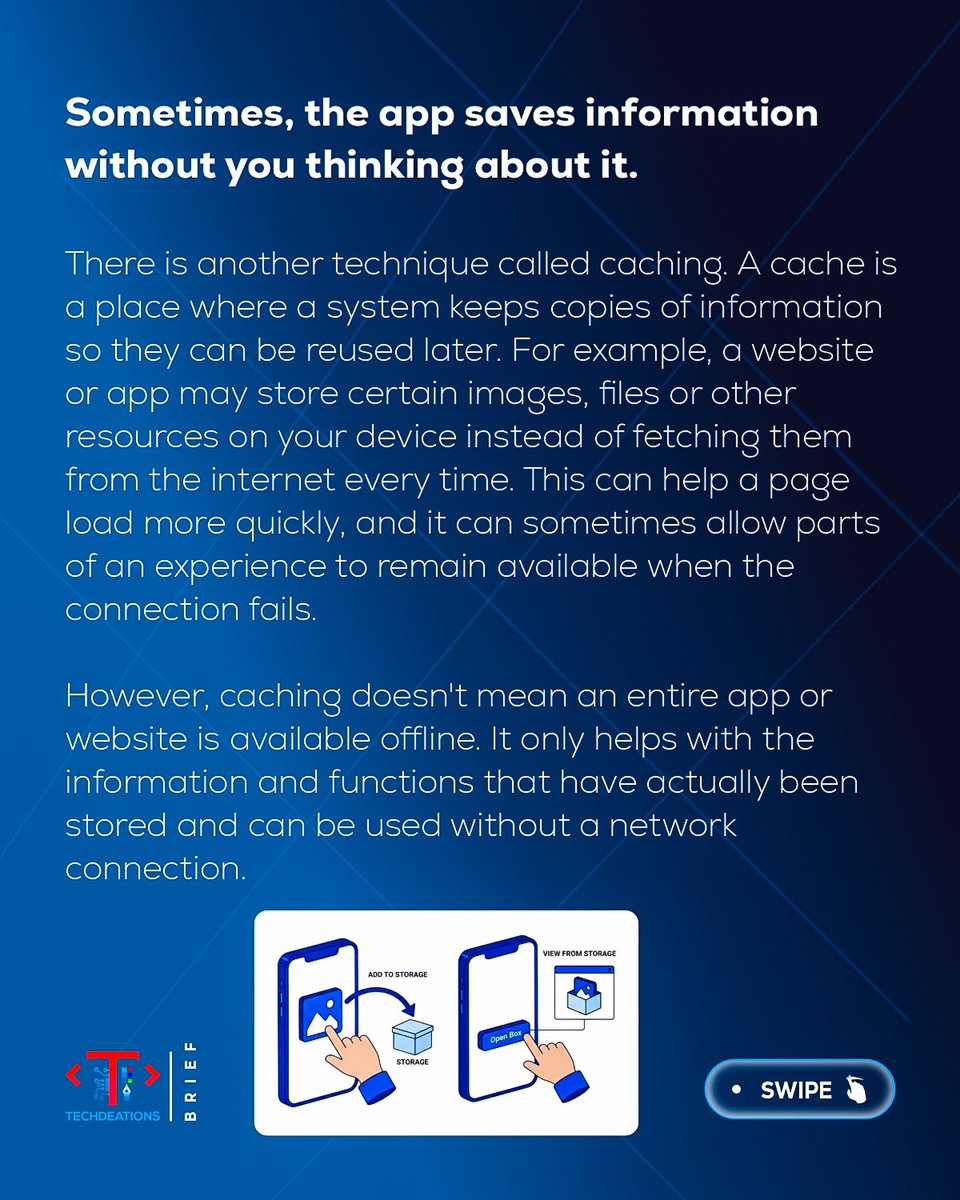
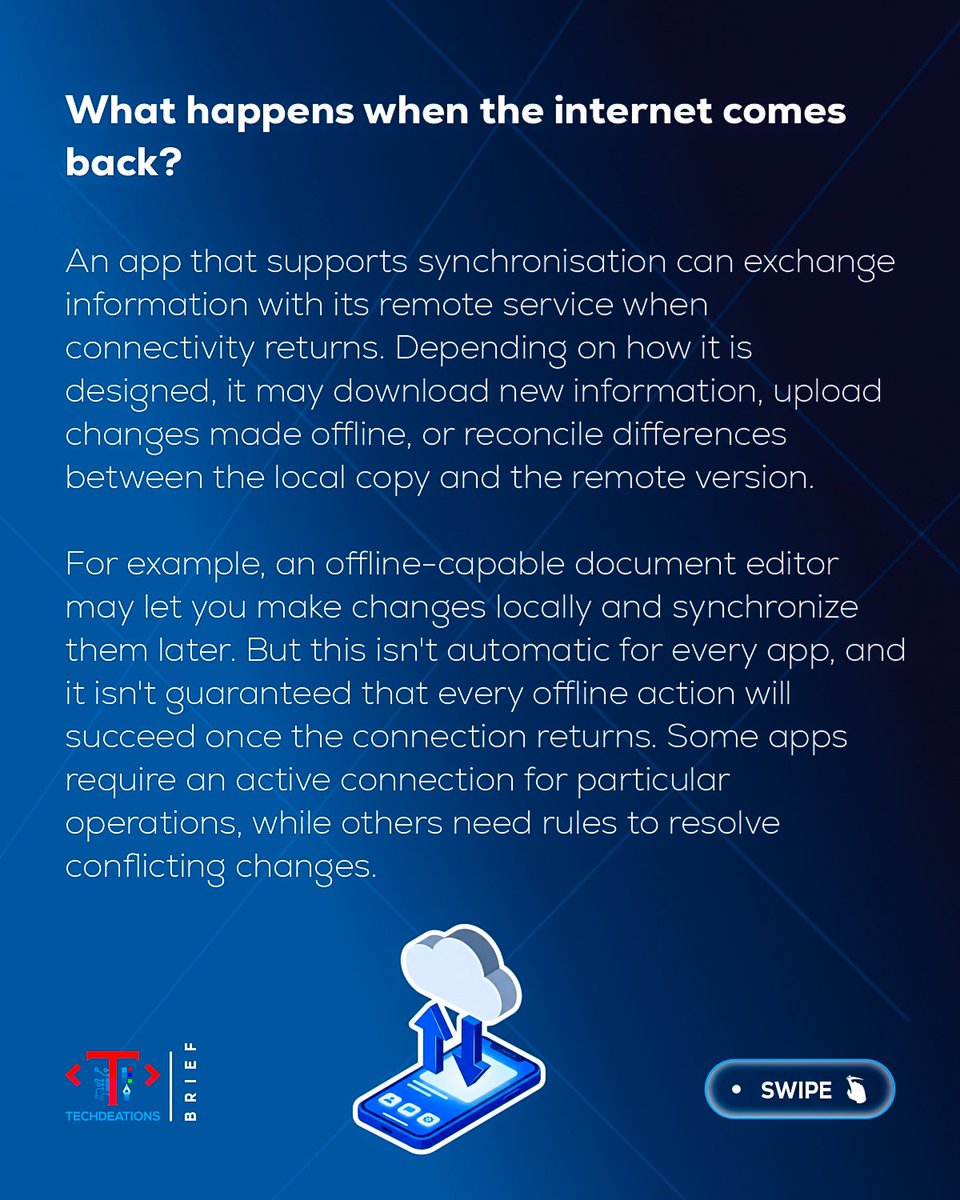
@TheLordTechdee The difference is that some information and functions are available directly on your device, while others depend on remote services and a live connection.
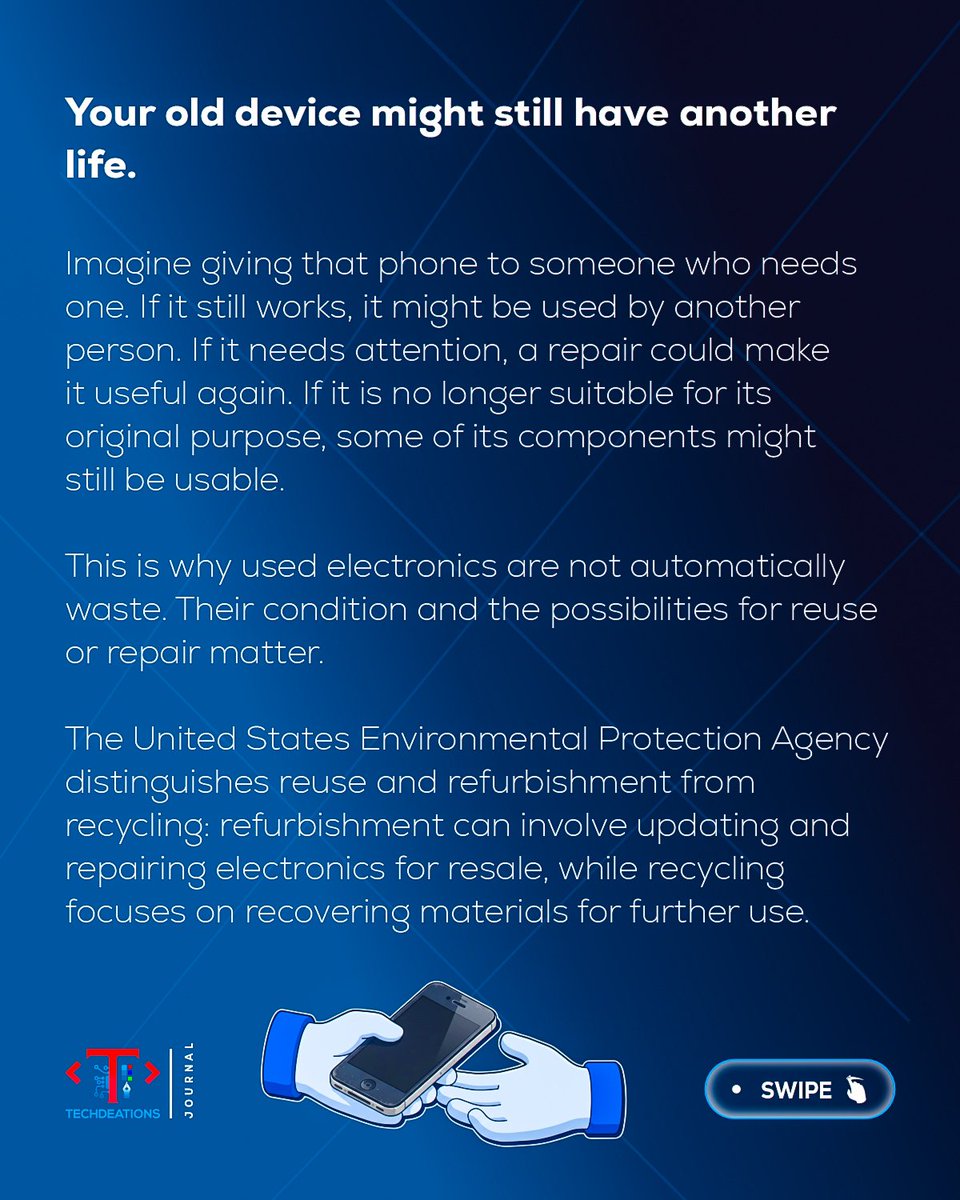
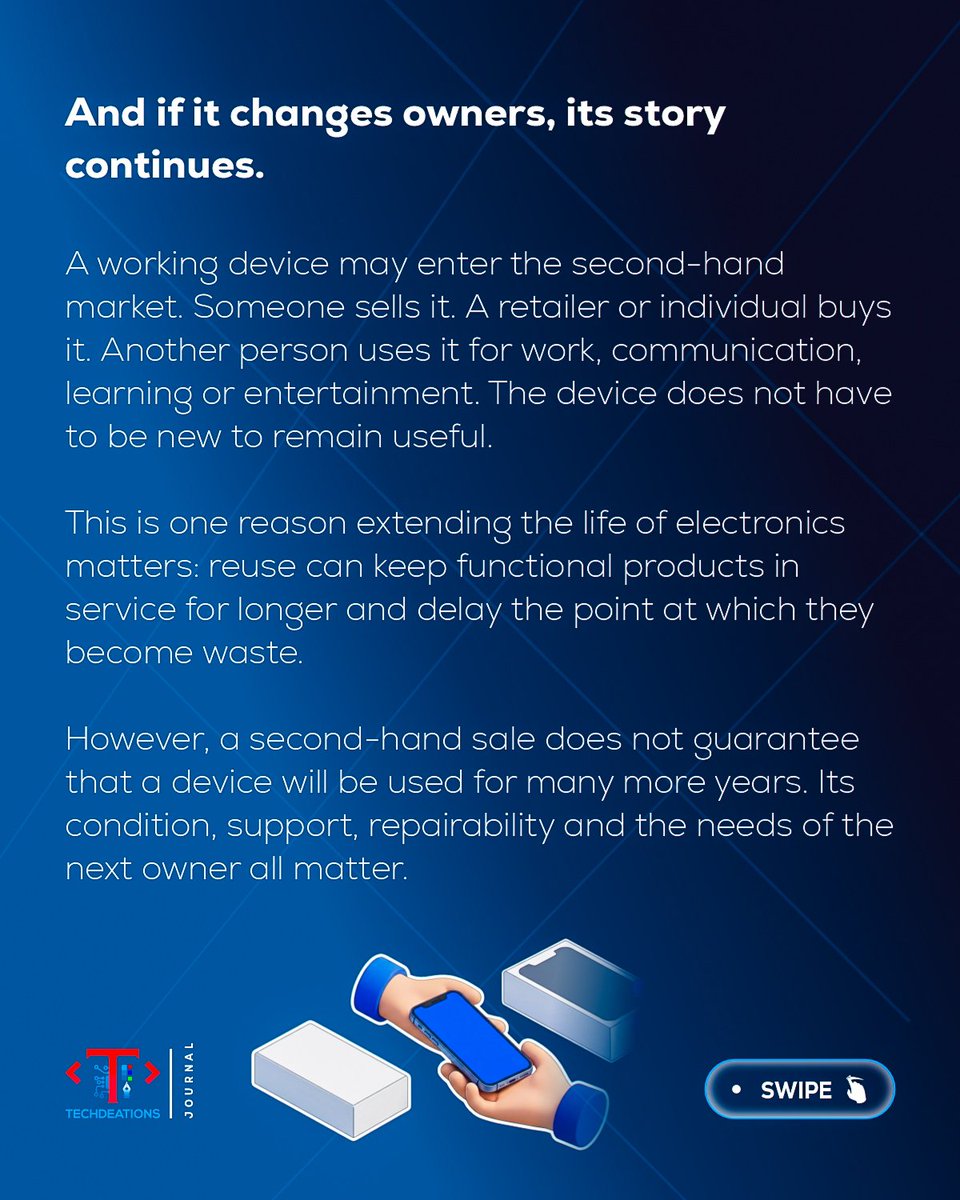
We think carefully about the devices we buy, but rarely about what happens when we stop using them.
An old phone might be repaired, sold to another person, reused for another purpose or sent for material recovery. What happens depends on its condition & the options available.
@TheLordTechdee And when electronics are discarded or processed improperly, the consequences can extend beyond the person who owned them.
The device may be leaving your life, but it is not simply disappearing. Its next chapter depends, in part, on what happens next.