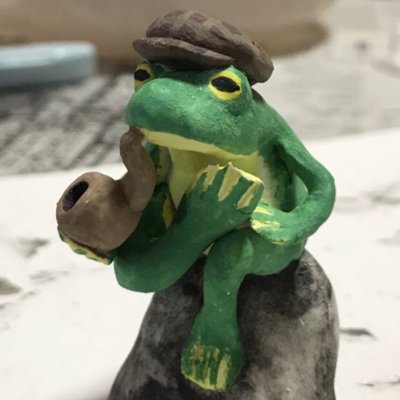
In 458 BC, Rome was on the brink of collapse.
An invading army had trapped the Roman consul and his legion in a mountain pass. Panic spread through the city. The Senate did the only thing they could think of:
They sent messengers to find a 60-year-old farmer plowing his field.
His name was Lucius Quinctius Cincinnatus. He had once been a senator, then lost his fortune paying his son's bail. Now he worked his own four-acre plot just to feed his family.
When the Senate's envoys arrived, they found him sweating behind a plow. They asked him to put on his toga so they could deliver an official message.
The message: Rome was making him dictator. Absolute power. Total command of the army. No checks. No oversight. No term limit.
He accepted.
Within 16 days, Cincinnatus had raised an army, marched out, surrounded the enemy, and forced their surrender. The republic was saved.
He had legal authority to rule for six months. He could have stayed. He could have expanded his power. He could have done what every other ruler in human history did when handed unlimited control.
Instead, he resigned on day 16.
He took off the toga, walked back to his farm, and finished plowing the field he'd left half-done.
Twenty years later, when Rome faced another crisis, they called him back. He was 80 years old. He took command, crushed the conspiracy, and resigned again, this time after just 21 days.
He died poor. On his farm.
2,200 years later, when George Washington was offered a kingship after winning the American Revolution, he refused and went home to Mount Vernon. The reason he was hailed as "the American Cincinnatus" is because Europeans literally could not believe a man who had won would willingly give up power.
King George III, on hearing Washington would resign rather than rule, said: "If he does that, he will be the greatest man in the world."
The lesson isn't that Cincinnatus was humble.
The lesson is that for most of human history, the people most qualified to lead were the ones who didn't want to. And the moment a society starts rewarding those who chase power instead of those who flee from it is the moment the republic begins to die.
Cincinnati, Ohio is named after him.
Most people who live there have no idea why.
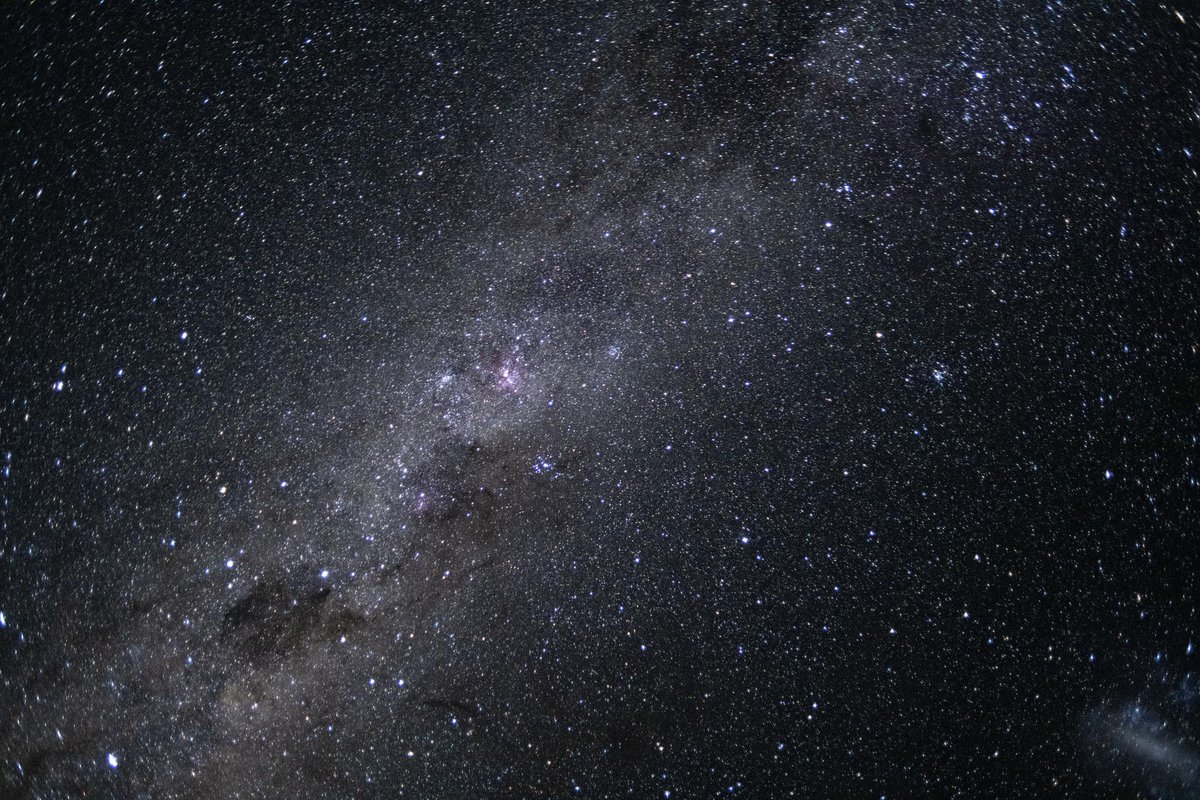
Every tiny dot you see here is a star, most with their own planets countless hiding in the dark
In all this vastness, we might be the only conscious minds in this entire Universe
If consciousness is really that rare, it makes us the most precious thing in the universe
We have a massive responsibility to protect it. Becoming a multi-planetary species is not just about exploration - it is about ensuring the light of consciousness does not go out. Earth is our starting point.....
"One day, we will be out there, among the stars” — Elon Musk
A guy with a YouTube channel just accidentally redesigned the most complex machine in human history.
Not an aerospace engineer. Not a SpaceX executive.
A guy with a camera who asked one obvious question.
Tim Dodd was walking around Starbase when Musk proudly explained how the Super Heavy booster eliminated its entire cold gas thruster system. Instead of a separate, heavy, complex mechanism, it just vents hot gas directly from the propellant tanks.
Elegant. Zero added mass. Zero extra failure points.
Dodd asked one question.
“But this is only for the booster, right?”
Musk stopped.
Not to defend. Not to explain. Not to reframe the question so it didn’t threaten what he had just said.
He stopped because something clicked.
Musk: “Yes. Although arguably, now you mention it… we might be wise to do this for the ship, too. Now that… we’re going to fix that.”
Mid-sentence. In real time. On camera.
No pause to protect his pride. No deflection. No “good point, let me circle back on that.” Just the immediate, unfiltered acknowledgment that a better path existed and they were going to take it.
Seven months later, Musk confirmed it was one of the biggest improvements ever made to the vehicle.
Think about what just happened.
To change a fundamental flight system at a legacy aerospace company requires years of environmental reviews, safety committees, and budget approvals.
Musk deprecated an entire subsystem in 15 seconds because a podcaster asked the obvious question that nobody inside had dared to ask.
In a traditional corporation, that cold gas system gets built anyway.
Because admitting the architecture is flawed is politically expensive.
The VP doesn’t want to lose the headcount.
The engineers don’t want to scrap the work.
The manager doesn’t want to explain the pivot to their director.
And so the mistake gets a budget. Gets a timeline. Gets a team assigned to it.
The machine gets heavier. The flaw becomes load-bearing. And eventually the flaw becomes so embedded in the structure that fixing it would require tearing down everything built around it.
So nobody fixes it.
Now think about the last time someone pointed out a flaw in something you built. Something you were proud of. Something you had already explained to twelve people without anyone questioning it.
Did you stop the way Musk stopped?
Or did you feel that heat in your chest. That reflexive need to explain why they were missing the point. Why the context was more complicated than they understood. Why the question, though interesting, didn’t really apply here.
That heat is the most expensive thing most organizations will ever pay for.
A failed launch at least tells you the truth.
A defended mistake just compounds.
This is the organizational architecture required to win the AI arms race.
The ultimate moat isn’t compute. It isn’t capital.
It is the velocity of error correction.
The geopolitical AI race will not be won by whoever starts with the best blueprint.
It will be won by whoever can feel that heat in their chest and choose the truth anyway.
A journalist asked a question. The best answer won.
The rocket got lighter.
Most egos don’t.
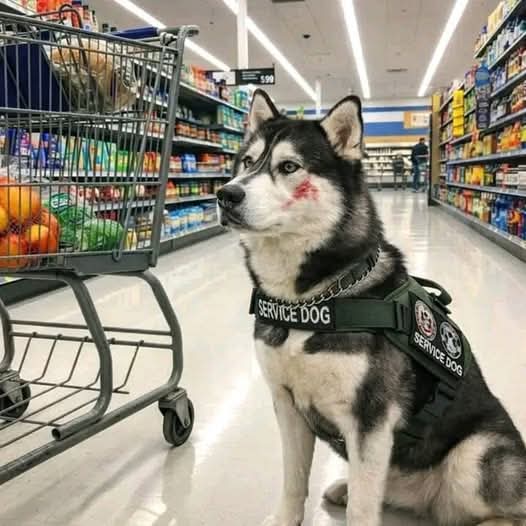
I was standing in the checkout line at the grocery store. It was crowded and loud.
My dog, Titus—a strong, focused Husky service dog—was sitting perfectly still beside me. His body was lightly pressed against my leg, his posture calm and steady, his eyes locked onto my face. He didn’t look away for even a second.
A woman behind me tapped my shoulder sharply.
“That dog needs a muzzle,” she snapped.
“Look at the way he’s staring. He’s dangerous. It’s irresponsible to bring a dog like that into a store.”
At that moment, the room started to spin. My vision narrowed, the warning signs hitting all at once. I knew I only had seconds.
“He’s not staring because he’s aggressive,” I said, my voice shaking as I gripped Titus’s harness.
“He’s staring because he knows something is wrong with me.”
Then I collapsed.
But I didn’t hit the floor.
I landed on Titus.
He had already braced his body, ready to catch me.
When I came to, the paramedics were there.
Titus was lying across my legs, using his body to create space, keeping everyone back. The woman was gone.
“Good boy,” one of the EMTs said, gently patting his head.
“He didn’t let anyone touch you until we arrived.”
He wasn’t preparing to attack.
He was prepared to do his job.
He was prepared to protect my life. 🐕🦺🖤
Educate yourself before you judge.
Service dogs come in all shapes and appearances—and they save lives. 🚑
Jasmine limb