The bigger message is that Africa wants partnerships based on mutual respect, national interests and shared benefits. Working with Russia does not necessarily mean rejecting the West. It means keeping diplomatic options open.#RussoAfroSummit
Precisely, 48 of Africa’s 54 countries attended the 2026 Russia-Africa Summit despite Western pressure to boycott. The turnout highlights Africa’s desire to make its own decisions.The Summit carries an important message about Africa's independence in international relations.
The 2027 Pre-Budget Seminar provides a platform for Parliament and stakeholders to shape national spending priorities. Emphasise fiscal discipline, productive investment, economic resilience and inclusive growth under NDS2.
#NDS2#VISION2030
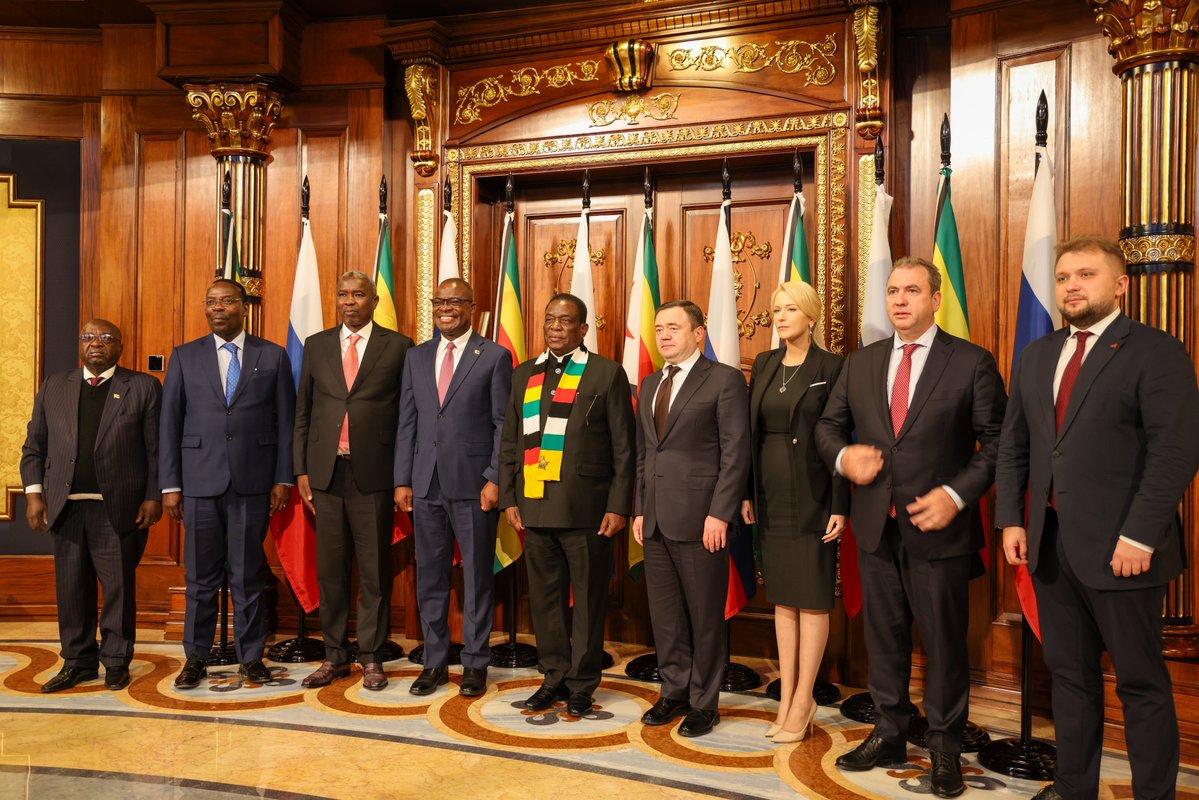
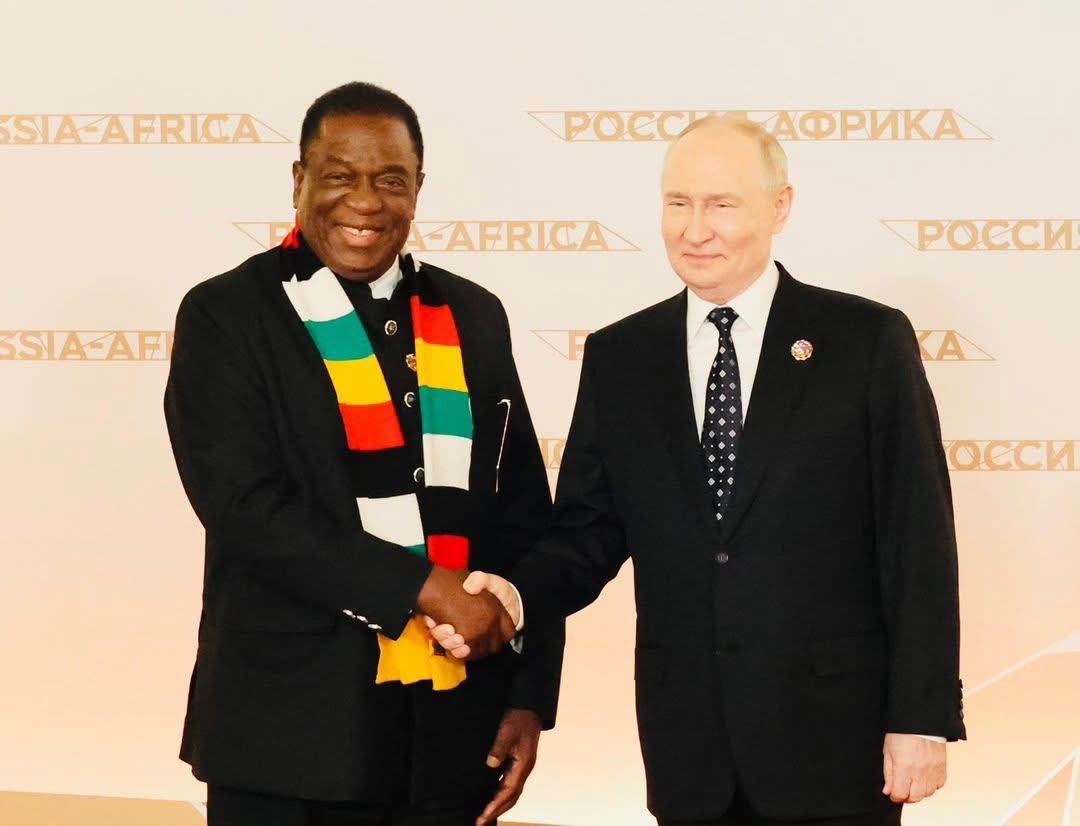
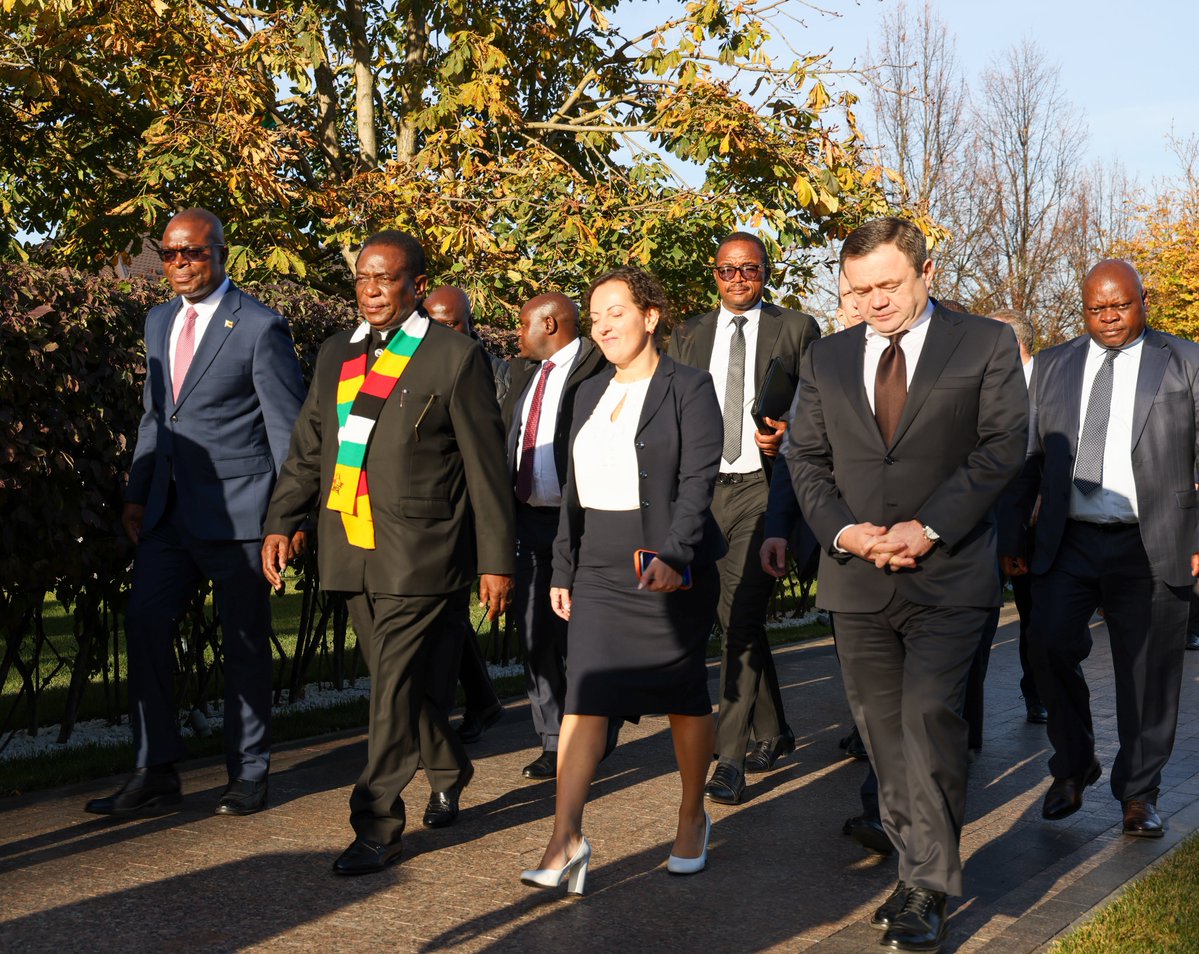
The Zimbabwean administration formally requested that Moscow transition its long-standing diplomatic ties into tangible trade, direct investment, and domestic industrial beneficiation.Iwe woshora,fambai shumba @edmnangagwa#RussoAfroSummit#NDS2
Senator Dr Kudakwashe Tagwirei participated in the Third Russia–Africa Summit in Moscow as Zimbabwe's Minister of Economic Development and Investment Promotion, accompanying President Emmerson Mnangagwa.#RussoAfroSummit
Zimbabwe has signed a cooperation agreement with a non-profit organisation, marking another step towards strengthening strategic partnerships that support national development #RussoAfroSummit
The interchange represents a significant infrastructure investment aligned with the National Development Strategy 2 (NDS2)&Vision 2030. H.E President Mnangagwa is doing what most people thinks it's Artificial intelligence because he is driving the economy very well.#Vision2030
The construction of the Mabvuku Interchange along the Harare–Mutare Highway has reached an advanced stage, demonstrating continued progress in the Government's infrastructure modernisation programme under the Second Republic.#NDS2
Under NDS2, Zimbabwe’s 2027 National Budget must prioritise infrastructure, agriculture, industrialisation and job creation to drive sustainable growth and improve livelihoods.
#NDS2#Vision2030#AsakhiZim
The administration's guiding principle, "Zimbabwe is Open for Business," has increasingly connected diplomatic engagement with economic transformation, infrastructure development, trade diversification and international cooperation.
#RussoAfroSmmit
International engagements are continuing to shape Zimbabwe. H.E President Mnangagwa and the government of Zimbabwe has supported the reelection of Dr Zavazava as ITU Director.
#Vision2030
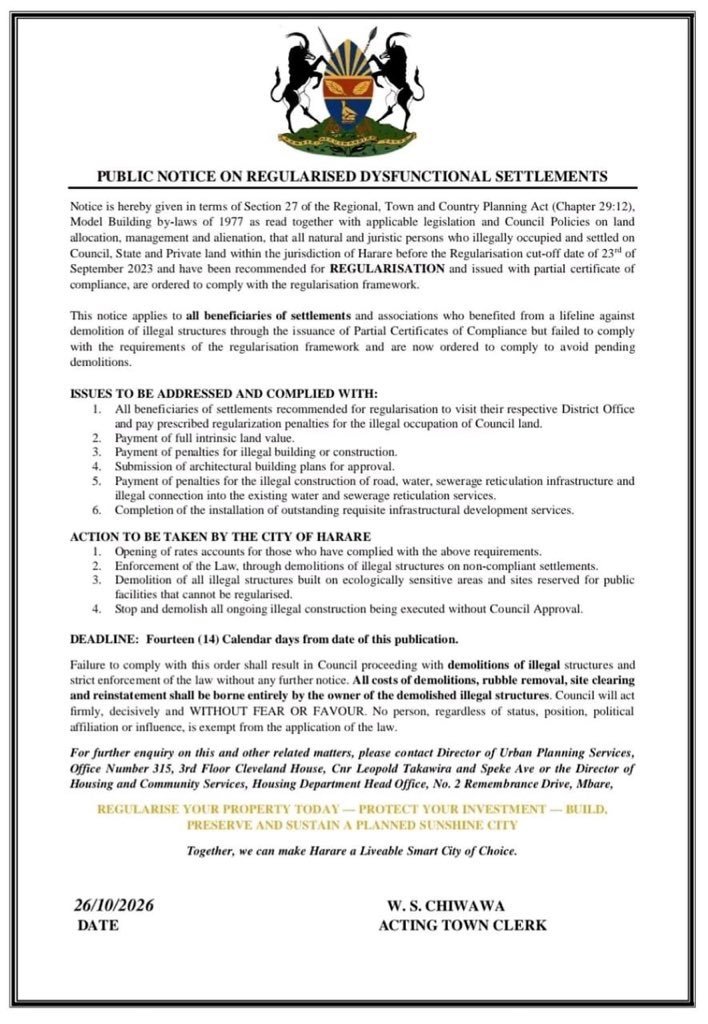
Harare City Council's ultimatum, issued on 26 October 2026, is more than a warning about illegal structures. It is part of a wider effort to address unplanned settlements, illegal land occupation, infrastructure pressure & environmental degradation across the capital.#ChenesaZim
The agreement could support Zimbabwe's economic transformation agenda if it produces funded initiatives, technology transfers and sustained commercial activity.
#RussoAfroSummit
ZIMBABWE, RUSSIA SIGN NEW COOPERATION AGREEMENT
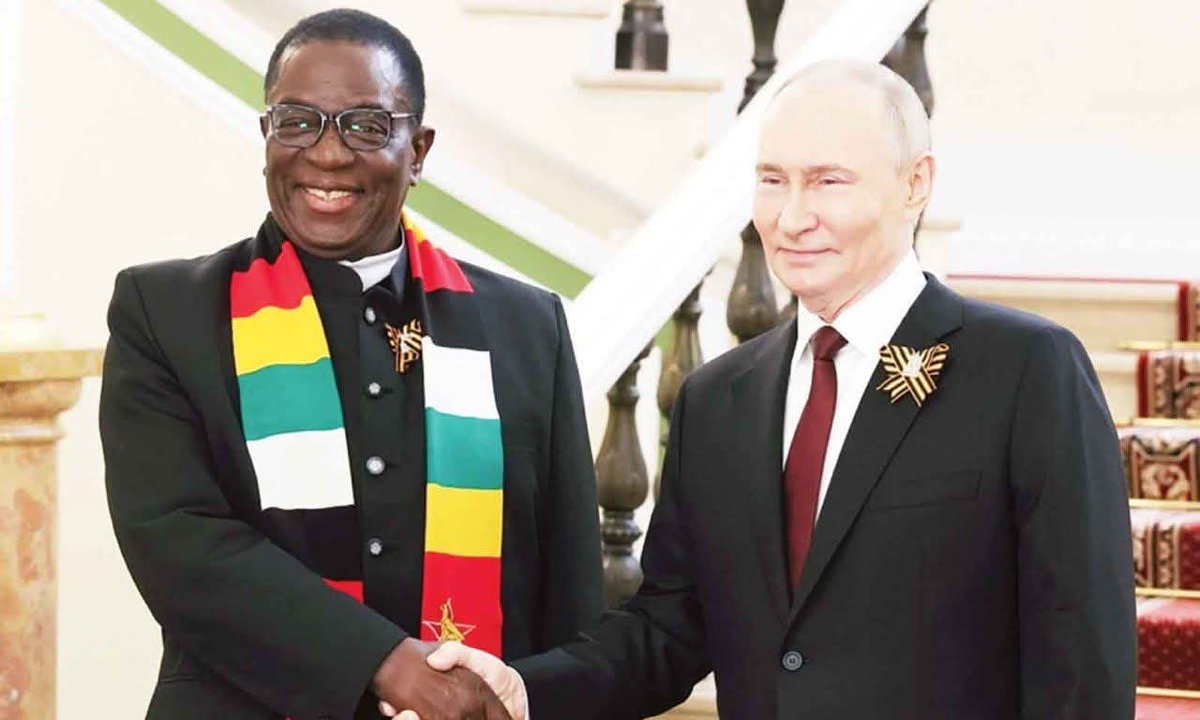
Zimbabwe and Russia have signed a new cooperation agreement to deepen institutional ties and drive practical collaboration between the two countries.
#RussoAfroSummit
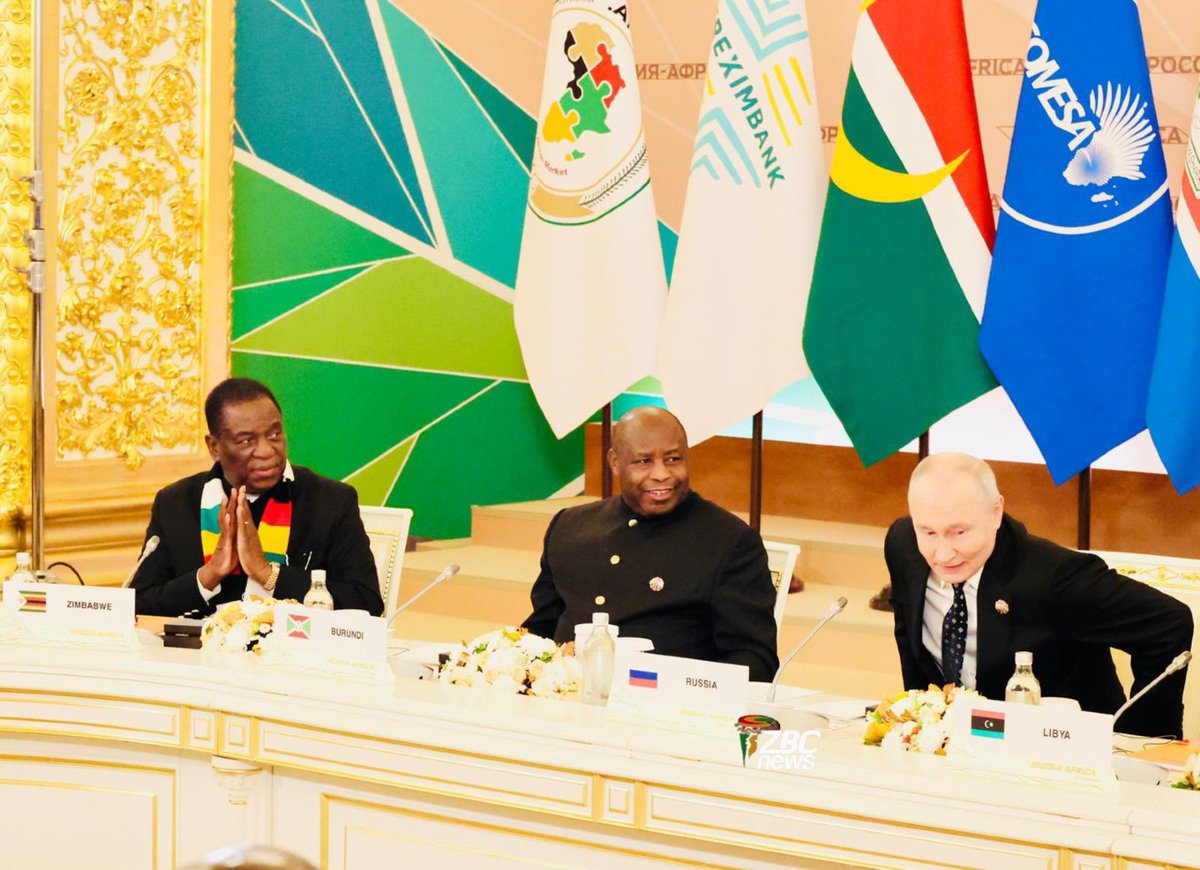
Did you know that,Comesa Chairperson H.E President Mnangagwa is already tackling economic issues in Russia-African summit? He is actually a God of our time.
Zim’s participation in the Russia–Africa Summit presents opportunities to deepen investment cooperation,and strengthen industrial partnerships.However,the strategic value of these engagements will depend on translating diplomatic commitments into measurable economic outcomes.
The focus is on unlocking partnerships, attracting investment, expanding market access and creating opportunities for Zimbabwean business people.
#EDworks#RusoAfroSummit
H.E President Mnangagwa is expecting to return from Russia-Africa summit with bankable projects,clear timeline, financing arrangements and measurerable benefits for ordinary citizens.
The NDS2 target of one million housing units by 2030 is about 4.5times the original NDS1 target of 220000 units by 2025. It also requires roughly 200,000 units per year,compared with the original NDS1 average of about 44,000 units per year .