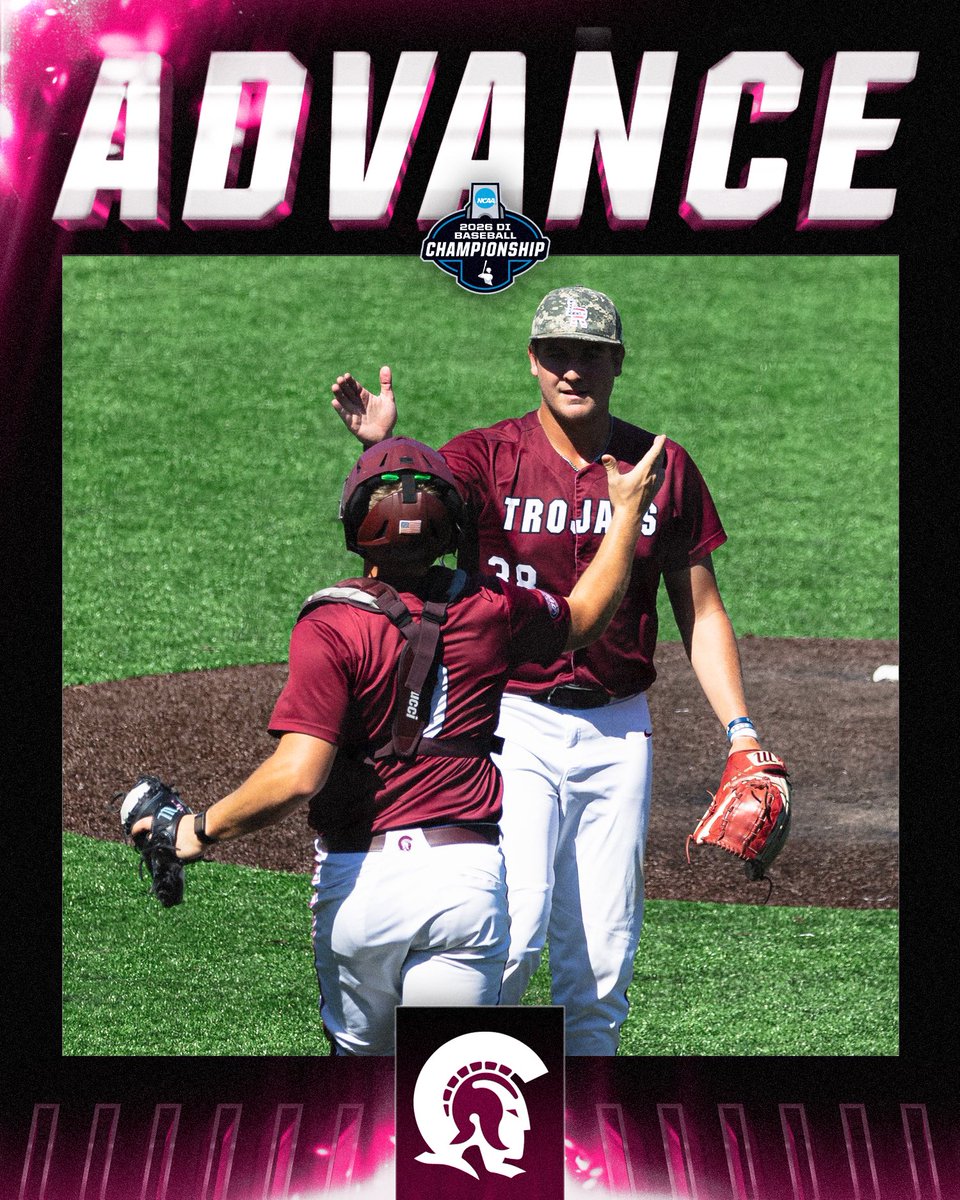
“Being able to do it with Little Rock on your chest just meant more to me.”
Central Arkansas has always been a part of @CoachCurryLR’s DNA and now, he has @LittleRockBSB two wins away from a trip to Omaha.
More on his love for Little Rock and building a program close to home:
Athletes from across Arkansas are heading to Harding University this week for the 2026 Special Olympics Arkansas Summer Games, and the celebration is already on the move with the Flame of Hope Law Enforcement Torch Run.
https://t.co/DmxfnFmmQd
When I negotiate revenue-sharing agreements with schools, I insist that full payment is due to players if they remain on the roster through the conclusion of the season and any postseason participation, even if they enter the transfer portal or otherwise depart from the program thereafter. That includes declaring for the draft. This should be non-negotiable.
I generally oppose liquidated damage clauses, as they tend to look like unenforceable penalties rather than a reasonable estimate of anticipated harm. I'm watching Cincinnati v. Sorsby closely to see how the federal court rules on this specific issue.
I will almost always redline "sole discretion" language and, at a minimum, convert it into "reasonable discretion." For morals clauses, I like to add that the harm must be substantial and material.
I'm sharing this because I want to not only empower my clients, but all athletes and their representatives. Redlining is only part of the process. Being a proficient negotiator and leveraging established, trusted relationships is also very important in the process.
This is exactly why representation and contract review matter.
Not to create conflict, to help athletes understand what they’re signing in an increasingly professional environment.
Thank you to @WinterSportsLaw for highlighting this.
To the parents out there, if your son or daughter was offered a revenue sharing or NIL contract by a school, I would suspect (and hope that you would) hire a lawyer to review, redline and negotiate its proposed terms.
It’s about legal rights. Rev shares and NIL collective agreements are drafted by lawyers for the schools (and, in some cases, by the conferences). Why should players not have their own lawyers reviewing their contracts? It’s not about the dollars. It’s about the language set forth in the 15-25 pages of rev share agreements and NIL contracts and LOIs/MOUs that come after page 1 referencing the dollars.
College athletes and their rights need to be protected. To be sure, they are the “little person” in this billion-dollar industry despite, coincidentally, generating the billions of dollars at issue.
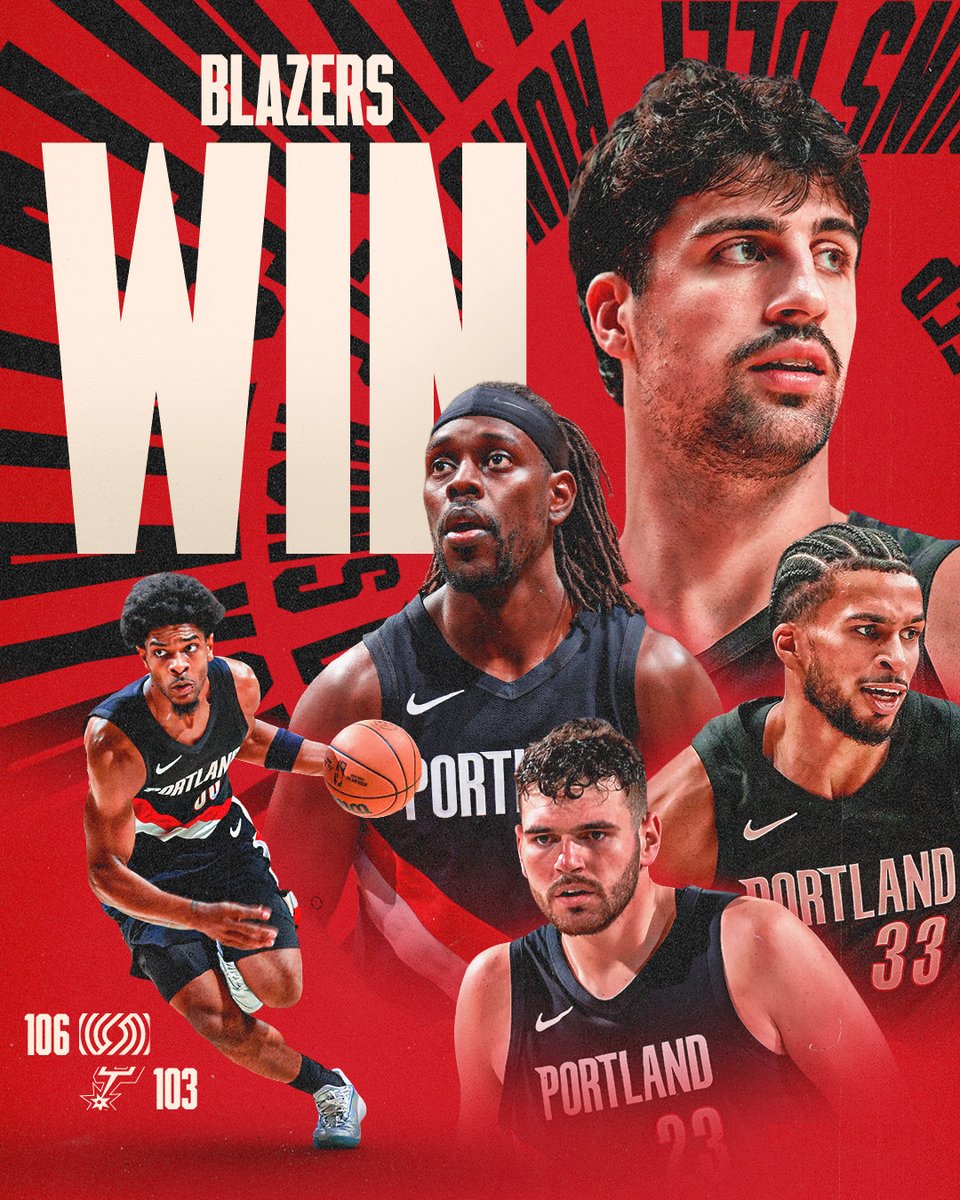
Tough end to a season that exceeded all expectations for the Trail Blazers. Young team with a lot of talent.
Was lucky enough to watch them in Portland and Memphis this year. Going to be a long five months to wait for the season opener! #RipCity
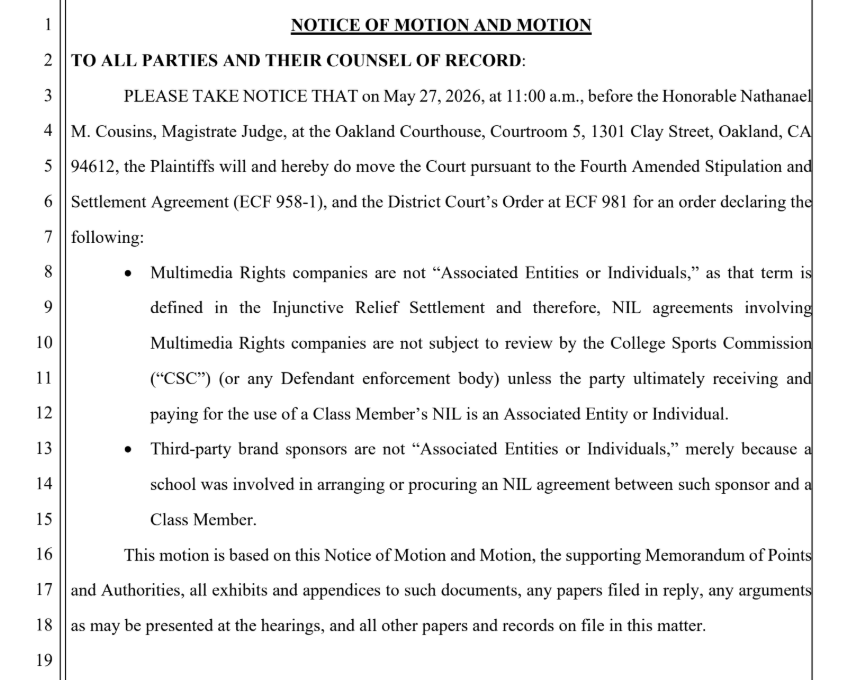
House v. NCAA class counsel has filed a motion asking the court to make rulings regarding two conflicts over interpretating "associated entities and individuals" under the settlement: multimedia companies and when the school is involved in procuring a sponsorship deal.