The 2027 #AACEAwards nominations are OPEN! 🏆
Recognize peers excelling in leadership, innovation, education, service or clinical practice.
New awards:
• Benavides-Trence Travel Award
• Daniel L. Hurley, MD, MACE Emerging Leaders Initiative Award
Deadline: Dec 11, 2026 @ 5 PM EDT
🔗 Submit your nomination and explore all award opportunities: https://t.co/ypgCriE4g2
#WeAreAACE
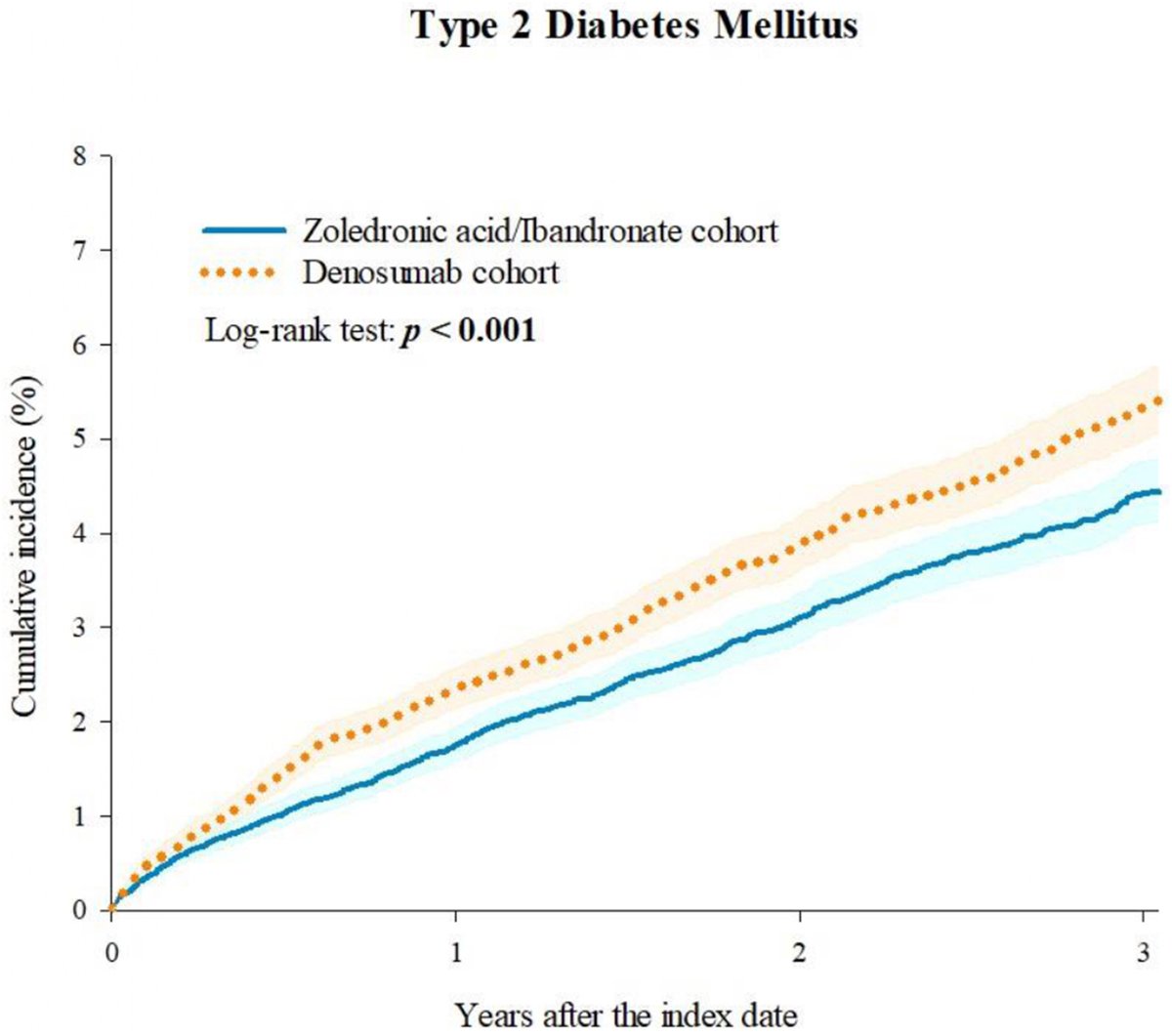
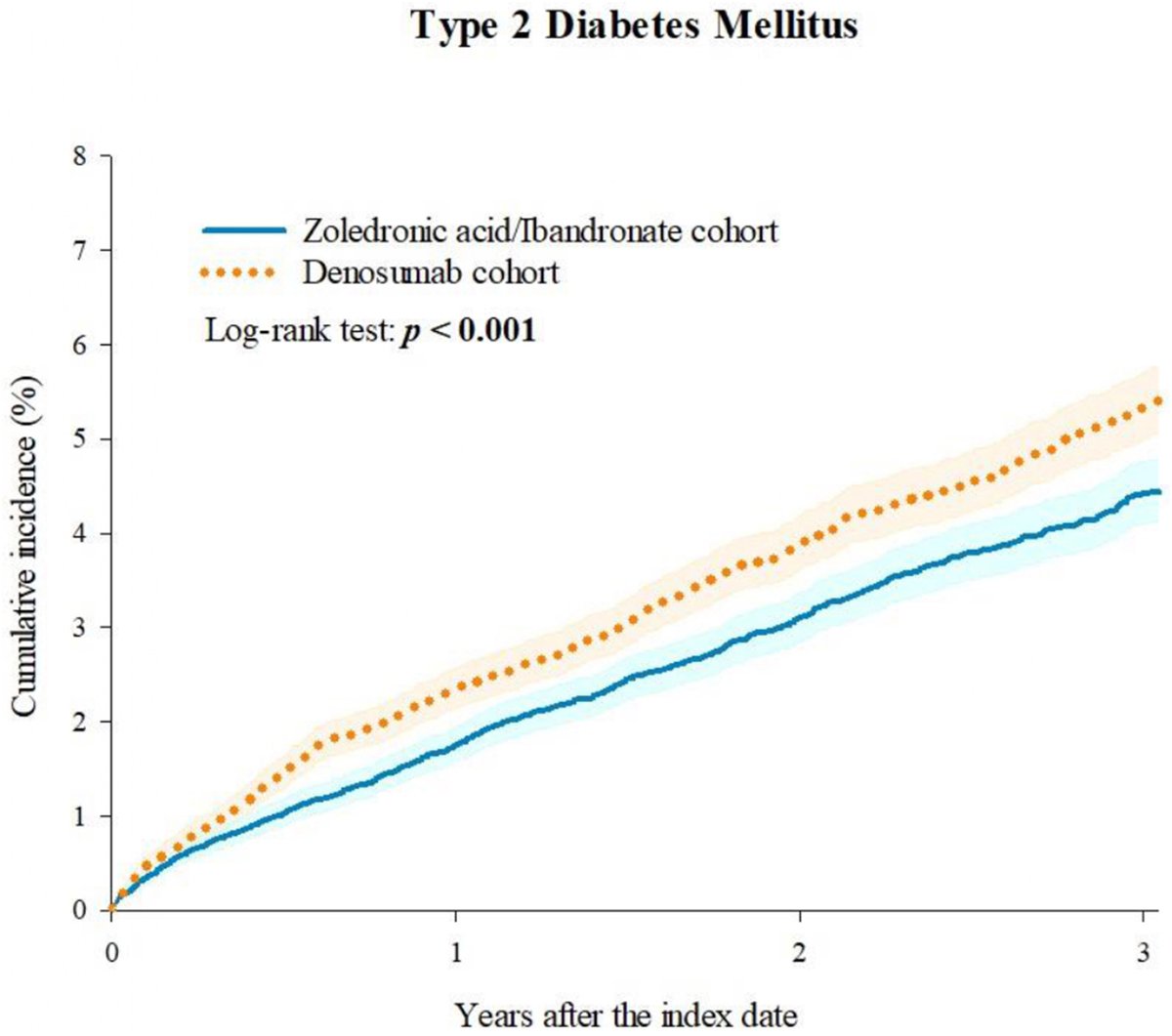
Osteoporosis treatment choice may influence future diabetes risk. IV bisphosphonates appear particularly beneficial for patients at high diabetes risk and may support individualized therapy decisions. Read more: https://t.co/TP9QNvqlye
@vtangpricha
Do you treat MASLD and MASH? If so, the AACE Patient Guide to MASLD and MASH can help your patients understand these conditions and how to lead healthier lives. See it here: https://t.co/9cE7LnOOkj and empower patients with clear, evidence-based guidance on understanding and managing MASLD and MASH.
Join endocrine expert and Endocrine Practice Associate Editor, Dr. Cecilia M. Lansang as she interviews Emory’s Dr. Guillermo Umpierrez on his journey in medicine, endocrinology, and inpatient diabetes care. He reflects on his DKA and ketosis-prone diabetes research, the mentors who guided him, and the importance of passion, environment, and celebrating small wins. Listen here: https://t.co/i1WbQ4ZrxV
@vtangpricha
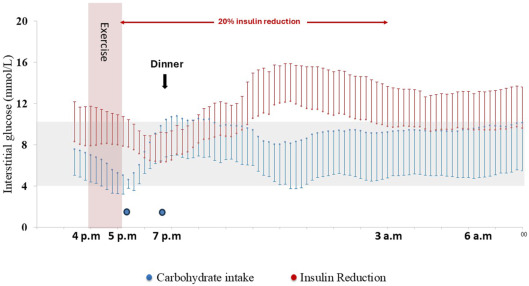
This study demonstrates that both basal insulin reduction and carbohydrate snack strategies are effective for managing post-exercise glycemic control in type 1 diabetes, with basal insulin reduction offering an advantage in delaying hypoglycemia onset. Read more: https://t.co/owDjwn0z7o
@vtangpricha
Looking for a patient-friendly resource on Cushing’s syndrome symptoms, complications, treatment options, and more? Check out the AACE Patient Guide on Cushing’s Syndrome at
https://t.co/deMx5FWa63 and equip your patients with clear, expert-vetted, easy-to-understand guidance today.
KPDM exemplifies diabetes heterogeneity and is a common presentation of DKA, particularly among obese Black and Hispanic adults. Early recognition and individualized therapy optimize β-cell recovery, prolong near-normoglycemic remission, and improve outcomes. Read more: https://t.co/OVUgDMzyD0
@vtangpricha
Early detection and treatment of cystic fibrosis–related diabetes improves pulmonary outcomes and survival. Identifying screening strategies beyond the oral glucose tolerance test may improve detection, intervention, and outcomes. Read more: https://t.co/BoC0e1rD9V
@vtangpricha
Patients often have questions about obesity, and AACE provides accurate answers and resources. The AACE Journey for Patients With Obesity now includes a new informational video, infographic, and interactive quiz. Direct patients to https://t.co/GE6pAN7iXV to access these resources and take the next step in their health journey.
Happening today at 4 PM EDT! Free live webinar with @DrAuchus on non-21-OHD classic #CAH—diagnosis, genetics & individualized treatment tips.
Don’t miss out: 👉 https://t.co/GO3RqHAmra
#WeAreAACE
Tomorrow 4 PM EDT: Join Dr. Richard Auchus for a FREE live webinar on #CAH beyond 21-OHD. Learn about unique genetic defects, diagnostic tests & personalized care strategies.
Register 👉 [link]https://t.co/GO3RqHAmra
#WeAreAACE
Our Health Care Advocacy Webinar Series is now available as a free, 4-part on-demand program designed for endocrinologists and health care professionals.
Strengthen your voice in health care advocacy with expert-led insights on driving impact at the institutional, state, and national levels. This series explores emerging issues, including AI, team-based care, and telemedicine, and features live Q&A discussions with AACE experts.
Learn more: https://t.co/9hzbz3erWw.
Osteoporosis treatment choice may influence future diabetes risk. IV bisphosphonates appear particularly beneficial for patients at high diabetes risk and may support individualized therapy decisions. Read more: https://t.co/TP9QNvqlye
@vtangpricha
Dyslipidemia is a major driver of cardiovascular risk in patients with type 2 diabetes (T2D), and lipid management is a key component of the the latest AACE Consensus Statement: Algorithm for Management of Adults with Type 2 Diabetes - 2026 Update. Immediate Past President Scott D. Isaacs, MD, FACP, FACE, reviews new recommendations on LDL-C goals and individualized care in this population. Listen to the podcast at https://t.co/YgAeM0r8Ic.
#WeAreAACE
Our webinar, Transforming Patient Care with the Obesity Algorithm: Practical Insights is now available as a complimentary on-demand webinar designed to equip health care professionals with practical, evidence-based strategies for the effective management of obesity as a serious, progressive chronic disease.
Explore the importance of proactive screening, accurate staging, and long-term treatment to prevent complications and address obesity-related comorbidities.
Register today: https://t.co/yCS8lclsEH.
With obesity affecting an estimated 90 million people in the United States, GLP-1 receptor agonists have emerged as highly effective pharmacologic interventions for obesity and related cardiometabolic comorbidities. These and other obesity pharmacotherapies become increasingly prescribed, clinicians need practical, evidence-based tools to guide nutritional counseling. Dietary quality becomes especially critical when caloric intake is reduced — nutritional needs must still be fully met. Read more and download our quick-reference clinician guide: https://t.co/CqjT8wjZjh
This study demonstrates that both basal insulin reduction and carbohydrate snack strategies are effective for managing post-exercise glycemic control in type 1 diabetes, with basal insulin reduction offering an advantage in delaying hypoglycemia onset. Read more: https://t.co/owDjwn0z7o
@vtangpricha