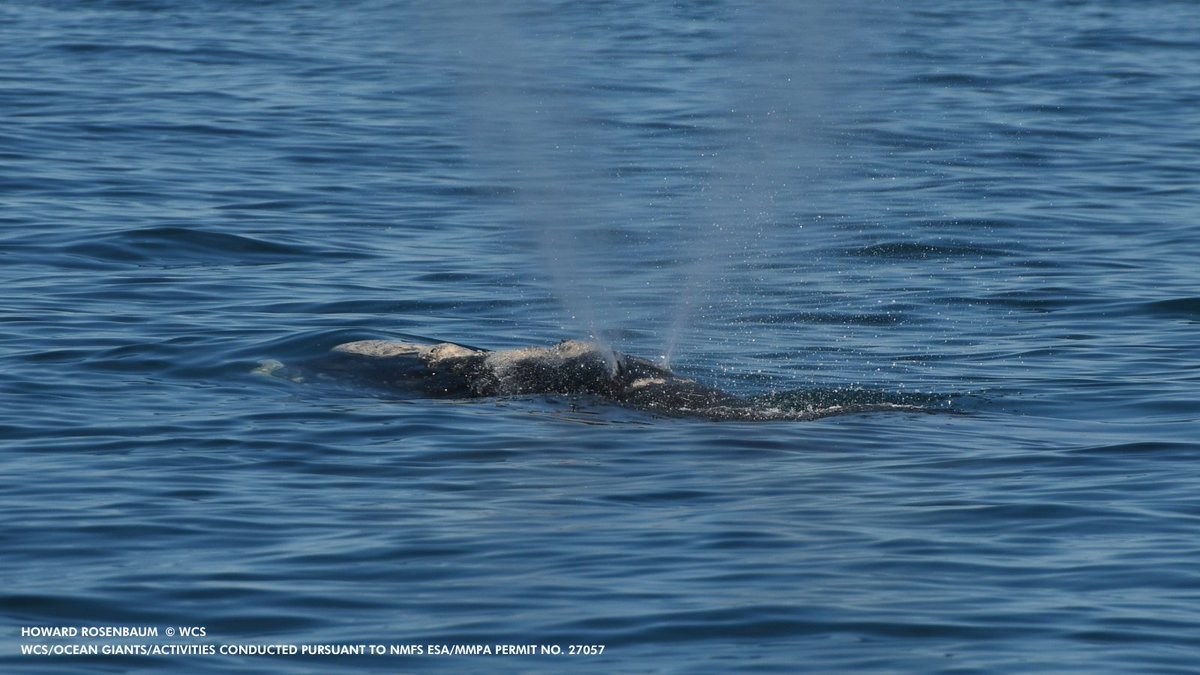
⚠️ There are fewer than 380 North Atlantic right whales left.
@NOAA is weighing changes to proven vessel speed protections in favor of new technologies that are premature.
Speak out to keep science-based protections in place: https://t.co/UVrX4agSy0
🙏 @GovKathyHochul, @NYSA_Majority, @NYSenDems on continued historic level funding of the Environmental Protection Fund (EPF) and $1M increase to Zoos, Botanical Gardens, and Aquariums Program.
We urge NY lawmakers in the future to keep the integrity of the EPF and its programs.
LISTEN: As AI transforms media, journalists and conservationists are confronting a new reality: What happens when we can no longer trust what we see in nature documentaries and wildlife photography?
🔊 Mongabay's Rhett Butler on a new podcast episode: https://t.co/Ujr6nXpHGz
We are pleased to share that “Basil”, the stowaway red fox rescued by the Bronx Zoo in February, is healthy and has completed quarantine. The two-year old, male red fox was successfully treated here at the zoo for a parasite, commonly known as the “French heartworm.” (1/2)
Biodiversity underpins healthy ecosystems. Each species performs a unique role. All are needed to keep the system strong and resilient. At WCS, we help conserve habitat for more than 40% of the world’s biodiversity by focusing on areas with high ecological integrity. #BiodiversityDay
Did you know: cheetahs aren’t technically “big cats” and orange tiger fur looks green to deer.
Hear WCS’s @DrLukeHunter talk big cats on a new episode of the podcast Terrestrials from @Radiolab and @WNYC.
🔊 https://t.co/rp5SoAcyRv
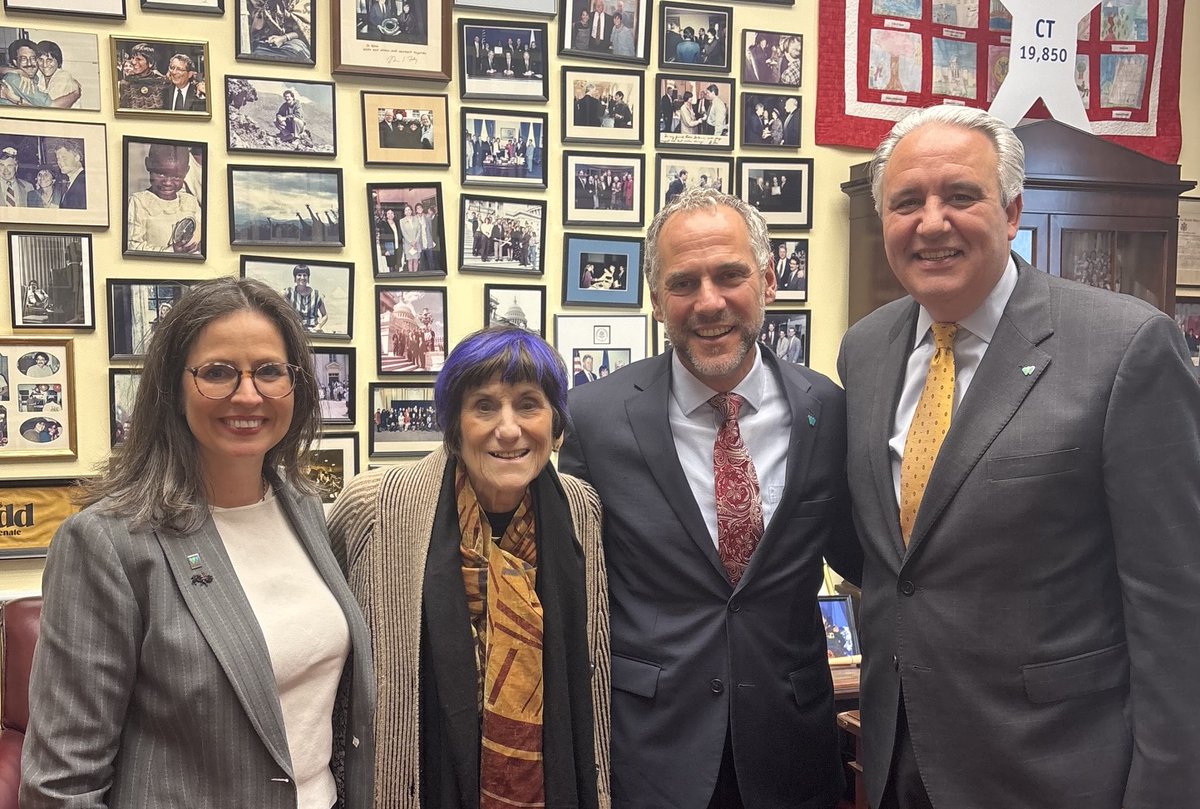
Last week, led by WCS’s Adam Falk and @JohnCalvelli, our team attended meetings on Capitol Hill to discuss everything from the role of WCS’s zoos and aquarium in economic growth in the tri-state area to protected area management around the world.
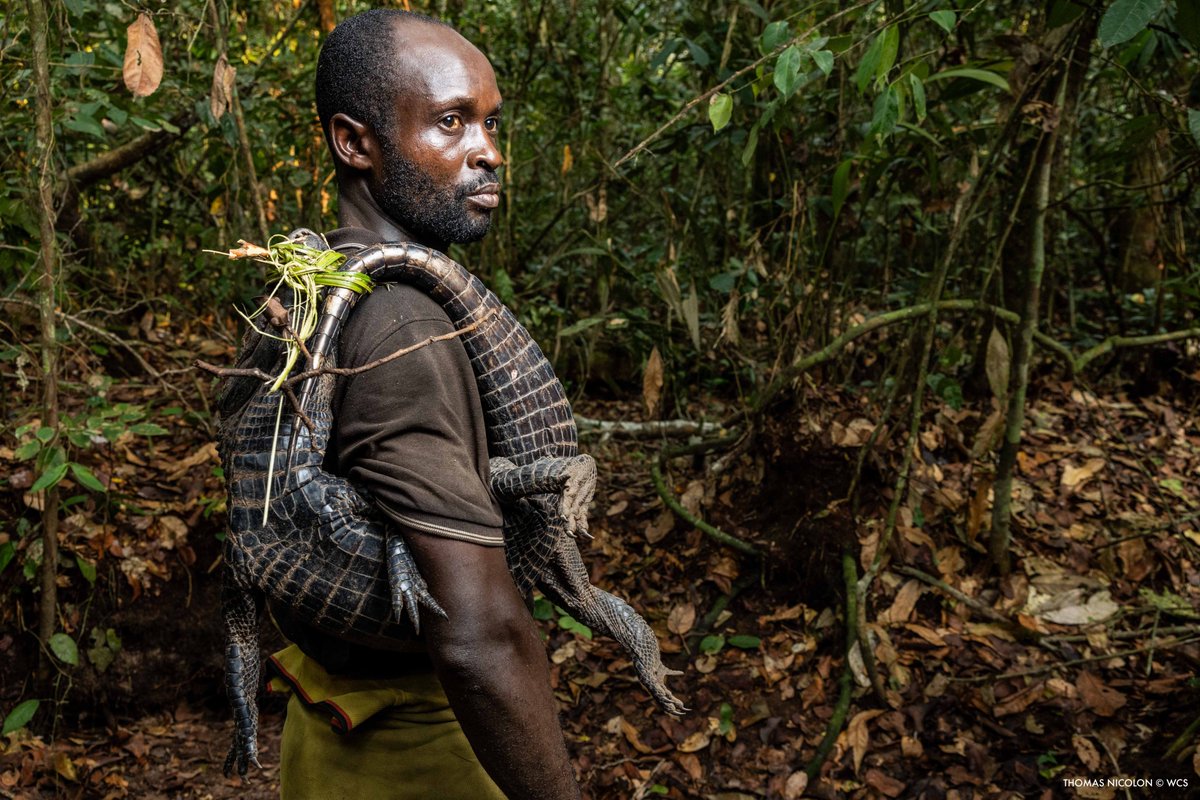
There has been an alarming rise in wild meat consumption in Central Africa, driven by a surge in demand from fast-growing urban areas, a new WCS co-authored study shows.
It threatens both wildlife and the food security of rural communities.
Read more: https://t.co/eUKWj8syv4
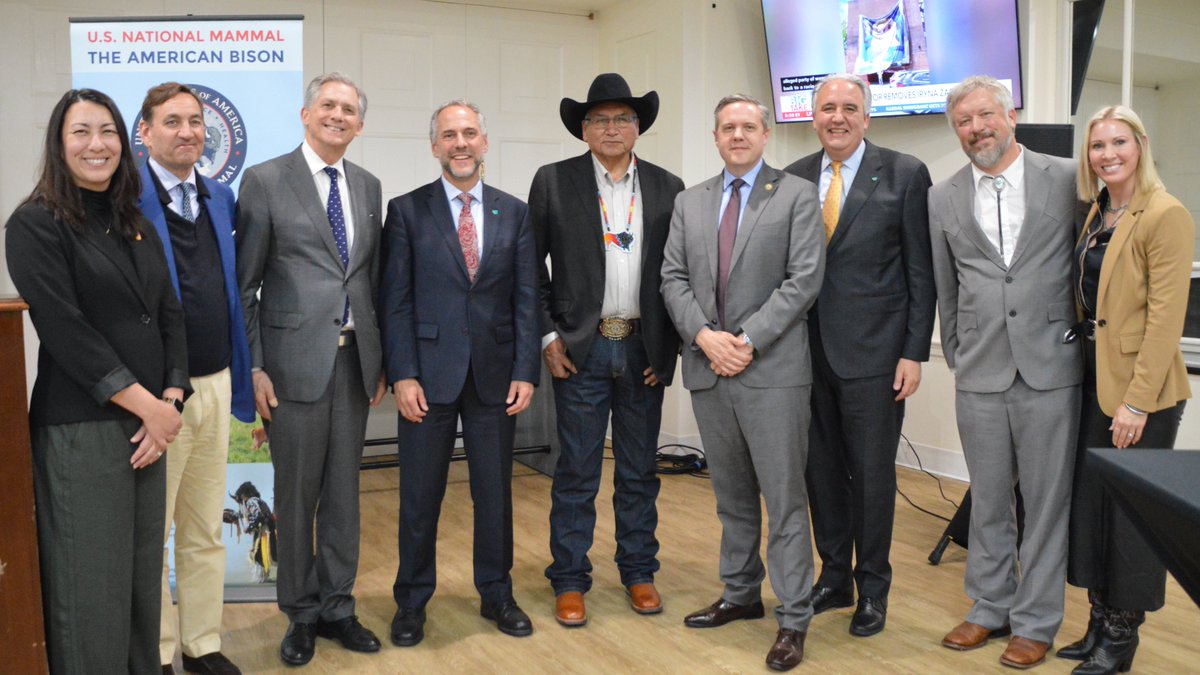
Last night, led by WCS’s Adam Falk and @JohnCalvelli, we marked the 10-year anniversary of the American bison as the U.S.’s National Mammal. Thank you to all of the attendees on Capitol Hill who helped us celebrate this unifying icon.
Congo’s forests are shaped by the presence of elephants—and would be threatened by their absence.
On #EndangeredSpeciesDay, your gift to help them and other wildlife gets multiplied 4X. https://t.co/HenF3gMOfr
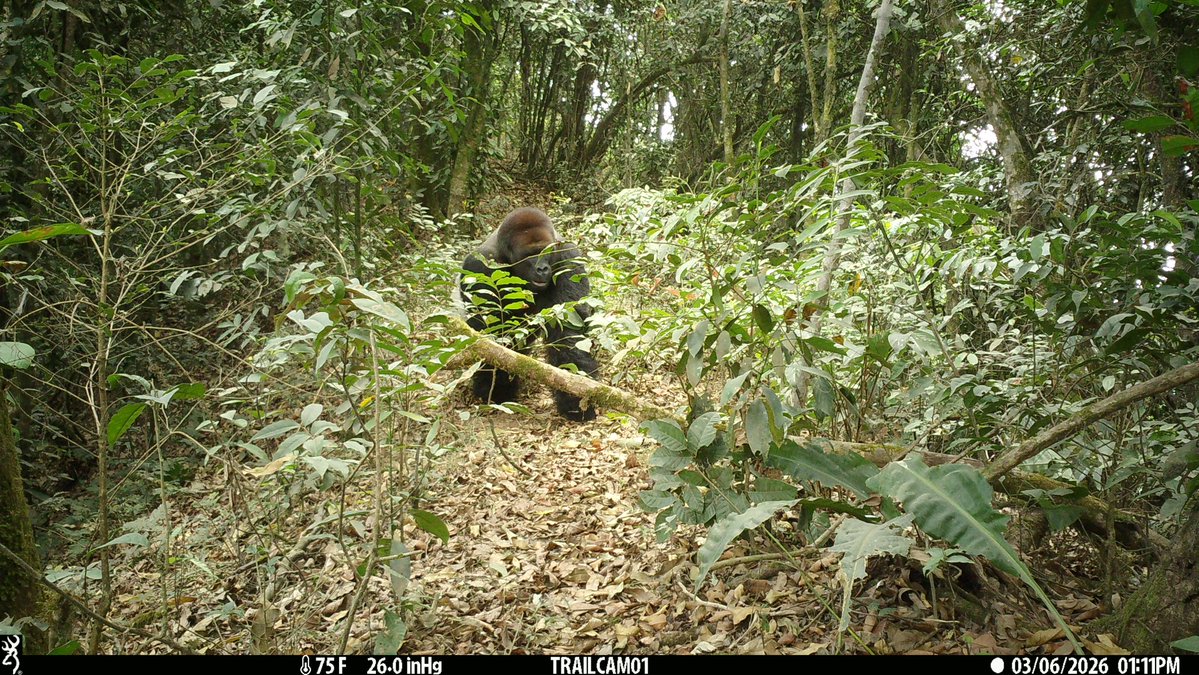
On #EndangeredSpeciesDay, recent camera trap images of a Cross River gorilla in Nigeria where @WCS_Nigeria helps protect them. There is less than 300 of them left. But there is hope due to the dedication of local conservationists and communities committed to their conservation.
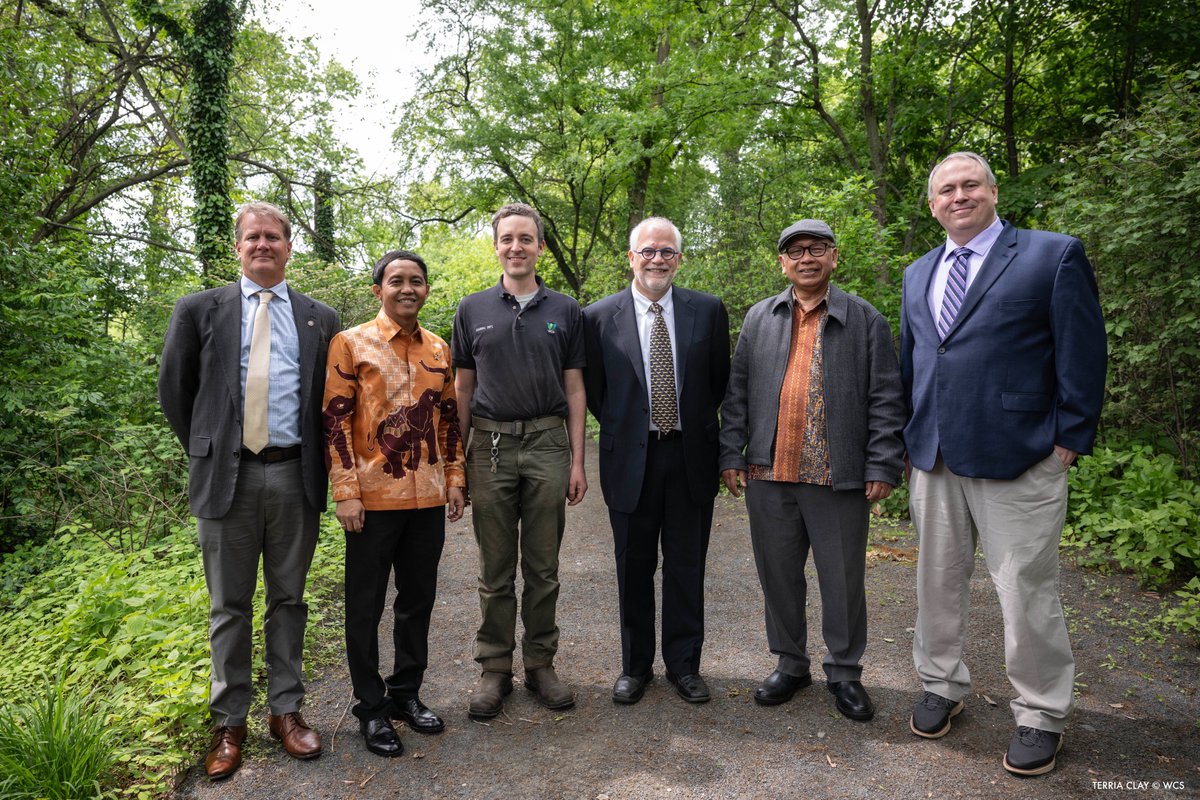
This week, the Republic of Indonesia’s Minister of Forestry @RajaJuliAntoni conducted an official visit to WCS’s @BronxZoo. During the visit, we reaffirmed our long-standing partnership on biodiversity conservation and national park management.
The delegation also toured the zoo and met with zoo executives and keepers to talk about how scientific research, public education, and community engagement can help advance conservation.
Read more: https://t.co/UhzgBJYYwa
New conservation corridors in Ecuador. Progress against the wildlife pet trade. Elephant numbers rebounding in East Africa.
All gains highlighted in our spring impact report.
We couldn’t do it without your support. Read more: https://t.co/kfL134vhpB
LISTEN: 10 years ago, extraordinary partnerships across geography, culture, and politics helped make the American bison the U.S.’s National Mammal.
🔊 https://t.co/Owz6Xd1pEa #WCSWildAudio
I’m happy to share my 1st science review for Foreign Policy magazine—about new biography of George Schaller, the father of conservation biology.
He was the original foreign correspondent of animal kingdoms: observing up-close the lives of varied species.
https://t.co/njZmjw4kSA
A network of Indigenous communities in Congo’s Nouabalé-Ndoki National Park believes that conserving their pristine environment is a safer bet than resource extraction for long-term prosperity, writes @Telegraph.
https://t.co/E9prqGzxcm