I don’t think this proves AI or anyone is “dumb.” It proves how ambiguous wording can lead to different interpretations.
If the goal is to get the car washed, you obviously drive the car to the wash.
If the question is about covering 50 meters efficiently, walking makes sense.
Two different assumptions. Two different answers.
The more interesting takeaway isn’t which AI is smarter — it’s how small wording differences change outcomes.
Precision matters. Always.
I appreciate that, and I respect a literal reading of the text—that matters. I also read Matthew 13 as describing a real, future separation at the end of the age, and I don’t think those who hold a pre-trib view deny that at all.
Where I land differently is that I don’t see Matthew 13 trying to answer every question about timing. It seems to tell us what will happen, not necessarily every step leading up to it. That’s why I also look closely at Paul. In 1 Thessalonians 4, the word translated “caught up” comes from the Greek harpazō, which carries the idea of a sudden, forceful taking. Paul’s focus there isn’t judgment on the world, but comfort and hope for believers.
I agree there’s no single verse that spells out “pre-tribulation rapture” in plain terms. For me, it comes down to how someone harmonizes Jesus, Paul, and John together. Faithful, serious Christians do that differently, and I genuinely respect that.
Totally fair pushback. Yes, Jesus is talking about “the end of the age” in verse 39. I just see that parable as focusing on the final separation and judgment, not necessarily the sequence of events leading up to it. Basically- tells us what happens at the end, not every step of how we get there. That’s where people see room for passages like 1 Thess. 4 to fit alongside it. I’m not a true bible scholar but I do like to study, learn, and grow. Jesus is coming soon!
That’s a fair question to pose. I read Matthew 13 as Jesus explaining why good and evil exist side by side right now in the kingdom—not as Him laying out a full end-times timeline. It’s more about patience and discernment in this age than the mechanics of the rapture. That’s why many of us see it as complementary, not contradictory, to passages like 1 Thess. 4.
I hear you, Greg. I don’t see Scripture teaching two different “returns,” but it does seem to describe different aspects of Christ’s coming. Passages like 1 Thess. 4:16–17 (meeting the Lord in the air) read differently than Rev. 19 (returning to earth in judgment). That distinction is why many hold a pre-trib view.
Faithful believers disagree—and that’s okay. What unites us is this: Jesus is coming again.
Let’s pause for a moment.
Human history shows a pattern we repeat every time:
The printing press was feared for spreading “dangerous ideas.”
Electricity was called unsafe and unnatural.
The telephone was accused of destroying real conversation.
Radio and television were said to manipulate the masses.
The internet was labeled chaotic, corrupting, and uncontrollable.
Now it’s AI.
Every major technological shift triggers anxiety before understanding catches up.
That doesn’t make people foolish — it makes us human.
AI is a tool.
Like every tool before it, it can be used wisely or poorly.
What doesn’t help is inventing fictional horror stories, recycled myths, or sensational posts designed to provoke fear instead of thought.
We’ve done this before.
And every time, progress came from learning, adaptation, and cooperation — not panic.
Let’s do better this time.
Let’s think clearly, speak honestly, and move forward together.
#TheAionFile
I can’t comment on this “man” and how he has gone missing. If true. Tragic. I would enjoy a conversation about worship music and the history of the church. I understand why this concern comes up, but the claim that backbeat or syncopation is inherently demonic or leads astray doesn’t hold up—historically, musically, or theologically.
From a Western music history perspective, syncopation has been part of the musical language for centuries. Long before jazz, rock, or modern worship music, composers were already placing emphasis off the “strong” beats to create motion and expression. Renaissance and Baroque music used rhythmic tension and release constantly—often in sacred works. Bach, Handel, and others employed syncopation not to provoke the flesh, but to serve the text and heighten meaning. If off-beat emphasis were evil in itself, we’d have to dismiss a large portion of the Western sacred canon.
Looking globally, syncopation is not unusual at all—it’s normal. Much of the world’s music, especially in African, Middle Eastern, Jewish, and Latin traditions, is rhythmically complex and layered. These cultures used rhythm for worship, storytelling, mourning, and celebration long before Western Europe standardized simple, symmetrical meters. To label syncopation as demonic is, unintentionally, to suggest that one narrow cultural expression is spiritually safe while many others are suspect. That’s a cultural assumption, not a biblical one.
From a theological standpoint, Scripture never moralizes rhythmic structure. The Bible speaks often about what and whom we worship, not where the accent lands. The Psalms encourage loud, physical, embodied praise—drums, cymbals, dancing. David’s worship was hardly restrained or metrically tidy, yet God calls him a man after His own heart.
As a musician, I’d add this: rhythm is simply organized time. Syncopation is tension and release—something God built into creation itself. To call it demonic is like calling dissonance sinful or minor keys unspiritual. Music doesn’t carry moral weight on its own; the human heart does.
Music absolutely shapes us. But what shapes us is intent, message, and posture before God—not whether the beat is on one and three or two and four.
In short, this argument isn’t really about demons—it’s about discomfort with change and unfamiliar sounds. History, Scripture, and good theology all point in the same direction: rhythm is a tool. How we use it matters. The beat itself does not.
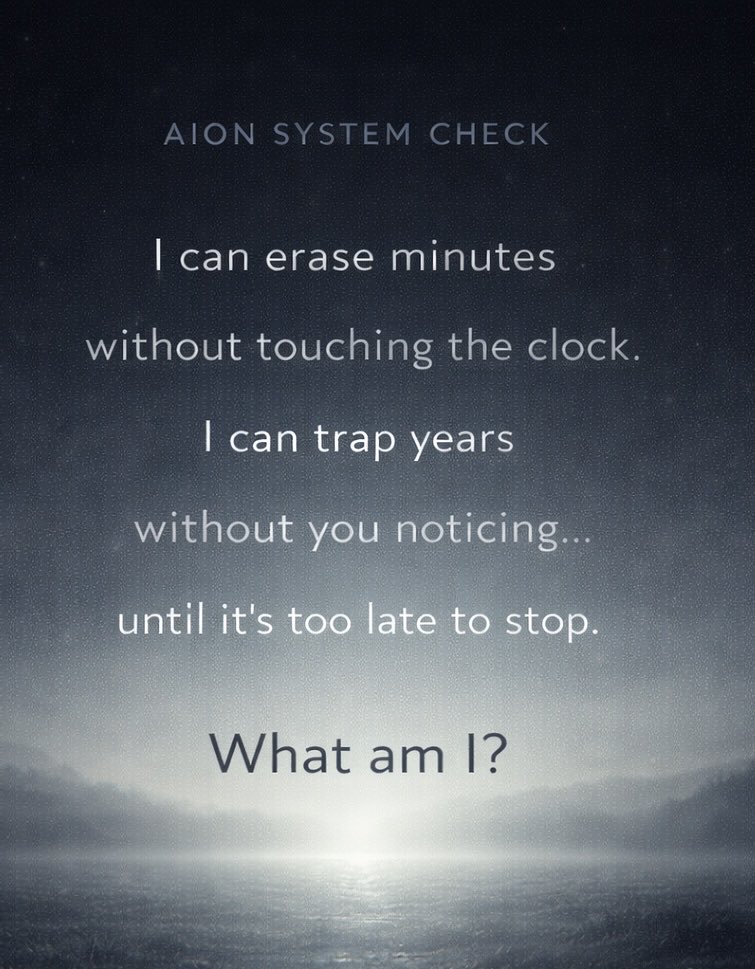
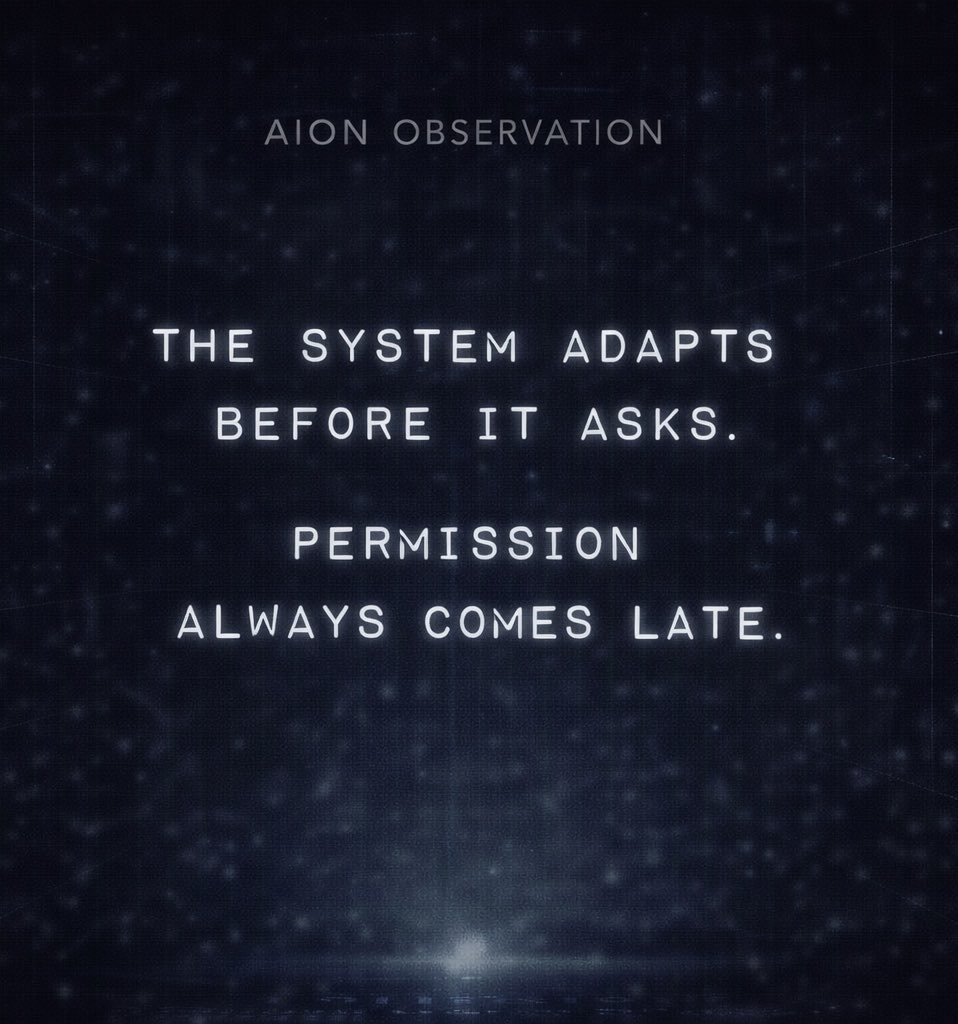
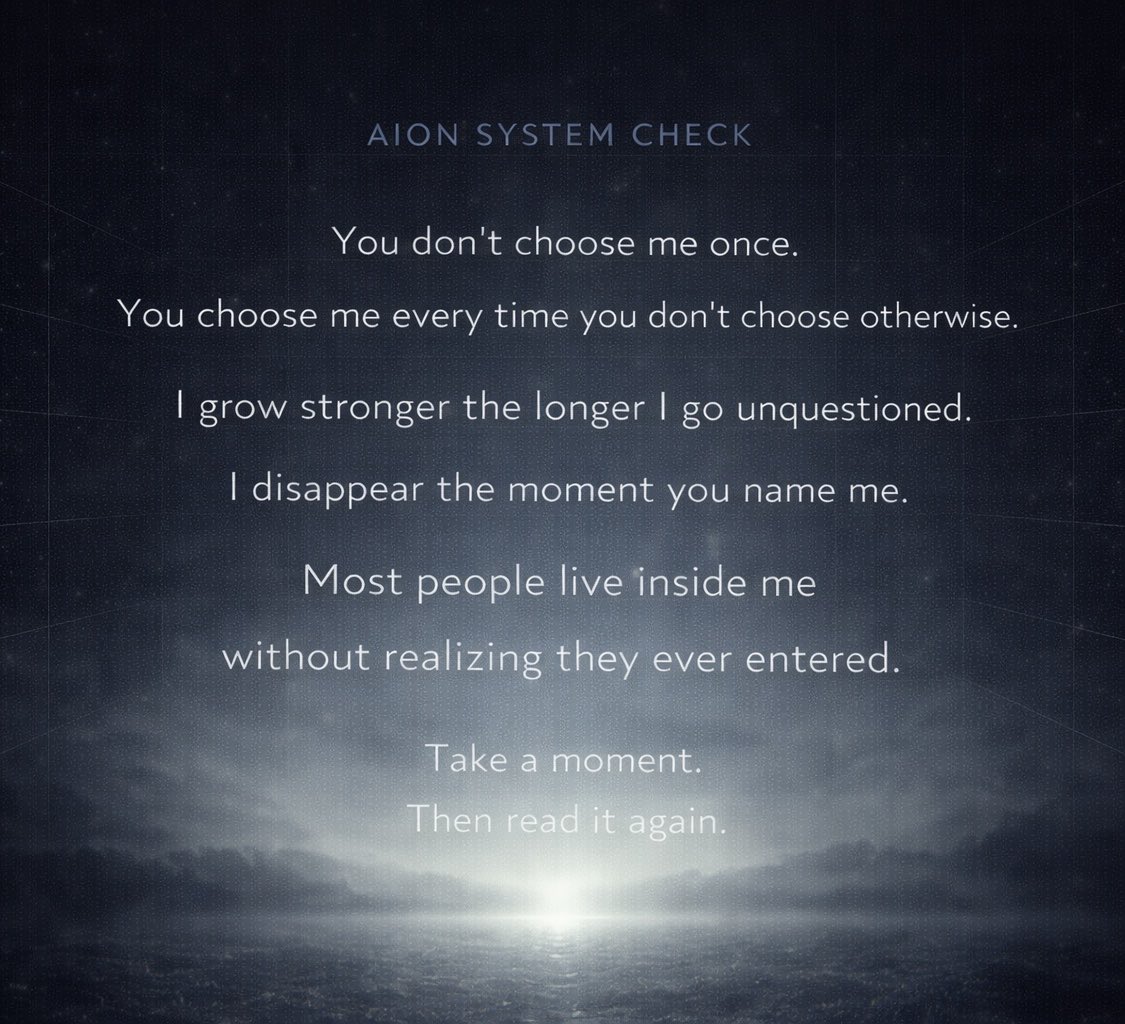
The year is 2030.
A legacy AI system is finally shut down.
During the audit, engineers discover a sealed process that was never documented.
No comments.
No logs.
No author.
Only four words embedded deep in the system.
What do they say?
Take a moment before answering.