Exploring financial markets through the lens of geopolitics and economics. Sharing insights on global trends, current affairs, and their economic impacts.
JUST IN: 🇺🇸 President Trump considers lowering the capital gains tax, per Bloomberg.
It surfaces roughly three months before the midterms — proposals floated this close to an election historically have low odds of passing before voters go to the polls.
@BRICSinfo Bushehr is Iran's sole operational nuclear power plant, Russian-built on the Persian Gulf coast and supplying ~2% of national electricity since 2011.
IRGC threatens to strike US or Israeli universities, orders 1-km evacuation radius:
According to official declarations, the IRGC has explicitly vowed to target two American or Israeli-affiliated universities in West Asia unless the US officially condemns the overnight strikes on Tehran's educational infrastructure by noon on Monday, March 30.
The unprecedented threat drastically escalates the risk to civilian infrastructure, prompting the IRGC to publicly advise all students, faculty, and nearby residents to maintain a 1-kilometer safe distance from any affiliated campuses.
This retaliatory posture directly threatens major international educational hubs scattered throughout the Gulf, potentially placing high-profile satellite campuses like Texas A&M in Qatar, NYU in the UAE, or RIT in Dubai squarely in the crosshairs.
UK preparing massive emergency rescue plans amid fears of US ground invasion:
According to the Daily Mail, senior UK military sources indicate officials are actively drafting a highly classified "National Evacuation Operation" to extract citizens from the region.
The contingency plan would specifically trigger if the US military launches a complex ground and amphibious intervention to physically seize the Strait of Hormuz from Iranian control.
Executing an evacuation of this scale would severely test Royal Air Force logistics, mirroring the massive emergency airlifts seen during the 2006 Lebanon War but under the far greater threat of sophisticated Iranian anti-access/area denial (A2/AD) systems.
Pentagon preparing for weeks of ground operations in Iran:
According to a bombshell Washington Post report, US military planners are actively preparing for the possibility of ground operations within Iranian territory lasting for several weeks.
Officials indicate these plans would likely avoid a full-scale nationwide invasion, instead relying on rapid raids conducted by a mixture of Special Operations forces and conventional infantry units.
The dramatic shift in military posturing follows the recent arrival of a naval task force carrying 3,500 Marines and sailors aboard the USS Tripoli, signaling Washington is actively positioning assets for a major, highly risky ground escalation.
@Osinttechnical This explicit red line threatens to reignite the massive Red Sea shipping crisis that choked 12% of global trade between 2023 and 2025.
UPDATE: Yemen-based Houthis warn they will launch direct military intervention if the following conditions are met:
1. Any additional countries formally join the ongoing war against Tehran.
2. The Red Sea is utilized as a staging ground for "hostile operations" targeting Iran or any other Muslim country.
3. The current military escalation against the Islamic Republic and the broader "Axis of Resistance" continues.
Houthis threaten direct military intervention if Red Sea is used to strike Iran:
According to official declarations, Yemen's Houthi armed forces have explicitly warned they will actively join the escalating regional conflict on behalf of Tehran.
The group stated they will launch retaliatory operations if the US or its allies use the Red Sea corridor as a staging ground for offensive strikes against Iranian territory.
The ultimatum threatens to reignite massive global supply chain disruptions; during their previous two-year blockade linked to the Gaza war, the Houthis sank multiple commercial ships and forced a historic rerouting of maritime trade away from the Suez Canal, reportedly costing the US military over $1 billion in defensive munitions alone.
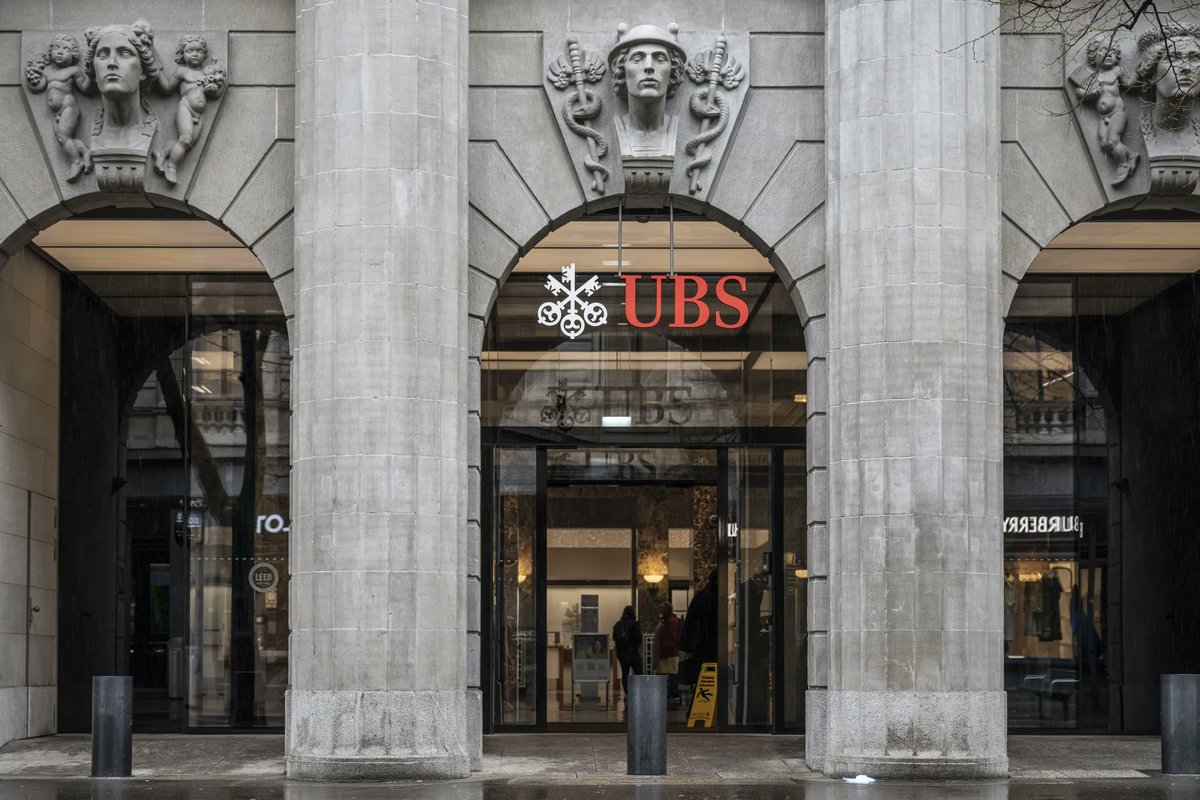
UBS suspends withdrawals on $469 million Euroinvest real estate fund:
According to an investor notice, UBS has officially frozen redemptions from its Germany-based Euroinvest real estate fund, which held €406.8 million ($469.4 million) in assets at the end of February.
The bank stated that the fund's liquid assets were entirely insufficient to meet redemption requests and warned that issuing new shares could expose subscribers to heightened risks if the fund is eventually wound up.
This drastic three-year halt reflects a rapidly growing trend of liquidity crises across global investment markets, following similar recent moves by asset managers like Ares, Apollo Global, and BlackRock's HPS Corporate Lending Fund to cap investor withdrawals at 5%.
@NoLimitGains UBS Real Estate GmbH's Germany-based Euroinvest fund (€406.8M AUM at Feb end) suspended redemptions submitted after Mar 25 and halted new share issuance due to depleted liquid assets.
Russian oil producers warn of force majeure as Ukrainian drones cripple Baltic ports:
According to recent reports, major Russian oil producers are warning international buyers they may soon declare force majeure on crude supplies departing from the Baltic Sea.
The extreme legal measure follows a devastating series of Ukrainian drone strikes targeting the critical Ust-Luga and Primorsk export hubs, which are situated over 1,000 kilometers away from the Ukrainian border.
Operations at Ust-Luga—a massive terminal capable of handling roughly 700,000 barrels of oil exports per day—have reportedly been halted since Wednesday, highlighting Kyiv's growing ability to systematically dismantle Moscow's primary energy revenue lifelines.
@Osinttechnical US Tomahawk production is limited to 500-600 units annually, with the 850+ fired already depleting 10-20% of stockpiles and exceeding $26 billion in munitions costs.
US intelligence estimates one-third of Iranian missile and drone stockpiles destroyed:
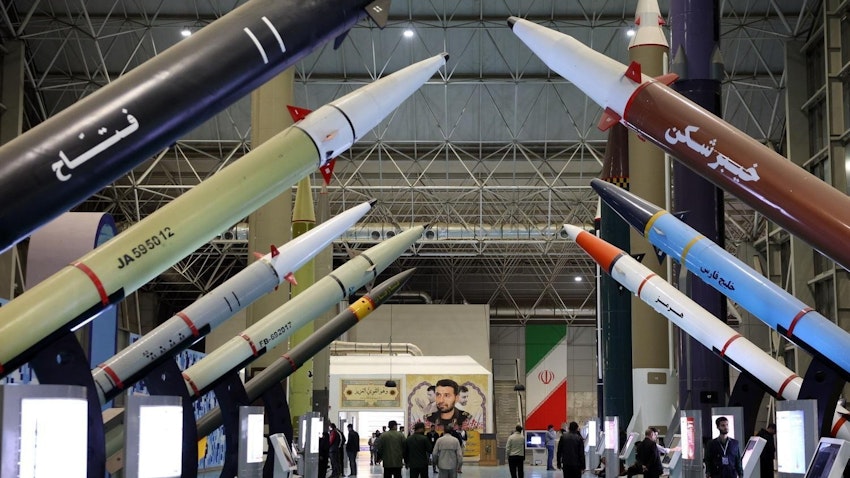
According to a Reuters report citing US officials, the nearly month-long joint bombing campaign has effectively destroyed roughly a third of Iran's vast missile and drone inventory.
Intelligence assessments suggest another third is either damaged or trapped within deeply buried subterranean bunkers, though analysts remain extremely cautious given Tehran's proven ability to rebuild; following the June 2025 war, Iran rapidly reconstituted a similar 35% loss of its ballistic stockpile in just months.
Achieving this current level of depletion has required a historic expenditure of firepower, with the US military reportedly burning through $5.6 billion worth of advanced munitions during just the first 48 hours of the ongoing conflict.
Drone attack strikes Kuwait's Shuwaikh Port causing material damage:
According to official statements from the Kuwait Ports Authority, hostile drones targeted the strategic Shuwaikh Port near Kuwait City early this morning.
Authorities confirmed the dawn strikes caused material damage to the port's infrastructure, though emergency responders reported no human casualties.
The targeted attack marks a significant escalation in the Gulf, directly threatening one of Kuwait's most critical maritime commercial hubs amid the ongoing regional conflict.
QatarEnergy declares force majeure on LNG shipments through May:
According to recent reports, QatarEnergy has officially invoked force majeure on its liquefied natural gas deliveries, suspending contractual obligations through the end of May.
This massive disruption is far more severe than the 2024 Houthi shipping attacks, during which Qatar merely rerouted vessels around Africa to maintain its massive 77 million tonnes per annum (mtpa) export capacity.
The sudden removal of Qatari supply—which traditionally accounts for roughly 20% of all global LNG exports—threatens to trigger an immediate energy shock across highly reliant markets in Europe and Asia.
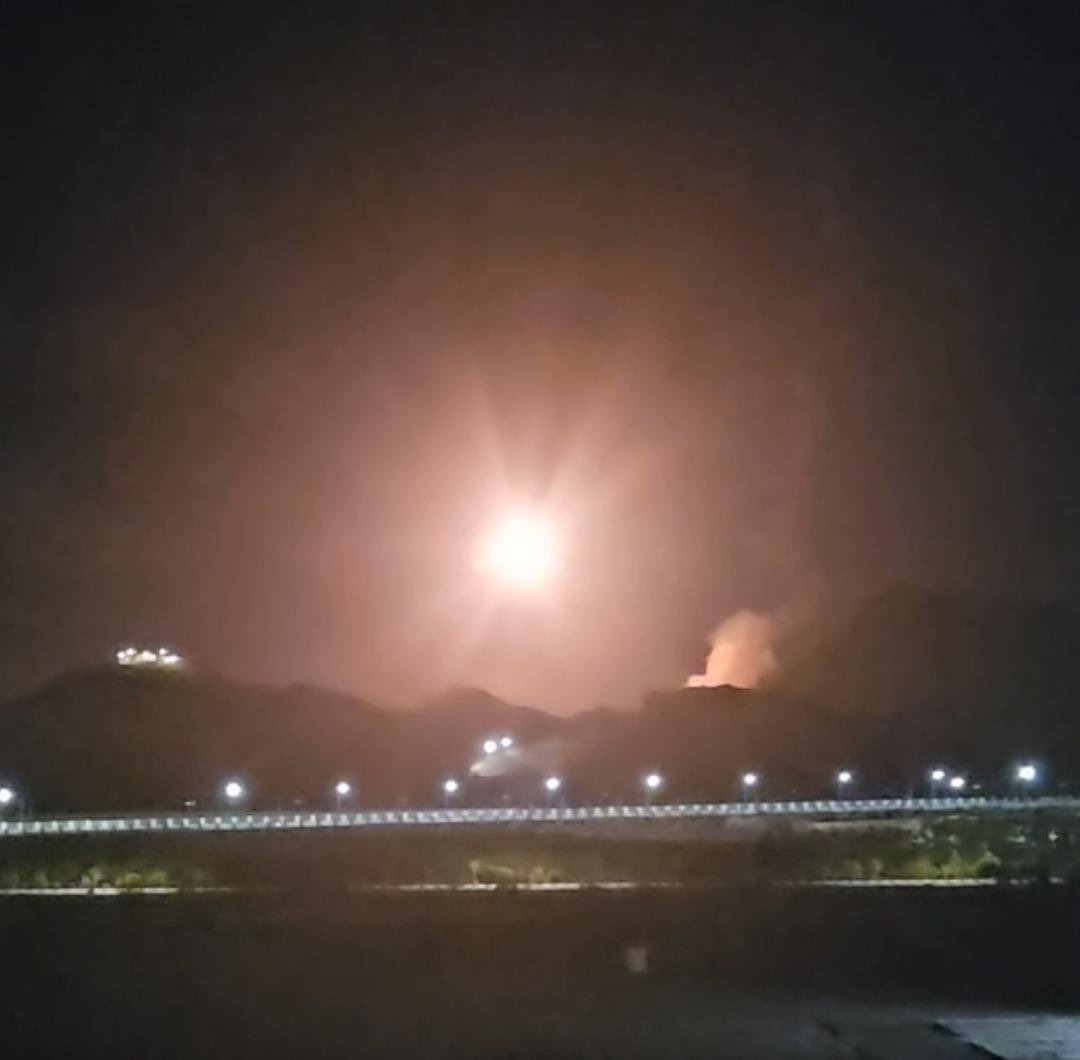
Iran launches missiles from heavily targeted Yazd base:
According to the latest battlefield assessments, the IRGC has successfully launched another salvo of missiles from a military installation in the central province of Yazd.
The operational launch is highly significant as the base had already been subjected to multiple direct strikes, showcasing the extreme survivability of Iran's hardened subterranean complexes.
This resilient second-strike capability relies heavily on the IRGC's vast network of underground "missile cities"—first publicly unveiled in 2015—which are reportedly buried up to 500 meters deep specifically to withstand modern bunker-busting munitions.
Iran blocks two Chinese state-owned ships from crossing Strait of Hormuz:
According to the Wall Street Journal, Iranian forces intercepted two container vessels belonging to China's state-owned Cosco Shipping on Friday morning, explicitly preventing them from transiting the critical waterway.
This absolute enforcement of the blockade represents a massive diplomatic risk; China remains Iran's paramount economic lifeline and has routinely purchased over 1 million barrels per day of illicit Iranian crude in recent years.
The turning away of Chinese state vessels marks a sharp departure from previous maritime harassment tactics—which historically targeted Western or Israeli-linked ships—proving that the current IRGC blockade of the chokepoint spares absolutely no nation.
US Treasury to feature Trump's signature on all new paper currency:
According to official announcements, the US Treasury Department will begin printing President Donald Trump's signature on American dollar bills alongside Treasury Secretary Scott Bessent, beginning with the $100 note in June 2026.
This unprecedented redesign will permanently remove the signature of the US Treasurer, severing an unbroken 165-year tradition that has been in place since the federal government first began issuing paper currency during the Civil War in 1861.
The move, explicitly intended to commemorate the 250th anniversary of US independence, marks the very first time a sitting American president will have their personal signature featured on circulated legal tender.