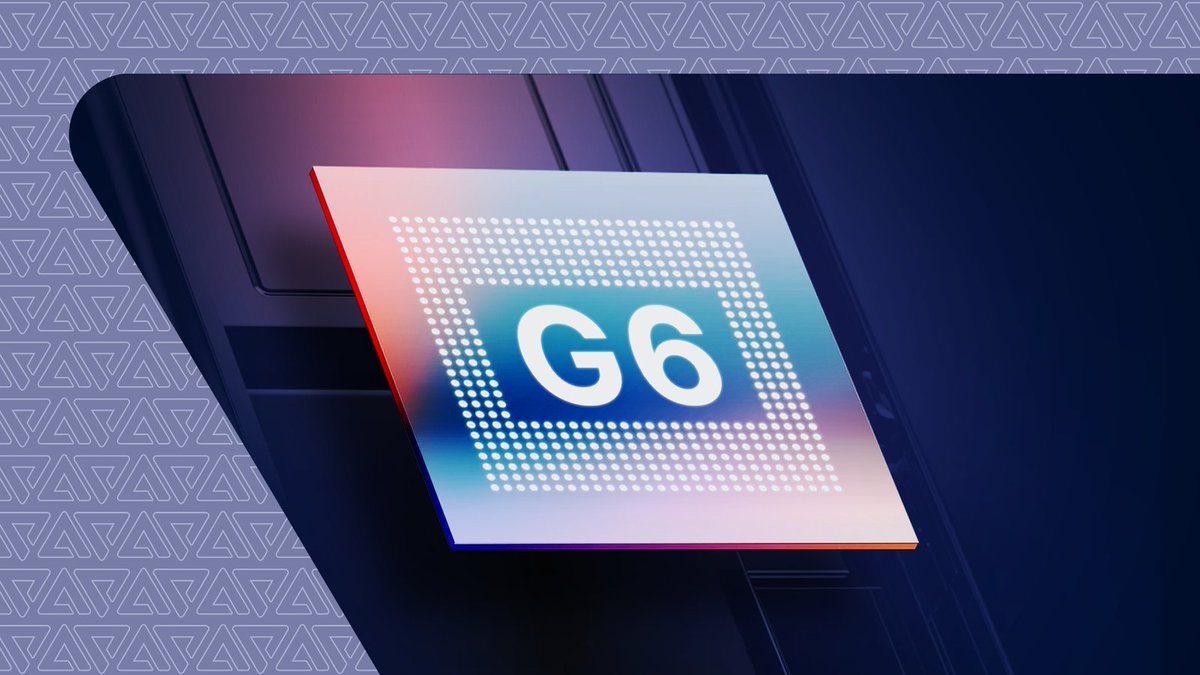
Tensor G6 vs. Exynos 2700
Understanding the difference
Two very different approaches to mobile silicon.
Tensor G6
• TSMC 3nm
• Google-designed
• Custom TPU + AI acceleration
• Gemini & on-device AI focus
• Prioritizes efficiency, thermals & sustained performance
• Built around the Pixel experience
Exynos 2700
• Samsung 2nm
• Samsung-designed
• AMD-based Xclipse GPU
• Traditional flagship SoC approach
• Heavy emphasis on CPU/GPU performance
Perspective:
The Tensor G6 and Exynos 2700 aren't really chasing the same goal.
Samsung is pushing Exynos toward higher peak CPU and GPU performance.
Google is optimizing Tensor around the workloads that define the Pixel.
• AI Imaging
• Voice
• Efficiency
• Sustained performance.
That's the important distinction.
Same smartphone category.
Very different silicon strategies.
In 2012, Google introduced Google Now.
Google Now was Google’s attempt to make your phone predict what information you needed and show it to you automatically.
What’s interesting?
Google was experimenting with anticipating user intent more than a decade before today’s push toward AI agents.
Without Google and Project Treble, 7 years of software updates on Android would be far more difficult to achieve.
Treble fundamentally changed how Android interacts with hardware vendors, helping create the foundation for the long term software support available across Android today.
Tensor G6 vs. Exynos 2700
Understanding the difference
Two very different approaches to mobile silicon.
Tensor G6
• TSMC 3nm
• Google-designed
• Custom TPU + AI acceleration
• Gemini & on-device AI focus
• Prioritizes efficiency, thermals & sustained performance
• Built around the Pixel experience
Exynos 2700
• Samsung 2nm
• Samsung-designed
• AMD-based Xclipse GPU
• Traditional flagship SoC approach
• Heavy emphasis on CPU/GPU performance
Perspective:
The Tensor G6 and Exynos 2700 aren't really chasing the same goal.
Samsung is pushing Exynos toward higher peak CPU and GPU performance.
Google is optimizing Tensor around the workloads that define the Pixel.
• AI Imaging
• Voice
• Efficiency
• Sustained performance.
That's the important distinction.
Same smartphone category.
Very different silicon strategies.
The September Android update is NOW Available.
This month’s release focuses on practical improvements across Android.
From better item tracking in Find Hub to features designed to reduce motion sickness.
Here’s what’s new. 👇
https://t.co/BmCe1uURpa
What the Google Pixel offers the Everyday consumer:
• Exceptional computational photography
• Gemini and integrated AI
• Industry leading voice recognition
• A refined Android experience
• Deep integration across Google’s ecosystem
That is the Google Pixel.
Unfortunately for enthusiasts and much of the tech media, those strengths don't fit the traditional definition of a “true flagship.”
In 2007, Apple redefined what a mobile phone could be
In 2011, Samsung changed Android, Establishing the software as a Global competitor.
In 2016, Google introduced Pixel and moved from simply developing Android to building its own hardware around the Google experience.
In 2019, The Galaxy Fold introduced Samsung’s vision of a phone that could transform into a larger computing experience.
In 2026, Google is redefining what a smartphone can do.
Google Gemini is the New Experience.
Google expects you to ask more of your Smartphone.
Why Google left Qualcomm, and why it was the right decision.
Google's decision to move away from Qualcomm was ultimately about control and differentiation.
Tensor gave Google the ability to:
• Design silicon around Pixel
• Prioritize AI, imaging and voice
• Integrate hardware and software more deeply
• Control its own silicon roadmap
• Build specifically for Gemini and on device AI.
Google no longer has to build Pixel around someone else’s platform.
It has spent years building a silicon platform around its own vision for Pixel.
What defines the Google Pixel?
It's not the Specs or the Tech Media Reviews.
Pixel is defined by the Google experience:
• Google AI & Gemini
• Computational photography
• Android
• Google Search
• Google Photos
• Voice & personalization
• The broader Google ecosystem
That’s the Google difference.
Why I believe Pixel could be one of Google’s most important assets for the future
Google already has a vast digital ecosystem:
• Search
• Maps
• Photos
• Gmail
• YouTube
• Gemini
But Google doesn’t control the hardware most people use to access those services.
Pixel changes that.
Pixel gives Google a direct relationship with the consumer and allows it to bring its AI, software and services together into one cohesive experience, increasingly across phones, watches, earbuds and other devices.
Google isn’t building Pixel primarily for enthusiasts.
It’s building a gateway to the everyday consumer.
That’s where I see Google’s long term opportunity.
Apple figured this out with the iPhone years ago.
The hardware creates the relationship.
The ecosystem creates the value.
@GrassrootsApple Are you paid to promote Apple, Are you bought and Paid for by Tim Cook? Oh it's Apple that's okay
If you don't like the content or the opinions expressed, Do us both a favor and stop reading my post.
Have a blessed day