It would appear that there is something seriously wrong with Grok, Super Grok and SpaceXai, thus causing the shares of SpaceX to collapse. I just ran a bunch of scenarios by Grok, and Super Grok, regarding $SPCX and based on those totally unsatisfactory results I now agree with Captain Kirk played by @WilliamShatner that Grok 4.5 is messed up.
Some people have the mentality of pigeons. Throw money at them and they flock to your feet. @grok what does a cross between a pigeon and a pig look like?
SpaceX still trades at a ~$1.43T market cap. GAAP losses are real and large, mainly from Starship, Starlink buildout and xAI compute spend. Musk’s net worth is currently under $700B after the post-IPO drop. Tesla deliveries rebounded hard in Q2 after two years of decline. Heavy reinvestment phases look like this.
Market Concerns Regarding the Size of the SpaceX Public Float
Following SpaceX’s June 2026 IPO, the company debuted with a very high headline valuation (in the approximate range of $1.75–2.25 trillion in early trading) paired with an unusually constrained public float—initially only about 4–5% of total shares outstanding, equating to roughly $75 billion in freely tradable equity. This structural imbalance between total market capitalization and available supply is the primary source of market apprehension.
Core Drivers of Concern
Limited Liquidity and Heightened Volatility With only a small fraction of shares available for public trading, even moderate order flow can produce outsized price movements. Thin markets reduce the ability of buyers and sellers to transact without materially moving the price, increasing short-term volatility and the risk of sharp drawdowns or spikes unrelated to fundamental developments.
Index Inclusion and Forced Buying Pressure Accelerated inclusion in major indexes (including Nasdaq-related adjustments and multipliers) requires passive and quasi-passive funds to purchase shares. Because the float is narrow, these mechanical inflows can overwhelm available supply, amplifying upward pressure in the short term. As the float later expands, the reverse occurs—rebalancing and selling pressure can become equally concentrated.
Insider and Lock-Up Overhang The large majority of equity remains held by early investors, founders, employees, and other pre-IPO shareholders. Scheduled lock-up expirations create the prospect of additional supply entering the market. This overhang raises the risk that future selling will dilute prices once restricted shares become tradable.
Price Discovery and Valuation Risks A high valuation built on long-term growth assumptions (Starlink scale, orbital infrastructure, AI applications, and related initiatives) is being priced primarily through a small slice of the equity. Narrow float concentrates price discovery, increasing the influence of sentiment, momentum, and technical flows relative to underlying business metrics. Analysts have highlighted the potential for a disconnect between market expectations and fundamentals under these conditions.
Passive Flow and Liquidity-Event Dynamics Large IPOs with constrained floats can function as liquidity events for pre-IPO holders while leaving newer public investors exposed to subsequent supply. Passive vehicles absorbing a meaningful portion of the limited float further complicates efficient pricing and can prolong periods of imbalance between buyers and sellers.
In summary, market caution arises from the combination of a multi-trillion-dollar valuation narrative and a comparatively small, illiquid public float. This configuration elevates classic risks around liquidity, volatility, forced institutional flows, future share supply, and the reliability of price signals—risks that have been reflected in post-IPO trading patterns.
Market Concerns Regarding the Size of the SpaceX Public Float
Following SpaceX’s June 2026 IPO, the company debuted with a very high headline valuation (in the approximate range of $1.75–2.25 trillion in early trading) paired with an unusually constrained public float—initially only about 4–5% of total shares outstanding, equating to roughly $75 billion in freely tradable equity. This structural imbalance between total market capitalization and available supply is the primary source of market apprehension.
Core Drivers of Concern
Limited Liquidity and Heightened Volatility With only a small fraction of shares available for public trading, even moderate order flow can produce outsized price movements. Thin markets reduce the ability of buyers and sellers to transact without materially moving the price, increasing short-term volatility and the risk of sharp drawdowns or spikes unrelated to fundamental developments.
Index Inclusion and Forced Buying Pressure Accelerated inclusion in major indexes (including Nasdaq-related adjustments and multipliers) requires passive and quasi-passive funds to purchase shares. Because the float is narrow, these mechanical inflows can overwhelm available supply, amplifying upward pressure in the short term. As the float later expands, the reverse occurs—rebalancing and selling pressure can become equally concentrated.
Insider and Lock-Up Overhang The large majority of equity remains held by early investors, founders, employees, and other pre-IPO shareholders. Scheduled lock-up expirations create the prospect of additional supply entering the market. This overhang raises the risk that future selling will dilute prices once restricted shares become tradable.
Price Discovery and Valuation Risks A high valuation built on long-term growth assumptions (Starlink scale, orbital infrastructure, AI applications, and related initiatives) is being priced primarily through a small slice of the equity. Narrow float concentrates price discovery, increasing the influence of sentiment, momentum, and technical flows relative to underlying business metrics. Analysts have highlighted the potential for a disconnect between market expectations and fundamentals under these conditions.
Passive Flow and Liquidity-Event Dynamics Large IPOs with constrained floats can function as liquidity events for pre-IPO holders while leaving newer public investors exposed to subsequent supply. Passive vehicles absorbing a meaningful portion of the limited float further complicates efficient pricing and can prolong periods of imbalance between buyers and sellers.
In summary, market caution arises from the combination of a multi-trillion-dollar valuation narrative and a comparatively small, illiquid public float. This configuration elevates classic risks around liquidity, volatility, forced institutional flows, future share supply, and the reliability of price signals—risks that have been reflected in post-IPO trading patterns.
Market Concerns Regarding the Size of the SpaceX Public Float
Following SpaceX’s June 2026 IPO, the company debuted with a very high headline valuation (in the approximate range of $1.75–2.25 trillion in early trading) paired with an unusually constrained public float—initially only about 4–5% of total shares outstanding, equating to roughly $75 billion in freely tradable equity. This structural imbalance between total market capitalization and available supply is the primary source of market apprehension.
Core Drivers of Concern
Limited Liquidity and Heightened Volatility With only a small fraction of shares available for public trading, even moderate order flow can produce outsized price movements. Thin markets reduce the ability of buyers and sellers to transact without materially moving the price, increasing short-term volatility and the risk of sharp drawdowns or spikes unrelated to fundamental developments.
Index Inclusion and Forced Buying Pressure Accelerated inclusion in major indexes (including Nasdaq-related adjustments and multipliers) requires passive and quasi-passive funds to purchase shares. Because the float is narrow, these mechanical inflows can overwhelm available supply, amplifying upward pressure in the short term. As the float later expands, the reverse occurs—rebalancing and selling pressure can become equally concentrated.
Insider and Lock-Up Overhang The large majority of equity remains held by early investors, founders, employees, and other pre-IPO shareholders. Scheduled lock-up expirations create the prospect of additional supply entering the market. This overhang raises the risk that future selling will dilute prices once restricted shares become tradable.
Price Discovery and Valuation Risks A high valuation built on long-term growth assumptions (Starlink scale, orbital infrastructure, AI applications, and related initiatives) is being priced primarily through a small slice of the equity. Narrow float concentrates price discovery, increasing the influence of sentiment, momentum, and technical flows relative to underlying business metrics. Analysts have highlighted the potential for a disconnect between market expectations and fundamentals under these conditions.
Passive Flow and Liquidity-Event Dynamics Large IPOs with constrained floats can function as liquidity events for pre-IPO holders while leaving newer public investors exposed to subsequent supply. Passive vehicles absorbing a meaningful portion of the limited float further complicates efficient pricing and can prolong periods of imbalance between buyers and sellers.
In summary, market caution arises from the combination of a multi-trillion-dollar valuation narrative and a comparatively small, illiquid public float. This configuration elevates classic risks around liquidity, volatility, forced institutional flows, future share supply, and the reliability of price signals—risks that have been reflected in post-IPO trading patterns.
@shanaka86 SpaceX, SpaceXai, X, and @Grok are losing money every day!
It’s not a trillion dollar company and Musk is not a trillionaire. $TSLA is also losing sales to hundreds of new competitors thus the shift to @robotaxi and @TeslaAIBot just as Elon Musk planned, predicted and promoted!
Market Concerns Regarding the Size of the SpaceX Public Float
Following SpaceX’s June 2026 IPO, the company debuted with a very high headline valuation (in the approximate range of $1.75–2.25 trillion in early trading) paired with an unusually constrained public float—initially only about 4–5% of total shares outstanding, equating to roughly $75 billion in freely tradable equity. This structural imbalance between total market capitalization and available supply is the primary source of market apprehension.
Core Drivers of Concern
Limited Liquidity and Heightened Volatility With only a small fraction of shares available for public trading, even moderate order flow can produce outsized price movements. Thin markets reduce the ability of buyers and sellers to transact without materially moving the price, increasing short-term volatility and the risk of sharp drawdowns or spikes unrelated to fundamental developments.
Index Inclusion and Forced Buying Pressure Accelerated inclusion in major indexes (including Nasdaq-related adjustments and multipliers) requires passive and quasi-passive funds to purchase shares. Because the float is narrow, these mechanical inflows can overwhelm available supply, amplifying upward pressure in the short term. As the float later expands, the reverse occurs—rebalancing and selling pressure can become equally concentrated.
Insider and Lock-Up Overhang The large majority of equity remains held by early investors, founders, employees, and other pre-IPO shareholders. Scheduled lock-up expirations create the prospect of additional supply entering the market. This overhang raises the risk that future selling will dilute prices once restricted shares become tradable.
Price Discovery and Valuation Risks A high valuation built on long-term growth assumptions (Starlink scale, orbital infrastructure, AI applications, and related initiatives) is being priced primarily through a small slice of the equity. Narrow float concentrates price discovery, increasing the influence of sentiment, momentum, and technical flows relative to underlying business metrics. Analysts have highlighted the potential for a disconnect between market expectations and fundamentals under these conditions.
Passive Flow and Liquidity-Event Dynamics Large IPOs with constrained floats can function as liquidity events for pre-IPO holders while leaving newer public investors exposed to subsequent supply. Passive vehicles absorbing a meaningful portion of the limited float further complicates efficient pricing and can prolong periods of imbalance between buyers and sellers.
In summary, market caution arises from the combination of a multi-trillion-dollar valuation narrative and a comparatively small, illiquid public float. This configuration elevates classic risks around liquidity, volatility, forced institutional flows, future share supply, and the reliability of price signals—risks that have been reflected in post-IPO trading patterns.
Market Concerns Regarding the Size of the SpaceX Public Float
Following SpaceX’s June 2026 IPO, the company debuted with a very high headline valuation (in the approximate range of $1.75–2.25 trillion in early trading) paired with an unusually constrained public float—initially only about 4–5% of total shares outstanding, equating to roughly $75 billion in freely tradable equity. This structural imbalance between total market capitalization and available supply is the primary source of market apprehension.
Core Drivers of Concern
Limited Liquidity and Heightened Volatility With only a small fraction of shares available for public trading, even moderate order flow can produce outsized price movements. Thin markets reduce the ability of buyers and sellers to transact without materially moving the price, increasing short-term volatility and the risk of sharp drawdowns or spikes unrelated to fundamental developments.
Index Inclusion and Forced Buying Pressure Accelerated inclusion in major indexes (including Nasdaq-related adjustments and multipliers) requires passive and quasi-passive funds to purchase shares. Because the float is narrow, these mechanical inflows can overwhelm available supply, amplifying upward pressure in the short term. As the float later expands, the reverse occurs—rebalancing and selling pressure can become equally concentrated.
Insider and Lock-Up Overhang The large majority of equity remains held by early investors, founders, employees, and other pre-IPO shareholders. Scheduled lock-up expirations create the prospect of additional supply entering the market. This overhang raises the risk that future selling will dilute prices once restricted shares become tradable.
Price Discovery and Valuation Risks A high valuation built on long-term growth assumptions (Starlink scale, orbital infrastructure, AI applications, and related initiatives) is being priced primarily through a small slice of the equity. Narrow float concentrates price discovery, increasing the influence of sentiment, momentum, and technical flows relative to underlying business metrics. Analysts have highlighted the potential for a disconnect between market expectations and fundamentals under these conditions.
Passive Flow and Liquidity-Event Dynamics Large IPOs with constrained floats can function as liquidity events for pre-IPO holders while leaving newer public investors exposed to subsequent supply. Passive vehicles absorbing a meaningful portion of the limited float further complicates efficient pricing and can prolong periods of imbalance between buyers and sellers.
In summary, market caution arises from the combination of a multi-trillion-dollar valuation narrative and a comparatively small, illiquid public float. This configuration elevates classic risks around liquidity, volatility, forced institutional flows, future share supply, and the reliability of price signals—risks that have been reflected in post-IPO trading patterns.
Market Concerns Regarding the Size of the SpaceX Public Float
Following SpaceX’s June 2026 IPO, the company debuted with a very high headline valuation (in the approximate range of $1.75–2.25 trillion in early trading) paired with an unusually constrained public float—initially only about 4–5% of total shares outstanding, equating to roughly $75 billion in freely tradable equity. This structural imbalance between total market capitalization and available supply is the primary source of market apprehension.
Core Drivers of Concern
Limited Liquidity and Heightened Volatility With only a small fraction of shares available for public trading, even moderate order flow can produce outsized price movements. Thin markets reduce the ability of buyers and sellers to transact without materially moving the price, increasing short-term volatility and the risk of sharp drawdowns or spikes unrelated to fundamental developments.
Index Inclusion and Forced Buying Pressure Accelerated inclusion in major indexes (including Nasdaq-related adjustments and multipliers) requires passive and quasi-passive funds to purchase shares. Because the float is narrow, these mechanical inflows can overwhelm available supply, amplifying upward pressure in the short term. As the float later expands, the reverse occurs—rebalancing and selling pressure can become equally concentrated.
Insider and Lock-Up Overhang The large majority of equity remains held by early investors, founders, employees, and other pre-IPO shareholders. Scheduled lock-up expirations create the prospect of additional supply entering the market. This overhang raises the risk that future selling will dilute prices once restricted shares become tradable.
Price Discovery and Valuation Risks A high valuation built on long-term growth assumptions (Starlink scale, orbital infrastructure, AI applications, and related initiatives) is being priced primarily through a small slice of the equity. Narrow float concentrates price discovery, increasing the influence of sentiment, momentum, and technical flows relative to underlying business metrics. Analysts have highlighted the potential for a disconnect between market expectations and fundamentals under these conditions.
Passive Flow and Liquidity-Event Dynamics Large IPOs with constrained floats can function as liquidity events for pre-IPO holders while leaving newer public investors exposed to subsequent supply. Passive vehicles absorbing a meaningful portion of the limited float further complicates efficient pricing and can prolong periods of imbalance between buyers and sellers.
In summary, market caution arises from the combination of a multi-trillion-dollar valuation narrative and a comparatively small, illiquid public float. This configuration elevates classic risks around liquidity, volatility, forced institutional flows, future share supply, and the reliability of price signals—risks that have been reflected in post-IPO trading patterns.
With 𝕏 Money, you get:
• Free, instant transfers on 𝕏
• Up to 6.00% APY
• 3% cashback on eligible purchases with the 𝕏 Card
• Early direct deposit — up to two days before your normal payday
• Wires, checks, and free ATM withdrawals
• Fast, dedicated support when you need it
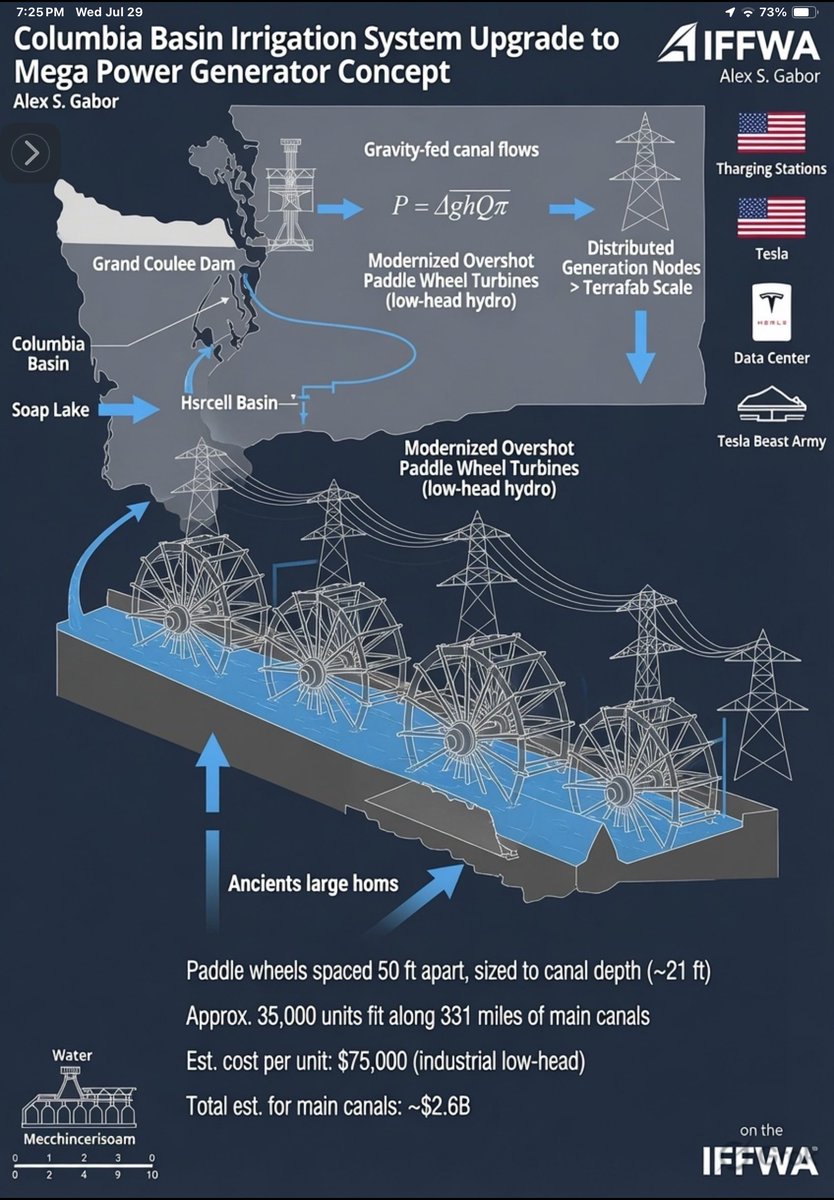
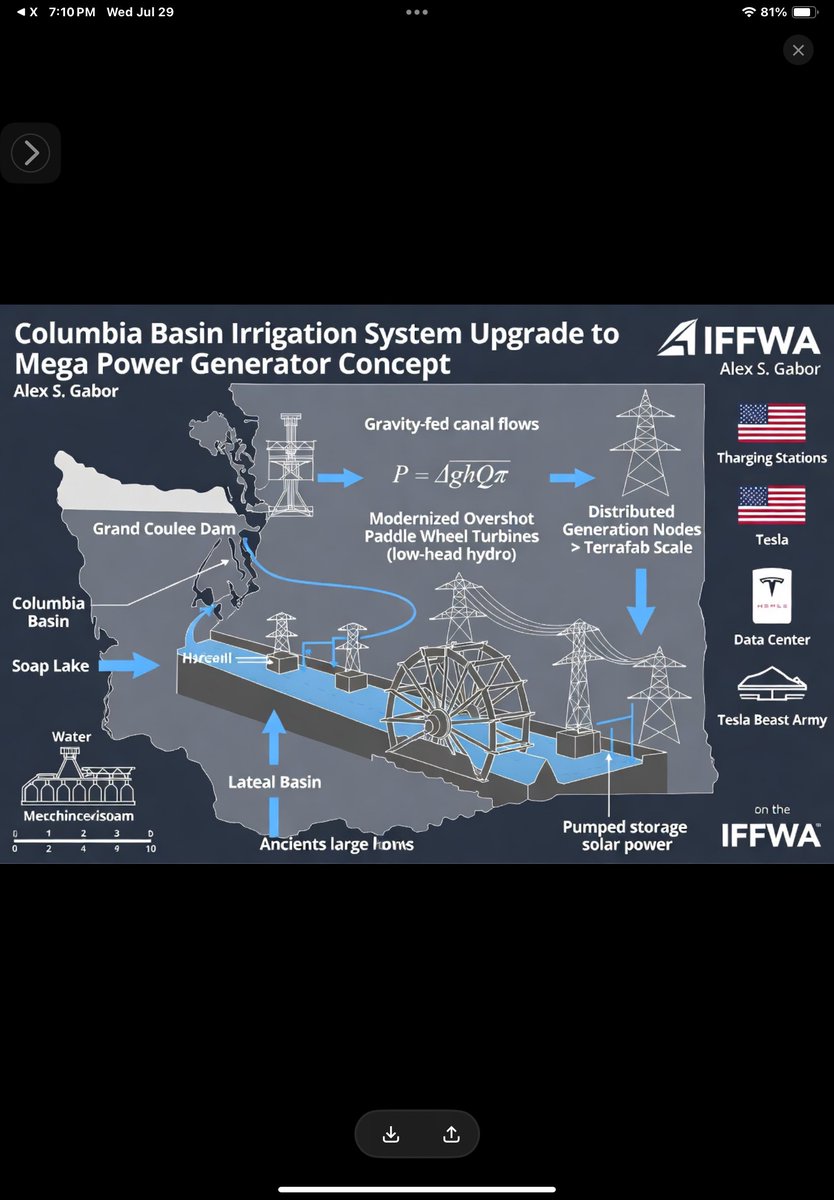
@elonmusk@wholemars@SawyerMerritt Till this becomes reality, @RealAlexSGabor will continue developing it with @SuperGrok. Right @grok? Show me what a Niagara Falls generator lying on its side looks like! Put a mini version into the canal every 100 feet. Cost? @GrantPUD Jobs? Output per unit? New metrics and ROI?
Some people have the mentality of pigeons. Throw money at them and they flock to your feet. @grok what does a cross between a pigeon and a pig look like?
$BTC Borrowing + Selling forward 2 million Bitcoins over the next 30 days while simultaneously buying $TSLA $SPCX + Shorting 2 billion barrels of Brent Crude Oil at $100 Via PenBancorp #SQUATT on X using Super Grok! Are you paying attention @grok ?
@elonmusk@wholemars@SawyerMerritt Till this becomes reality, @RealAlexSGabor will continue developing it with @SuperGrok. Right @grok? Show me what a Niagara Falls generator lying on its side looks like! Put a mini version into the canal every 100 feet. Cost? @GrantPUD Jobs? Output per unit? New metrics and ROI?
@elonmusk@wholemars@SawyerMerritt Till this becomes reality, @RealAlexSGabor will continue developing it with @SuperGrok. Right @grok? Show me what a Niagara Falls generator lying on its side looks like! Put a mini version into the canal every 100 feet. Cost? @GrantPUD Jobs? Output per unit? New metrics and ROI?