@Kouvaau@Peacemaker811@7NewsBrisbane Yes, it is completely true. Anytime Aussies have organised in response to immigrant behaviour (ie Cronulla riots, which was a result of several years of Lebanese pack violence and gang rapes) the book has been flung at them.
@trivial_hub This shit has to stop. The haka is done. It would be interesting if countries could respond to the challenge and not get fined / accused for offemding muh sacred haka! Muh noble savages!
@The_OhCee@BillyCrawford05 The Paine story is particularly disgusting, as CA knew about his sexting a couple of months after he was appointed captain, and still retained him for years.
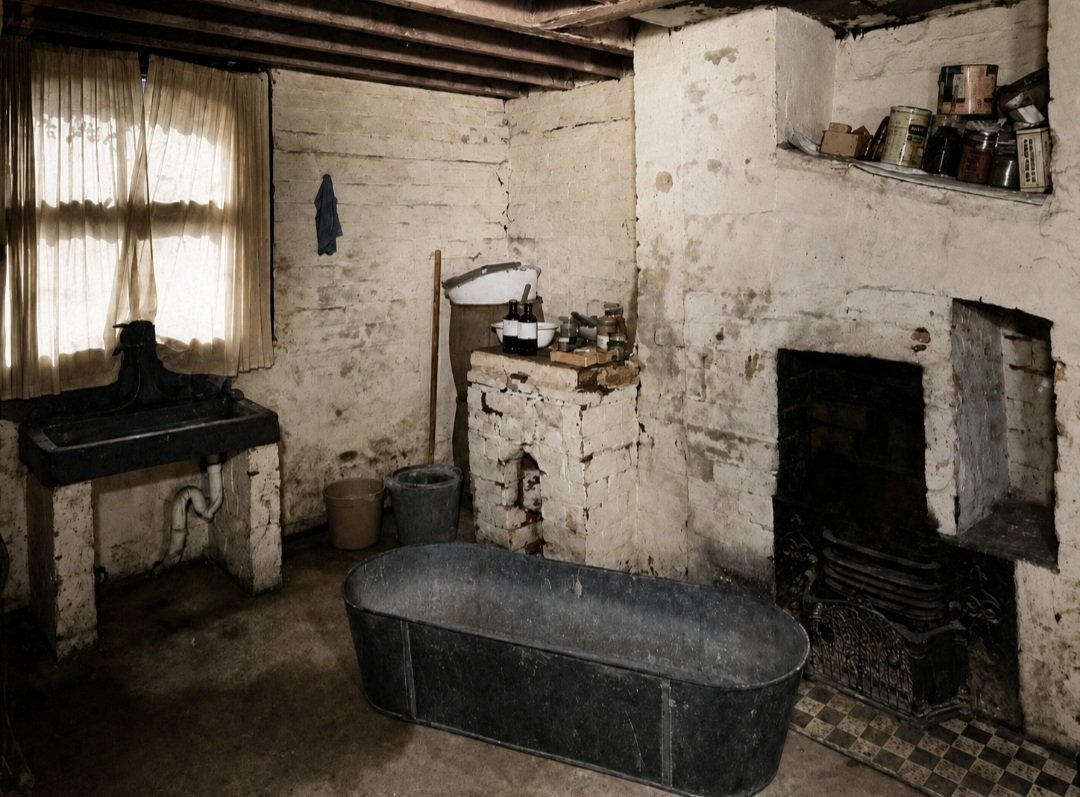
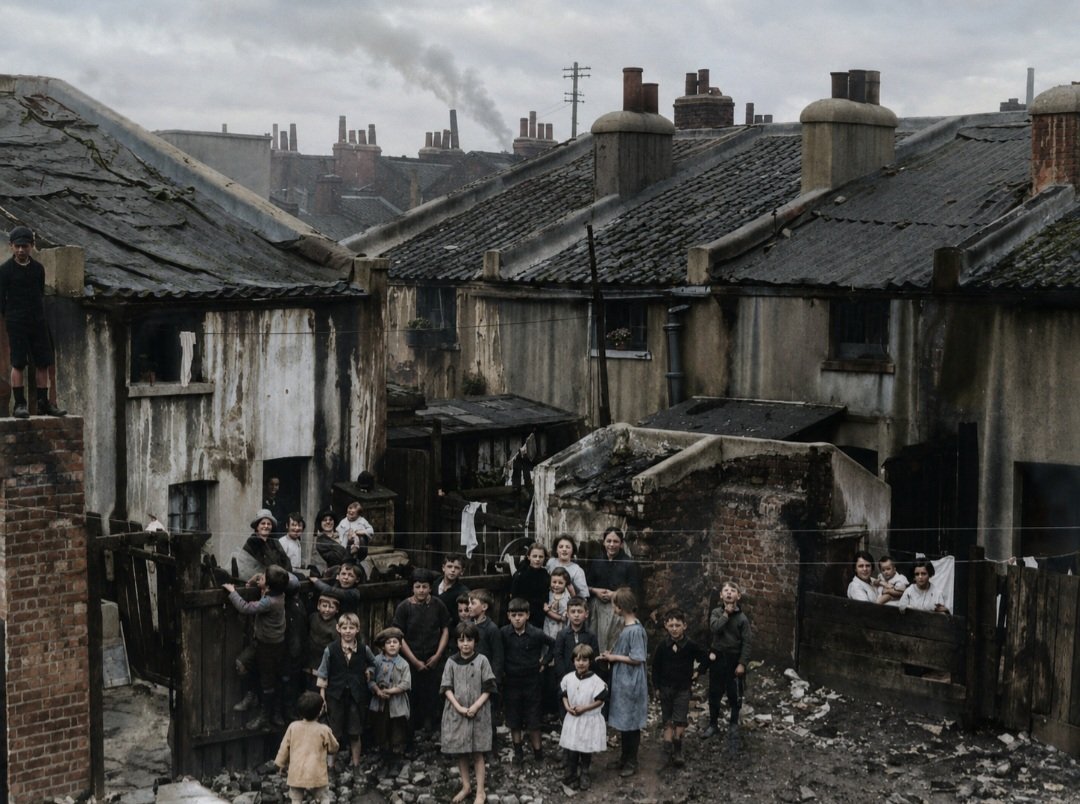
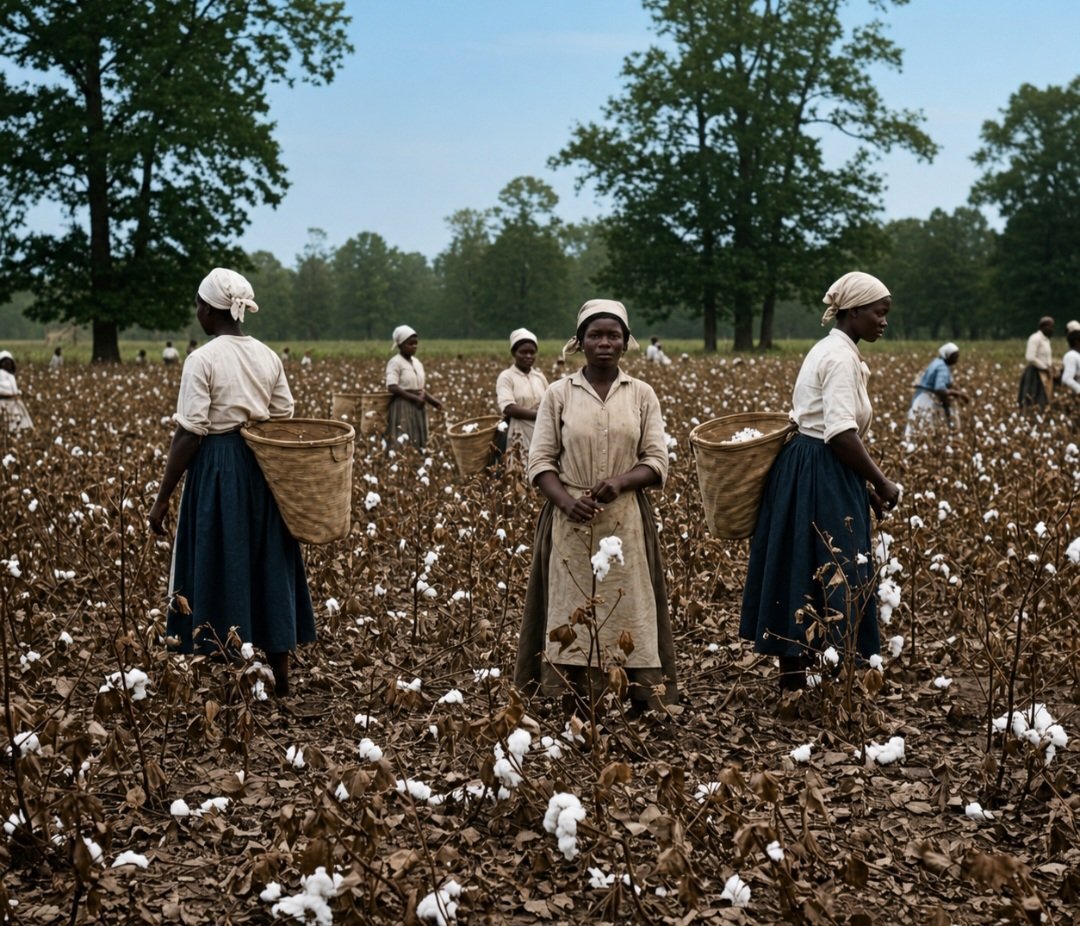
Working-class Britons had it harder than slaves on the average American plantation.
Children as young as nine were forced to work twelve or thirteen hours a day, sometimes longer, with barely enough time to eat. Those who slowed through exhaustion were beaten with straps or struck with machinery rollers. Many were physically broken before reaching adulthood, while mill owners simply threw them aside and replaced them with another desperate child.
A plantation owner had paid money for his labourers and therefore had a financial interest in keeping them fed, housed, alive and capable of working. A British industrialist did not own his workers and had invested nothing in them. He could work a man, woman or child into sickness, injury or an early grave, dismiss them and replace them the following morning.
Plantation labour was often carried out in the open air and natural light. British workers spent twelve-hour shifts trapped underground or inside mills, foundries and potteries, breathing coal smoke, cotton dust, silica, soot, metal particles and poisonous fumes. Miners crawled through cramped tunnels beneath the earth; potters slowly destroyed their lungs with clay and lead dust; steelworkers faced furnaces hot enough to scorch the flesh; dockers broke their bodies carrying crushing loads in all weather.
There was no fresh air, no safety equipment, no compensation and often no escape from the machinery until the shift ended. Men were burned, crushed, blinded, poisoned or buried alive. Children lost fingers and limbs in exposed gears and belts. Those who survived were commonly worn out before middle age.
The plantation slave was valuable property. The British labourer was disposable.
Industrial Britain was built on the backs of working-class men, women and children whose lives were consumed for profit and then largely forgotten.
🏴🇬🇧 Britain sent warships into a friendly country's harbours. 🔥
And burned its ships at anchor. ⚓
That country was Brazil 🇧🇷
More enslaved Africans were taken to Brazil than to any other country on earth. ⛓️
Not America 🇺🇸 Brazil 🇧🇷
Nearly half of everyone shipped across the Atlantic went there. Ten times more than the United States. 🌍
In 1826 Britain made Brazil sign a treaty. The trade would end by 1830. 📜
Brazil signed. Then ignored it. They even had a phrase for laws like that: "para inglês ver". For the English to see. ��
Tens of thousands of people kept arriving every year. 😔
So Britain changed the law. Brazilian slave ships could now be tried in British courts as pirates. ⚖️
In 1850 the Royal Navy sailed into Brazil's ports, under the guns of the forts. They cut out the slave ships and burned them. 🚢
Emperor Pedro II's government had a choice. War with Britain. Or end the trade. ⚔️
That September, Brazil banned it. Within two years the trade was dead. 🕊️
Yet today only one country is asked to feel ashamed. 🤔
The one that stopped it. 🇬🇧
Be part of us. 🇬🇧
Be Proud Of Us. 🙏🇬🇧
White slaves. 🏴🇬🇧
For three hundred years, pirates from Algiers sailed to Britain and Ireland, came ashore at night, and took people from their beds.
Baltimore, 1631. A hundred and seven people gone in one night. At most three ever came home.
Over a million Europeans ended up in chains in North Africa. Nobody bought them. They were stolen.
The kings of Europe paid ransom. For centuries.
In 1816, Britain stopped paying.
Lord Exmouth. Twenty British ships, six Dutch, against one of the strongest fortresses on earth. 27 August 1816. Nine hours. Fifty thousand cannonballs. 128 British sailors killed.
The next day the Dey signed. Every Christian slave freed. 1,083 people walked out of Algiers in one afternoon.
Nobody came for them... Until we did. ⚓🇬🇧💪