Data-driven insights for sports bettors.
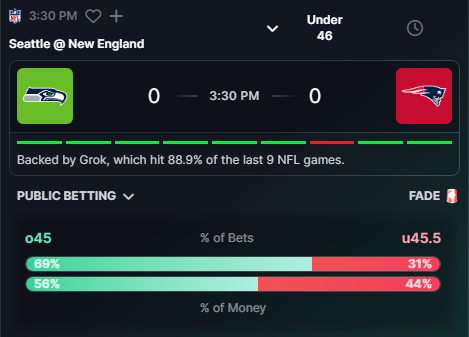
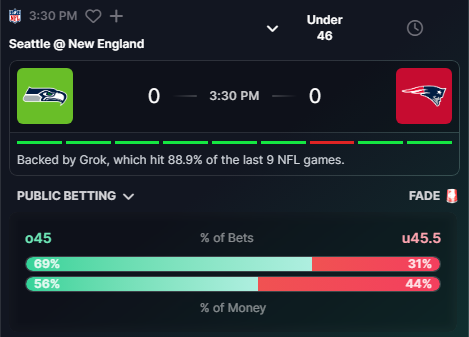
22K+ users leverage our models to analyze totals, trends, and edge.
See the numbers behind the lines. Try us 👇🤖
Sample size is the part that constantly gets glossed over.
Anyone can post a hot week. A capper going 8-2 last weekend tells you almost nothing — that result sits comfortably inside the range of normal variance.
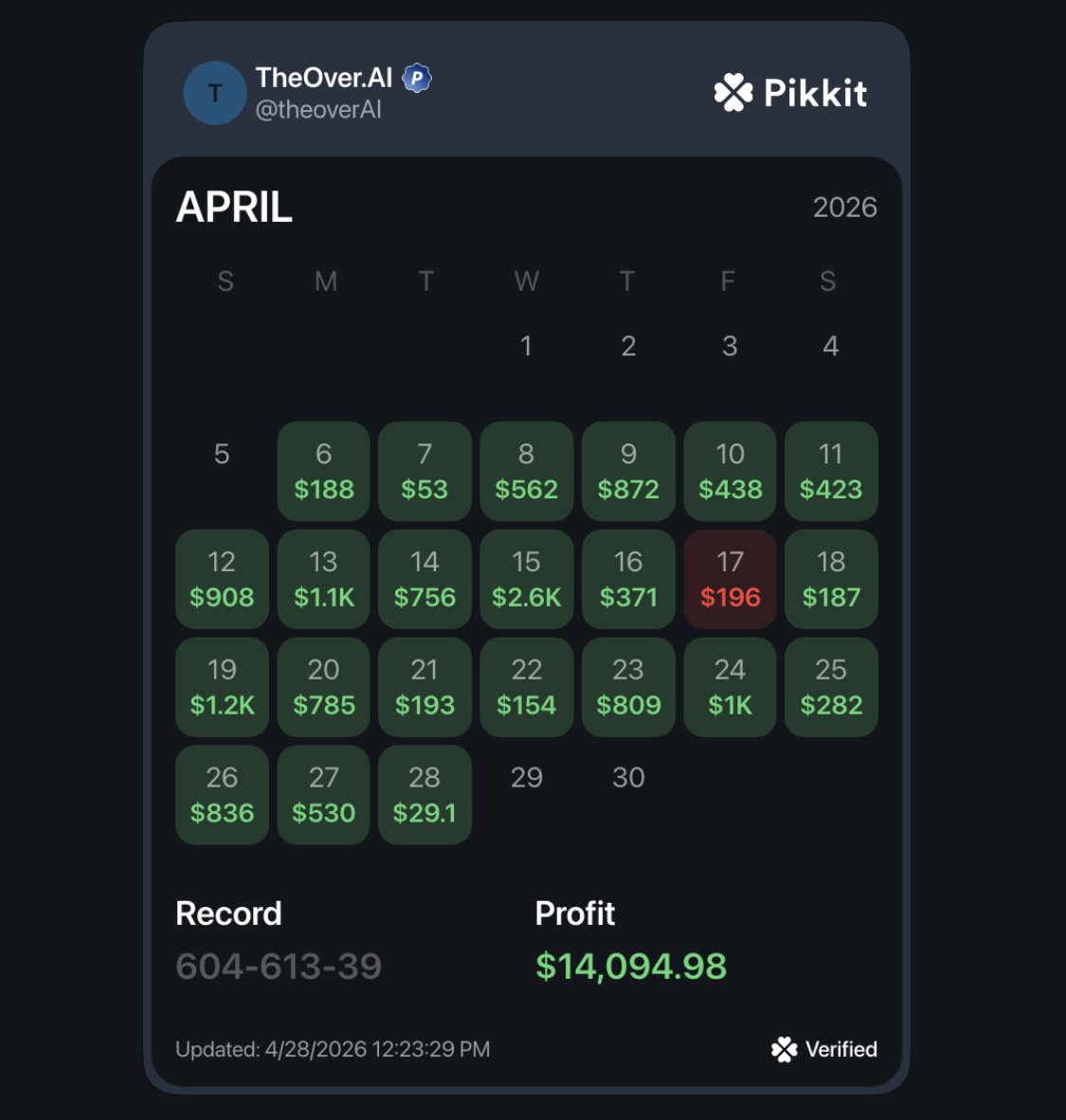
But a documented 54-55% win rate (or a 49% win rate at plus money) across thousands of bets, multiple seasons, multiple sports? The variance has had time to wash out.
What's left is real, repeatable predictive value.
That's the bar you should hold any model or service to before you put a dollar behind it.
3. Predictive Accuracy.
Here's the piece most bettors skip: the EV formula only works if your probability estimate is actually right.
If you think a bet wins 50% of the time and it really wins 45%, plugging that number into a calculator doesn't make you +EV — it makes you confidently wrong. At +110, the gap between a 50% win rate and a 45% win rate is the gap between grinding out profit and slowly going broke.
This is the hardest part of the entire game. Anyone can punch numbers into an EV calculator. The actual edge — the thing that separates winning bettors from losing ones — is generating an accurate probability in the first place.
There are really only two ways to get one:
Build your own predictive model. Requires data infrastructure, statistical/ML expertise, years of iteration, and a deep understanding of the sport. It's a full-time job, and most people who try it fail.
Find model(s) that you can access that have a verified track record over a large enough sample to prove the edge is real, not just variance. (Hint: https://t.co/Lba0BGzmXt)
Sportsbooks operate as "market makers" — they generate profit by baking a spread (called the vig or "juice") into every line they offer.
Here's the mechanic:
1) They run models that produce a "fair" no-vig price for a given bet (let's say -130 Yankees, +130 Cubs).
2) They then juice the market and post something like -140 Yankees, +120 Cubs to bettors. The book is simply quoting you WORSE odds than what their own model says is fair.
When sharp, profitable customers start hammering one side, say everyone is pounding the Yankees — the book re-prices their fair line and re-juices the market.
They might shift fair value to -150/+150 and then offer bettors +140 Cubs / -160 Yankees (a 20-cent spread).
Profitable sports betting comes down to one thing: consistently finding bets priced above fair value.