مؤلف "هاجيمي نو إيبو" السيد "موريكاو" برسالة عاطفية بعد وفاة مثله الأعلى، مانغاكا "أشيتا نو جو":
عندما كنت في الثانية والعشرين من عمري، كان قد أُلغي نشر أعمالي ثلاث مرات…
قال لي المحرر المسؤول عني: «هذه فرصتك الأخيرة» فواصلت كتابة المسودات وتقديمها إلى اجتماعات التحرير لمدة عام تقريبًا
وفي أحد الأيام، بينما كنت أنتظر نتيجة الاجتماع، سمعت أحد المحررين يقول: مجرد رؤية اسم "موريكاوا" تجعلني أفقد الرغبة في القراءة!
ظل صدى كلماته عالقًا في أذني، أدركت أنني استنفدت فرصي، وأنني لم أكن جيدًا بما يكفي، لم يك�� حزني بسبب الفشل وحده، بل لأنني كنت أخشى الابتعاد عن المجلة التي ينشر فيها الشخص الذي طالما أعجبت به، والذي تمنيت يومًا أن أقف إلى جواره
كنت أرسم وأرسم، لكن أعمالي لم تكن تُقبل، أردت مواصلة رسم المانغا، وأردت أن أصبح أفضل، لكنني لم أكن أعرف كيف
ظللت أطرح على ذلك الشخص سؤالًا في داخلي:
«ما الشعور الذي ينتاب المرء عندما يكون بارعًا في رسم المانغا؟»
لم يكن هناك من يجيبني، ولم يعد في رأسي شيء سوى هذا السؤال، فكتبته كما هو
قررت أنني إن فشلت هذه المرة أيضًا، فسأترك رسم المانغا نهائيًا. أعدت تقديم المسودة، ونجحت وهكذا تقرر نشر «هاجيمي نو إيبّو».
لقد بدأت هذه المانغا بسؤال وجّهته إلى مثلي الأعلى، ولا تزال مستمرة حتى اليوم، بينما أواصل البحث عن إجابة
كنت أتمنى أن أسأله هذا السؤال وجهًا لوجه، لكن علاقتنا أصبحت ودية، فشعرت بالخجل ولم أستطع قوله، رغم أن الفرص كانت كثيرة
كان «هاجيمي نو إيبّو» خطوتي الأولى في عالم المانغا، وبداية حوار أبدي مع ذلك الشخص
لم يعد هناك من يستطيع الإجابة عن سؤالي، لكنني سأواصل طرحه إلى الأبد
يا سيد تشيبا، ما الشعور الذي ينتاب المرء عندما يكون بارعًا في رسم المانغا؟
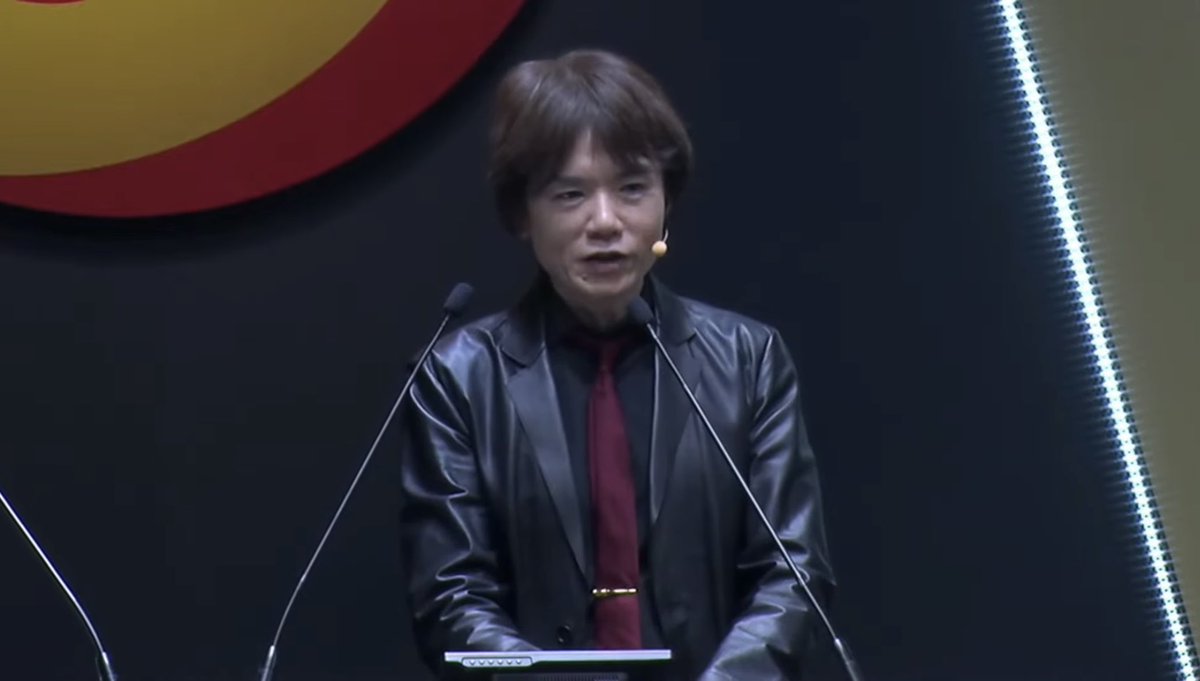
Masahiro Sakurai says originality in video games doesn’t always lead to sales but an industry without originality will die a slow death.
“I am going to say something pretty harsh, but originality doesn’t really have much of an impact on sales. I actually think it ranks pretty low on the priority list. Everyone likely feels the same way, right? For example, with convenience store drinks, there probably aren't many people who go out and try every single new drink that comes out.
The more accustomed people become to something, the closer it gets towards being a standard, or rather, I think people tend to want a taste that matches their preferences and meets their expectations.
However, an industry that loses its originality will ultimately just die a slow death. I believe the industry exists today because of the people who pioneered new inventions and created new forms of enjoyment.
The Game Designers Award” will come to an end, but I hope you will continue to look out for novelty, originality, and the unique qualities that set a game apart. Thank you very much for everything.”
From my perspective, Miyazaki is a rather unique, yet extremely serious game developer.
His career did not begin in the game industry. In fact, he didn’t become a game developer until he was almost thirty years old.
Even among developers of my generation (those of us born in the 1970s), I think it’s remarkable that someone who wasn’t even a game developer during the dawn of the polygon era eventually became one of Japan’s most representative game creators. (In other words, compared to the rest of us from the same generation—including myself—his career path is exceptionally unusual. Most notably, unlike many of us, he was not working at one of the major development studios that held a significant technological advantage during the early polygon era. That, more than anything else, is what makes his path so unique.)
Next, regarding my impression of Dark Souls.
People often focus on its difficulty as a game, but I believe Miyazaki’s true creativity shines through in the world he created. (By the way, I personally think Dark Souls has fairly simple action mechanics, and I don’t actually consider it to be an especially difficult game.)
If you look into my own career, you’ll see that I was personally involved with the Dark Souls series and Elden Ring as the General Manager overseeing both production and marketing (Just to clarify, I wasn't part of the development team itself. My involvement was simply as the General Manager of the publisher-side department overseeing production and marketing). From that perspective, I can say that Dark Souls didn’t suddenly become a massive success overnight. It was the result of everything Miyazaki and his team had built up through their previous titles.
Today, he receives offers from all over the world, but when I think back to the days when he and his team were struggling the most, many of those offers seem like they’re coming from people who only know who they are today. Some of them almost feel like complete reversals in attitude. Well, that’s just my personal perspective.
Personally, I had grown tired of people who would simply compare games by saying things like, “That title cost X billion yen to make and sold Y million copies,” and then use nothing but those numbers to judge them against other games. There were so many people who couldn’t appreciate the journey or the growth of the developers themselves. Anyone can look at the current numbers—they’re available to everyone. Whenever I heard those kinds of opinions, I always thought, “That’s exactly what you’d expect from someone who’s never actually developed games.”
What surprised me even more was that, even if people couldn’t properly evaluate that journey, almost nobody even seemed interested in trying to understand the process of how those developers gradually reached where they are today.
(I'm NOT talking about the fan community).
Now, going back to Miyazaki, there are two things about him that have always stayed with me.
The first was back when I was developing Summer Lesson for VR, around the time it was generating a lot of buzz.
One day, he came to try an early build of Summer Lesson along with people from several other game companies.
While everyone else was laughing, chatting, and having fun with it, Miyazaki alone played it with incredible seriousness. Then, after everyone had finished and started discussing their impressions, he remained completely silent, staring intently at the preview monitor, deep in thought.
Everyone became curious and finally asked him, “Miyazaki, what are you thinking about?”
He suddenly smiled and said,
“Oh… I got completely absorbed in thinking about what I would do if I were making this, and what kind of game I’d create.”
What he talked about after that was, in the best possible sense, completely insane.
It was one of those rare moments when I caught a glimpse of what I’d call his “mad scientist” side—his deeply serious, obsessive approach to creativity.
The other thing that left a strong impression on me was that he generally dislikes video interviews (including live streaming).
I once asked him about it by email, and he replied with quite a long explanation. After reading it, I completely understood where he was coming from.
Simply put, he doesn’t like watching himself moving around on video. (Psychologically speaking, it’s actually a bit more complicated than that.)
But there was another reason.
According to him, there are naturally many people in this industry who know games far better than he does. Whenever he listens to those people speak, he realizes that his own understanding is still shallow, and it makes him feel that he’s not yet in a position to be the one talking about games.
I mean… it’s common for well-known developers to say, “I still have a long way to go.”
But whenever someone like him says that, my reaction is always,
“Come on… if you say you’re still not there yet, then the rest of us won’t feel qualified to talk about games at all.” (laugh)
Anyway, that’s one of the reasons why video interviews with Miyazaki are extremely rare. And conversations with him on camera—especially long-form discussions with another developer—are even rarer. They almost don’t exist at all.
By the way, the other game developer in that photo is Masahiro Sakurai.
If you ask me, he’s basically:
“A Saiyan who genuinely believes he’s just another ordinary human.”
Every now and then, when the rest of us are struggling with some problem, he’ll say something that sounds exactly like Goku saying,
“Well… why don’t you just fly?”
And I’ll reply,
“Because we humans can’t use Flight Technique.”
Then he just stares at me with a completely puzzled look.
To put it in terms of Demon Slayer, I’d describe him as:
"Like Muzan Kibutsuji casually showing up at a drinking party where all the Hashira have gathered, genuinely believing he's just another ordinary guest".
That’s the kind of person he is.
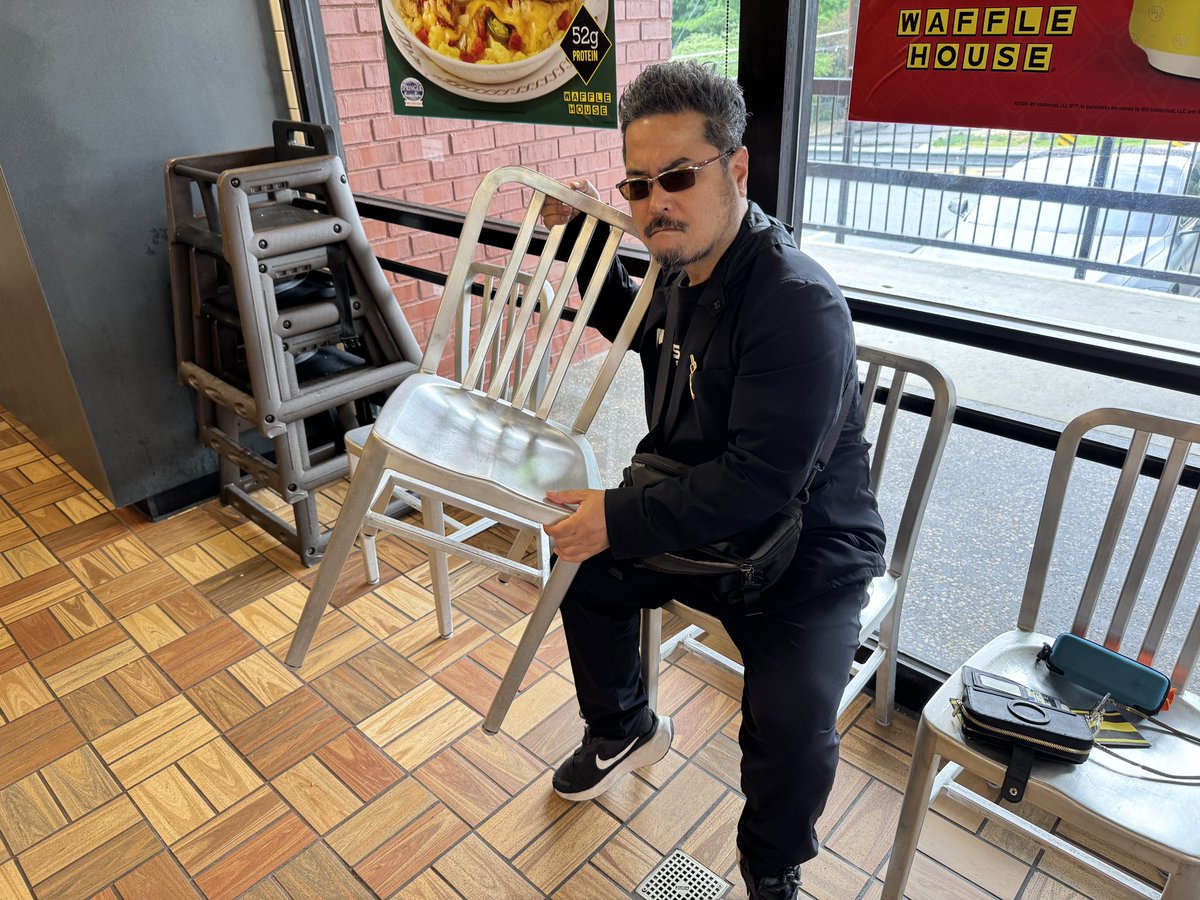
I finally made it to WAFFLE HOUSE.
The staff are always friendly, and when I asked if they would sell me a menu, they sold me one for $5.
Next time, I’ll be back at 3 a.m. for fight time.
#WAFFLEHOUSE
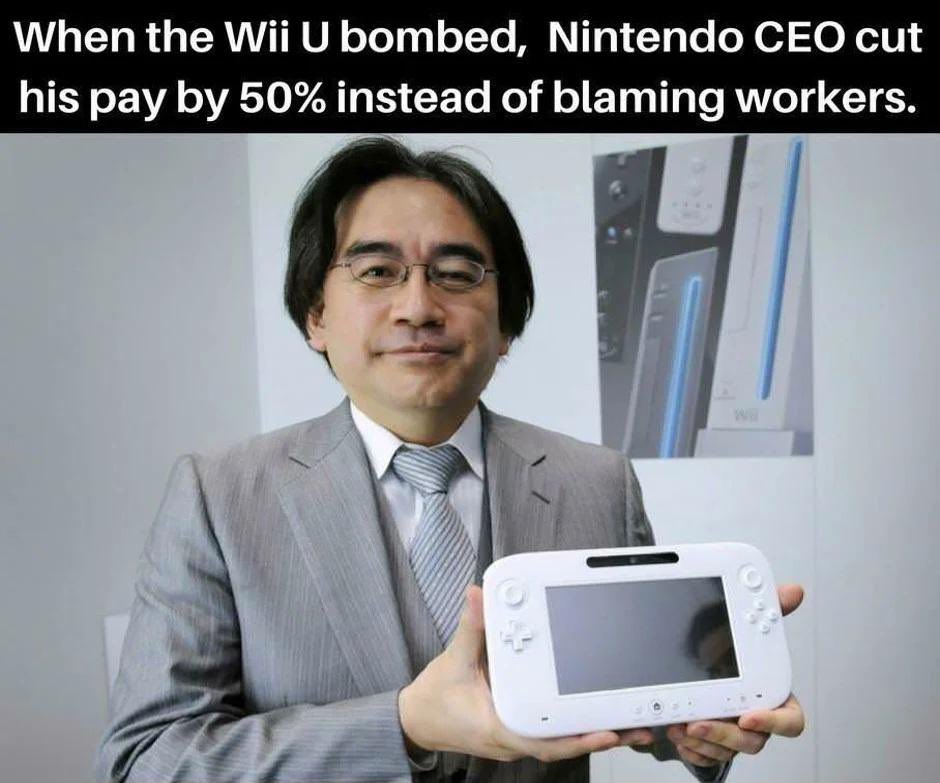
"If we reduce the number of employees for better short-term financial results, employee morale will decrease. I sincerely doubt employees who fear that they may be laid off will be able to develop software titles that could impress people around the world."
- Satoru Iwata
Our new parrot ambassador makes Xbox sounds 😯
Meet our newest ambassador — a Congo African Grey rescue! We are still unsure of gender and a name currently. She seems to like Halo music though