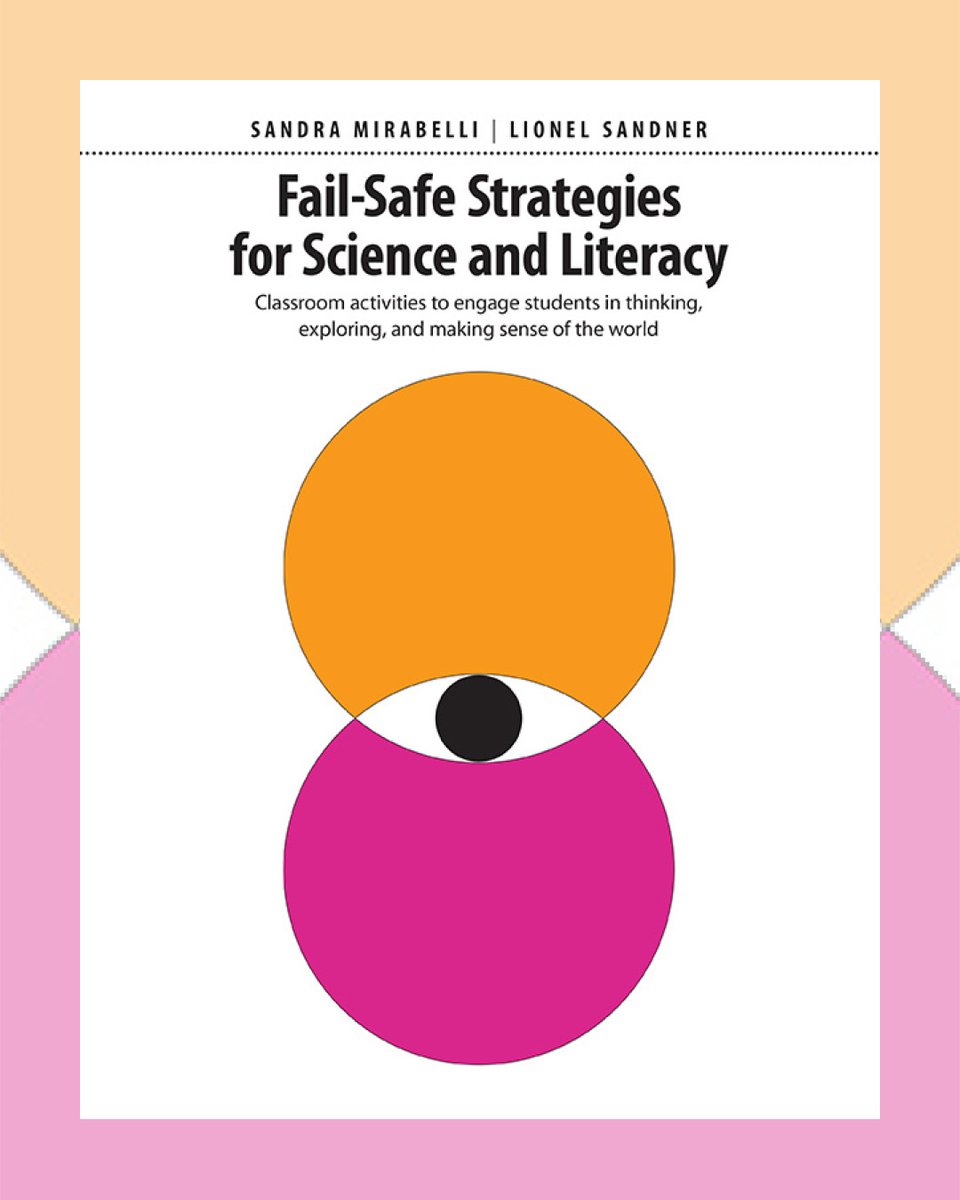
Unlocking the potential that comes from the integration of science & literacy. Make #failsafestrategies your Thinking Routine! @Scilitsandra & @LionelSandner
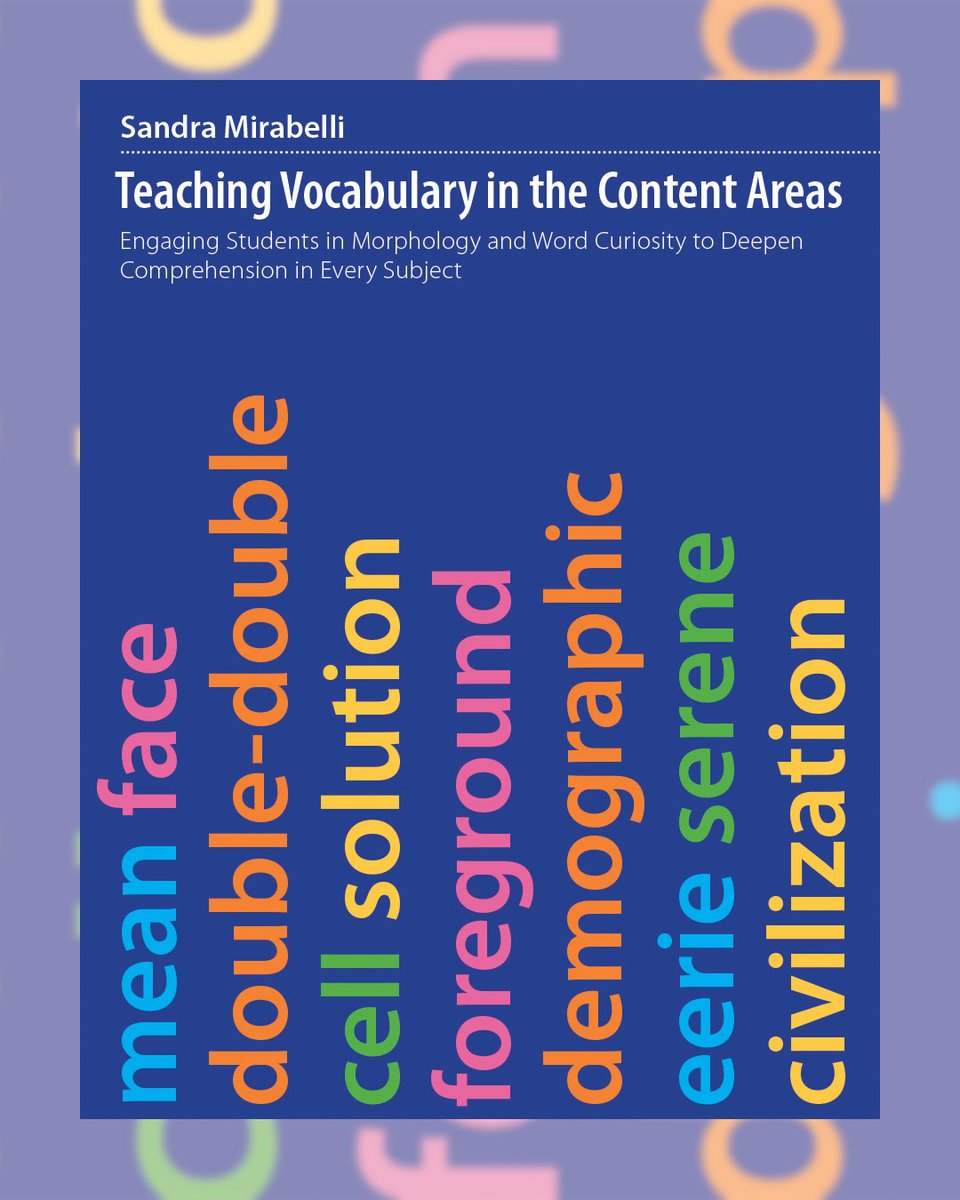
"Vocabulary instruction needs to do more than just introduce new words and their meanings. It plays a big role in helping students deepen their understanding…" — Sandra Mirabelli, https://t.co/IKGhaN8wpR
#QOTW#profdev#literacy#vocabulary#teaching#learning#edutwitter
Teachers in our PLC series shared Ss are becoming more curious about words, asking more questions, noticing #vocabulary across contexts & using subject-specific language more confidently.
One reflection stood out:
“Students are not skipping over words they do not know."
#edchat
How much can one word change meaning?
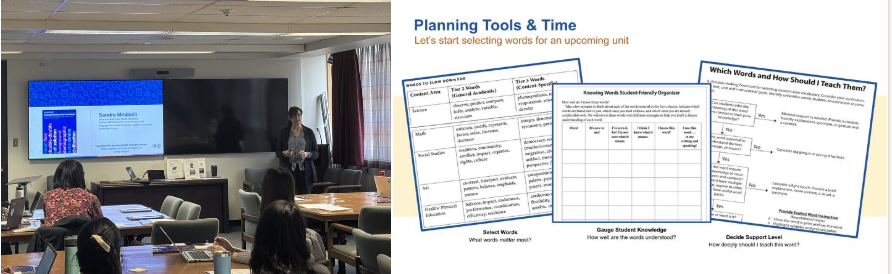
Yesterday’s PLC conversations explored vocabulary gradients, morphology, context, and polysemy through subject-area texts and collaborative planning.
Small word shifts. Big comprehension differences.
#edchat#literacy#ProfessionalLearning
A book full of sticky notes must be a good sign. 😊
Pages tagged with strategies, ideas, and “I want to try this” moments from our 3 part series @tdsb . Always rewarding to see learning that sparks immediate classroom connections.
#TeacherReadingLife#edchat#literacy
We tried a new feedback prompt in our From Words to Wonder @NSTA conference session:
“What I valued about this session…”
One response stood out: “I can’t wait to try this.”
That’s always our goal - Practical, Usable, Worth Bringing into Your Classroom. 👇
#Vocabulary
Discover science activities that use literacy strategies make learning fail-safe and fun with #FailSafeStrategies — check out the online preview and experiment videos to get a taste for what's inside! https://t.co/fLzvL6V5LW
#profdev#teaching#learning#education#edutwitter
Great week at #NSTA2026 sharing our work integrating science + literacy.
Across sessions, 1 idea kept surfacing:
when students see how words work, #vocabulary starts supporting thinking & understanding in #science and across subjects.
#literacy
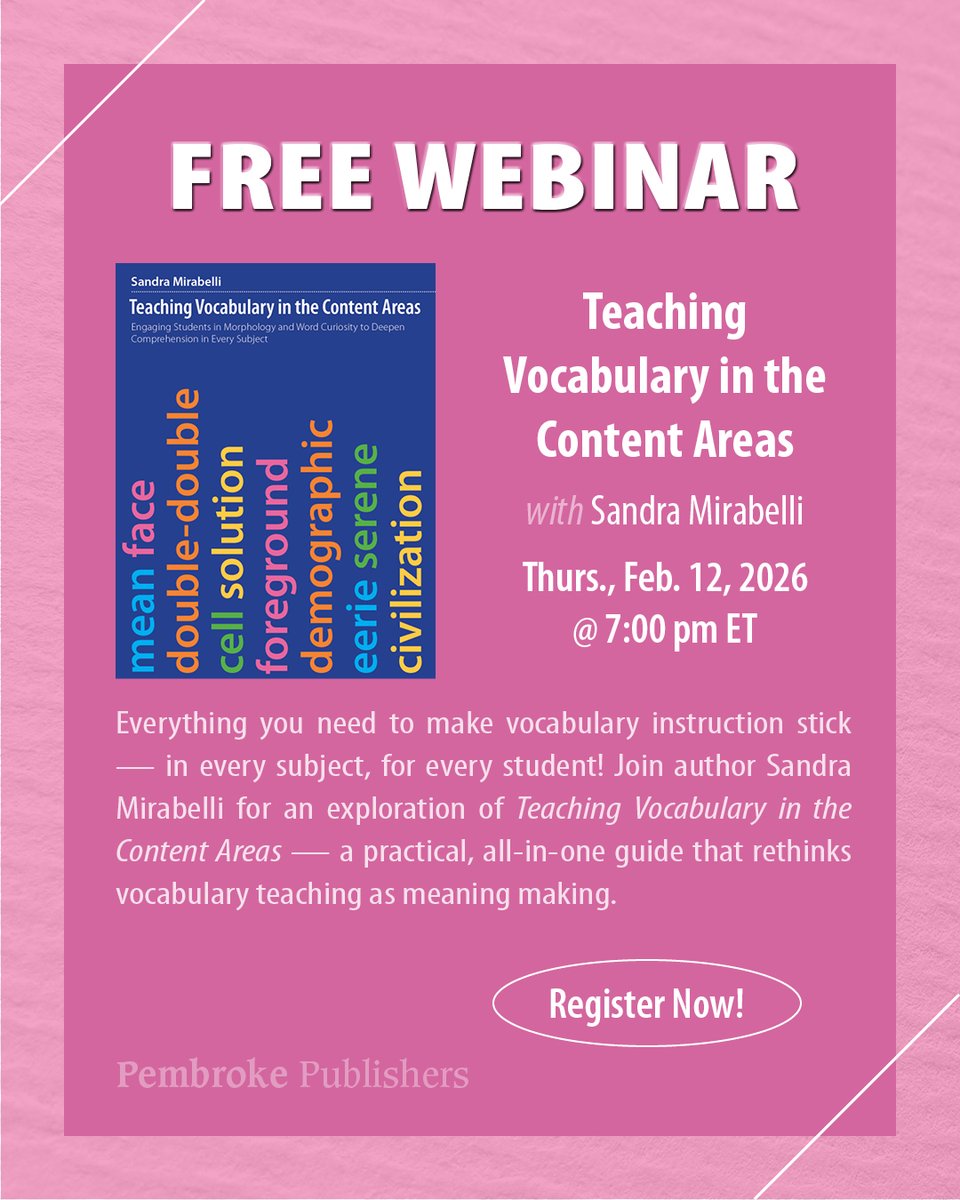
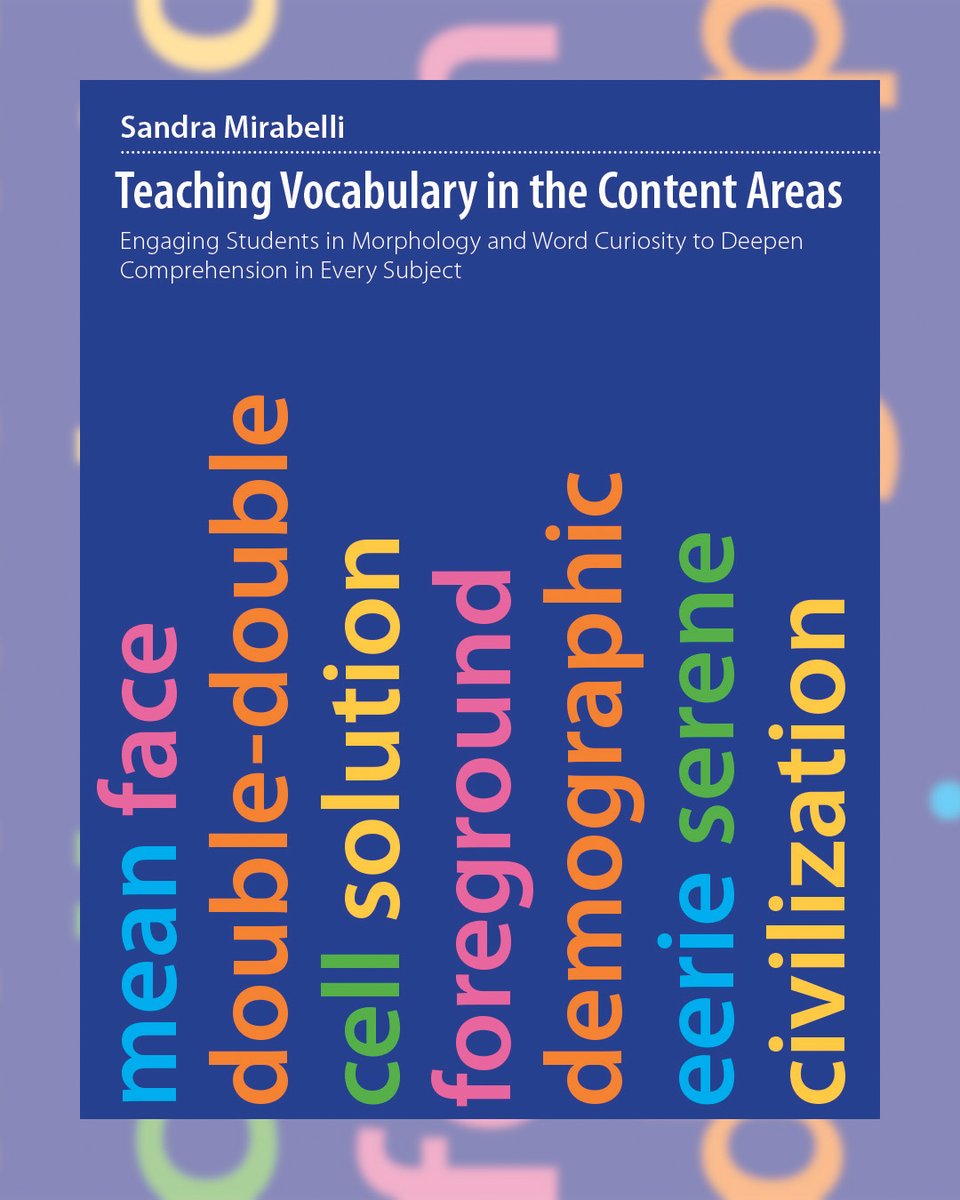
Starting to see reviews for "Teaching Vocabulary in the Content Areas!" The connections matter. If you're working on strengthening vocabulary & understanding across subjects, check it out: https://t.co/jQA4BTQKzA
#profdev#literacy#vocabulary#teaching#learning#edutwitter
So excited to launch a Professional Learning Community with @tdsb Gr. 4 - 9 Ts on Explicit Vocabulary Instruction in the Content Areas! We connected vocabulary to the research on background knowledge, comprehension & student success to launch our thinking and work together.
When #science investigations, #literacy strategies & #vocabulary are integrated, thinking shifts!
So much fun at the #rftloi2026 conference. Thank you to educators who shared what stood out in their reflections on our session. a 🧵
#ProfDev
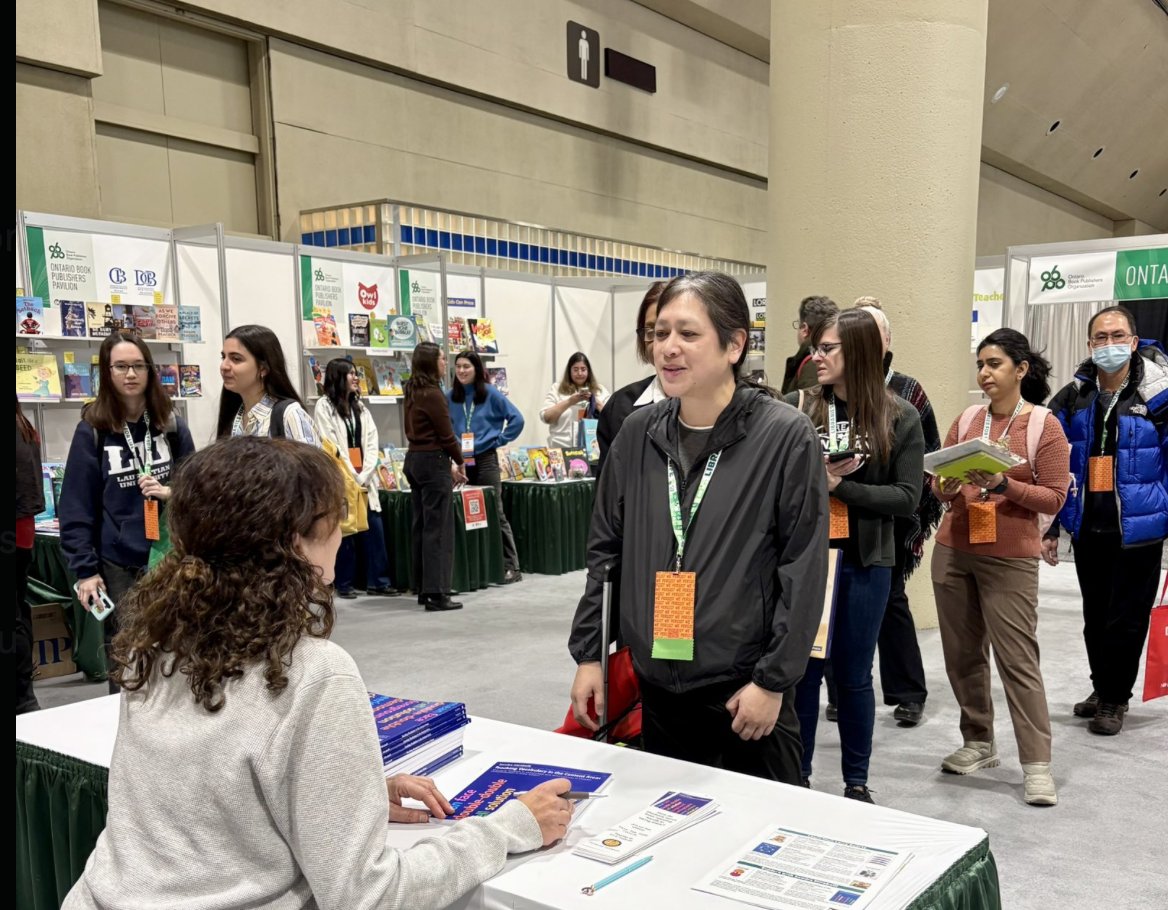
Such a great day! Thank you to all the word lovers who dropped by to see me! Hoping the book supports you in supporting your students! Because words matter!
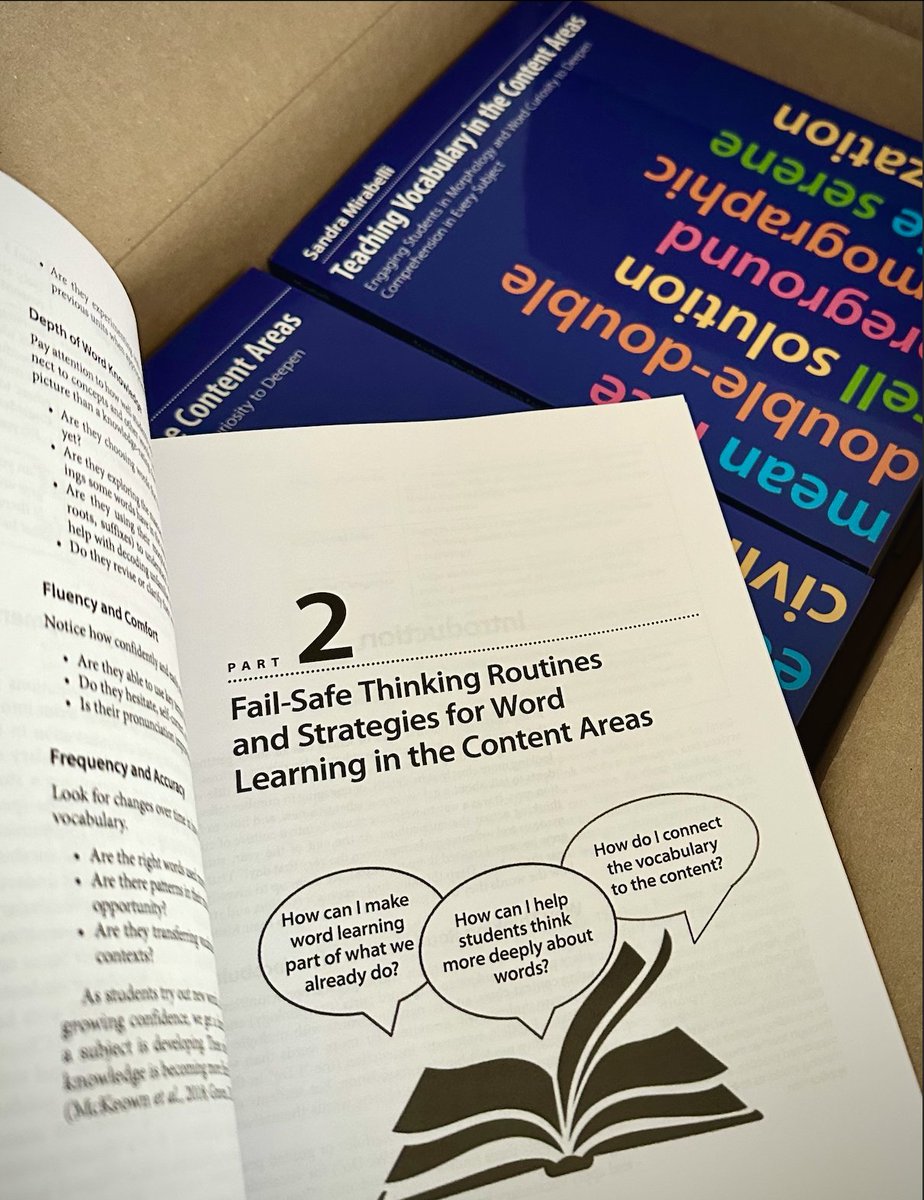
📦 📚My copies arrived today.
This book grew out of questions that kept surfacing in classrooms:
How do we make word learning part of what we already do?
How do we help students think deeply about words?
How do we connect vocabulary to content? @PembrokePublish#edutwitter
“So exciting! This book grew out of classroom practices & ongoing work with teachers. Teaching academic & subject specific vocabulary is teaching the content and supporting access to texts, thinking & learning across subjects.”