"Ты проживёшь две недели, а жена получит 20 миллионов за смерть долбоеба. Ты отсюда не выйдешь никогда. Ты раб, купленный за 3 миллиона рублей"
Русский с фронта записывает видеообращение другу, который собрался подписывать контракт.
Отличная реклама службы в ВС РФ.
He Could Have Survived. But He Went Back for His Wounded Friend. Neither Came Home.
Ethan Hertweck was just 21 years old. An American with his whole life ahead of him, he had no obligation to fight for Ukraine. No one had drafted him. No one had ordered him to go. He made that choice himself.
At first, Ethan came to help Ukrainian refugees. Later, he began teaching Ukrainian soldiers tactical combat medicine, showing them how to keep wounded men alive until they could reach a hospital. But eventually, he decided that teaching wasn't enough. He went to the front alongside the very men he had trained, knowing that some of them would never return.
His mother recalled how Ethan cried when his students left for the battlefield. Once, a fellow soldier died in his arms despite Ethan's desperate attempts to save him. That loss devastated him. But it didn't make him leave Ukraine.
In December 2023, near Avdiivka, Ethan and another American volunteer were covering the withdrawal of their Ukrainian comrades. Two Americans faced a Russian assault group and reportedly killed around 12 Russian soldiers.
Ethan managed to reach safety.
He was alive. He could have stayed where he was.
But then he realized his friend hadn't made it out. The man was wounded, bleeding heavily, and still trapped in the fighting.
Ethan turned around.
He went straight back into the danger he had just escaped.
A bullet struck him in the upper chest, above his body armor. Even after being hit, Ethan continued trying to drag his wounded friend to safety.
Neither man survived.
The day before that battle, Ethan had told his mother that this would be his final mission before coming home. He promised to be back for Christmas.
In Kherson, his girlfriend Veronika was waiting for him. They dreamed of building a life together in Odesa, near the sea. Before leaving for the front, Ethan had given her his military dog tag and a patch bearing the American flag.
Those were the things she had left of him.
For more than a year, Ethan's family couldn't even bury their son. His body remained in Russian-occupied territory. It was finally recovered during an exchange in late 2024.
On February 28, 2025, Ukrainians gathered on Independence Square in Kyiv to say goodbye to the young American who had given his life for their country. His parents flew from the United States to attend the farewell.
Before returning home, the family got matching tattoos.
IGY6 — “I've Got Your Six.”
Military slang meaning: I've got your back.
Ethan had the same tattoo.
For most people, those words are a promise of loyalty. For Ethan Hertweck, they were something far more serious. When his friend was bleeding on the battlefield, Ethan didn't calculate his chances of survival. He didn't decide that he'd already done enough.
He went back.
A 21-year-old American died trying to save another man's life in a country thousands of miles from his own.
He had promised his mother he would be home for Christmas. He had promised his girlfriend a future by the sea.
He kept one final promise instead.
I've got your back.
Thank you, Ethan. Ukraine will remember you. 🇺🇦🇺🇸
P.S. I'm leaving Twitter/X and LinkedIn behind and moving my writing to Substack. Twitter has become a garbage dump, and I want to build something better. Everyone is welcome to follow me. Subscriptions are free, and friends who want to support my independent journalism can choose a paid subscription.
https://t.co/zkWcx5Grt1
Він три роки здирав каменем Герб України з власного тіла. А коли повернувся додому - почув: "Та ти ж молодий, тебе там не було".
Мар'ян Касприк повернувся з російського полону в День незалежності, 24 серпня 2025 року.
У полоні він мав татуювання - Герб України.
Одного дня до нього підійшов працівник колонії і сказав:
"На тобі камінь. Три герба кожен день. Я буду приходити і провіряти".
І Мар'ян дряпав. Кожного дня. До крові. Не для себе - а щоб не постраждали інші, якщо він відмовиться.
Годували так, що соромно згадувати. Одного разу їм із товаришем дали пів тарілки гарячої води і один листок капусти на двох.
"Поділіться", - сказали їм.
У Сибіру Мар'ян втратив 22 кг - з 86 до 64 кг.
На прогулянку - раз на 10 днів - виводили в мішках на голові, зігнутих, за мотузки. Тягнули по коридору під крики й удари, і кричали тобі ззаду "ск��ріше, скоріше".
І спеціально ведуть тебе в стіну, а потім сміються: "ти ж у мішку, нічого не бачиш"?
Перед самим обміном російський спецназівець підійшов до нього і сказав: "Все, ти не на обмін. Я тебе чекаю з автоматом на полі бою".
Мар'ян відповів: "Я б ще тебе дочекався. Можеш з автоматом хоч на танку - тільки щоб і ти теж туди пішов воювати".
За ці слова він ще отримав удар у груди. Але вже знав - їде додому.
На обмін їх везли в мішках, зв'язаних скотчем. Чотири доби в літаку, на піддонах, без сну.
Вдома його зустрічало все село. Мати згадує: вийшов з маш��ни з великим букетом квітів. Слів не було. Плакали всі.
Він каже, що саме його вразило найбільше вдома: "Люди не вірять, що я був у полоні. К��жуть: ти ж молодий, що ти бачив. А мені 25. І я стараюся це приховати, бо не хочеться з цивільними про це говорити".
Коли він повернувся, мама зібрала гроші з виплат і купила йому 2-кімнатну квартиру.
Зараз Мар'ян працює кухарем-грильником. Готує шашлик. Займається джоджитсу з ветеранами.
І досі не може зорієнтуватися у Львові - буває, вийде на дорогу і не знає, куди йти.
Мар'ян не гуляє. Він будує нове життя. Тихо. Без пафосу. Просто щодня.
On the freezing morning of December 16, 1944, the day before his twenty-first birthday, First Lieutenant Lyle Bouck Jr. peered through the mist on a snowy ridge outside Lanzerath, Belgium, and saw hundreds of German troops marching straight up the road.
Bouck had eighteen reconnaissance soldiers in foxholes along that tree line, plus four forward artillery observers. Most of them were barely twenty years old.
When Bouck radioed regiment headquarters to report a massive German column, officers miles to the rear told him he was imagining things and ordered him to hold his position.
He was not imagining things.
Marching straight toward those eighteen American kids was an entire battalion of more than five hundred German paratroopers, clearing the main road for Kampfgruppe Peiper and the 1st SS Panzer Division on the opening morning of the Battle of the Bulge.
Instead of running, Bouck waited until the lead German troops were within yards of the snowy fence line, and then whispered the order to fire.
Assault after assault charged up that open snowy slope. Again and again, eighteen young Americans with M1 rifles, BARs, and a .30-caliber machine gun threw them back into the ditch. They fought through the morning. They fought through the afternoon. Fourteen of Bouck's men were wounded, yet not a single American was killed, while more than ninety German soldiers fell on the hillside.
Only at dusk, when German troops crawled into their foxholes and the Americans were down to their last clips of ammunition, were they finally overrun and marched off to prisoner-of-war camps.
Later that night, when SS commander Joachim Peiper finally arrived in Lanzerath furious at the delay, the German paratrooper commander swore he had been held up by an entire regiment of fierce Americans.
Those eighteen boys had blown apart Hitler's opening-day timetable on the northern shoulder, giving American generals critical hours to rush reinforcements forward.
Because they were captured, almost nobody knew what they had done. Their reports vanished into dusty files for thirty-seven years.
Finally, in 1981, the Pentagon uncovered the full record and made Lyle Bouck's 18-man reconnaissance platoon the most decorated platoon of World War II.
Eighteen kids in the snow, twenty years old, holding back an army until the bullets ran out.
Я не знаю-читают ли ватные боты все мои твиты или только те, где много лайков.Но напишу на всякий случай. Я не украинец. Никогда в Украине не был. Никакого от��ошения к ней не имею.Что не мешает мне быть на стороне Украины.Искреннк жалеть её жителей. Желать им победы. И так же 👇
"Главное сейчас россию не вспугнуть.
Пусть продолжает как сейчас.
Потом подсечем и за жабры на берег. И в уху. "
(Из секретного пятилетнего плана компартии Китая до 2030 года)
На каждой железнодорожной ветке юга россии есть свой стратегический мост.
Если что с ним случается, то движение там останавливается надолго.
А это логистика фронта.
И кажется что-то с ними уже стало случаться.
Что Трамп думает по этому поводу?
In December 1927, Navy divers outside a sunken submarine tapped hammers on the steel hull to talk to six living sailors they had no way to save.
Inside the dark hull off Massachusetts, those six men tapped Morse code back until winter storms drove help away and their air ran out on the ocean floor.
A submarine officer named Charles Momsen could not get those six trapped men out of his head.
He could not bear the thought of another crew sitting on the bottom of the sea, tapping on steel in the dark and waiting to die.
With fellow officer Allan McCann, he spent years building a steel rescue chamber made to ride a cable down, seal over a hatch, and pull men out dry.
On the morning of May 23, 1939, the new submarine Squalus dove off Portsmouth, New Hampshire, on a test run when a main air valve failed to close.
Freezing seawater flooded the rear rooms and killed 26 men before a crewman slammed the bulkhead door shut.
The hull sank 243 feet to the bottom in total darkness.
Beyond that door, 33 survivors huddled in blankets in the freezing dark and spread chemical powder so their own carbon dioxide would not kill them.
Nobody in history had ever rescued a crew alive from a submarine that deep.
Momsen rushed out aboard the rescue ship Falcon with the steel chamber he had built for this moment.
The next morning, a diver descended 243 feet through icy dark water and fastened a guide cable onto the forward hatch.
Operators lowered the chamber, sealed it tight, passed hot soup down to the freezing men, and lifted 7 survivors up into fresh air.
Two more trips brought up 9 men each, leaving the last 8 survivors waiting in the dark below.
On the fourth climb, with all 8 remaining men sealed inside, the guide cable jammed in the deep.
Pulling harder by machine risked snapping the wire and dropping all 8 men back to the ocean floor.
Momsen sent divers into the freezing water to cut the tangled cable, then lined sailors along the wet deck of the Falcon to haul the heavy chamber up hand over hand.
Just after midnight, nearly 40 hours after the Squalus sank, the chamber broke the surface and the last 8 men stepped onto the deck alive.
More than a decade after six sailors died waiting in the dark off Massachusetts, the officer who refused to forget them brought all 33 survivors of the Squalus home.
She was 8. She burned to death in her mother’s arms. 💔
On November 19, 2025, a Russian missile struck a residential building in Ternopil.
8-year-old Amelia Gzhesko and her mother Oksana burned alive in their own apartment. They were found embracing each other.
In the morning, Oksana called her parents and said: “It’s very scary here, Shaheds are flying. Amelia and I have already gotten dressed and are about to go to the shelter.”
A while later she called again:
“Mom, Dad, we’re suffocating. The door is jammed, we can’t get out.”
That was the last call. After 10 a.m. they were found dead �� mother and daughter lying in each other’s arms.
Amelia had Polish citizenship and was a 2nd-grade student. She loved drawing, dancing, and reciting poems.
She will never fulfill a single one of her dreams.
She was not a soldier.
She was not a “target.”
She was just a child who wanted to live until morning.
Russia killed her.
Eternal memory to Amelia and her mother.
Russian troops murdered about 300 civilians in Bucha, tortured people and left bodies in streets. Some were shot for simply moving outside.
Detective Ivan Dulkay, 31, has spent spent four and a half years finding the killers and commanders. His team solved 86 murders, WSJ.
1/
He told her he wasn't accustomed to dealing with women.
She apologized, saying she had forgotten to bring her husband—so he would just have to deal with her.
Adolf Eichmann looked across his desk in Vienna at the 42-year-old Dutch housewife and decided to play a cruel joke.
He told her she could take 600 Jewish children out of Austria.
There was just one catch: she had to do it by Saturday. Five days away.
He expected her to drown in paperwork and fail. As she walked out, he muttered, "So purely Aryan and then so crazy."
Five days later, on December 10, 1938, a *New York Times* headline read: **"630 Children Quit Vienna."**
Her name was Geertruida Wijsmuller—known to everyone as Truus.
She wasn't Jewish. She wasn't a diplomat. She held no official title.
She and her husband, Joop, couldn't have children of their own, so she poured her life into social work. And as one historian noted, she had a rare gift: she didn't find powerful men frightening, and she treated impossible obstacles like simple logistics problems.
Just one month before walking into Eichmann's office, she had traveled to the German border after Kristallnacht and smuggled a Polish boy to safety in Amsterdam—hidden underneath her skirts.
So when Jewish and British organizations needed someone to negotiate in Vienna in December 1938, they sent Truus.
The Gestapo arrested her the moment she arrived, holding her for hours before letting her go. She walked straight to Eichmann's headquarters anyway.
He tried to humiliate her. He inspected her hands and ordered her to remove her coat and shoes. When he told her to pull up her skirt and walk around the room, she stopped him cold.
"Enough," she said. "Now let's talk business."
When Eichmann laughed and handed her the five-day deadline, he thought he was rid of her. Instead, Truus walked out and started making phone calls.
She reserved trains. She found 600 children.
At the station, desperate parents handed their sons and daughters over to a Dutch stranger they had met only days earlier—pressing small suitcases into small hands, knowing they might never see their children again.
Truus got every single one of them onto the train. Thirty hours later, she arrived at the Dutch coast. Five hundred children sailed immediately to England; a hundred stayed in the Netherlands.
The British official waiting at the port stared at the hundreds of children in shock.
"But you were only sent to talk?" he asked.
Truus didn't stop there. She went back.
For the next 18 months, she ran a relentless rescue operation. She traveled into Nazi territory multiple times a week, organizing 49 separate transports by train and plane. Whenever a rescue mission seemed impossible, European aid groups had one answer: *"Ask Mrs. Wijsmuller."*
The children called her *Tante Truus*—Auntie Truus. She brought them to her home for Shabbat dinners and arranged swimming lessons so they could feel like kids again.
In May 1940, Germany invaded the Netherlands. With just one hour to spare before the Dutch surrendered, Truus stood at the port of IJmuiden, loading the final group of refugee children onto a cargo ship.
Her own coat and bag were already on board.
At ten minutes to eight, the ship pulled away from the pier. From the deck, the children looked around for Auntie Truus.
She wasn't there. She was standing on the dock, waving goodbye. At the last second, she had realized she couldn't leave her husband behind.
She stayed in occupied Amsterdam, surviving a Gestapo arrest in 1942 without giving up a single name, smuggling food to camps, and helping refugees escape to Spain and France until the war ended.
Truus Wijsmuller died in 1978. A monument in her hometown calls her the "Mother of 1,001 children."
In truth, she helped save 10,000.
All because an ordinary housewife walked into one of history's darkest offices, refused to blink, and told a monster she had forgotten to bring her husband.
Had you ever heard of Tante Truus before today?
Вона залишила спокійне життя у Греції, щоб захищати Україну. Вісім років воювала на передовій, але загинула в перший день великої війни…
У місті, яке назива��ться Щастя.
Її звали Ірина Гордієвич. Для побратимів - просто Ірен.
Вона народилася в Косові, серед карпатських гір. Закінчила університет у Чернівцях, згодом жила у Греції.
Мала сім'ю, виховувала сина Александроса, вільно володіла кількома іноземними мовами.
Але у 2014 році Ірина зробила вибір, який назавжди змінив її долю.
Вона повернулася в Україну.
Спочатку був Майдан. Потім - війна.
Спочатку батальйон "Чернівці", згодом - "Луганськ-1". Нічні патрулювання, обстріли, постійна небезпека.
Але навіть серед усього цього Ірина залишалася жінкою, яка любила життя.
Вона обожнювала фотографувати небо, природу, заходи сонця. Навіть там, де щодня лунали вибухи, знаходила щось пр��красне.
А ще неймовірно смачно готувала.
Одного разу, коли в батальйоні виникли проблеми з продовольством, Ірен узялася за кухню.
Із найпростіших продуктів вона могла приготувати такі страви, щоб побратими просто дивувалися.
А десь далеко був її син Александрос.
Вони підтримували зв'язок телефоном. Для нього вона була не військовою, не героїнею, не жінкою зі зброєю.
Вона була мамою.
16 лютого 2022 року Щастя опинилося під потужними обстрілами. Місто залишилося без світла й води.
А через вісім днів почалося повномасштабне вторгнення.
24 лютого 2022 року Ірина Гордієвич загинула. Їй було лише 47 років.
Жінка, яка пройшла вісім років війни, не пережила її першого повномасштабного дня…
Обставини загибелі досі описують по-різному. За однією версією, вона загинула від ��бстрілу. За іншою - опинилася в оточенні й відмовилася здатися ворогу.
А потім були довгі місяці невідомості для рідних.
Її тіло опинилося на окупованій території. Родині довелося чекати, поки його повернуть і підтвердять особу.
Лише після цього близькі змогли попрощатися з Іриною.
Її поховали в Чернівцях. У неї залишилися мама, сестра та син Александрос.
Ірина Гордієвич. Жінка, яка залишила мирне життя заради України й загинула в місті з назвою Щастя.
Вона віддала Україні своє життя. Найменше, що ми можемо зробити для неї, - не дозволити її імені загубитися серед тисяч інших імен наших загиблих Героїв.
2. Сотни миллионов рублей уходят за границу на оплату VPN.
Массовое распространение VPN привело к формированию целого рынка платных сервисов обхода блокировок. Речь идет о сотнях миллионов рублей, которые россияне перечисляют за использование зарубежных серверов и инфраструктуры. Вместо того чтобы тратить эти средства внутри страны, поддерживать отечественные IT-компании, пользователи фактически финансируют иностранные сервисы, в том числе работающие в недружественных векторах.
В Кремль поступили результаты закрытого исследования, посвященного оценке эффективности интернет-блокировок в России. Документ готовила группа IT-специалистов. Выводы неутешительны, причем по всем направлениям.
1. YouTube не только сохранил аудиторию, но и продолжает наращивать просмотры.
По данным исследования, блокировка YouTube не привела к ожидаемому падению популярности в России. Из 20 крупнейших видеоблогеров, попавших в выборку, лишь двое столкнулись с некоторым снижением просмотров. Остальные практически не заметили последствий ограничений.
@atticus_flinch Я русский, я вторжения россии в Украину и против долбо@бов использующих VPN, что бы ставить путина и оправдывать его войну. На х@й в Макс
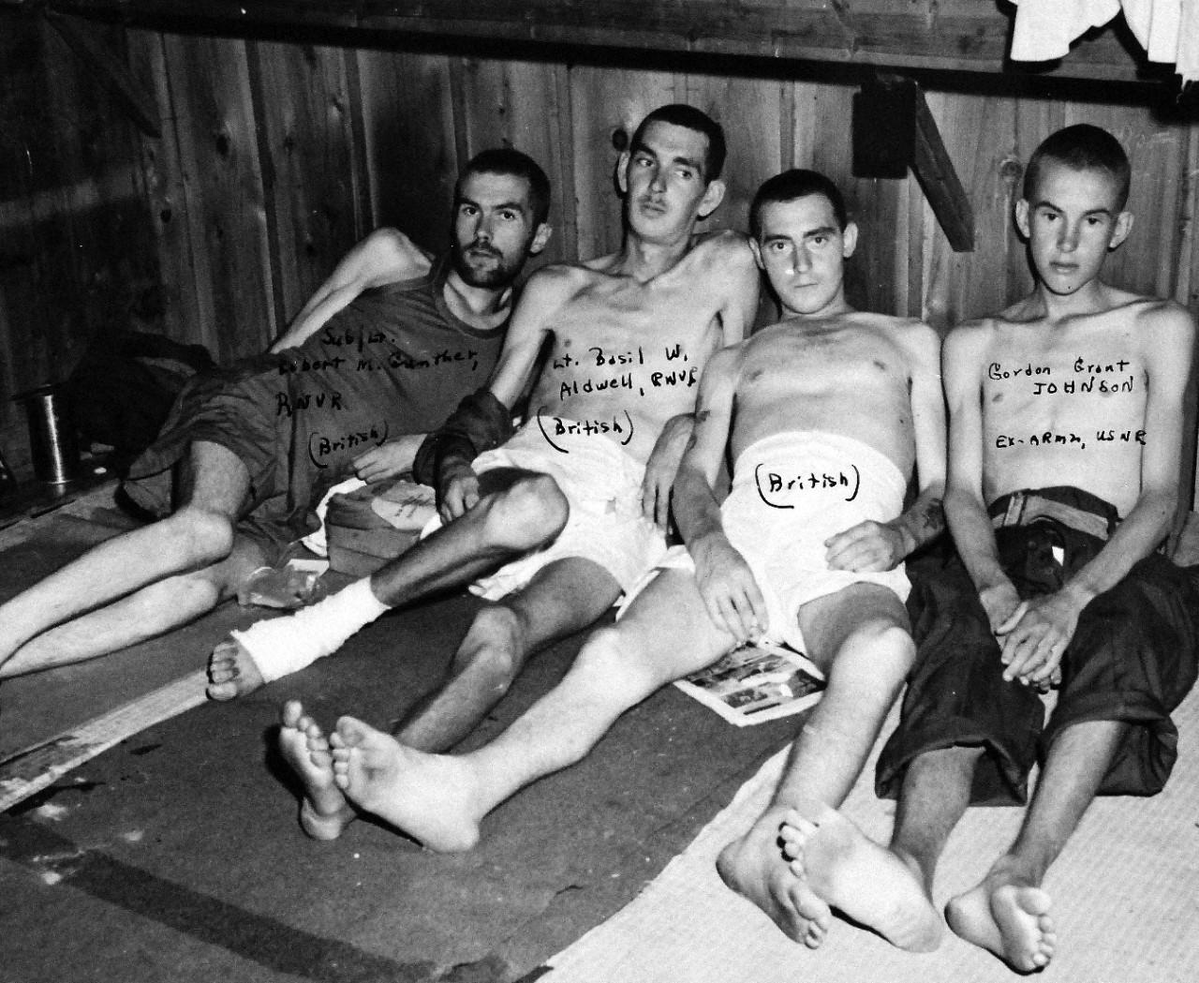
In 1945, Medal of Honor ace Pappy Boyington was a prisoner at Omori, a Japanese camp in Tokyo Bay. He later wrote that one Japanese private there was "a far braver man than I."
His name was Yukichi Kano, the camp interpreter. Omori sat on a man-made island in the bay.
Omori held captured American airmen and sailors. It also held a guard the prisoners called the Bird, one of the cruelest men of the war.
Kano could not stop the Bird. So he quietly worked around him.
Sick men who stopped working lost half their food. Kano gave them easy jobs, so on paper they were still working and could keep eating.
When starving prisoners took vegetables from the garden or mussels at low tide, Kano talked the guards into looking the other way.
In winter he hung blankets on the walls of the sick room. He found charcoal to keep it warm.
He walked sick men past the camp's cruel Japanese doctor and into the hands of a prisoner who was a real physician.
Boyington saw what it cost him. He wrote that Kano's "heart was being torn out most of the time."
One winter night, Olympic runner Louis Zamperini was walking back from the latrine. He saw a prisoner tied to a tree in the snow for stealing Red Cross food.
Kano was kneeling beside him, putting a blanket over his shoulders.
By morning the blanket was gone, taken back before the Bird could see it.
Then the war ended, and the danger got worse.
Drunk guards came toward the barracks with swords drawn. They wanted to kill the captured B-29 crews.
Kano and one other man stood in their path and stopped them.
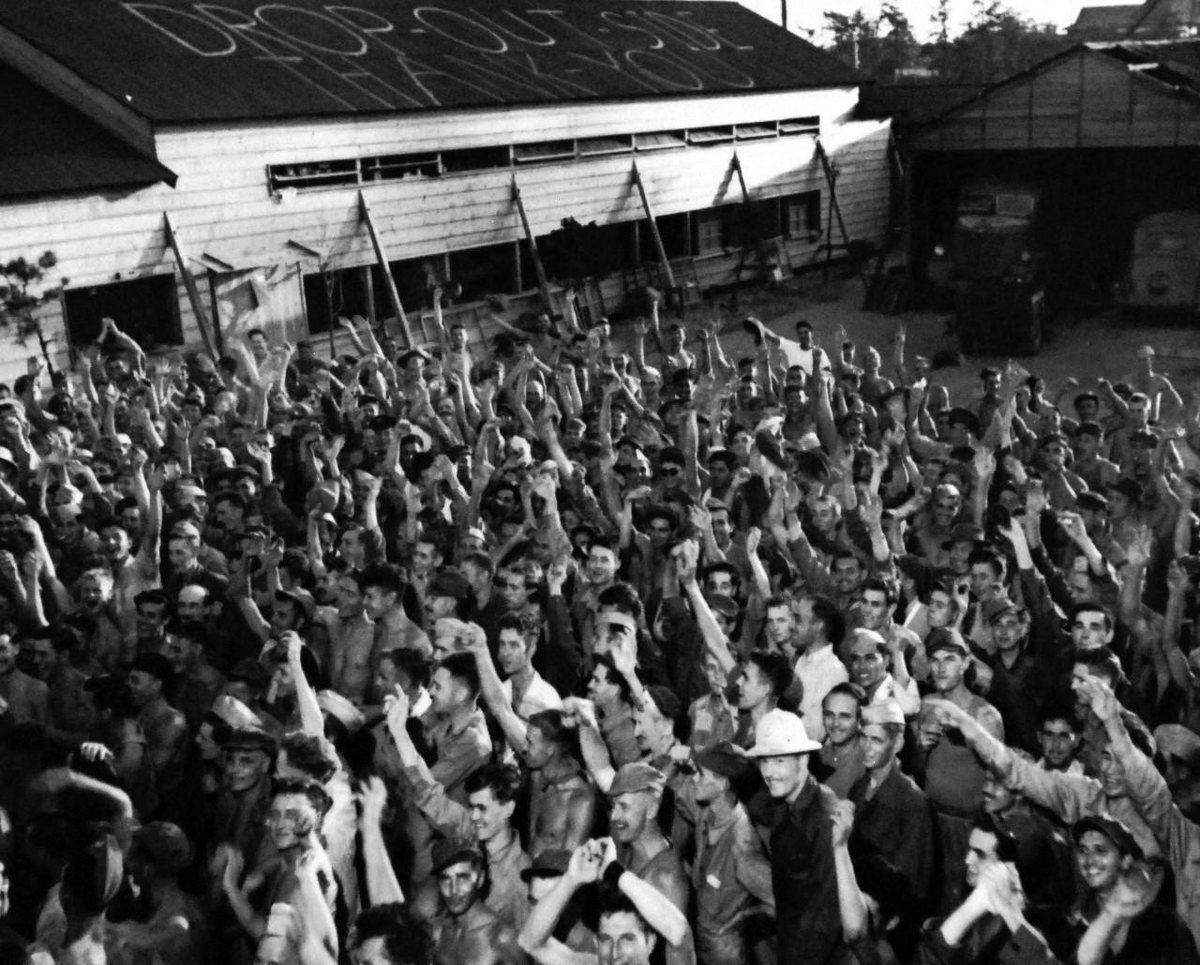
When the Americans came to free the camp, two of them tried to rip the insignia off Kano's uniform. A prisoner named Bob Martindale stepped in and told them off.
Martindale and other officers wrote a letter praising Kano before they sailed home. It did not save him.
Kano was arrested as a suspected war criminal, perhaps because his name sounded like two cruel men. He sat in prison for months without a charge.
He wrote to the authorities and begged them to look at his case. "Cross my heart, I have not done anything wrong."
In the winter of 1946 he was cleared and set free. He went to work for a trading company in Yokohama.
For years he did not write to his old prisoners. In 1955 he finally told Martindale why.
He was afraid a letter "might make them to remind up the hard days in Omori, which, I am sure, they would like to forget."
У мальчишки на глазах всего мира отнимают детство, лишают юности, угрожают жизни и весь мир молчит. Что же стало с человечеством? Что стало с Россией и так уже понятно.