🚨 Google just introduced Nano Banana 2.1.
Its latest image generation and editing model is designed to improve:
→ Visual detail
→ Mask based editing
→ Subject consistency
→ More natural looking images
The example Google shared shows how far it can go with detailed layouts, typography and realistic imagery in a single generation.
Image generation is getting very close to actual design workflows.
https://t.co/VFJ2q2gOiE
Meet Nano Banana 2.1, our latest image generation and editing model 🍌
This upgraded version outperforms our previous models across the board, with notable leaps in visual design, mask-based editing, and subject consistency to help you create more natural-looking images.
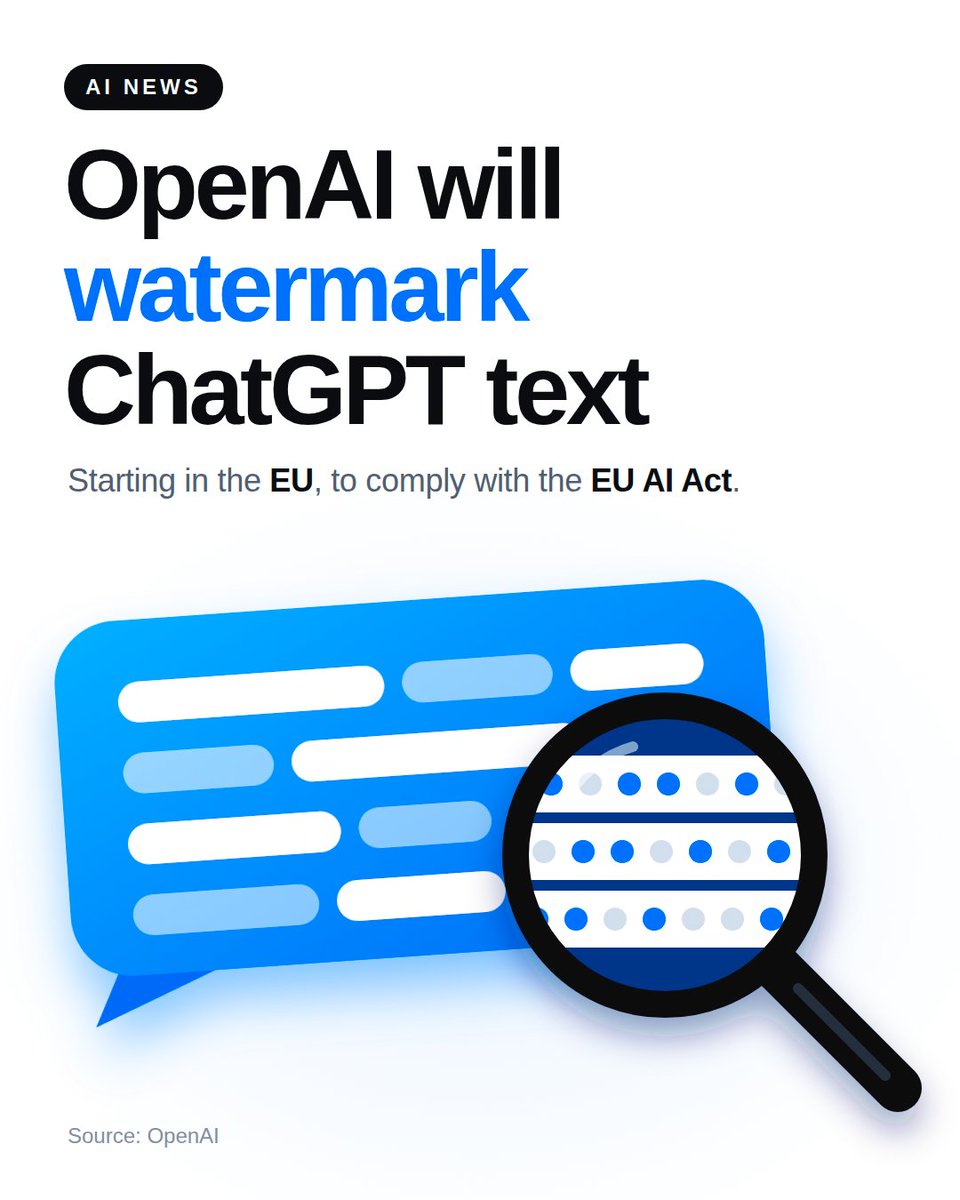
🚨 AI generated text is about to become easier to identify in the EU.
OpenAI says it will begin watermarking eligible text from ChatGPT and Codex in the coming weeks to meet EU AI Act requirements.
The company also says text watermarking is already available for select API models worldwide.
Would you want to know when the text you’re reading was AI generated?
GPT-6 Astra is now #1 across 4 Design Arena leaderboards.
According to Design Arena, it currently ranks #1 in:
→ 3D Design
→ Frontend
→ Full Stack
→ Image to HTML
Which one of these do you think is the biggest deal for designers?
MrBeast just posted his most viewed video ever in 24 hours.
71.8M views, with 77K comments and 1.7M likes.
He also says viewers are calling it one of his best videos ever.
17 years into creating content, and the bar is still moving higher.
MrBeast’s team may already be experimenting with YouTube’s Dynamic Thumbnails.
This thumbnail is a good example of how the same video can be packaged around a very specific moment or promise.
It’ll be interesting to see how creators like MrBeast use Dynamic Thumbnails.
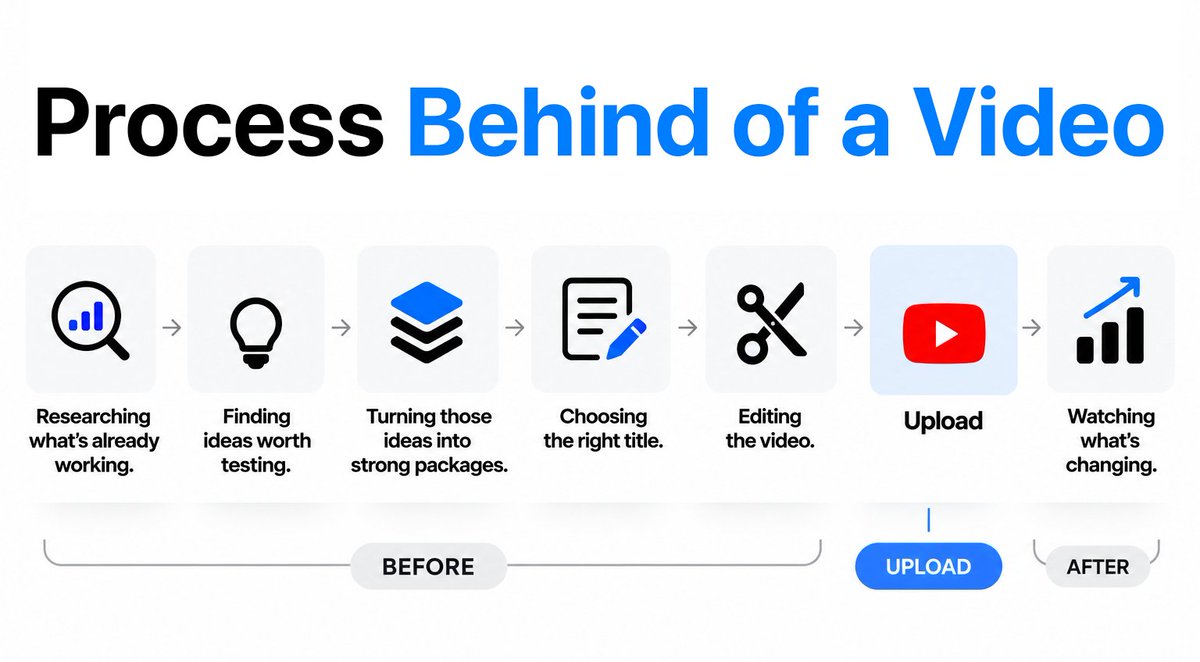
The best YouTube channels have a lot of work happening before the upload.
- Researching what’s already working.
- Finding ideas worth testing.
- Turning those ideas into strong packages.
- Choosing the right title.
- Editing the video.
- Watching what’s changing.
The actual upload is only one part of the process.
The advantage comes from having a system for everything that happens before and after you hit publish.
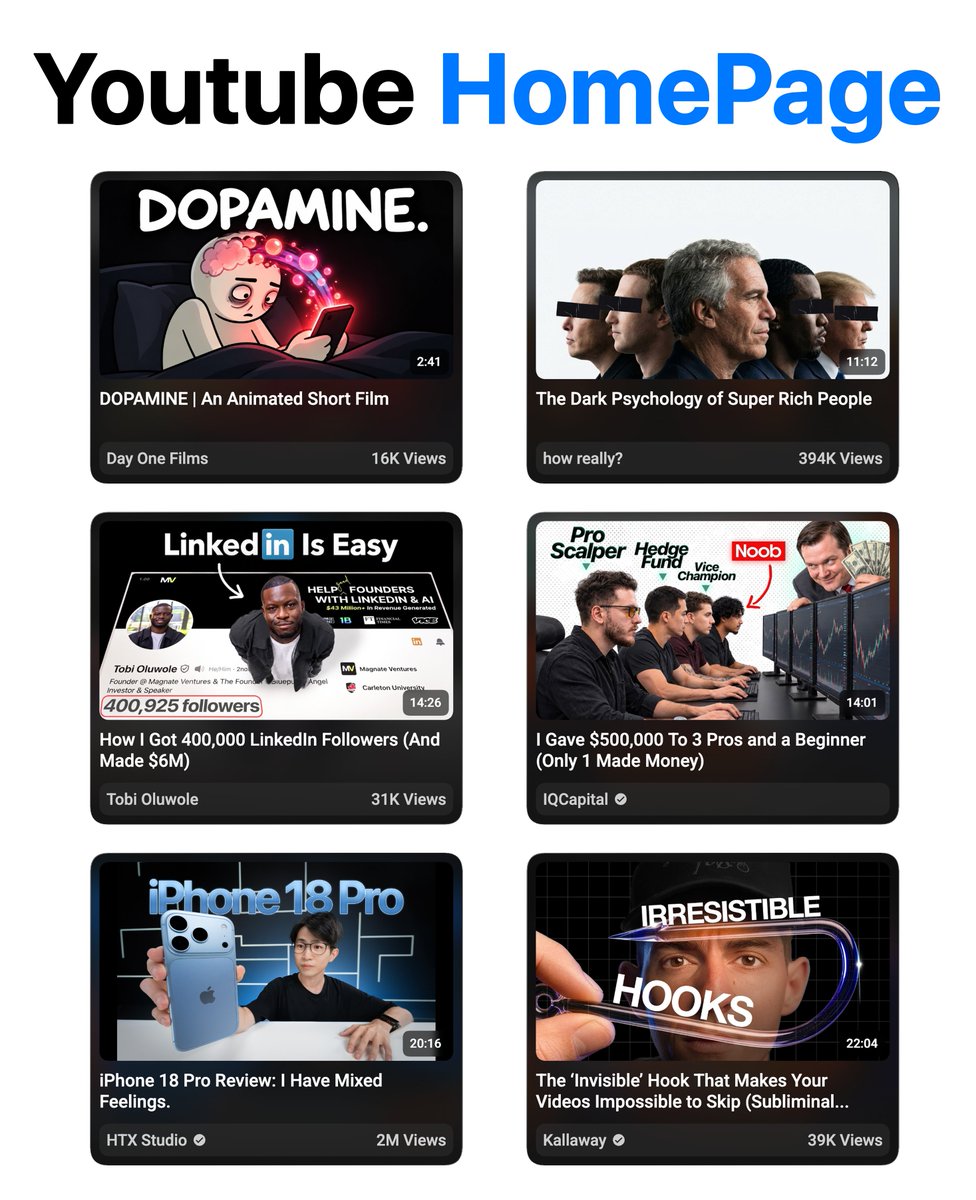
Most creators watch YouTube for entertainment.
Thumbnail designers should watch it like researchers.
Next time you’re on YouTube:
→ Browse your homepage normally
→ Save every thumbnail that makes you stop
→ Ask what made you notice it
→ Break down the composition, contrast, subject and idea
→ Find where the same visual pattern could work in another niche
Do this for 10 minutes a day.
You’ll build a much stronger visual library than by staring at other designers’ work all day.
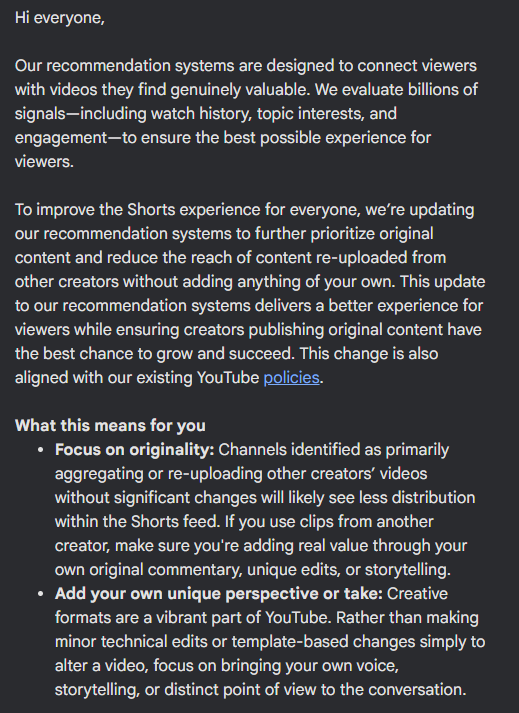
🚨 YOUTUBE JUST CHANGED THE RULES FOR SHORTS
YouTube is updating its recommendation system to prioritize original content and reduce distribution for reuploads that don’t add meaningful value.
That means simply:
→ Reuploading someone else’s clip
→ Making minor edits
→ Using template based changes
may not be enough anymore.
If you’re using someone else’s content, YouTube says you should add real commentary, unique editing, storytelling, or your own perspective.
The era of “just clip it and repost it” is getting harder.
Your old videos aren’t necessarily dead.
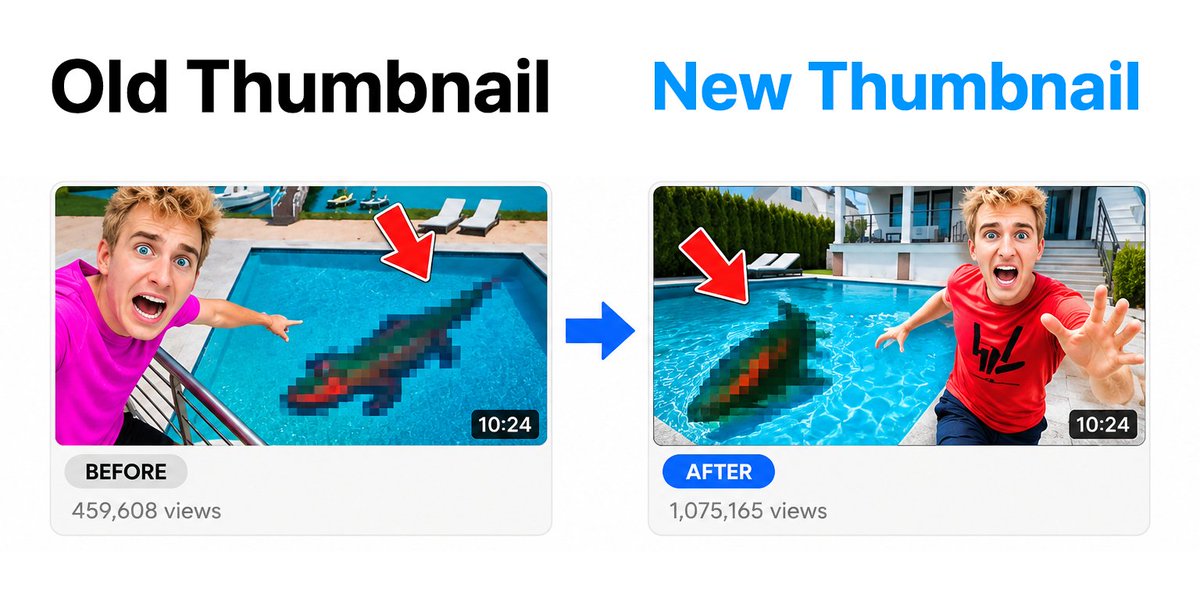
If a video has stopped getting views, changing the thumbnail can give it another chance to attract clicks.
Start with your older videos and look for:
→ Good videos with weak packaging
→ Videos that got impressions but few clicks
→ Topics that are still relevant today
Your existing library can have more potential than you think.
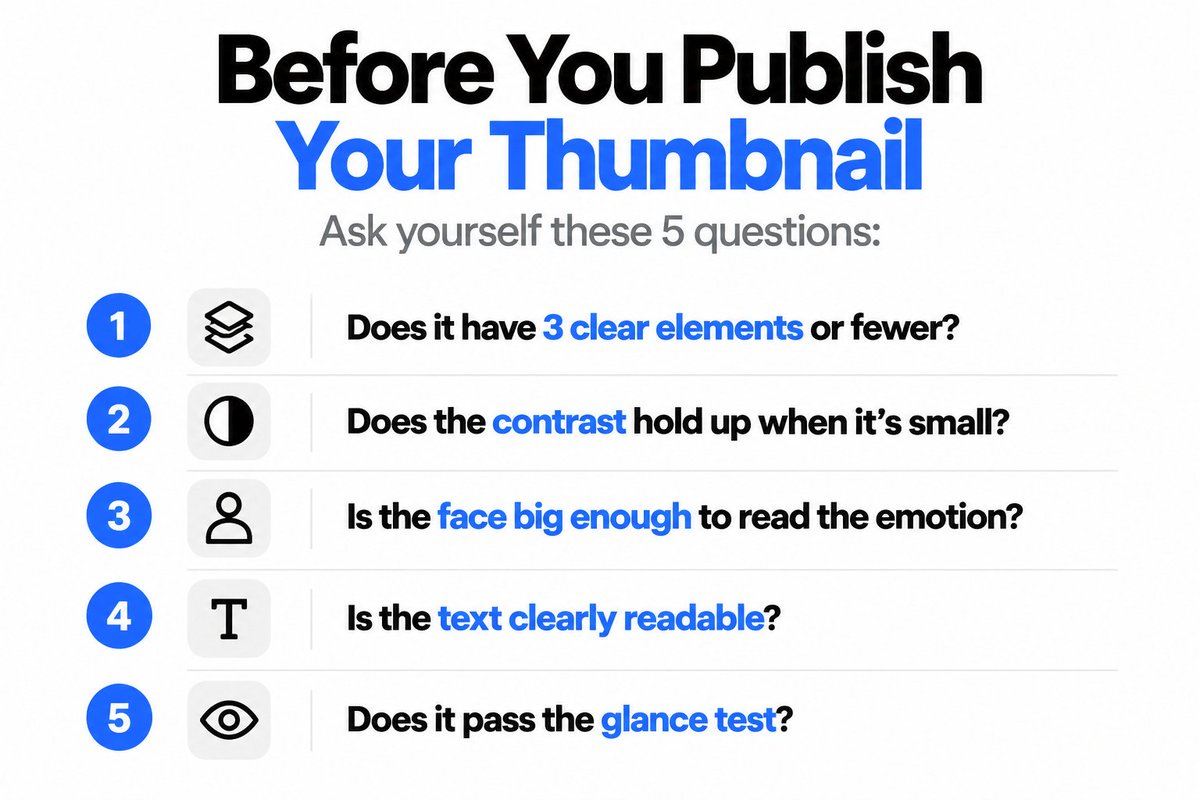
Before you publish a thumbnail, run it through this 5 point check.
→ 3 clear elements or fewer?
→ Does the contrast hold at small size?
→ Is the face large enough to read the emotion?
→ Is the text instantly readable?
→ Does it pass the glance test?
If you can’t answer yes to at least 4/5, it’s probably worth going back to the editor.