The presence of ticks in livestock environments creates a significant financial burden for producers, primarily through the direct and indirect costs associated with tick-borne diseases.
When ticks attach to hosts, they do more than just cause physical irritation; they act as vectors for various pathogens that can devastate a herd's health. The resulting economic impact is felt through reduced weight gain, diminished milk yields, and increased mortality rates, all of which strike at the very core of agricultural profitability.
Direct economic losses are often most visible in the immediate decline of productivity metrics. For example, cattle suffering from hemoparasitic diseases often experience chronic anemia, which leads to a sharp drop in milk production and slower growth rates in beef cattle.
Beyond the loss of output, producers face rising operational costs from the necessity of intensive veterinary interventions, the purchase of acaricides, and the labor required for constant monitoring and treatment. These expenses can quickly erode the thin margins common in many livestock enterprises.
Furthermore, the long-term economic consequences extend to the broader market and reproductive health.
Ticks can cause subclinical infections that weaken the overall resilience of the herd, leading to poor reproductive performance and lower conception rates.
This reduces the efficiency of breeding cycles and limits the long-term growth potential of the livestock operation.
In a globalized market, the risk of spreading these diseases through movement also introduces regulatory hurdles and potential trade restrictions, making the management of tick-borne diseases a critical component of sustainable economic stability in farming.
The difference between bacterial and viral tick-borne diseases
Bacterial and viral tick-borne diseases differ primarily in their causative agents, the way they are treated, and their typical clinical progression.
Causative Agent: Bacterial diseases are caused by single-celled organisms like Borrelia burgdorferi (Lyme disease) or Rickettsia species. Viral diseases are caused by submicroscopic infectious agents, such as the Crimean-Congo hemorrhagic fever virus or Powassan virus.
Treatment: Bacterial infections are typically treated with specific courses of antibiotics, such as doxycycline. Viral intections do not respond to antibiotics; treatment is usually supportive (managing symptoms) or involves specific antiviral medications if available.
Biological Structure: Bacteria are living cells that can reproduce independently, whereas viruses require a host cell to replicate.
Symptoms and Progression: While both can cause fever and aches, bacterial diseases often follow specific patterns like the "bullseye" rash seen in Lyme disease, whereas many viral tick-borne illnesses can cause more rapid, systemic issues like hemorrhagic fever or neurological complications.
The main difference is that bacterial diseases are treated with antibiotics, while viral diseases are managed through supportive care or antivirals.
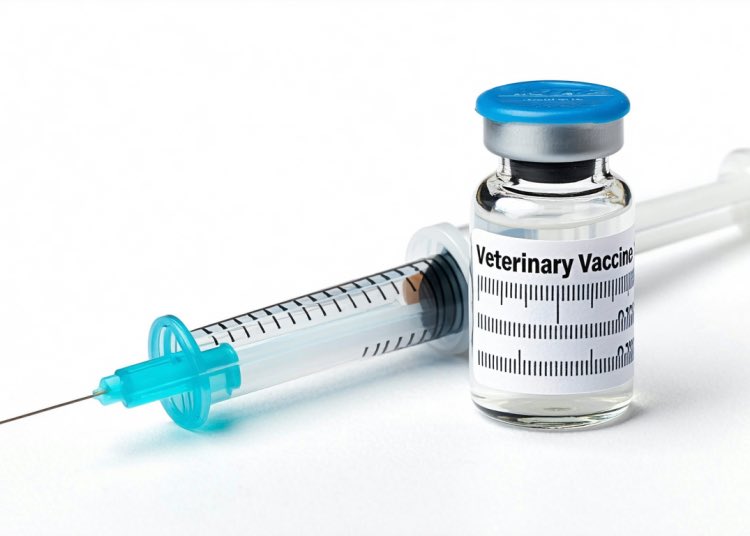
Vaccines work by mimicking a natural infection to train a cow's immune system to recognize and fight specific pathogens without the animal actually getting sick.
When a vaccine is administered, it introduces a weakened or inactivated version of a virus or bacteria, or even just a small piece of its protein, into the animal's body. This substance, known as an antigen, triggers the immune system to identify the foreign invader as a threat.
Once the immune system detects the antigen, it begins producing specialized cells and proteins called antibodies. These antibodies are custom-built to latch onto the specific pathogen. Simultaneously, the body creates memory B and T cells, which act as a biological library.
These cells "remember" the specific structure of the pathogen, allowing the cow to mount a much faster and more aggressive defense if it ever encounters the actual disease in the future.
The effectiveness of cattle vaccination often depends on the method of delivery and the timing of the doses.
Many livestock vaccines require a primary dose to initiate the immune response, followed by booster shots to solidify long-term memory. Farmers must also consider the route of administration-whether via injection, nasal spray, or oral bolus-to ensure the vaccine reaches the most effective part of the immune system.
Proper storage and handling are also critical to ensure the biological components remain active and capable of triggering this protective response.
The prevalence of tick-borne diseases in Uganda is a critical factor influencing both food security and the national economy.
In many regions, particularly within the cattle corridor, ticks act as primary vectors for several devastating pathogens that target bovine health. These diseases often lead to significant economic losses through high mortality rates, reduced milk production, and decreased weight gain in livestock, which directly impacts the livelihoods of pastoralist and agro-pastoralist communities.
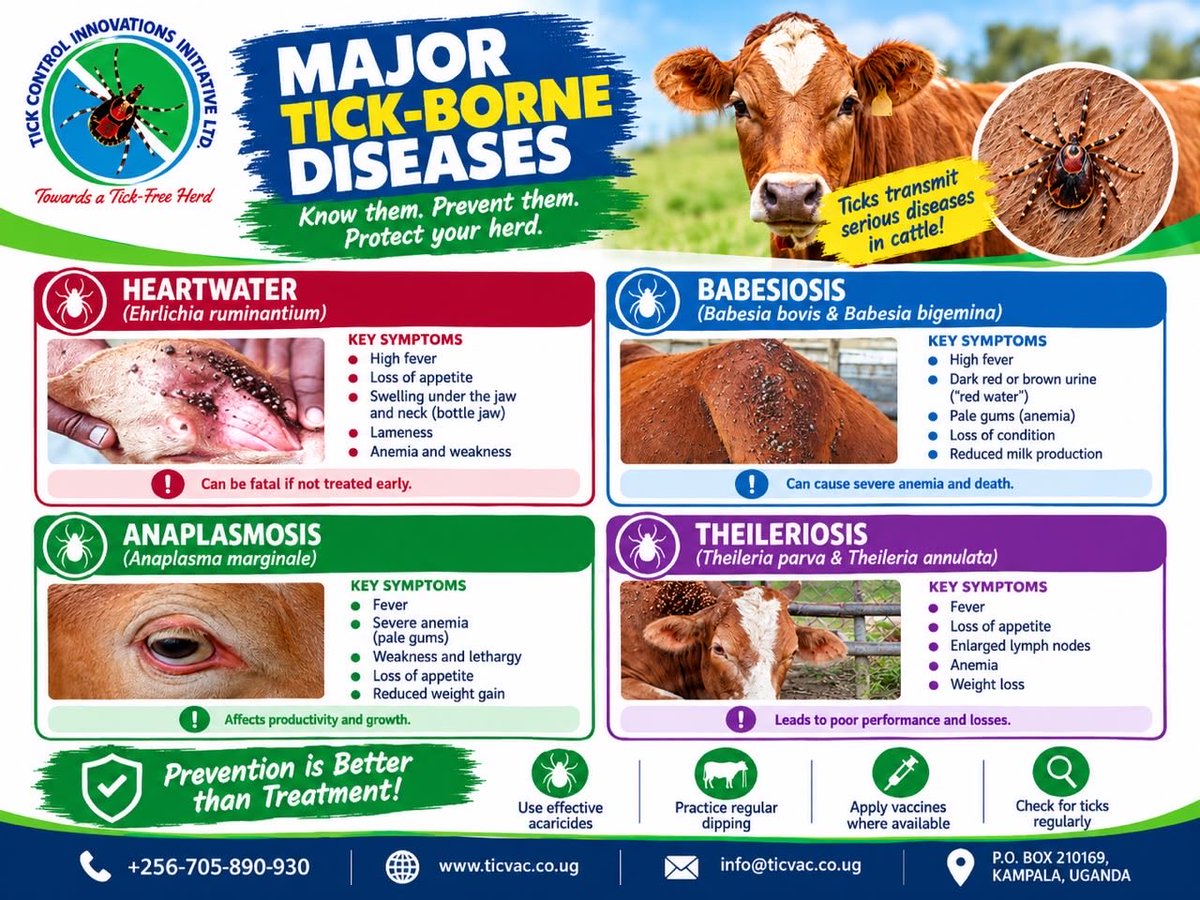
The most common ailments transmitted by ticks in Ugandan cattle include Bovine Babesiosis and Anaplasmosis, often referred to as "tick fever." These conditions are caused by protozoa and bacteria, respectively, which are injected into the animal during the tick's feeding process.
Additionally, Theileriosis, caused by the parasite Theileria parva, remains a major threat in many parts of the country, often leading to rapid clinical decline and death if not treated promptly.
The presence of these diseases is heavily influenced by seasonal rainfall patterns, which create the humid environments necessary for tick populations to thrive.
Managing these outbreaks requires a multi-faceted approach centered on effective acaricide use and pasture management.
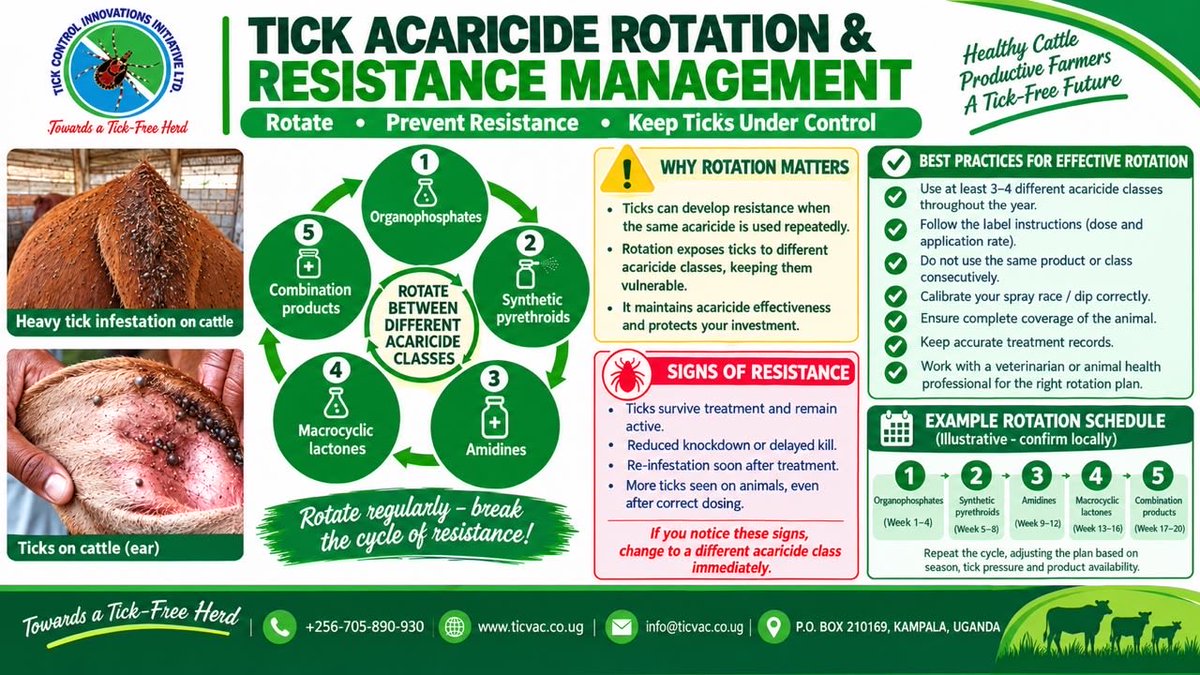
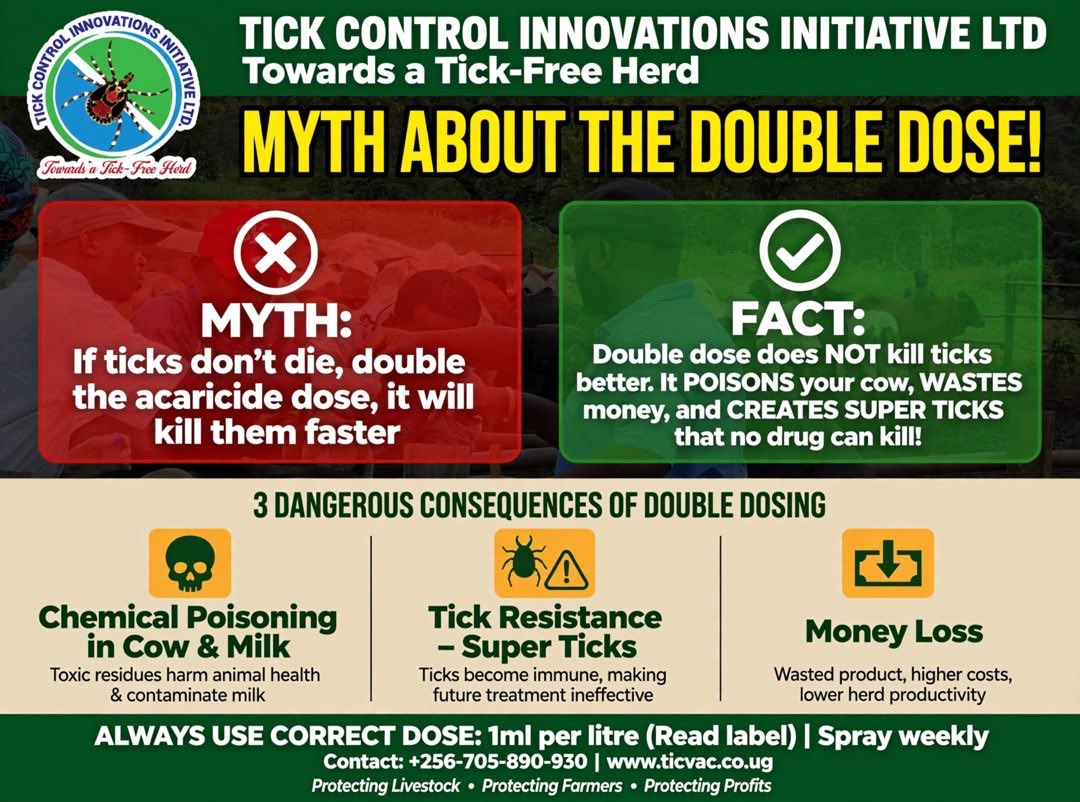
Farmers are encouraged to implement regular dipping or spraying schedules to control tick loads on their animals. However, the increasing development of acaricide resistance among tick populations is a growing concern that necessitates the rotation of different chemical classes.
Furthermore, combining chemical control with biological methods and improving veterinary extension services can help farmers recognize early symptoms, such as high fever or anemia, ensuring timely intervention and better survival rates for their herds.
In Uganda, the prevention and control of tick-borne diseases (such as East Coast Fever and Bovine Babesiosis) focus on a combination of chemical, biological, and management strategies to protect livestock.
Chemical Control
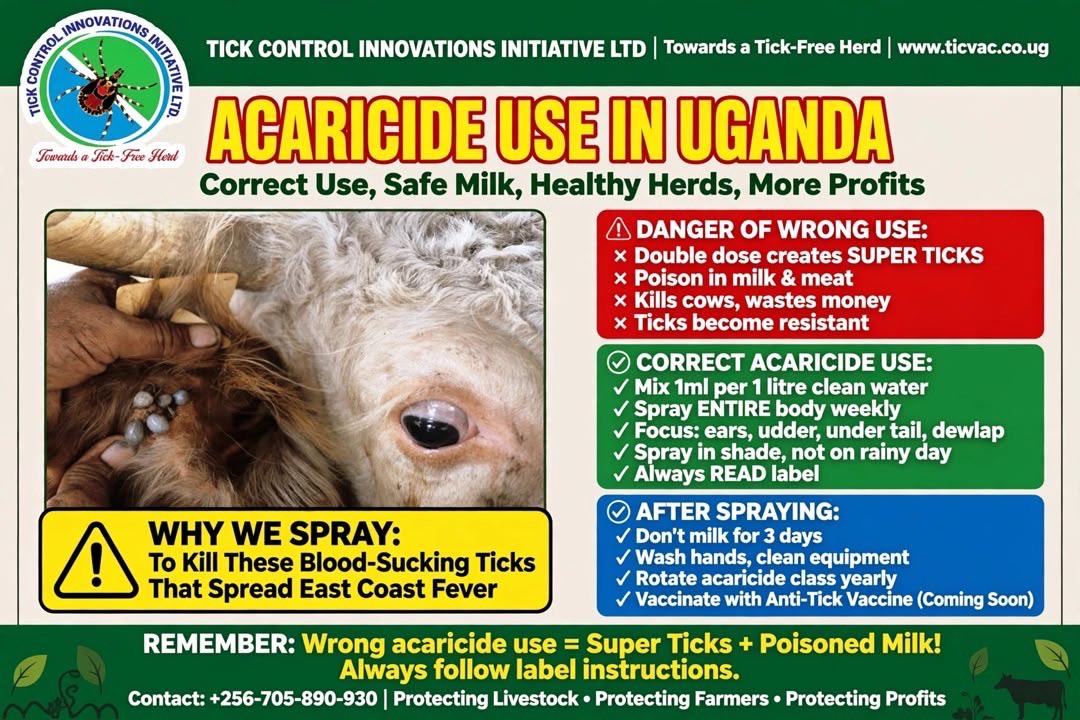
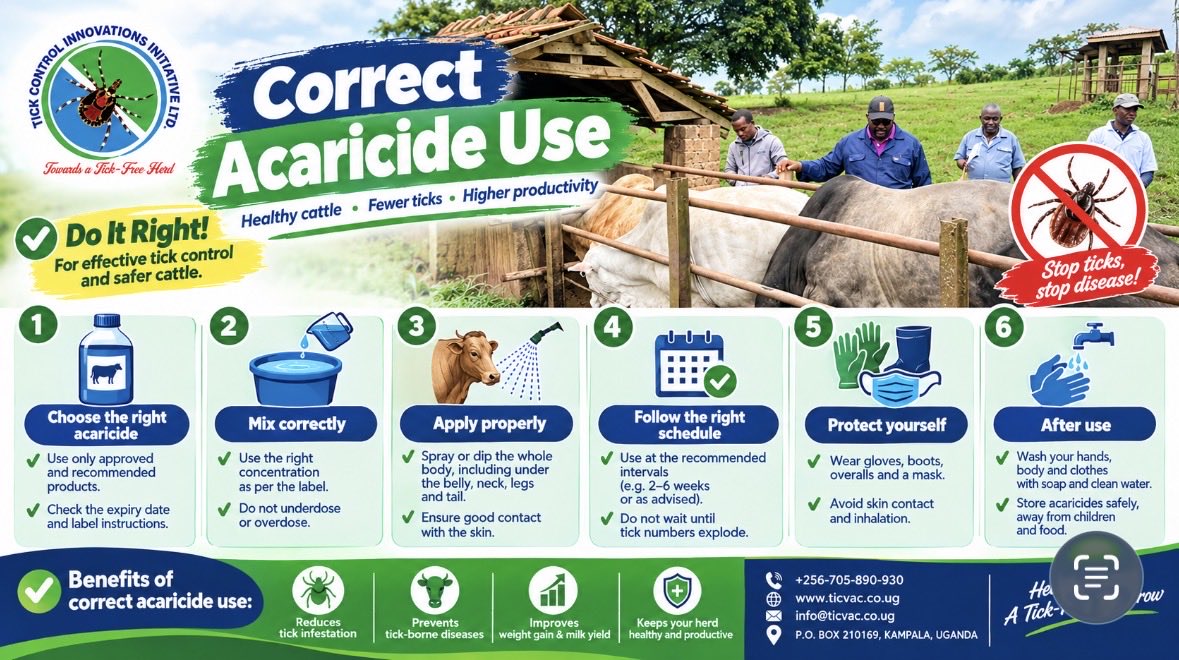
The most common method involves the use of acaricides-chemicals applied to animals to kill or repel ticks. This is typically done through:
Dipping: Submerging livestock in a trough containing an acaricide solution.
Spraying: Using hand-held or mechanized sprayers to coat the animal's body.
Pour-ons: Applying liquid chemicals directly along the animal's back.
Biological and Veterinary Control
Vaccination: Using live or inactivated vaccines to boost the animal's immunity against specific diseases like East Coast Fever.
Parasite Management: Rotating grazing lands to prevent ticks from accumulating in a single pasture and treating animals immediately after they show signs of infestation.
Environmental Management
Pasture Rotation: Moving livestock between different grazing areas to break the tick's life cycle.
Clearing Vegetation: Keeping grass short around grazing areas and homesteads to reduce the humidity and shade that ticks prefer.
Proper Disposal: Ensuring animal carcasses are disposed of correctly so they do not serve as breeding grounds for parasites.
Integrated Management
Effective control usually requires an integrated approach, combining regular acaricide application with vaccination and good pasture management to ensure long-term livestock health.
The overuse of a single acaricide can lead to chemical resistance in ticks. This makes it vital for farmers and veterinary services to constantly rotate different types of chemicals and integrate biological controls to ensure long-term effectiveness.
3 Common Mistakes Farmers Make When Dipping Cattle during the Rainy Season
The rainy season brings abundant pasture and water for livestock, but it also creates ideal conditions for ticks and other external parasites to thrive. Regular cattle dipping is one of the most effective ways to control these parasites and protect animal health. However, many farmers unknowingly make mistakes during the rainy season that reduce the effectiveness of dipping and leave their cattle vulnerable to tick-borne diseases.
1. Dipping Cattle during Heavy Rain
One of the most common mistakes is dipping cattle while it is raining or just before a heavy downpour. Rain can wash off or dilute the acaricide before it has enough time to work effectively. As a result, cattle remain exposed to ticks despite being dipped.
What to do instead: Plan dipping when the weather is dry and allow cattle enough time to dry before they are exposed to rain. Checking the weather forecast can help you choose the best time.
2. Failing to Maintain the Correct Dip Concentration
Rainwater, mud, and organic matter can affect the concentration of chemicals in the dip tank. Some farmers also add water without adjusting the chemical levels, making the solution too weak to control ticks effectively. An incorrect concentration can also contribute to the development of acaricide resistance.
What to do instead: Regularly monitor the dip tank, follow the manufacturer's mixing instructions, and replenish the acaricide at the recommended intervals to maintain the correct concentration.
3. Returning Cattle to Tick-Infested Pastures Immediately
Even after successful dipping, cattle can quickly become re-infested if they are immediately released into heavily tick-infested grazing areas. This reduces the benefits of dipping and increases the risk of diseases such as East Coast Fever, anaplasmosis, and babesiosis.
What to do instead: Allow cattle to dry in a clean holding area before returning them to pasture. Where possible, rotate grazing areas and implement integrated tick-control practices to reduce parasite pressure.
Conclusion
Effective cattle dipping are more than simply running animals through a dip tank. It requires proper timing, the correct chemical concentration, and good pasture management. By avoiding these common mistakes, farmers can improve tick control, reduce disease outbreaks, and keep their cattle healthy and productive throughout the rainy season.
Remember, healthy cattle are the foundation of a profitable livestock enterprise. Proper dipping practices today can prevent costly health problems tomorrow.
+256-705-890-930
https://t.co/3zy2ikEFQX
[email protected]
P.O. BOX 210169, KAMPALA, UGANDA
Grateful to the Minister of Science, Technology and Innovation, Hon. Eng.
Jonard Asiimwe Akiiki, for the follow-up engagement today.
As the Anti-Tick Vaccine Team, we remain focused on accelerating the transition from lab to industrial-scale production for Ugandan farmers.#tcii
Following his recent visit to Makerere University, the Hon. Minister for Science, Technology and Innovation, Hon. Eng. Jonard Asiimwe Akiiki, this morning received the Anti-Tick Vaccine team, led by Dr. Margaret, for a follow-up engagement on research and development, proposed production lines and the pathway towards mass vaccine production.
The meeting focused on accelerating the innovation towards industrial-scale production, in line with the aspirations of H.E. President Yoweri Kaguta Museveni, who has consistently championed the initiative.
The Minister and the team agreed on key actions and regular follow-up engagements to address implementation challenges and accelerate progress.
“People often come into conflict when they fail to meet and communicate.” The Minister emphasised the importance of continuous engagement, coordination and timely resolution of challenges.
#STIUganda #STIWorks
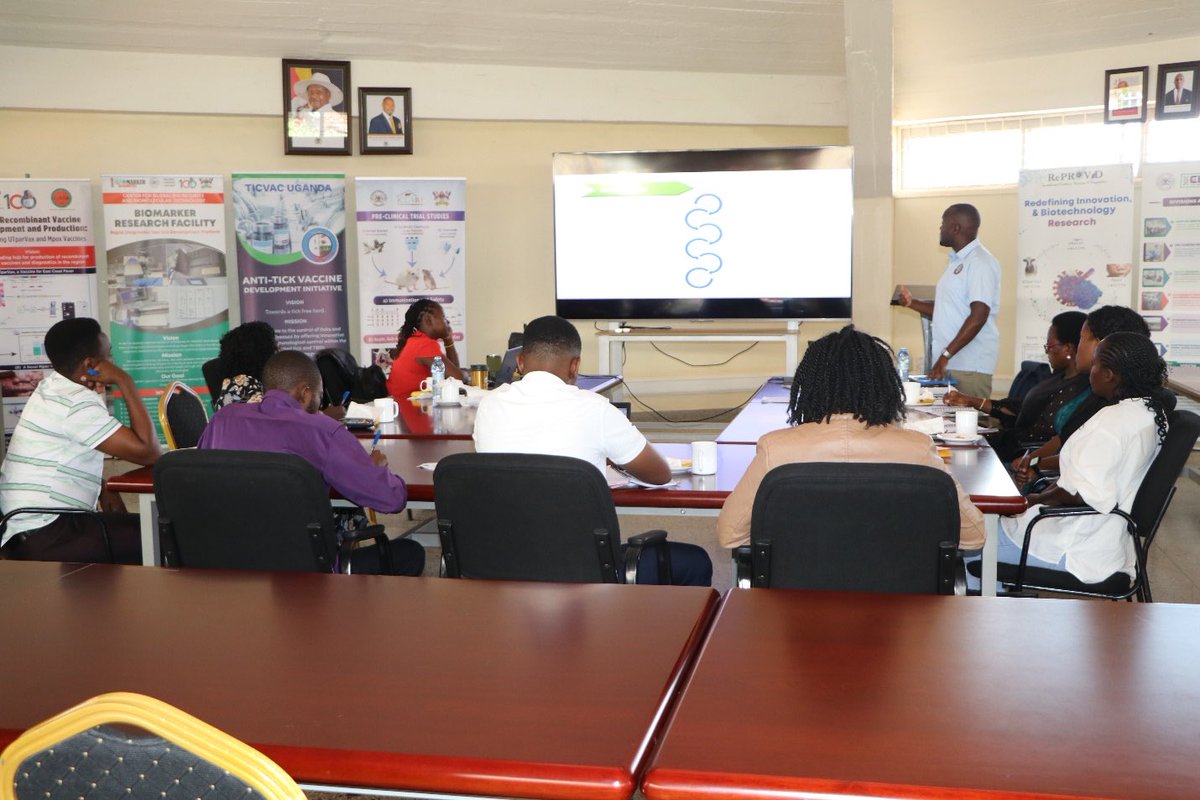
Tick Control Innovation Initiative Limited (TCII) has strengthened its internal inventory and supplier management systems after a training session aimed at building staff capacity in effective inventory control, supplier qualification, and procurement processes.#tcii#ticvac_u