"L'absence est la vraie pierre de touche des sentiments, c'est elle seule qui nous donne le secret de notre cœur : deux amis, deux amants, deux époux qui ne se sont jamais quittés ne savent pas encore à quel point ils sont nécessaires ou non à l'autre."
Louis de Bouillé
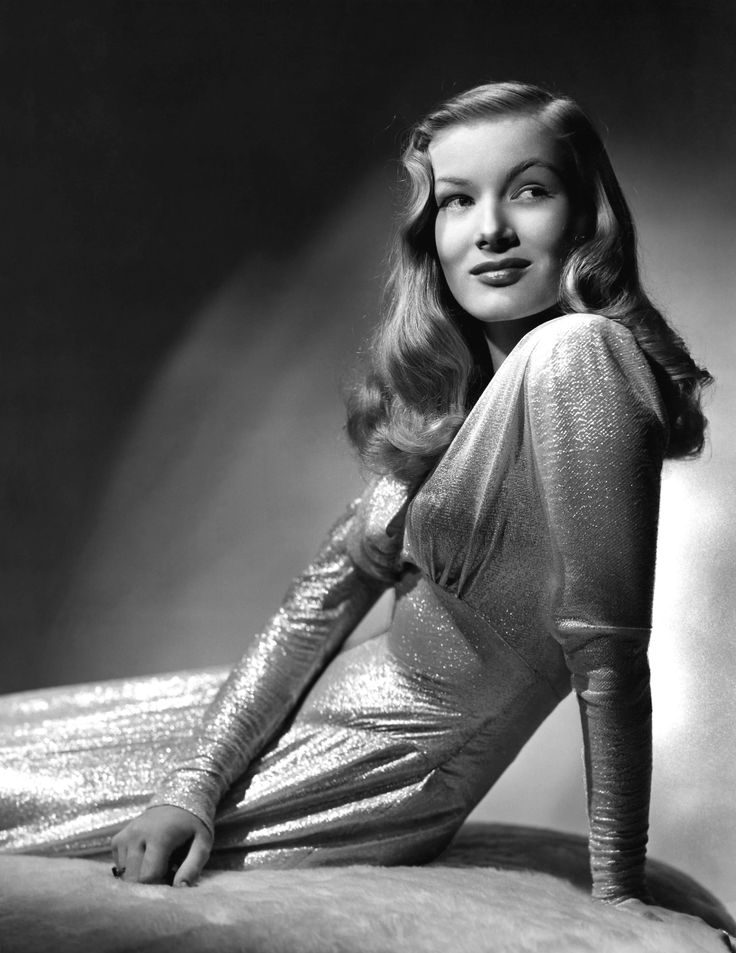
Born on today’s date in 1922, the sultry Veronica Lake. A staple of 1940’s cinema, especially in film noir with frequent costar Alan Ladd, Lake captivated audiences with her screen persona and famous peek-a-boo hairstyle. After a somewhat hard and tumultuous life after Hollywood, she passed away in 1973 at the age of 50.
Films include Sullivan’s Travels (1941), This Gun For Hire (1942), The Glass Key (1942), So Proudly We Hail (1943), The Blue Dahlia (1946), Ramrod (1947) and Slattery’s Hurricane (1949).
#MarilynMonroe#ClassicHollywood
Beautiful Short clip from movie ‘Some Like It Hot’1959. Marilyn is performing the song “I'm Through With Love”.
🖤🎹🖤🎹🖤🎹🖤🎹🖤
Remembering the great Bill Evans who was born on this day in 1929. Known for lush harmonies and lyrical improvisation, Evans is regarded as one of the most influential pianists of his time.
The way Evans built and connected chords and improvised melodies gave his playing a romantic quality that contrasted with much of 1950s bebop. In an interview given in 1964, Evans described Bud Powell as his single greatest influence. His repertoire was also unusual. Musical theatre pieces such as “Someday My Prince Will Come” and “My Favorite Things” became in his hands bold rhythmic and chromatic experiments.
During his lifetime, Evans was honored with 31 Grammy nominations and seven Awards. In 1994, he was posthumously honored with the Grammy Lifetime Achievement Award.
Here, he is performing “Emily” with Eddie Gomez on bass and Marty Morell on drums live in Finland, 1970.
Waltz for Debby era de algún modo la obra "mimada" de Bill Evans.
Aquí lo apreciamos en el Village Vanguard de NYC junto al contrabajista Scott LaFaro y Paul Motian en batería.
Antes de LaFaro, el contrabajo cumplía una función básica de soporte rítmico, pero él contribuyó más que ningún otro a liberar el bajo de esta función, para hacer un instrumento más libre y melódico.
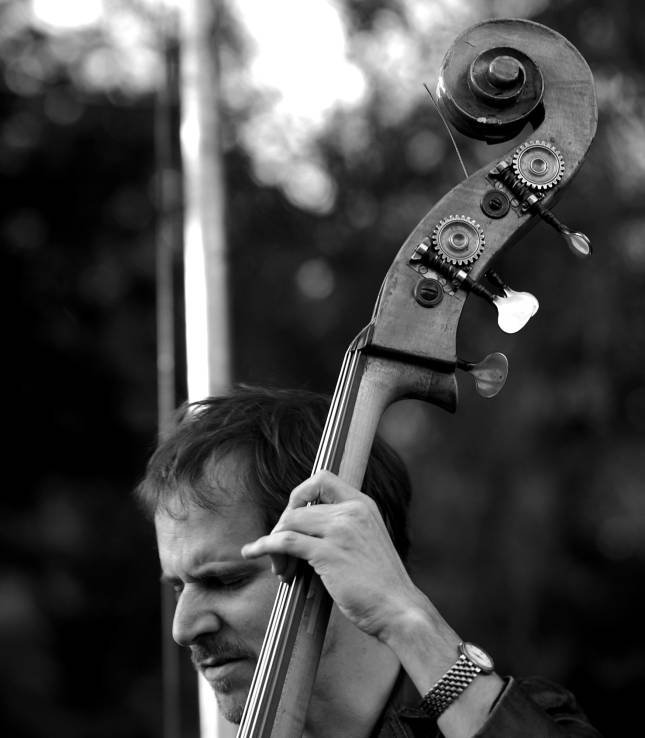
Recuerdo que un día le pregunté a mi compadre Andrés (el de la foto) acerca de su influencia y me contestó: Fué alguien que abrió una ventana y no solo entró la luz del sol, sino una bocanada de aire fresco para el Jazz.
❤️