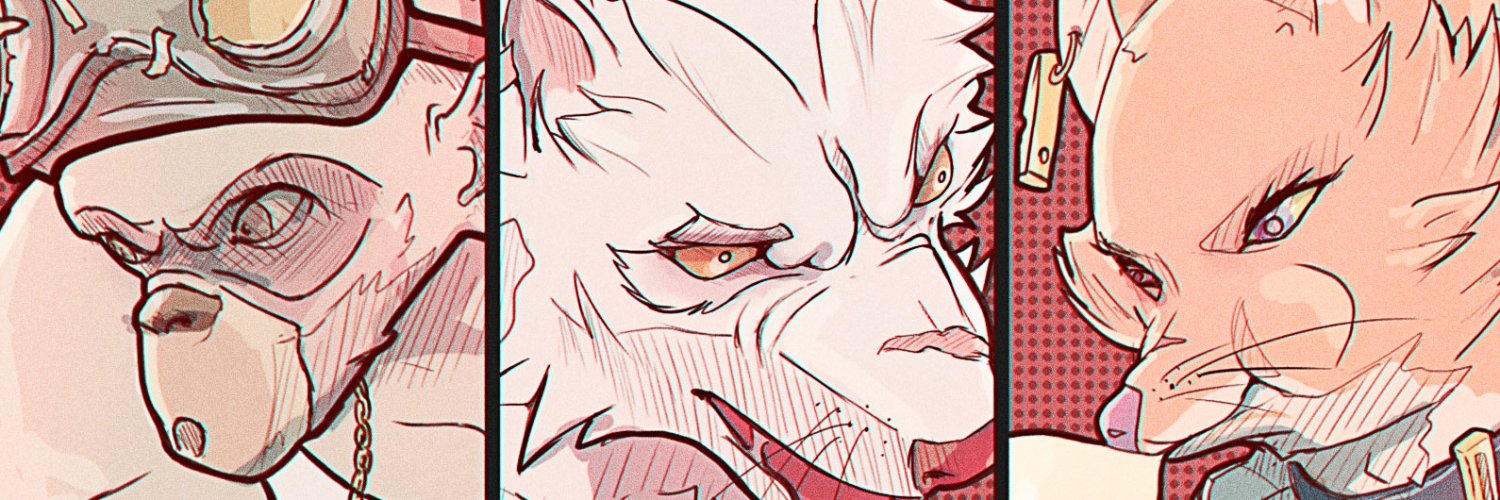
My friends helped me bring what I know about art into Web3. This canvas belongs to everyone. Buy the token, add your part, and shape what it becomes. The rest is up to you.
I’ve never been into crypto. My friends told me it could help artists make money from their work, so I listened. I think marks could be a breath of fresh air for everyone who follows my art.
https://t.co/5EavS2PiHU
“we are publishing a series of stories, interviews, podcasts and more about what keeps drawing people to the Grateful Dead, and how fans and musicians who cherish the band's legacy plan to carry it forward”
Should designers publicly share killed or speculative work?
Earlier this week, I got a bit spicy with a tweet. This medium is not optimized for depth, but I think this question needs it. So, I felt compelled to expand and clarify my thinking.
https://t.co/6JputqqNqX
Hi All! Today, I just launched my new research website https://t.co/9LBKDvBWKV! The website will act as an accompanying project to my current PhD Research! Please feel free to get in touch share and subscribe to my blog! #PhD#Gothicfiction#Folklore#Folkloresque
Really sad news about the great David Hockney. Like the Brontes, he came from Bradford and conquered the world. When he lived at Fulham his house was full of paintings, and he'd always tell guests they were just copies - even though the paint was still wet on some of them.
I think that the most fun I've had has been to make music. Inference is very quick, which leaves room for a lot of iterations and experimentation.
I have a little shell script which takes positive and negative guidance as text along with various "knobs and dials" values and plays some music. I've had it make ambient music that we listen to at home during dinner etc.
I'm impressed with Claude Design.
I see its disruption starting with smaller teams.
As a founder I find myself turning to it more and more for the convenience of one-off design tasks. Sure, it's super slow, and one-shot quality is not quite there, and its image capabilities suck, but using it in between multi-tasking other things, it's helping me move faster.
As @HarryStebbings says the "all-in-one" Claude interface has a huge psychological advantage as being the place people are already working.
I don't think it's a great tool yet for a designer-designer (the speed / control dials are not yet satisfying), and for larger teams where there is a need for collaboration + working within an existing design system Figma still wins hands down (this is their biggest moat currently -- enterprise team needs are v. long-tail).
One thing that is increasingly driving me crazy: AI made workplace writing cheap, but reading is still expensive!
Again and again I see posts that are now twice as long as need be, and more meandering than a walk in the woods.
The problem is simply this: the writer thought about what they wanted to say and asked a model to draft it. They did they stop to think: "What do I really want the reader to take away?"
Before you ask AI to draft your next email, memo, or Slack update, answer these five questions:
1. Who exactly needs to read this?
Is this for your manager? The leadership team? Your whole company?
Treat their attention like a budget. If 100 people each spend three minutes reading your note, you have just spent five hours of company time. Make the note crisp!
2. Who has the least context?
Write for the least-informed person in your target audience. Your manager may not remember the outcome your team is chasing. Remind them: “Our goal is to launch X by Y date and get Z response.”
Your immediate team may know that DNU means “daily new users.” A broader audience probably will not. (AI is especially good at speaking jargon!)
3. What should readers do after reading?
Be specific:
- Prevent a bad decision: explain what is happening, then state what you do not want people to do.
- Get a decision: put DECISION NEEDED in the first line and lay out the options.
- Create confidence: lead with the status and the evidence, so readers can stop after the first paragraph.
- Change a behavior: name the current behavior, the problem it causes, the replacement behavior, and how it will be enforced.
If you cannot name the intended response, AI will happily produce three paragraphs that lead nowhere.
4. What is the minimum context required to get that outcome?
Include the goal. Explain how you got here only when it changes the decision. State what you need from the reader. Then stop.
If you feel the need to include every piece of history, at least use a TL;DR followed by “Additional context.” AI can help compress the note, but it cannot know which details matter unless you have told it what the reader needs and it will happily write you a tome.
5. Is text the clearest way to make the point?
When AI makes text easy, it is tempting to reach for text even when another format would work better. If you are explaining a data insight, include the chart. If you are describing a product decision or bug, include a screenshot or short video. If the message is complex and you are clearer in person, record a short video.
AI can draft the sentences, but it's still your responsibility to make sure that the collective five hours that 100 people spent reading them was a good use of time!
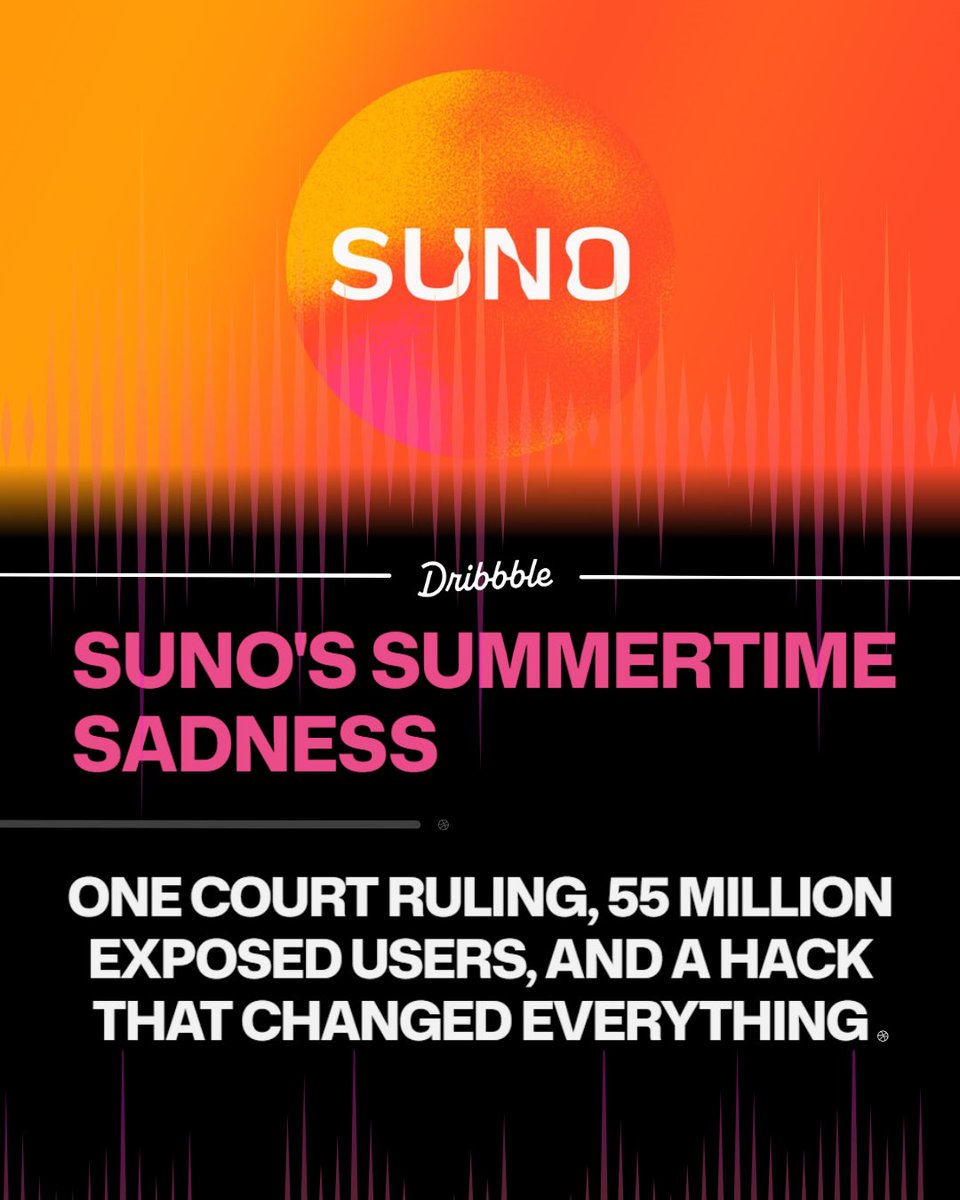
The Suno story has everything every mark of an evolving drama: a landmark European court ruling, 55 million exposed users, and leaked source code that revealed exactly how they'd been training their models all along. And for once, it's not just a music industry problem.
Every creative field is watching this case. Because if training AI on someone else's work holds up as fair use, the implications go well beyond music.
#Suno #AIMusic #Copyright #DesignNews #MusicIndustry