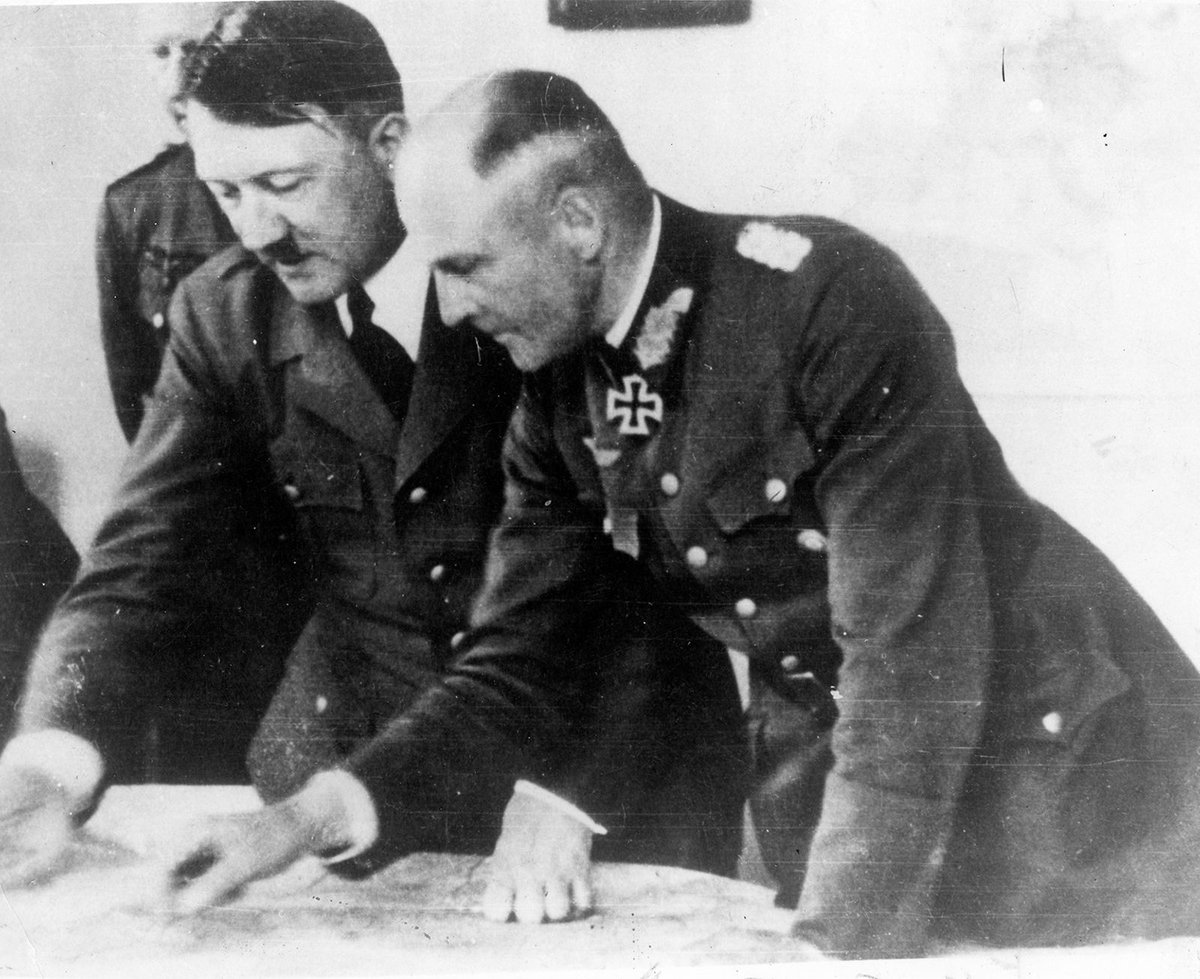
On Dec. 19, 1941, Adolf Hitler appointed himself Commander-in-Chief of the German Army, consolidating total control of military forces during World War II at a critical phase of conflict on the Eastern Front against the Soviet Union.
On Dec. 19, 1983, the original FIFA World Cup Jules Rimet Trophy was infamously stolen from the Brazilian Football Confederation in Rio de Janeiro. Despite major investigations, the historic trophy was never recovered and is believed to have been melted down.
On Dec 17, 1903, Wilbur and Orville Wright achieved the first successful powered, controlled airplane flight near Kitty Hawk, North Carolina. The fragile Flyer stayed airborne for just 12 seconds, but it launched the age of aviation and forever changed how humans travel the world.
On Oct 7, 2001, the United States and its allies launched Operation Enduring Freedom, beginning the war in Afghanistan in response to the 9/11 attacks. Airstrikes and ground operations targeted al-Qaeda and the Taliban, starting America’s longest war.
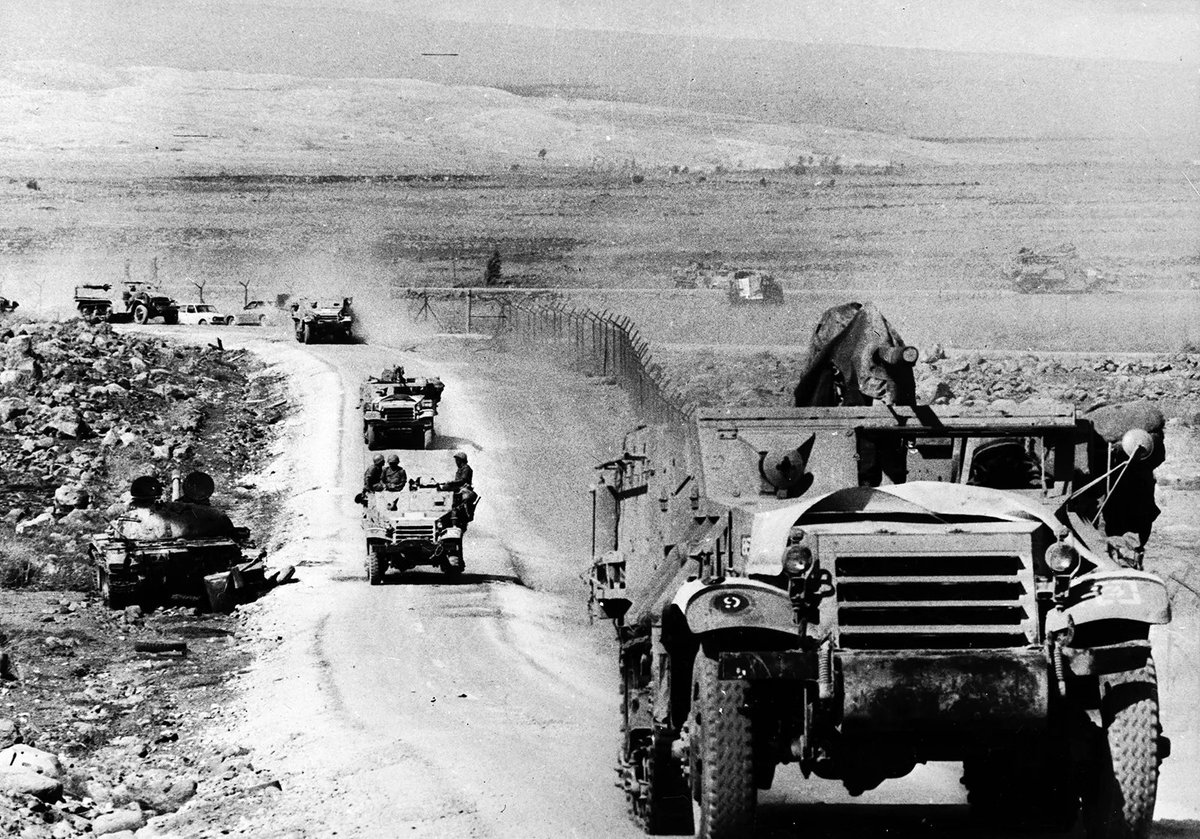
On Oct 6, 1973, the Yom Kippur War began as Egypt and Syria launched a surprise attack on Israel during the holiest day of the Jewish calendar. The conflict reshaped Middle Eastern politics and highlighted the global stakes of oil and military power.
On Oct 5, 1962, the first James Bond film, Dr. No, premiered in London, introducing Sean Connery as 007. On that same day, the Beatles released their debut single “Love Me Do,” marking the birth of two cultural forces that would shape global pop culture.
On Oct 4, 1957, the Soviet Union launched Sputnik 1, the first artificial satellite to orbit Earth. Its beeping signal shocked the world, igniting the space race and sparking technological competition that would drive humanity to the Moon within 12 years.
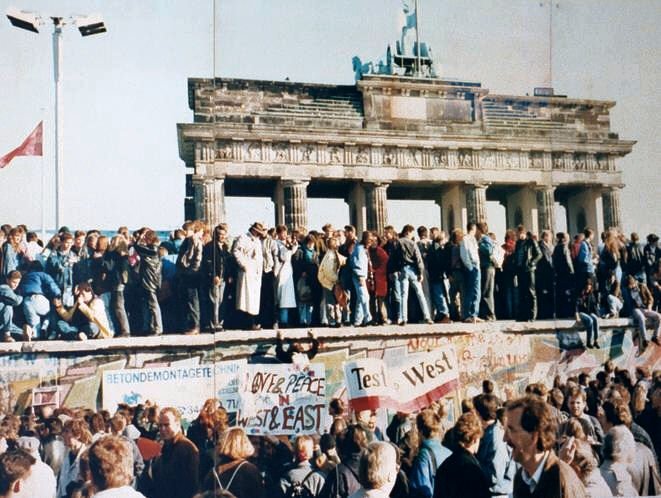
On Oct 3, 1990, East and West Germany were officially reunified after 45 years of division following World War II. The fall of the Berlin Wall had paved the way, and this day marked not just national unity, but a milestone in the end of the Cold War.
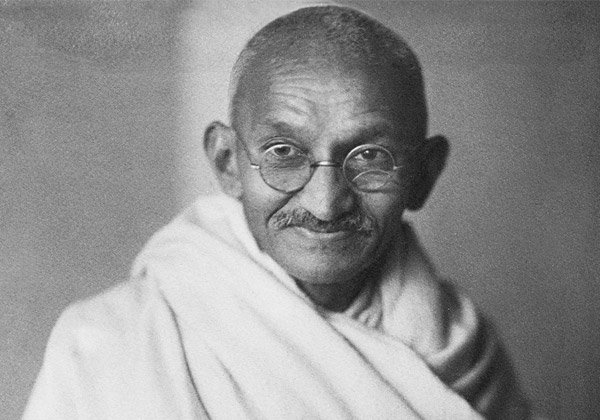
On Oct 2, 1869, Mohandas K. Gandhi was born in Porbandar, India. His philosophy of nonviolent resistance would inspire India’s struggle for independence and influence civil rights movements worldwide, leaving him remembered as Mahatma, the “great soul.”
On Oct 1, 1949, Mao Zedong stood in Tiananmen Square and proclaimed the founding of the People’s Republic of China. After decades of civil war and foreign occupation, Beijing became the capital of a new communist state that would reshape global politics.
On Sept 30, 1949, the Berlin Airlift officially ended after nearly a year of nonstop flights. Western planes had delivered 2.3 million tons of supplies to keep West Berlin alive during the Soviet blockade, a triumph of endurance and determination.
On Sept 29, 1954, twelve European countries came together in Geneva to establish CERN, a research center for nuclear science. It became home to groundbreaking discoveries including the creation of the World Wide Web and the Higgs boson particle.
On Sept 28, 1928, Alexander Fleming noticed mold killing bacteria in his petri dishes at St. Mary’s Hospital in London. This chance observation led to the discovery of penicillin, the world’s first antibiotic, which would save countless millions of lives.
On Sept 27, 1825, the Stockton and Darlington Railway, the world's first public railway to use steam locomotives, was officially opened in England. This milestone revolutionized transportation and laid the foundation for modern railways.
On Sept 26, 1960, the first-ever televised U.S. presidential debate took place between John F. Kennedy and Richard Nixon. The event marked a significant shift in political campaigning, showcasing the growing influence of television on public opinion.
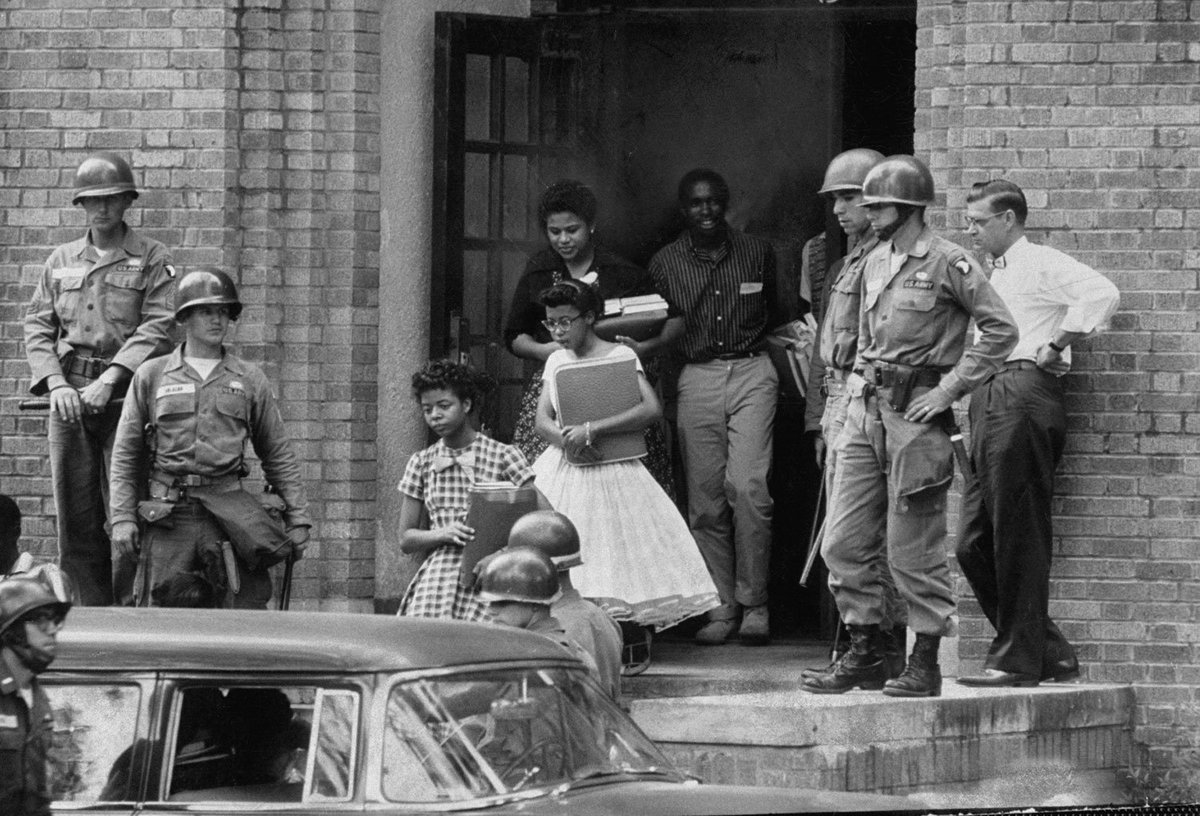
On Sept 25, 1957, nine African-American students known as the Little Rock Nine were escorted by federal troops into Central High School in Little Rock, Arkansas, after facing violent opposition. Their courage became a pivotal moment in the Civil Rights Movement.