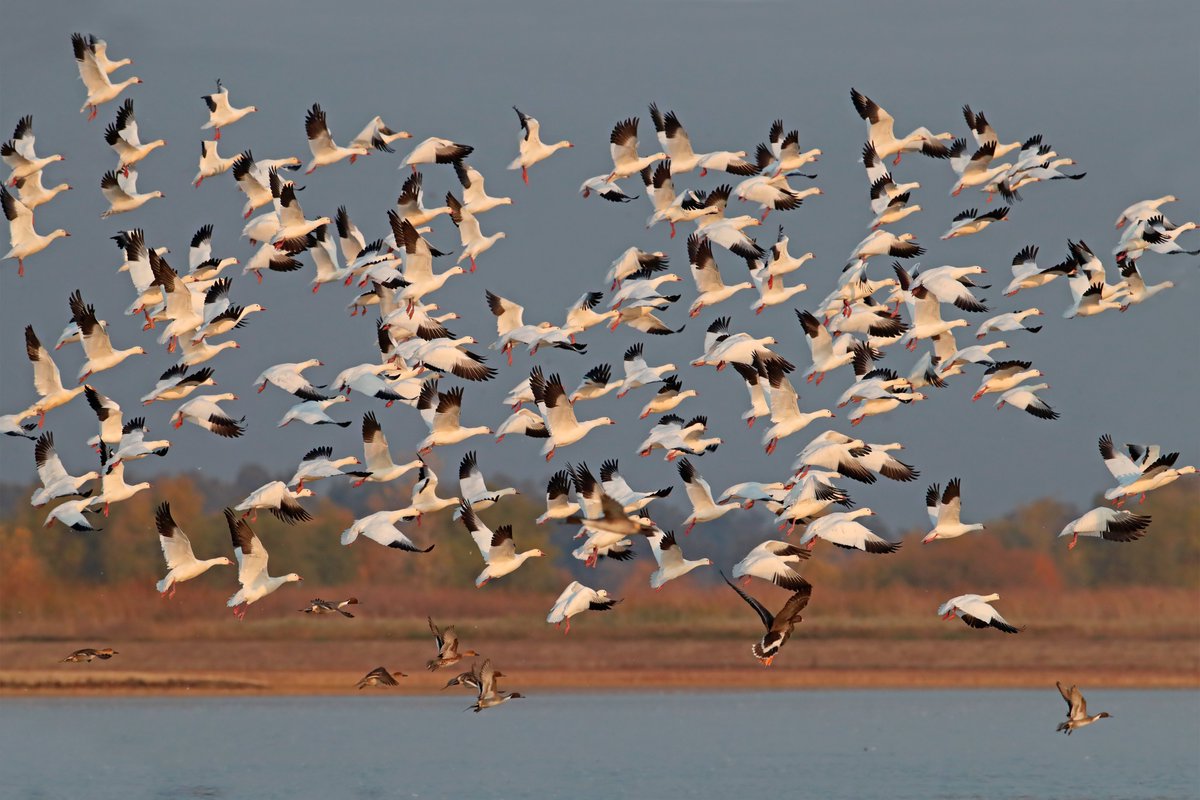
"...rice-producing regions tend to naturally align with major migratory flyways, enabling these fields to offer continuous, reliable pitstops for birds to rest and refuel."
Great @NFWFnews post on how ricelands provide surrogate wetlands across the USA.
https://t.co/jROMzrfEvR
What starts as a rice field becomes something more. After harvest, these fields flood to create surrogate wetlands for migratory birds, salmon, and threatened species. 470,000 planted acres are needed to meet conservation goals. It starts here.
New Demo Party governorship poll shows two Reps , Steve Hilton and Chad Bianco, still leading at16% and 14% but the big news is that with Eric Stalwell's implosion, Demo Xavier Becerra has leaped from 4% 2 weeks ago to 13%, tied with Tom Steyer, with Katie Porter at 10%.
One of the pragmatic, effective big city mayors I highlighted here is @MattMahanSJ. No one running for California governor has a better grasp of what to do about our state's interrelated challenges of addiction, homelessness and urban disorder.
https://t.co/5OL0e1m8OY
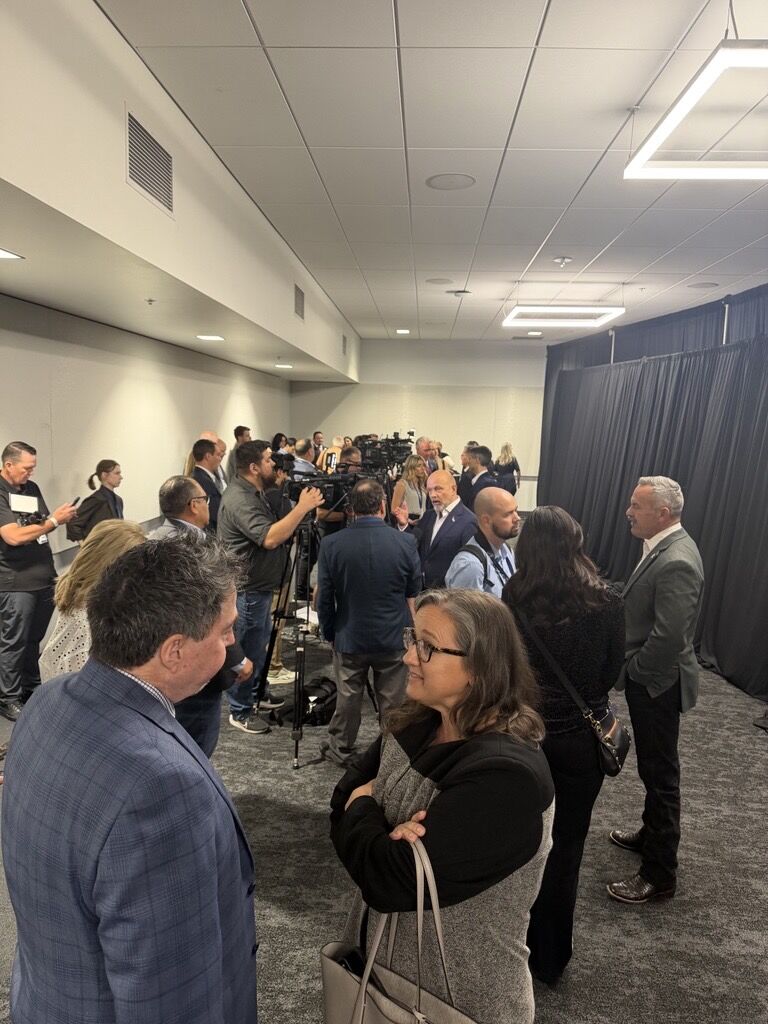
Six candidates for California governor shared their visions and answered some tough questions today at our @Fresno_State University forum. Thanks to @CAFarmBureau, @AgCouncilofCA, 30+ agriculture industry association partners and @MaddyInstitute for joining together to sponsor this event.
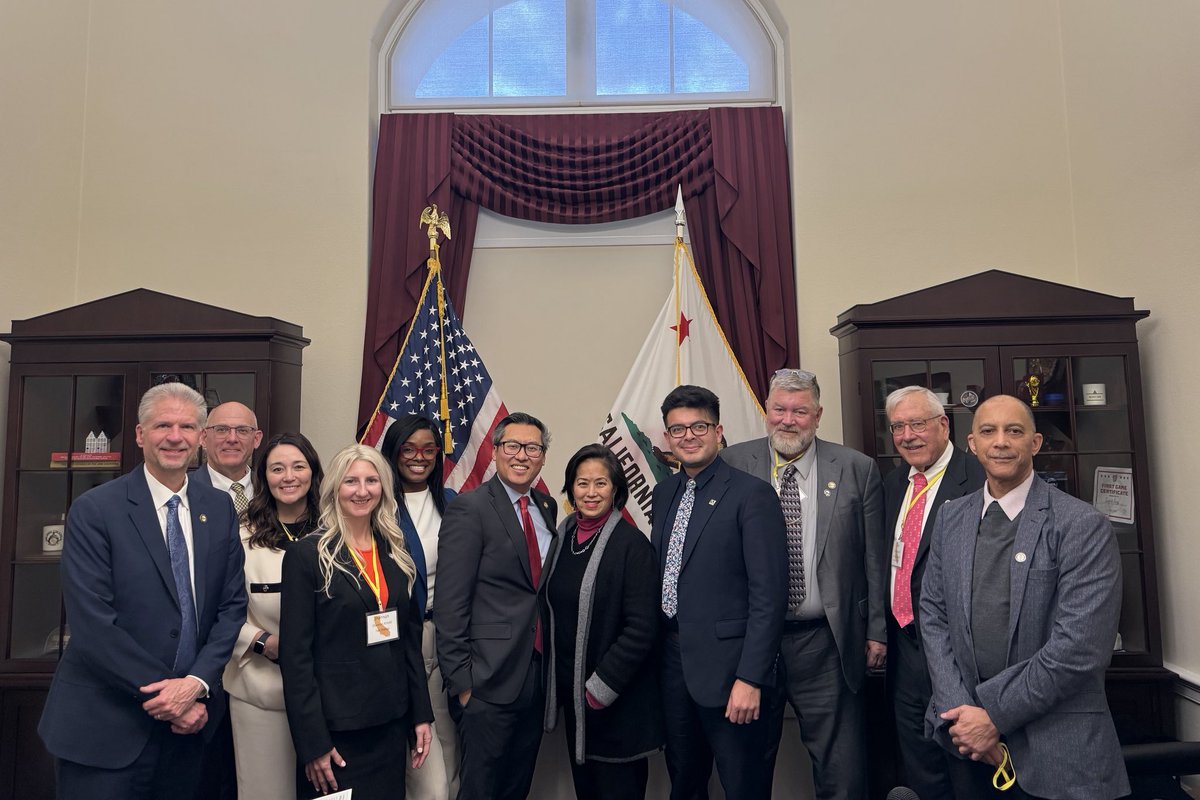
All six candidates, from both political parties, agreed that California's regulatory burdens are unsustainable, though some used stronger language than that. All agreed that for our state to remain an agricultural powerhouse, continuing to provide healthy affordable food and millions of jobs in rural regions like the Central Valley, dramatic change must be made by the next governor, and all pledged to take on that challenge, with varied views on just how to tame the regulatory beast. Special thanks to our moderators pictured with me here, @KristinOlsenCA and @BuddySupervisor (who memorably referred to the two candidates who declined to show up as "chicken hearts").
To the six participating candidates -- @XavierBecerra@ChadBianco@SteveHiltonx@MattMahanSJ@katieporterca and @AVillaraigosa -- thank you for taking the issues of affordability and rural California seriously.
@ERooney7@SDouglassCA
There’s a lot happening around climate policy in California. It also raises real questions about cost, access, and impact on Californians. The Problem Solvers Caucus is committed to listening, learning, and leading to help strike that balance.
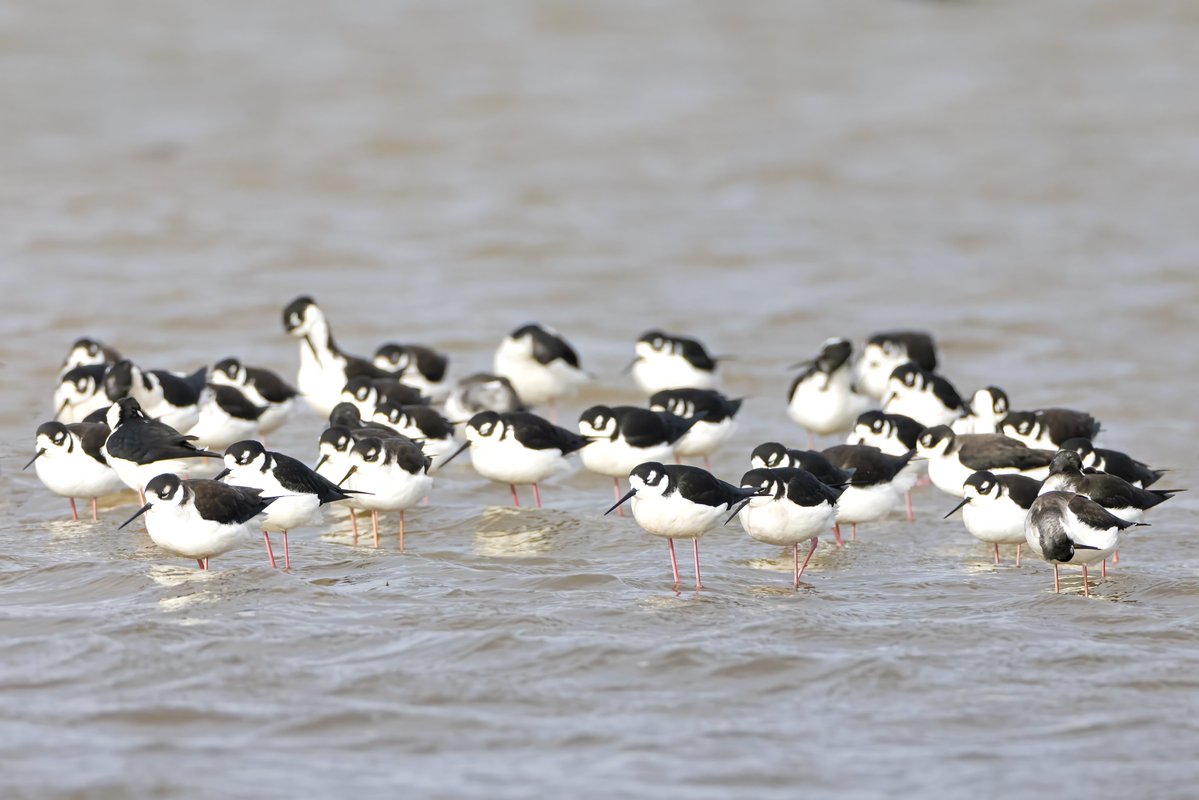
More than 90% of California's Central Valley wetlands were drained over the last century. Black-necked Stilts like these now breed almost entirely in flooded rice fields. Sustaining that population requires 472,794 acres, flooded through the full breeding season.
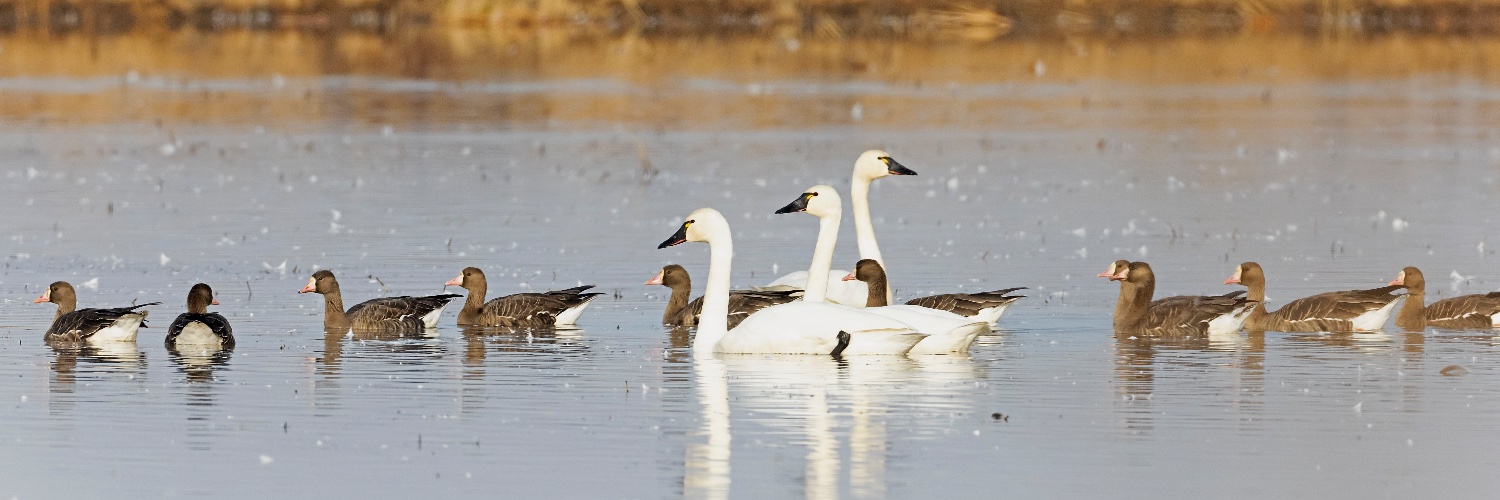
The ducks in this frame depend on flooded rice to build fat for migration. Below 300,000 planted acres, they're flying 8+ km just to find food by late January. Above 500,000, they stay fed through winter. The acreage is the difference. #RiceFootprint
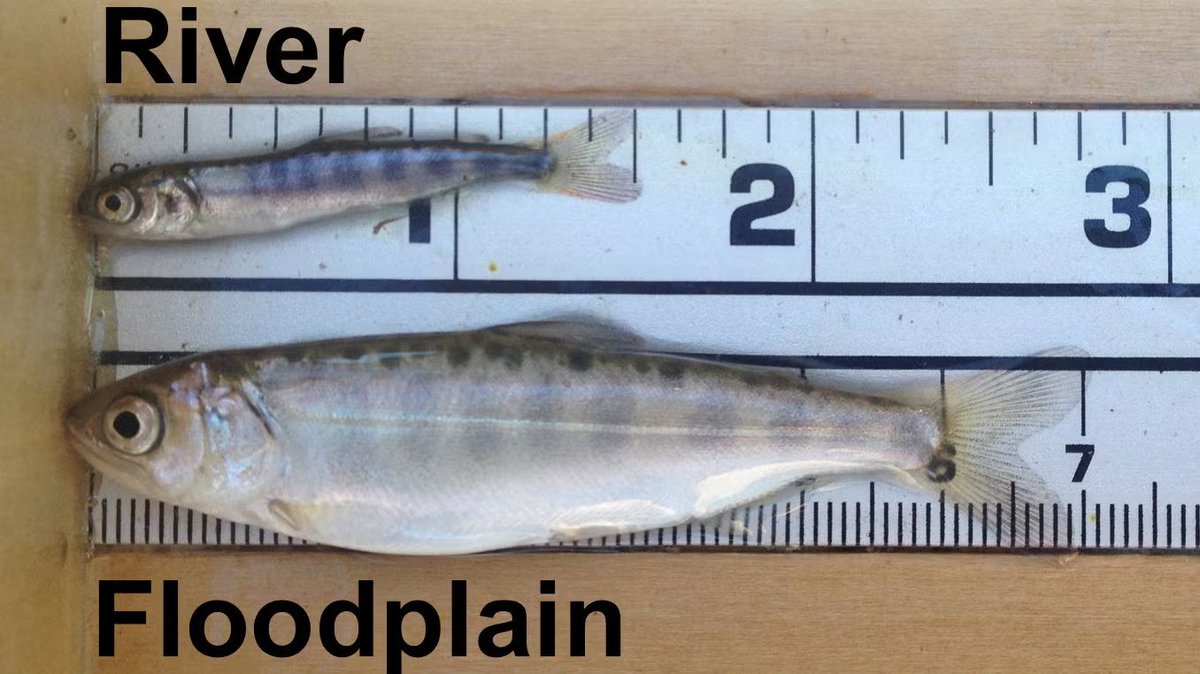
A month ago: paperclip-sized salmon fry entered winter-flooded rice fields.
Today: They are 15–20 mm bigger, growing roughly ⅓ of their size in about 30 days.
Floodplain habitat matters. Research shows salmon there can grow 2–5× faster than in rivers. 🌾🐟
Shorebirds once relied on vast Central Valley wetlands.
Today, California rice helps fill that gap.
Research shows 472,794 acres of rice are needed to support breeding shorebirds, with 373,540 acres of flooded fields supporting them during migration.
New science from Point Blue shows shorebird declines across the #PacificFlyway from 2012–22.
With nearly 95% of the Central Valley’s natural wetlands gone, 500K acres of rice in CA are essential, serving as surrogate wetlands and habitat for migrating birds and other species.
California lost millions of acres of historic wetlands.
Today, rice fields help fill that gap, providing the water and habitat endangered and threatened fish populations need to survive.
This new video shows why rice is essential to the future of wildlife and farming.
https://t.co/IqLLLz34Ur
@ucdavis@UCDavisWater
A healthy #PacificFlyway depends on working rice ground.
Research shows roughly 470,000–500,000 acres of rice are needed in California to sustain key bird and wildlife populations that rely on these fields each year.
Tens of thousands of wings.
One working landscape.
California rice fields act as surrogate wetlands for birds across the #PacificFlyway. Maintaining 470K–500K acres of rice is essential to meet conservation goals for ducks and shorebirds.
Central Valley priorities, front and center in DC this week!
Met with the California Rice Commission, United Health Centers, and port leaders to strengthen supply chains, support farmers and expand access to quality health care.
Our region drives California’s economy — I’m making sure Washington listens.
It was so great meeting with @RiceNews to talk about protecting and growing California’s rice industry.
I grew up on a farm, and I’ll keep bringing that perspective to my work supporting rice growers and Sacramento Valley communities.
From @UCDavisWater :
15 years of research show winter-flooded rice fields can help young salmon grow and thrive before heading to the ocean.
Working lands + science = real progress for fish and floodplain habitat.
Read more ⬇️
https://t.co/0dvzns3MlN
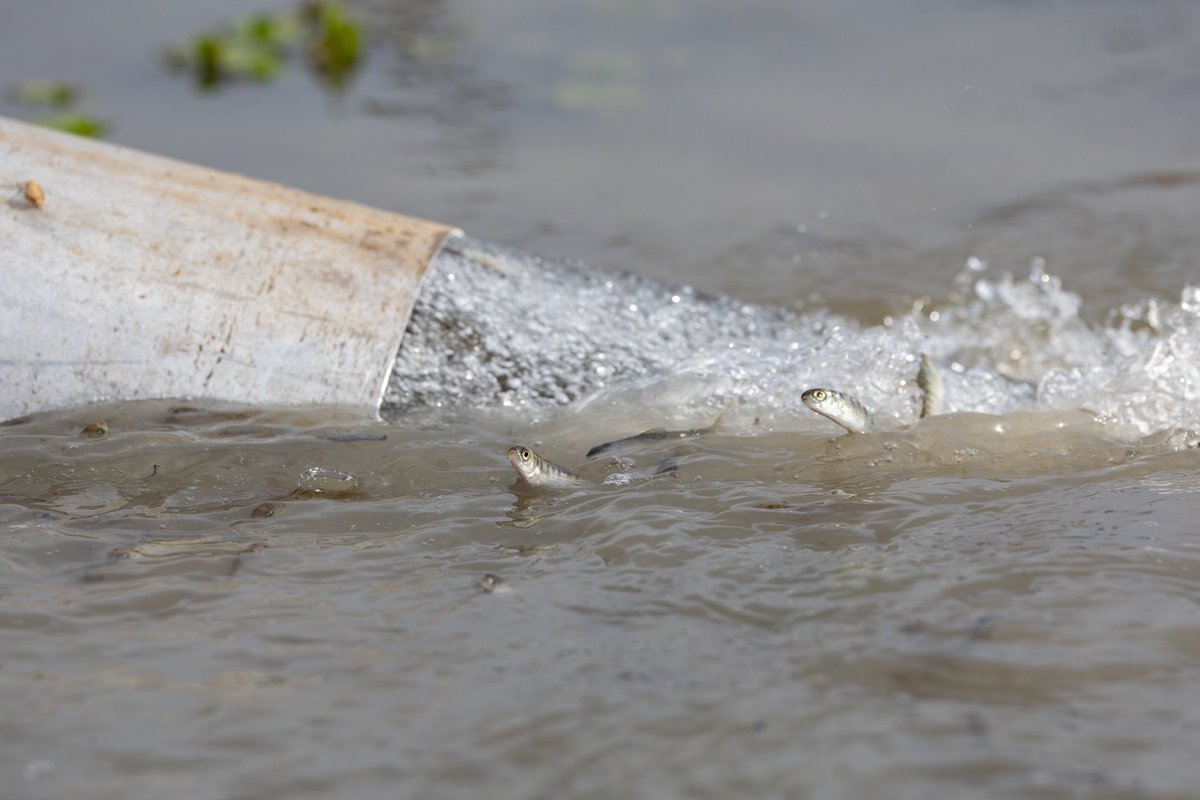
Last week, millions of fish fry were added to winter-flooded rice fields in California.
Why it matters: decomposed rice straw enriches the water, jump-starting food sources that young fish rely on.
This is how working lands do more.
Research shows salmon feeding on floodplain habitats can grow 2–5x faster than those confined to river channels.
That’s the idea behind this week’s large-scale salmon release into winter-flooded rice fields. 🐟
"We're not going to have a strong rice industry unless we have a cohesive water industry and the water industry is completely dependent on the fish."So let's go to where the problem is and solve it." -- Longtime Rice Farmer John Brennan
https://t.co/od7zKnX7Fi