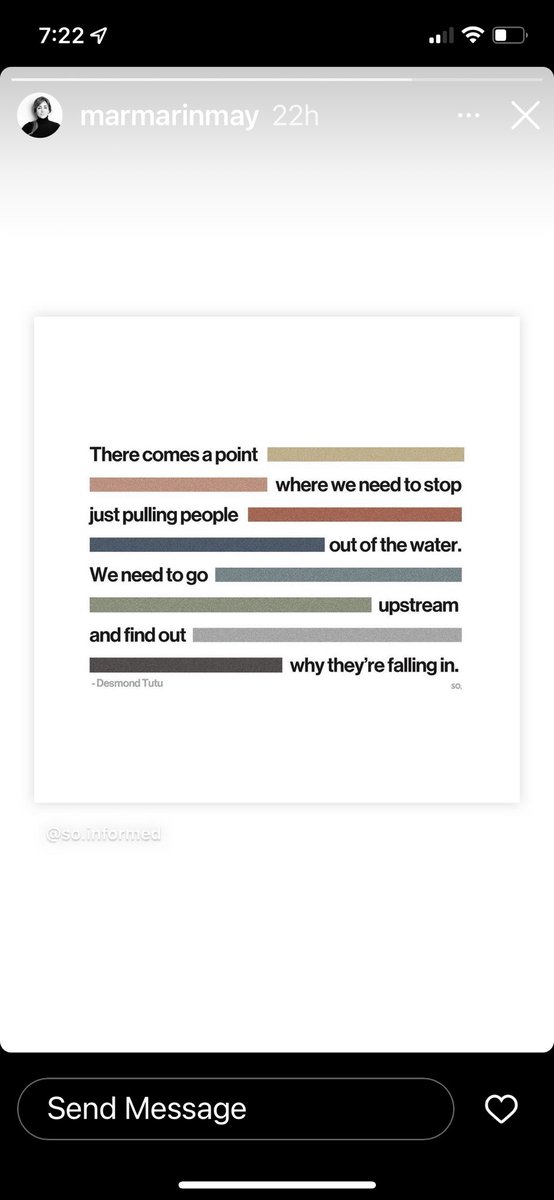
In one of the most policed cities, with the largest police force, with a budget bigger than many countries, with officers at every subway stop harassing unhoused people and vendors—cops don't prevent or stop violence. No amount of cops or funding for cops will get us to safety.
In their zine “Transformative Justice and/as Harm,” @TheAJWithers takes an honest look at how transformative justice has the potential to both repair and cause harm and urges us to be realistic in how we think and talk about TJ. https://t.co/CGwT6qlUen
While there are lots of positives to transformative justice in theory (responding to underlying issues, allowing for autonomy and self-determination, preventing rather than reacting, etc.), there are also many challenges with putting TJ into practice
The people involved also need to be committed to disrupting cycles of violence. This is so much easier said than done, when for most of us, responding to harm with punishment and calling it justice is so ingrained.
Here is our second (and final) survey! Please take a minute to tell us what you know and what you've learned about transformative justice
https://t.co/iAo0B7854o
RJ has also been co-opted by the criminal justice system and often takes place within this oppressive system. TJ's focus is on what we can do outside of the formal criminal justice system.
How does transformative justice (TJ) differ from restorative justice (RJ)?
This can be confusing because quite often these terms are used interchangeably, but there are some key differences:
TJ recognizes that the harmful/criminal act is only part of the equation, and that some of the relationships that existed before the crime took place may have been unjust, oppressive, and potentially even contributing factors in the crime.
Commit to ongoing development of all members of the community, and the community itself, to transform the political conditions that reinforce oppression and violence;
Basically, we need to look at the individual and hold them accountable for their choices, while also considering the bigger picture of the communities and society they exist within.
In criminology, situational choice theory says that people make decisions within the context of their circumstances. So, doing crime is a choice, but what were the other options? What influenced the individual to choose that course of action?