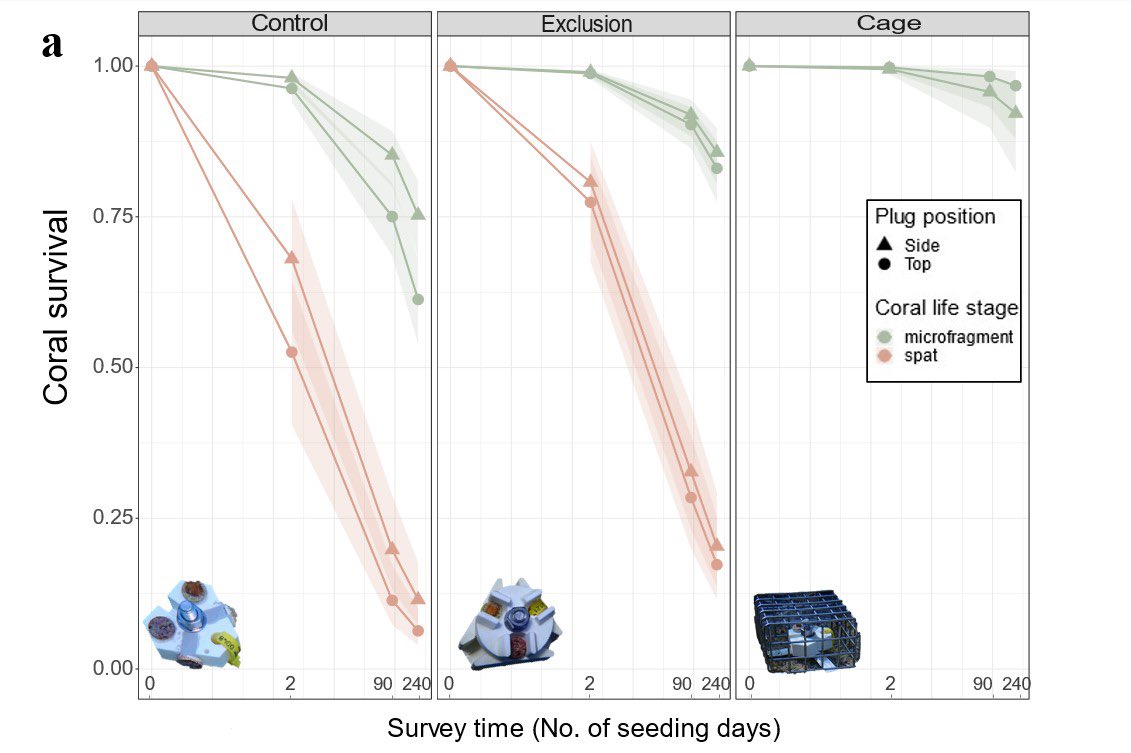
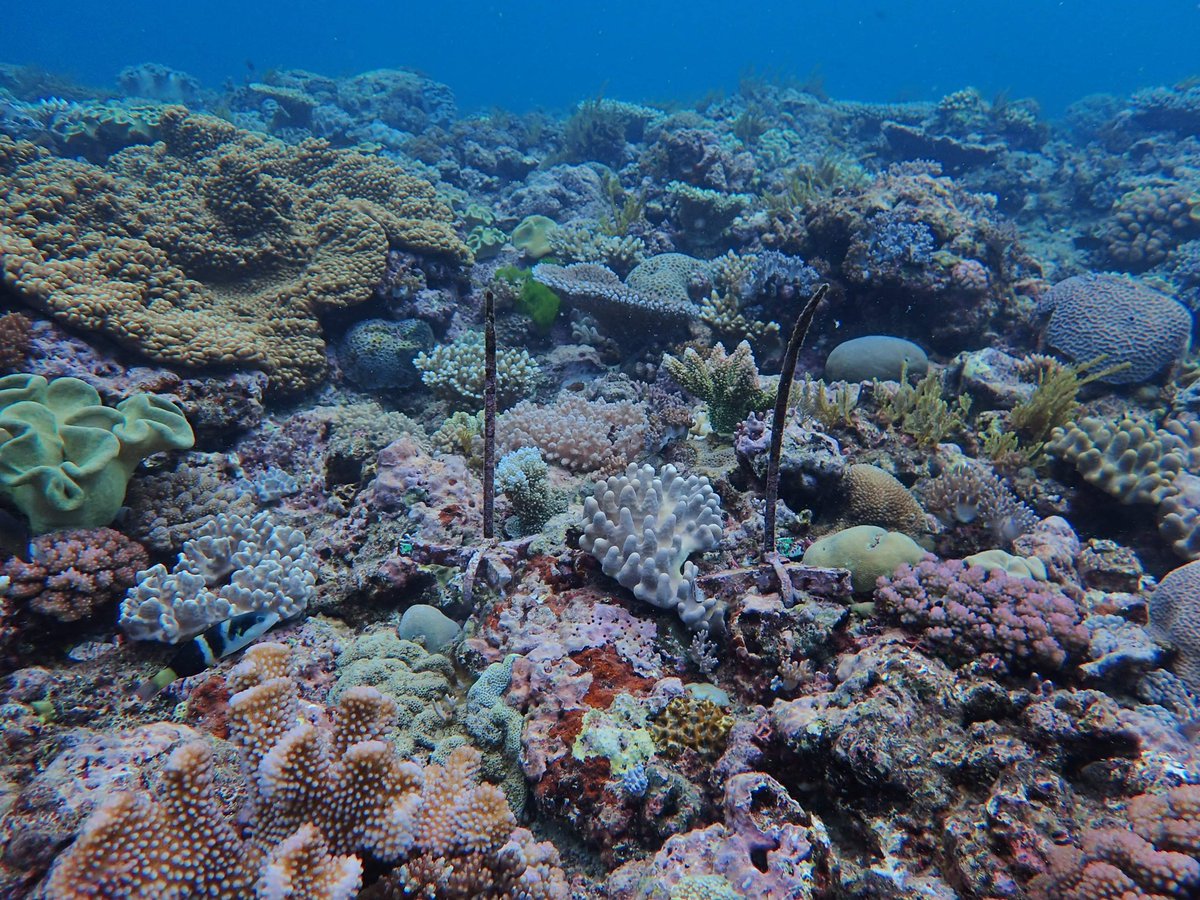
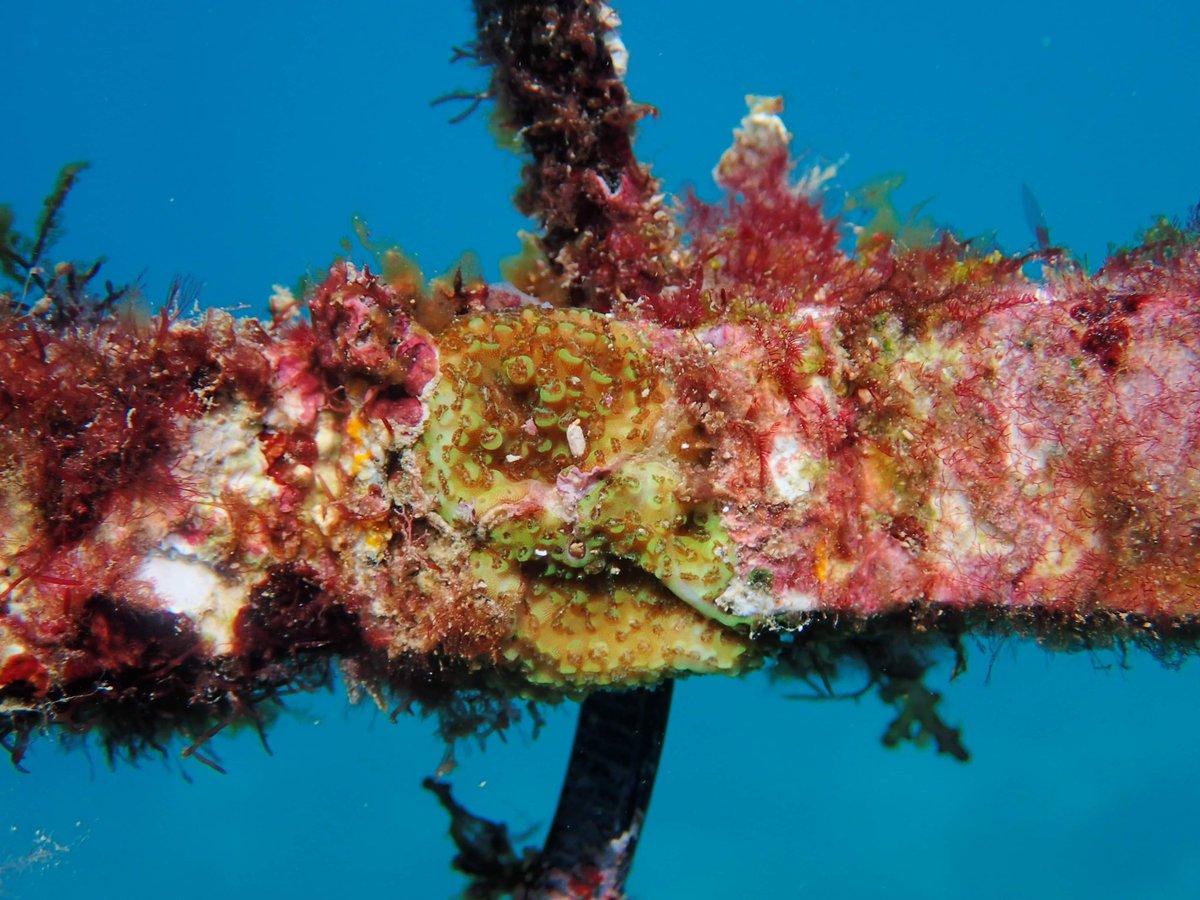
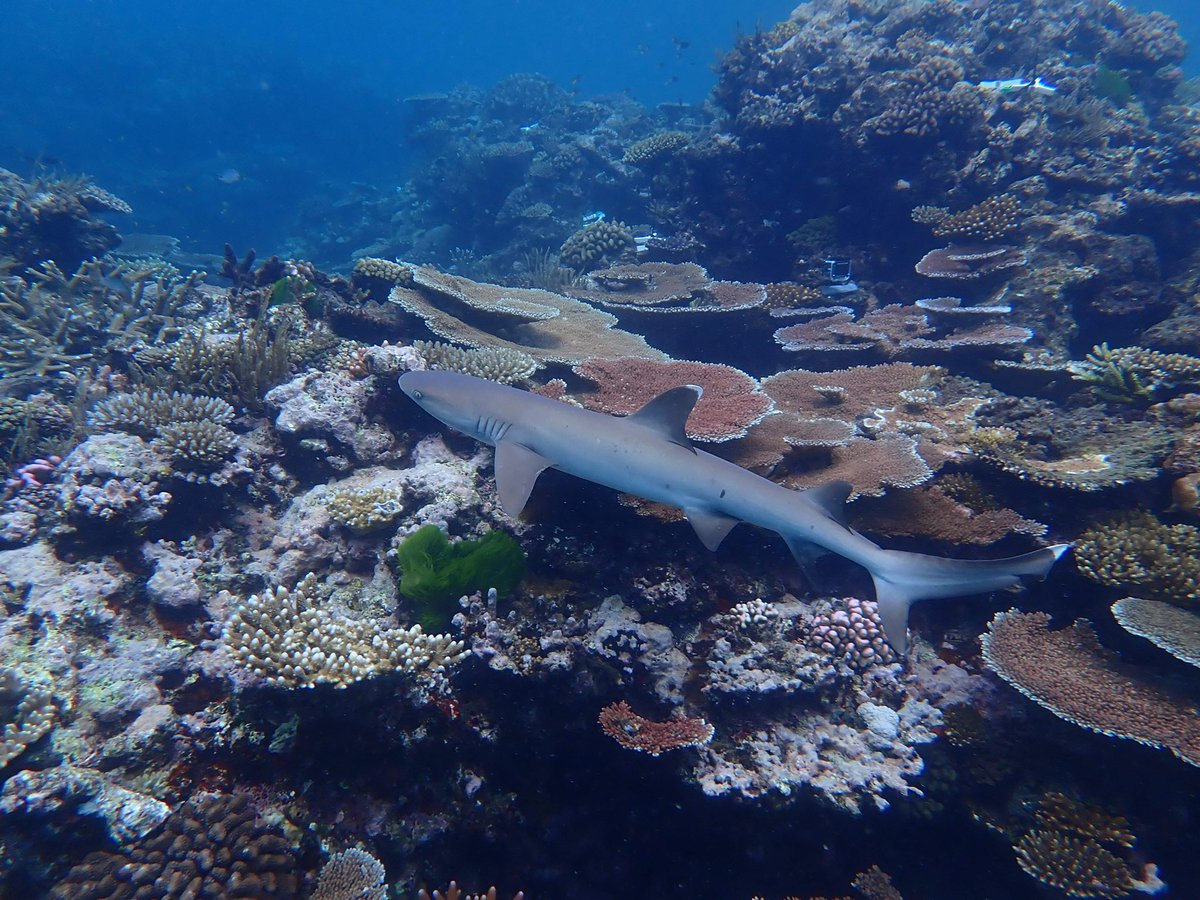
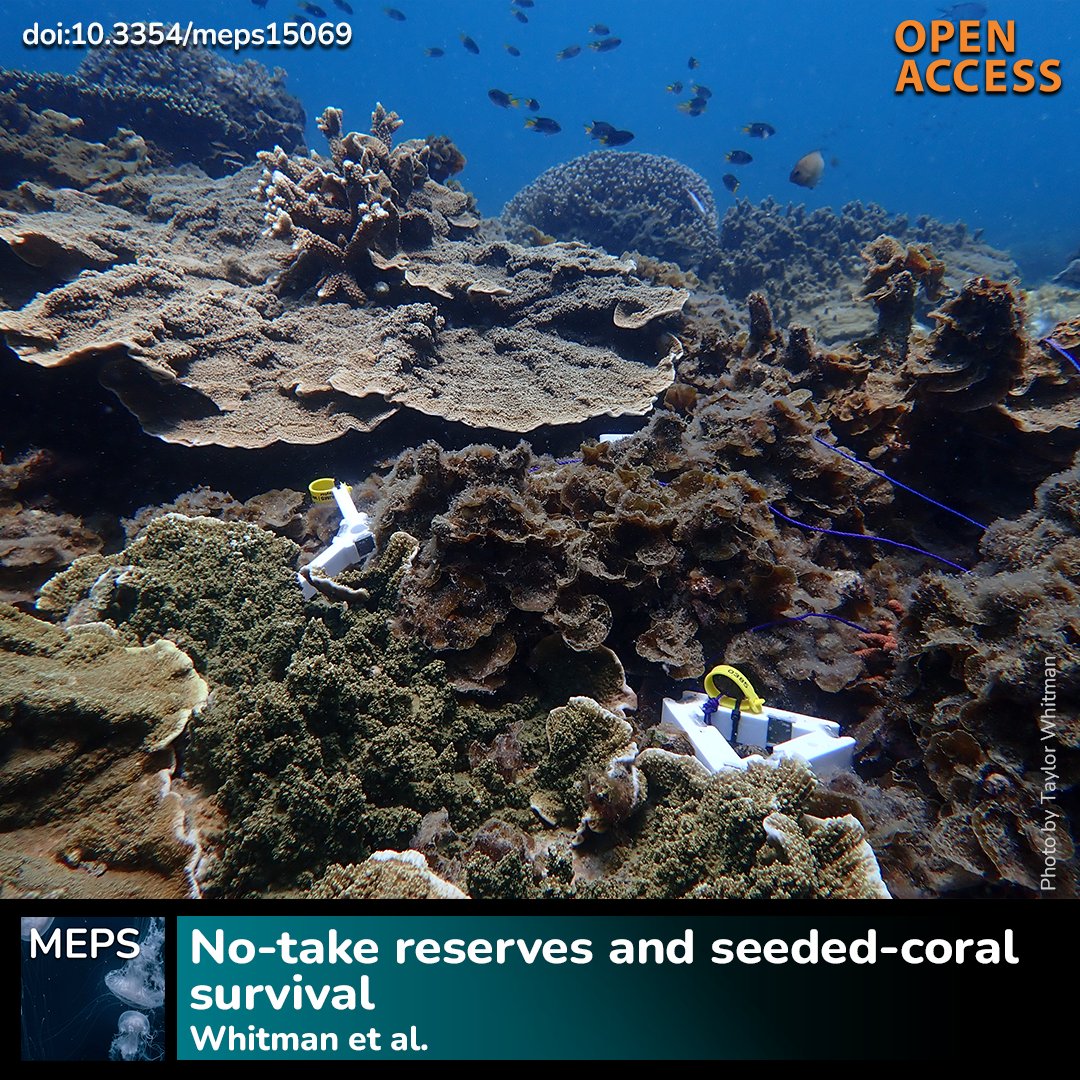
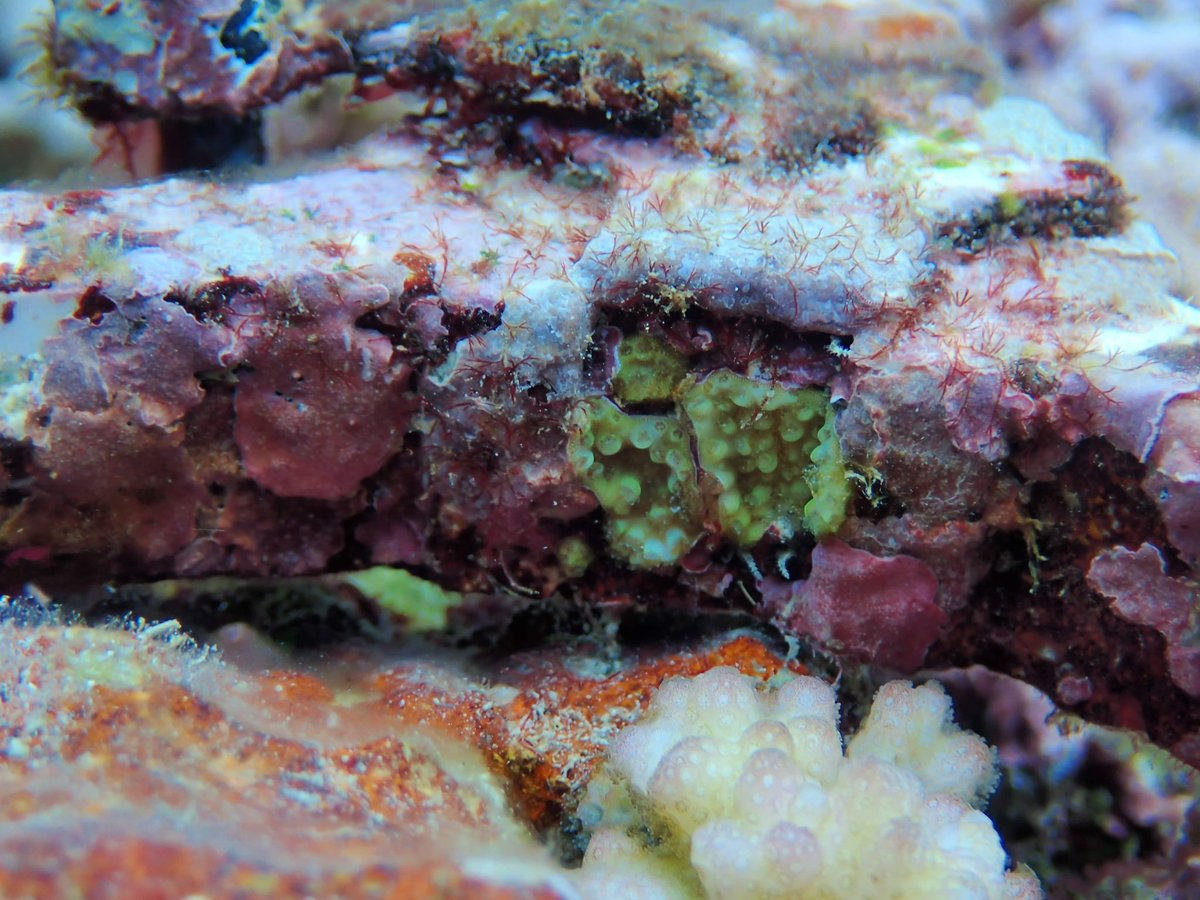
New study on Australia’s Great Barrier Reef shows coral seeding success is driven by fine-scale reef ecology, not marine reserve status. Selecting positive drivers within reefs (cm to 10s of metres) could improve restoration outcomes.
https://t.co/MtrX2C07c6
@TNWhitman
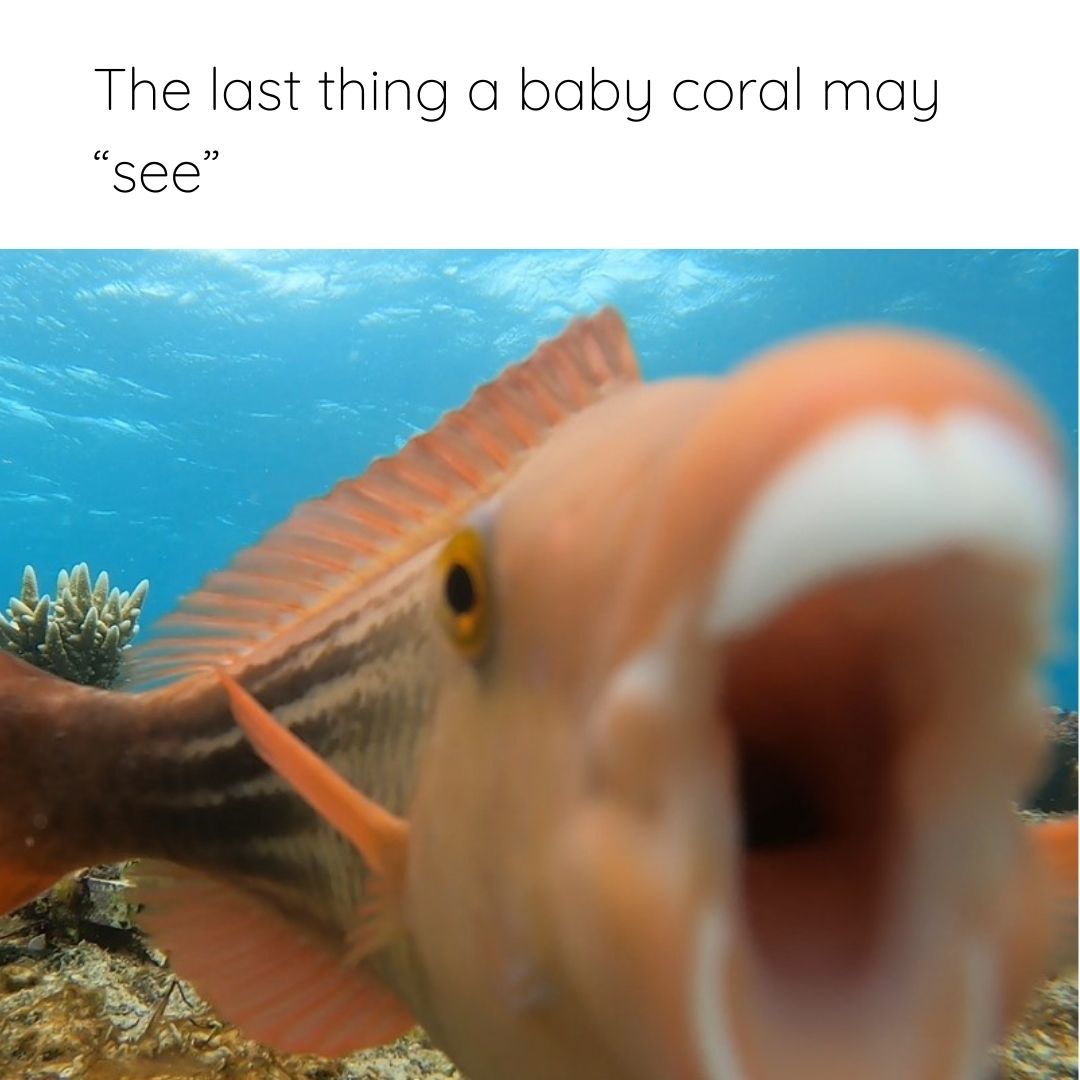
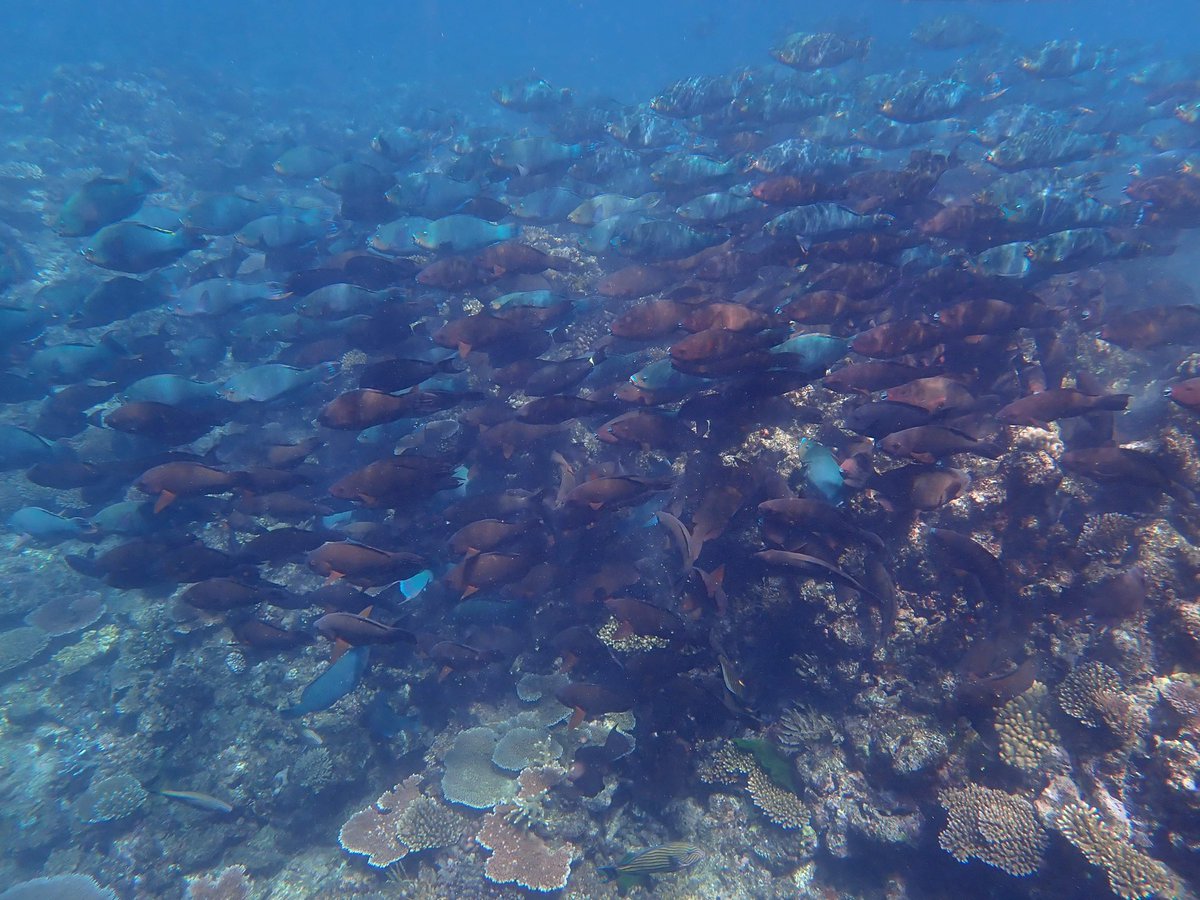
1⃣ hurdle for young coral to survive their 1st year on a reef is evading parrotfish. In #coralseeding, we’re trialling different designs to see which offers corals the most protection. @TNWhitman explains 📺⬇️
#RRAP@dcceew
🔗More: https://t.co/LqTf44Vv6S
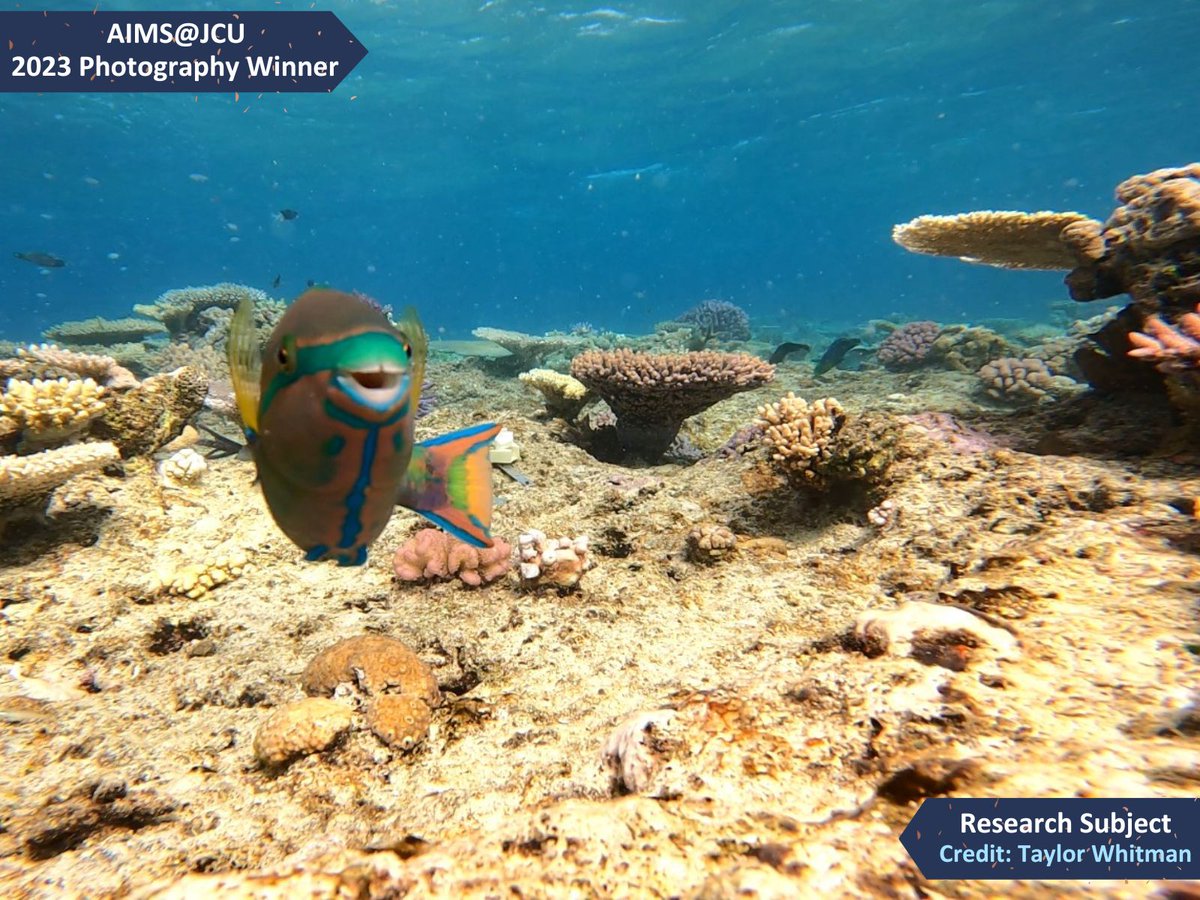
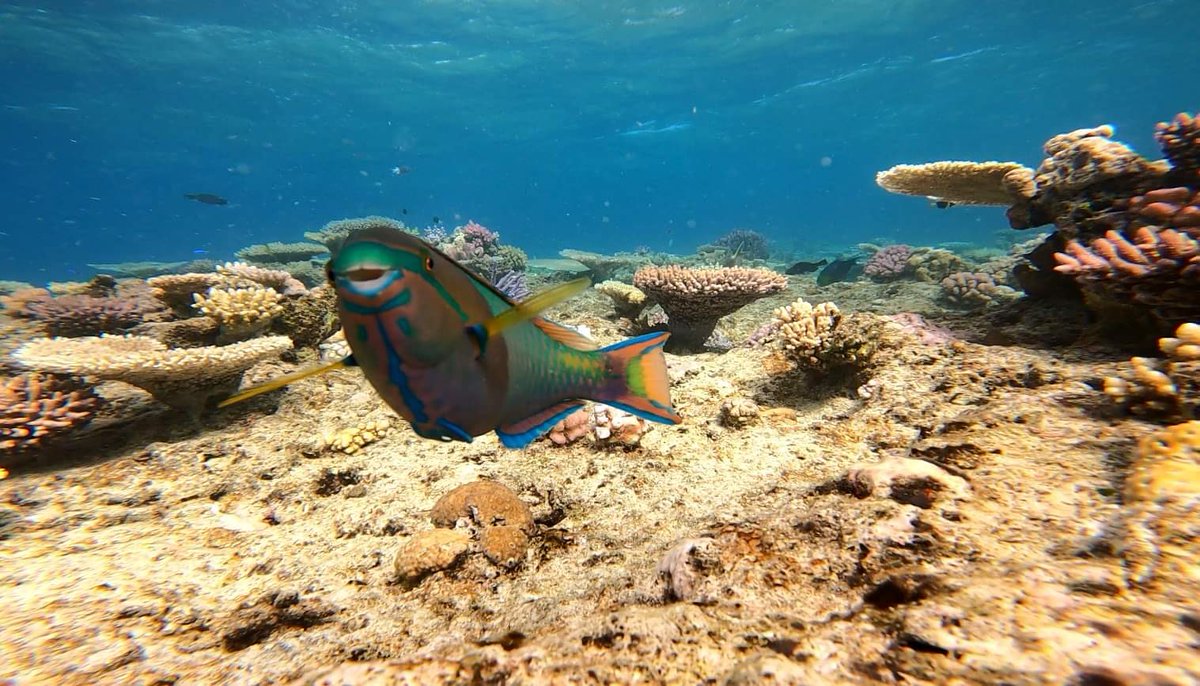
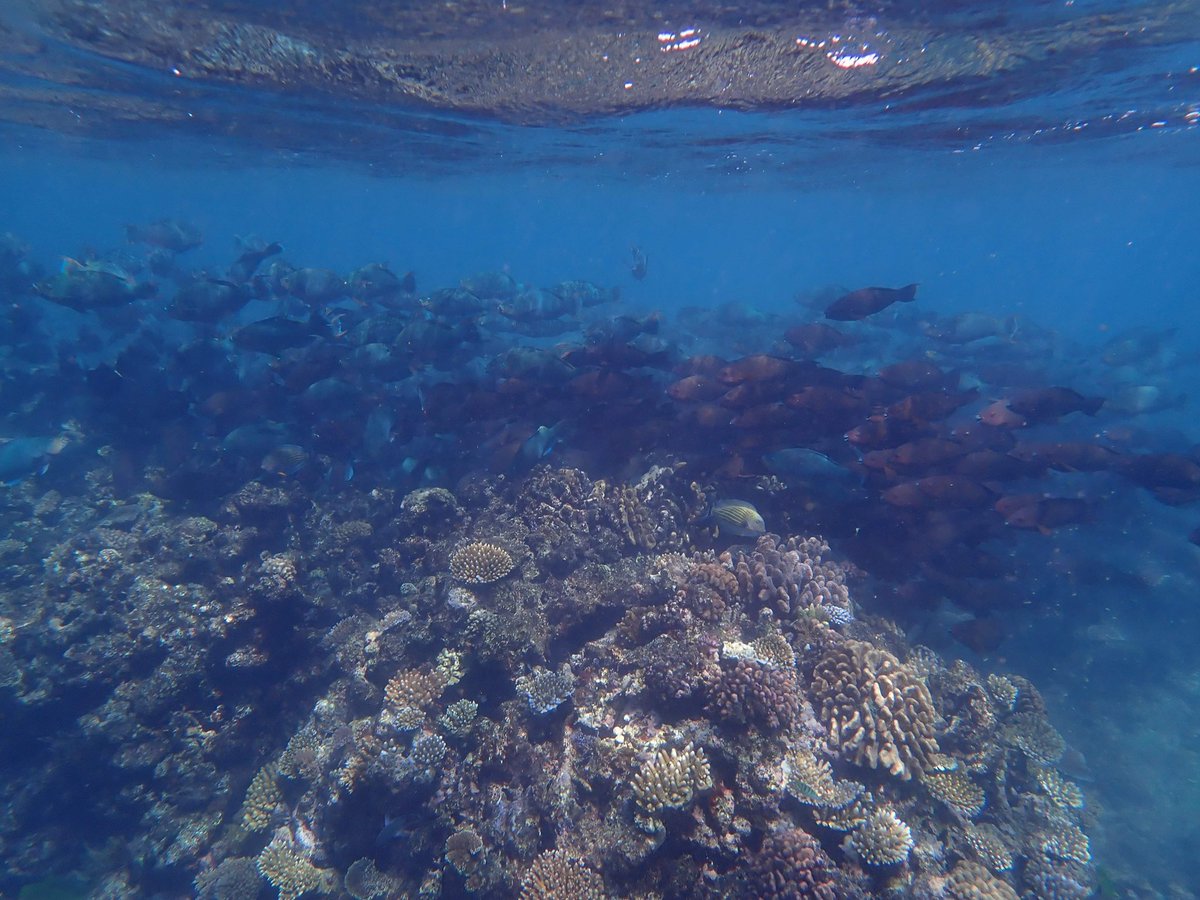
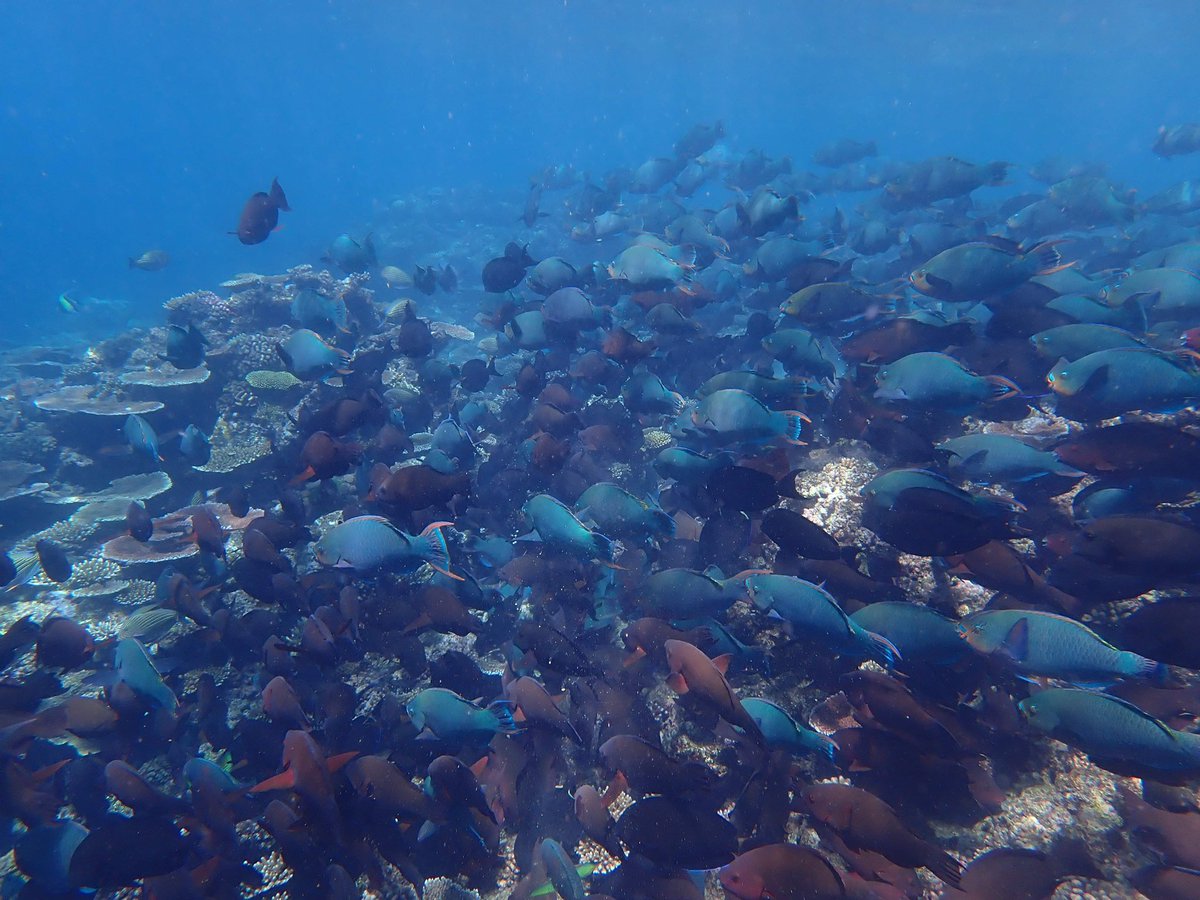
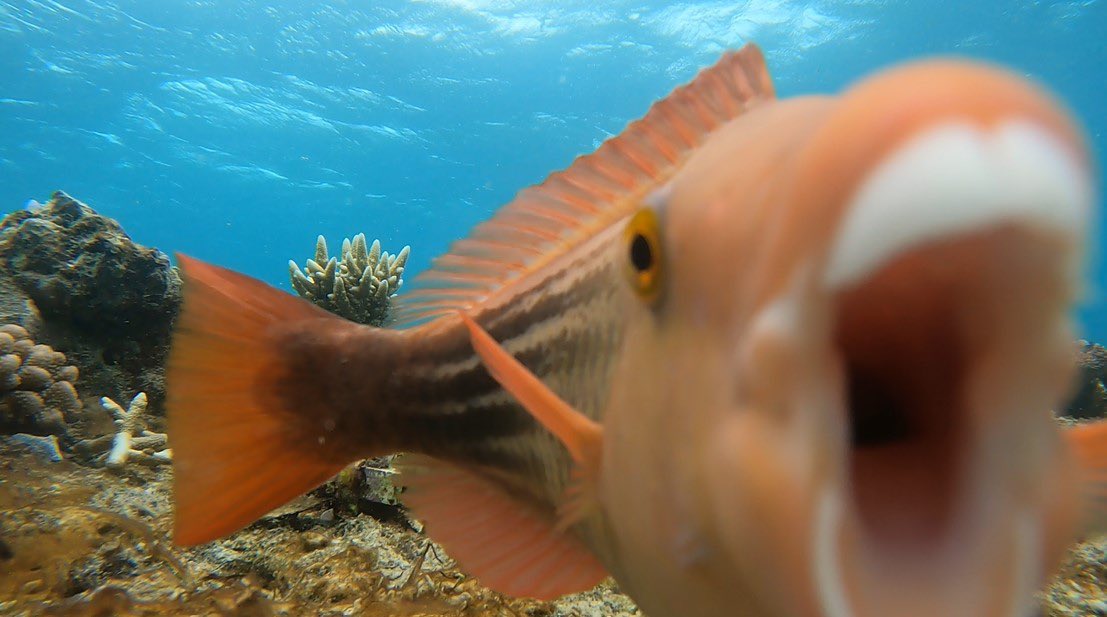
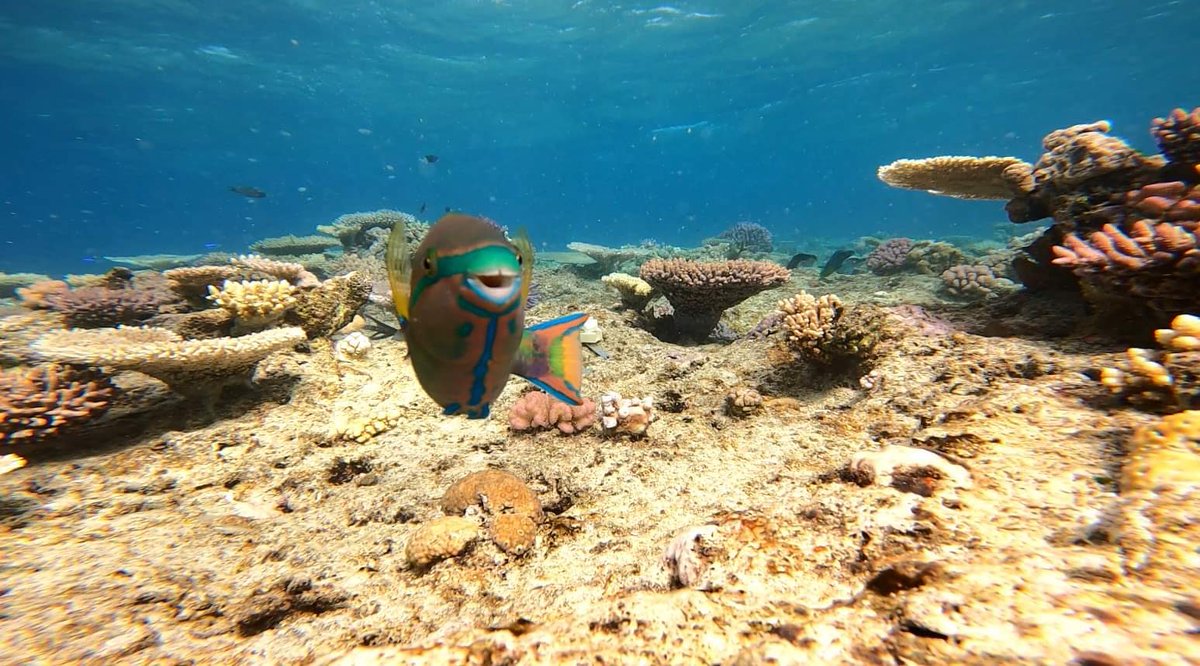
Corals don’t have👀, if they did this sight would invoke fear😱
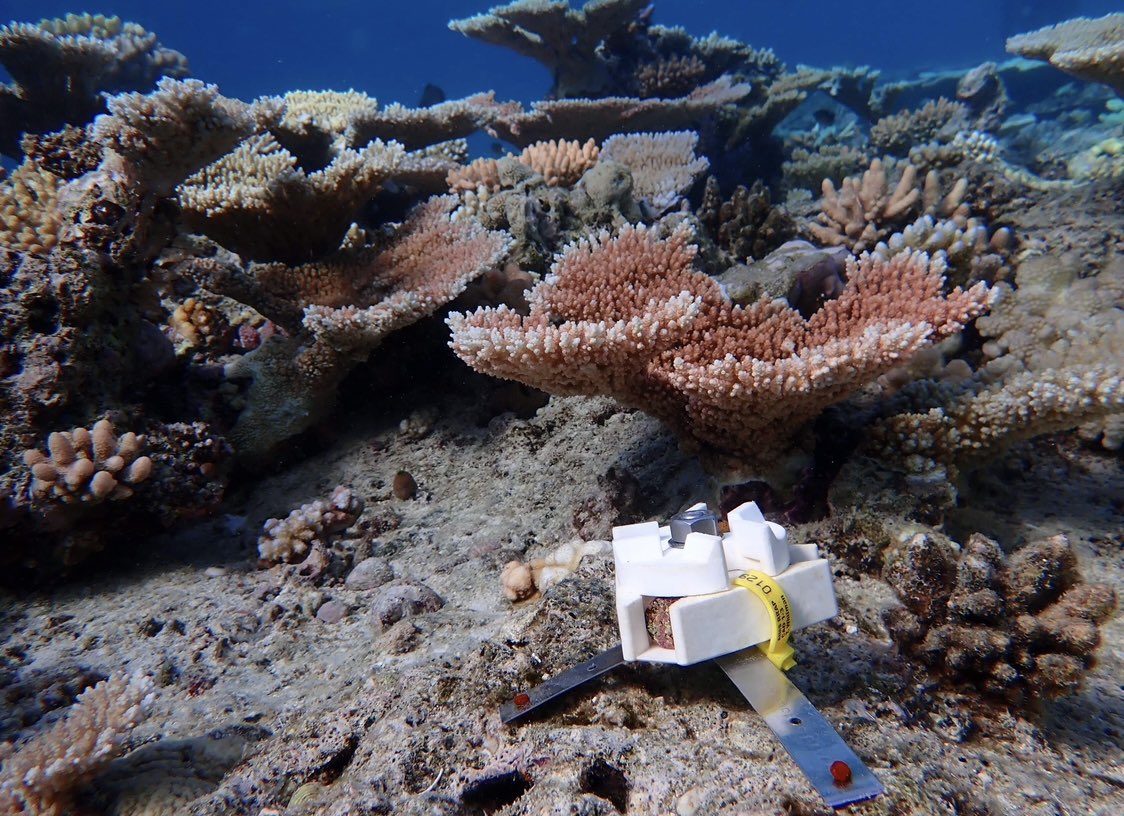
Parrotfish eat young corals as they graze on algae. @TNWhitman has studied coral seeding devices to see which design protects coral the best to optimise #reefrestoration.
🔗 https://t.co/LqTf44Vv6S
#RRAP
New preprint! Simple techniques to improve #Coral seeding on the #GBR. Protection from grazing fishes doubles survival and is critical to post-seeding success. Clear results in < 48 hrs 🪸🐠
https://t.co/Asd7mxubQt
@DrCarlyRandall@MiaHoogenboom@NegsAndrew@aims_gov_au@jcu
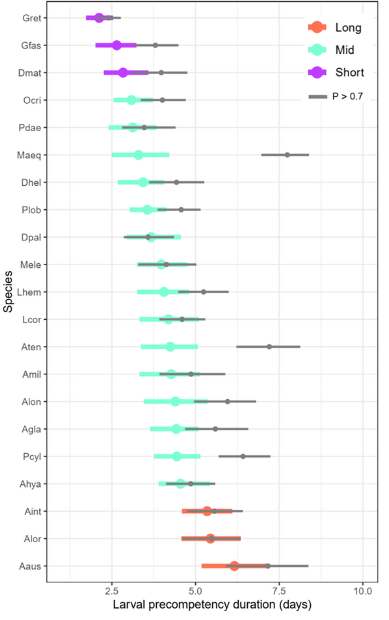
Interested to learn more about variability in precompetency of coral taxa?
I'm thrilled to finally share our new study in @CommsBio, the culmination of nearly 4 years of testing across 25 species! Thanks to @SeaSim_AIMS for all the spawning support! #ACRRI#RRAP@aims_gov_au
Is site or device design more influential in the survival & growth of seeded corals 🤔
@AIMSatJCU PhD candidate @TNWhitman is analysing devices deployed during last year’s spawning on Woppaburra sea Country to find out.
#ACRRI@bhp@WeAreWoppaburr1
🔗 https://t.co/3zaxsYozFi
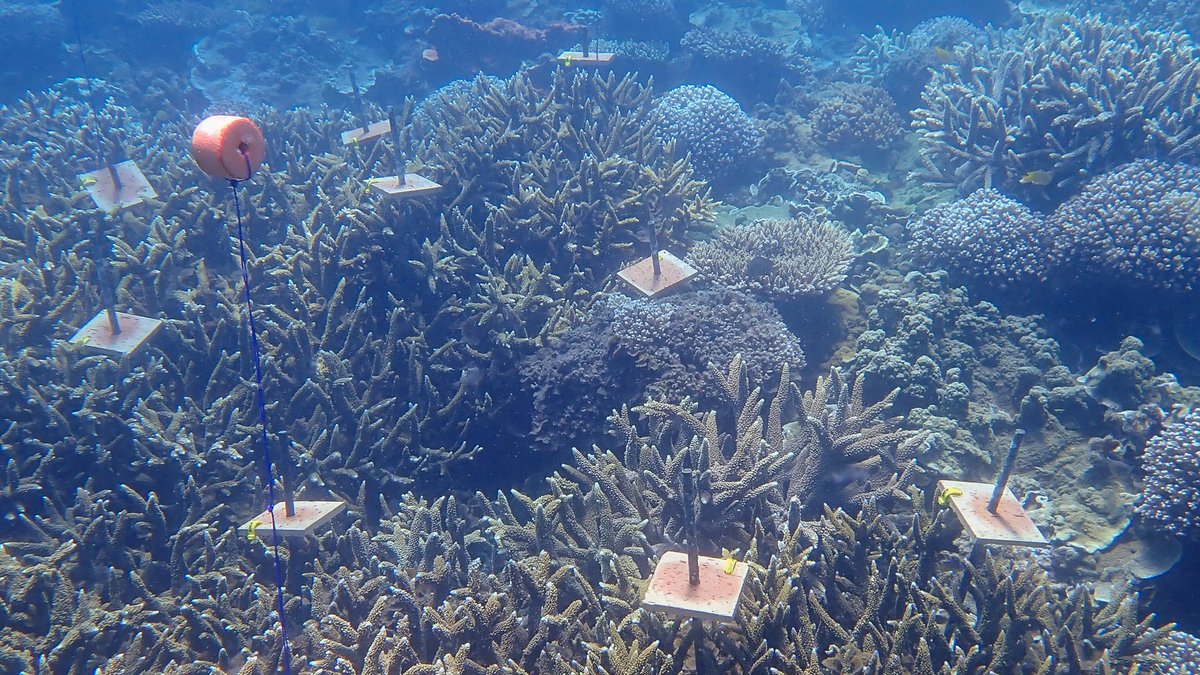
Getting ahead of the annual coral #spawning event was our Woppaburra Coral Project team, who placed terracotta tiles on reefs around Konomie 1 month ago, giving them time to develop a layer of biofilm, which attract coral larvae to settle.
#ACRRI@bhp@WeAreWoppaburr1
(1/2)
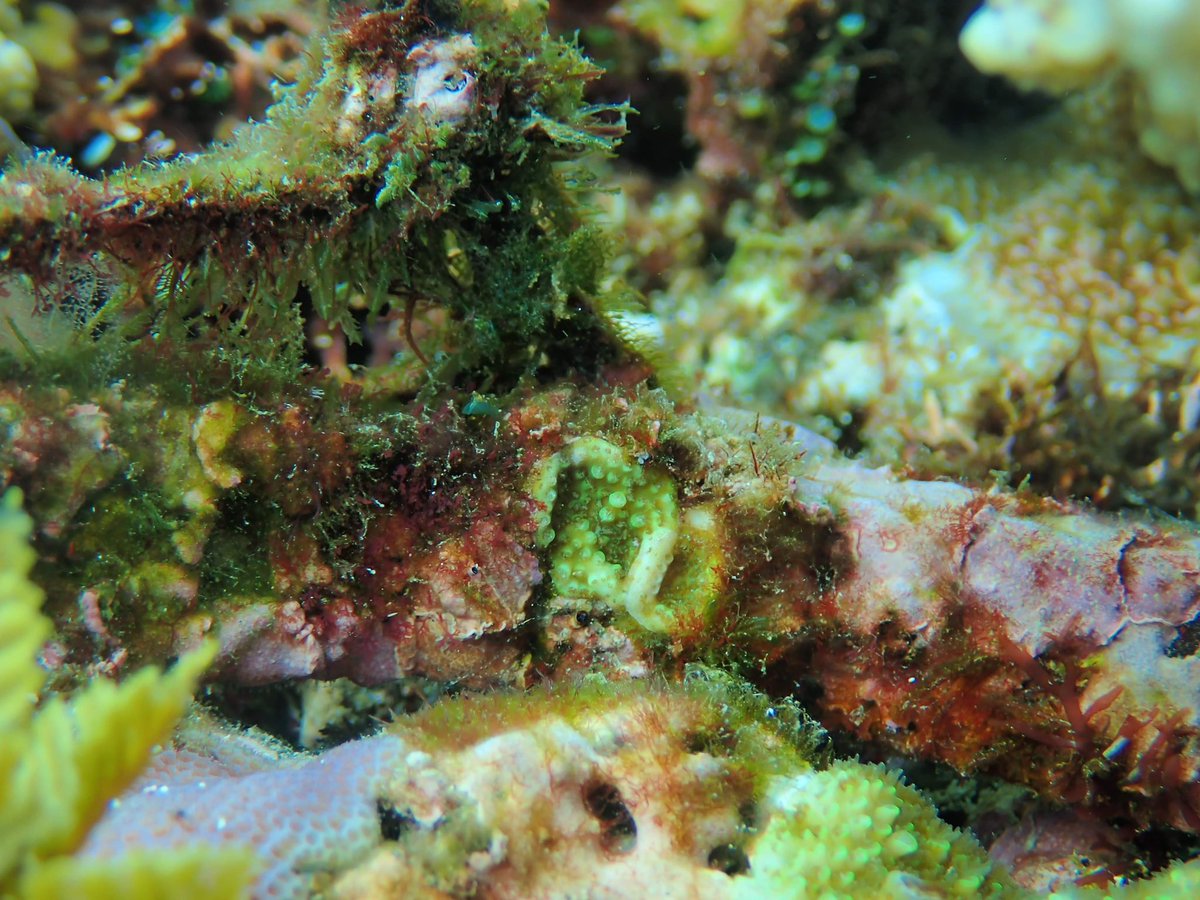
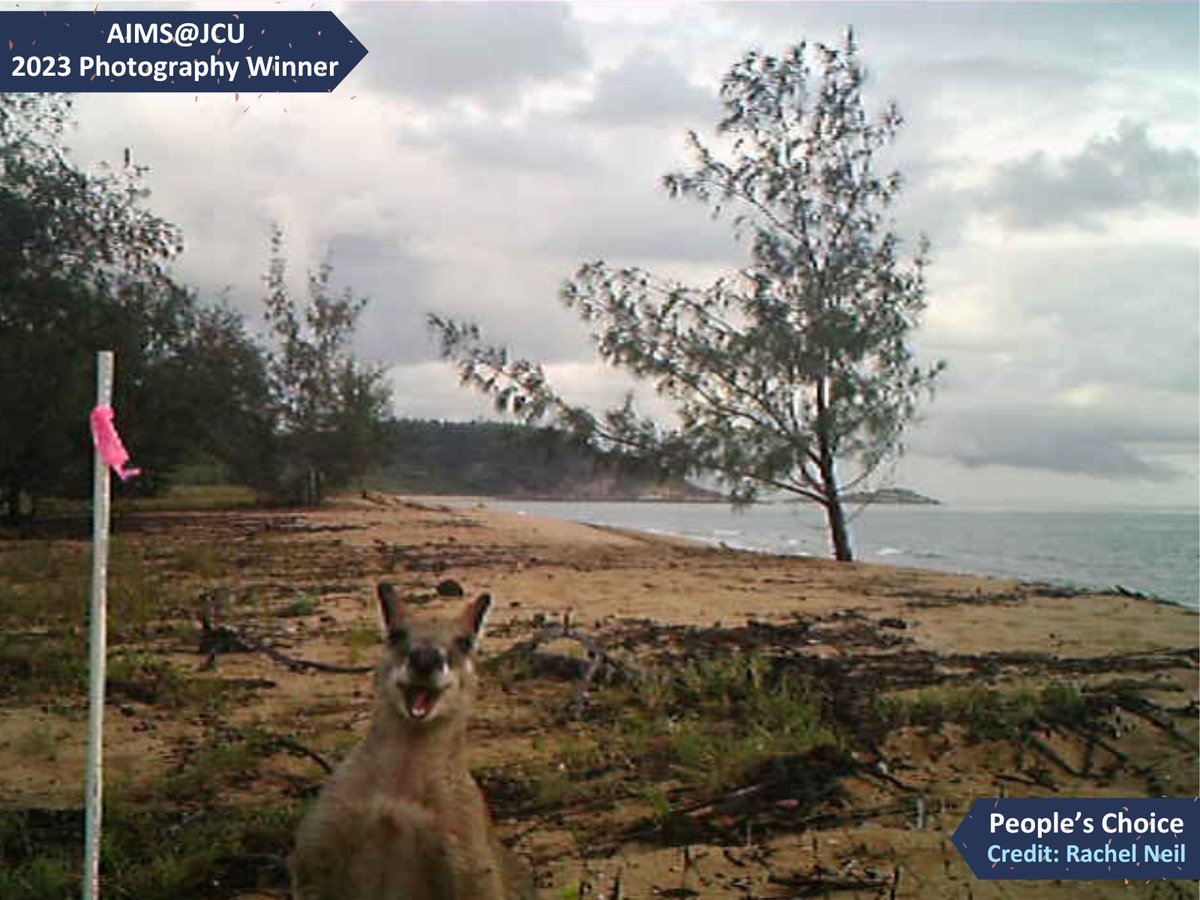
Science through the lens and eye of #PhD students📸
Judges had a tough time deciding the photography winners at the annual @AIMSatJCU seminar day. The below images were snapped by students to visually highlight their #marinescience research.
Do you have a favourite? 🤔
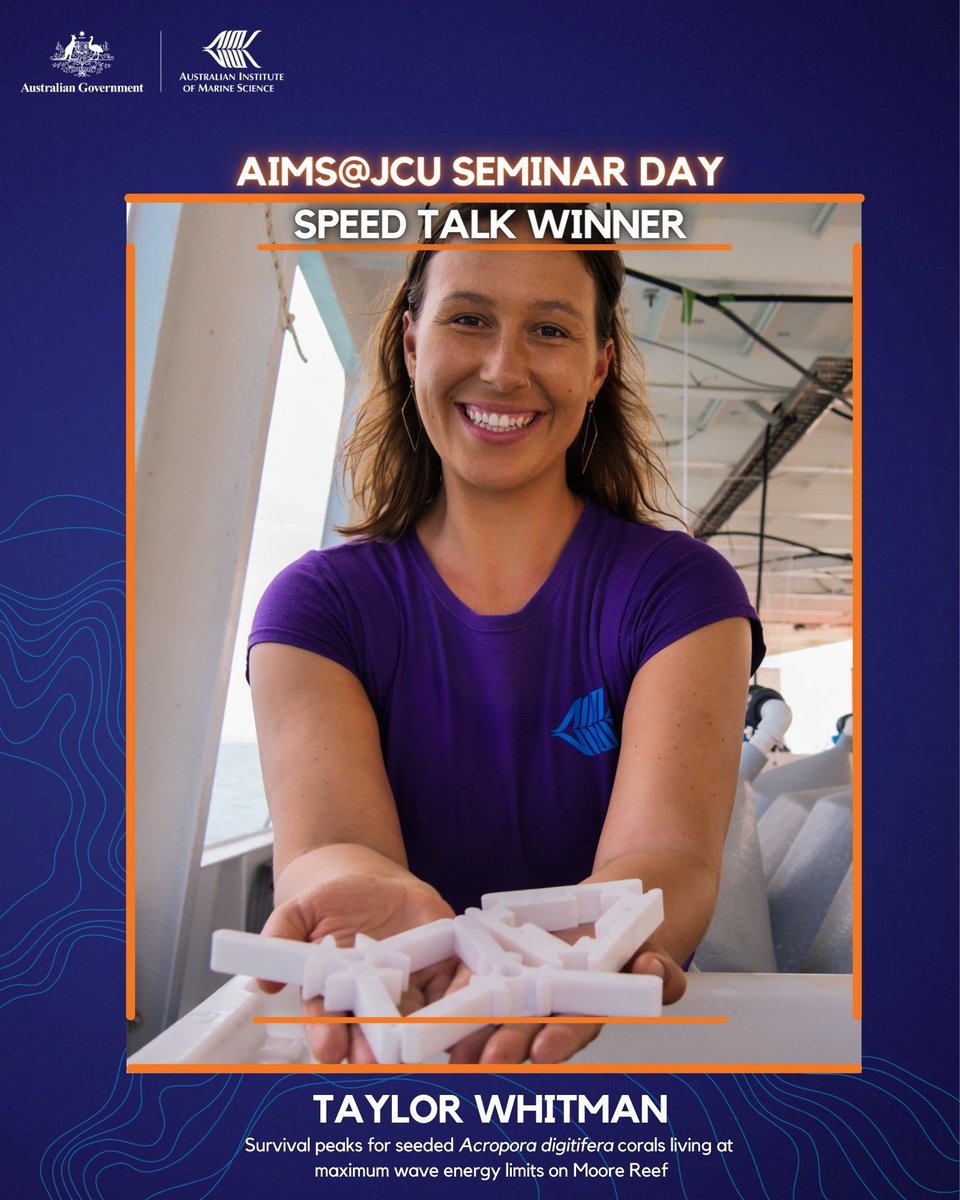
AIMS at JCU students dived into scicomms at their annual seminar day. The #PhD candidates showcased their cutting-edge research on #marinescience in a series of seminar + poster presentations, and speed talks.
Congratulations to all speakers and winners 👏
We had a wonderful time in Woppaburra sea country finishing up the final field experiment for my PhD thesis 🤿🪸
The data reveals protective seeding devices and reefs with higher wave exposure may boost the survival of #coral recruits.
#ACRRI@aims_gov_au
📸:@ChristineGiul11
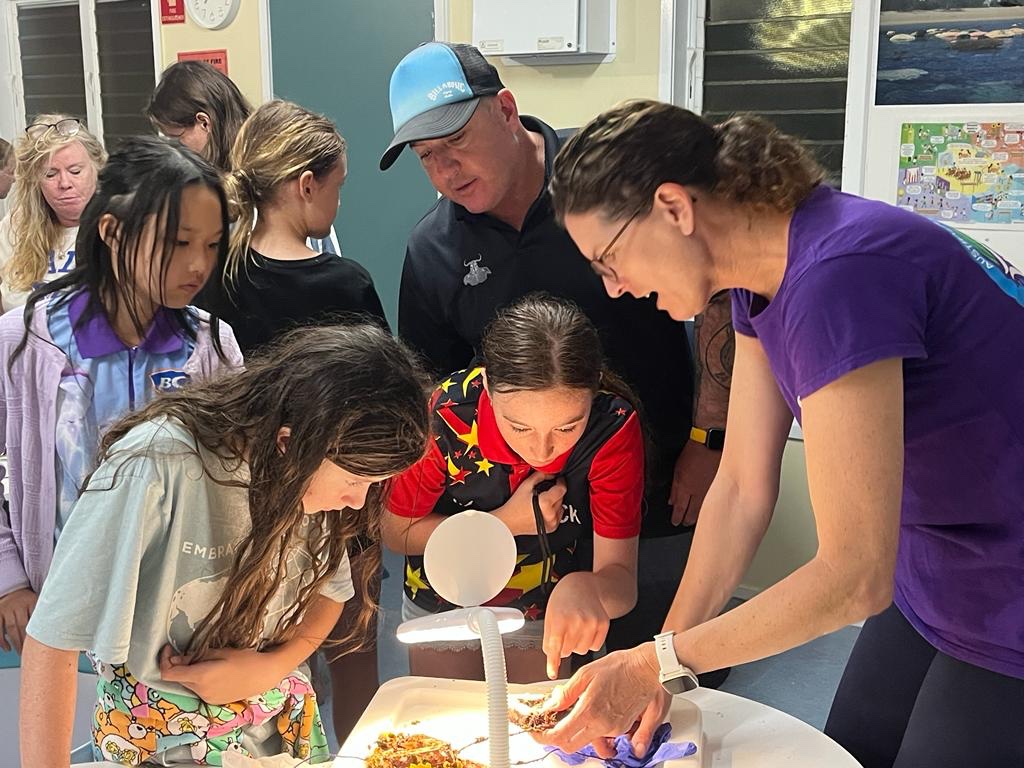
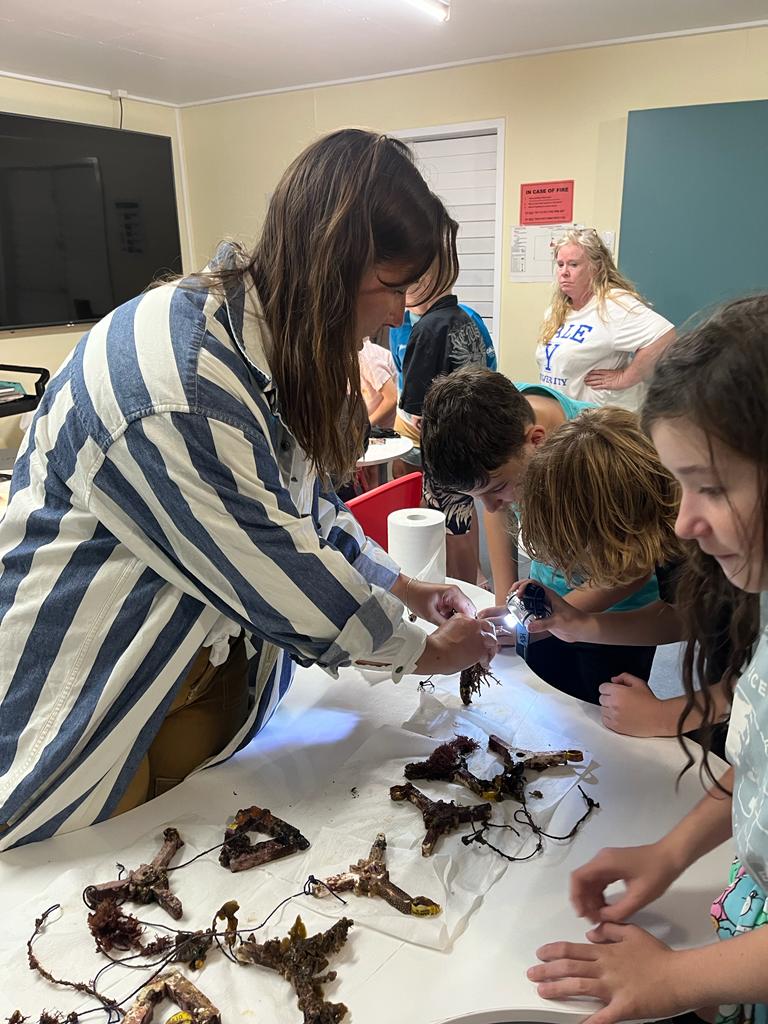
A highlight of our field trips and staying at the Konomie Island Environmental Education Centre is the opportunity to share our @aims_gov_au coral 🪸 science with local students. So many questions!
#ACRRI#WCP#coralseeding
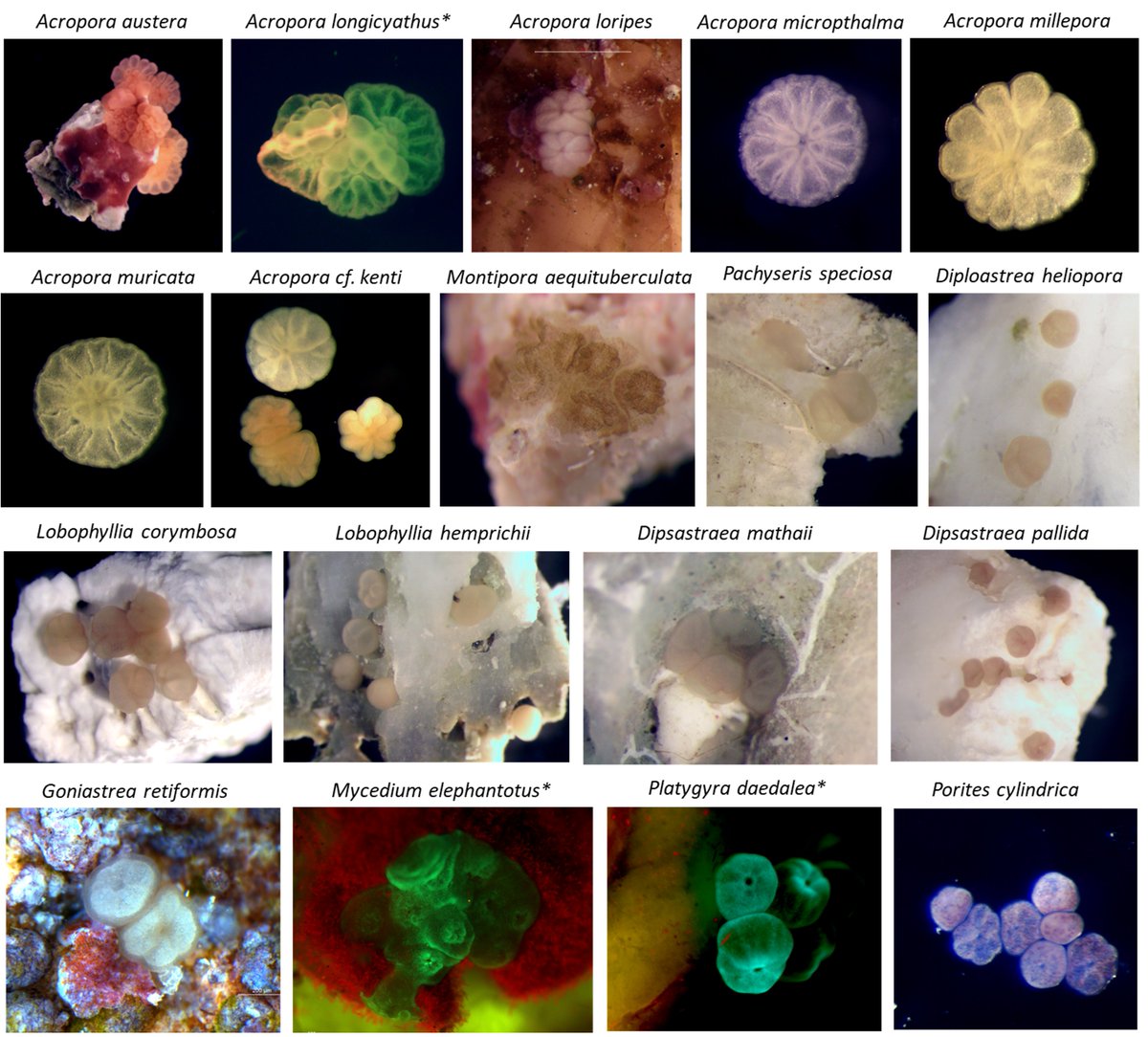
Really stoked to finally share this preprint, 4 years in the making, that characterizes larval precompetency periods and settlement responses for 25 GBR coral species. @SeaSim_AIMS@aims_gov_au
https://t.co/VmAYA5ifjA
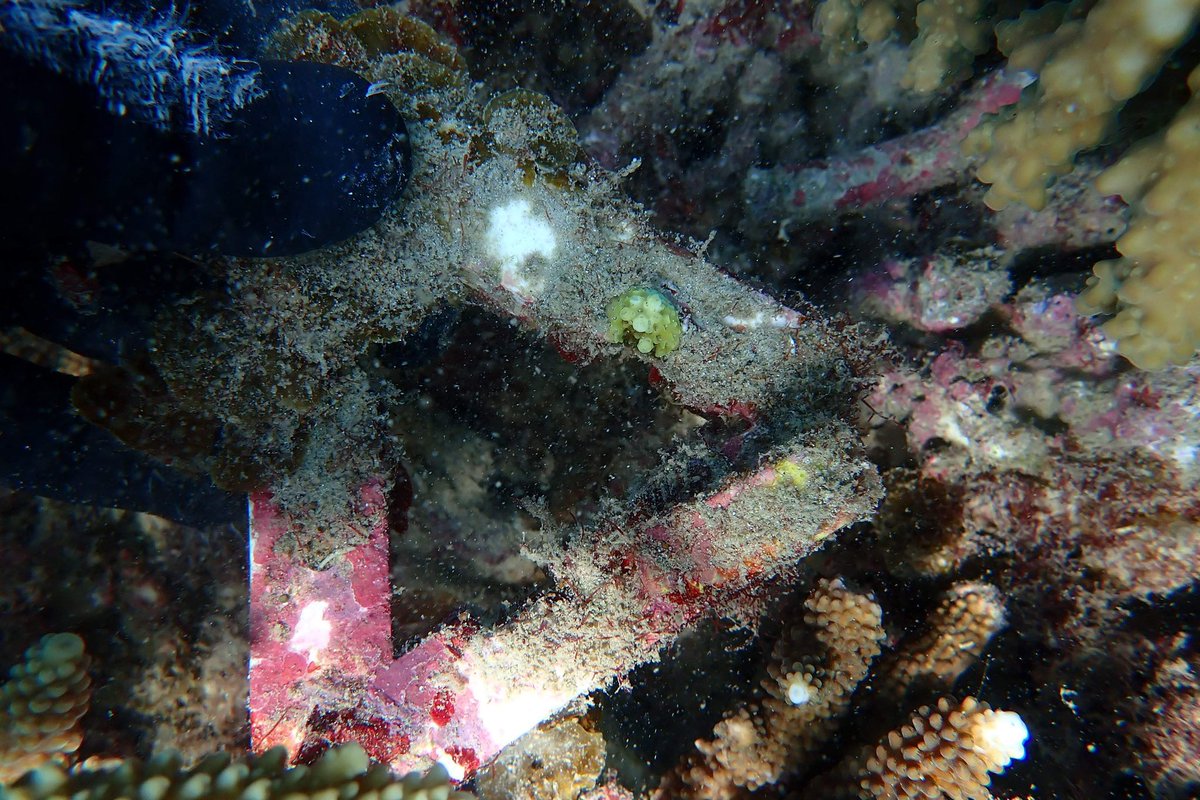
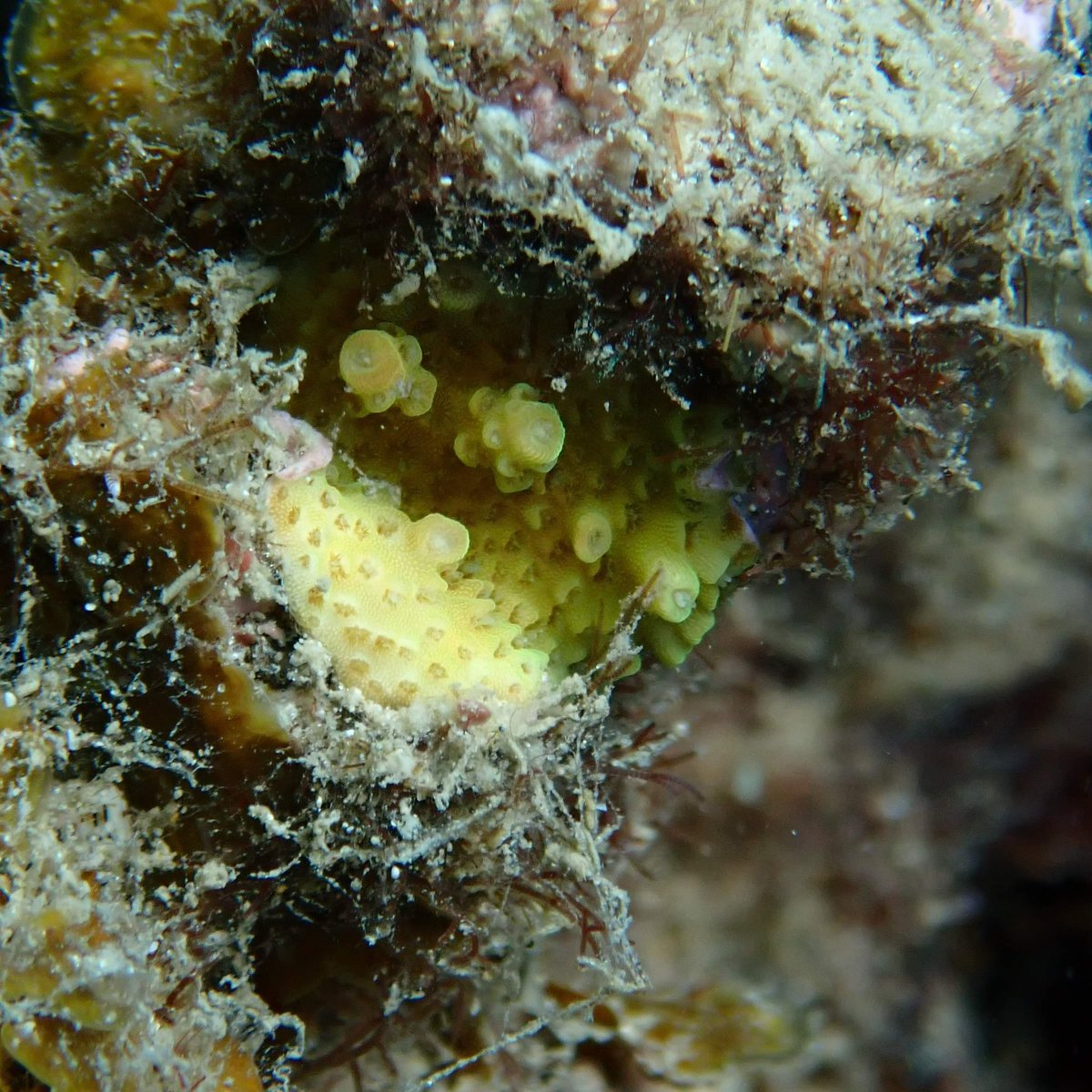
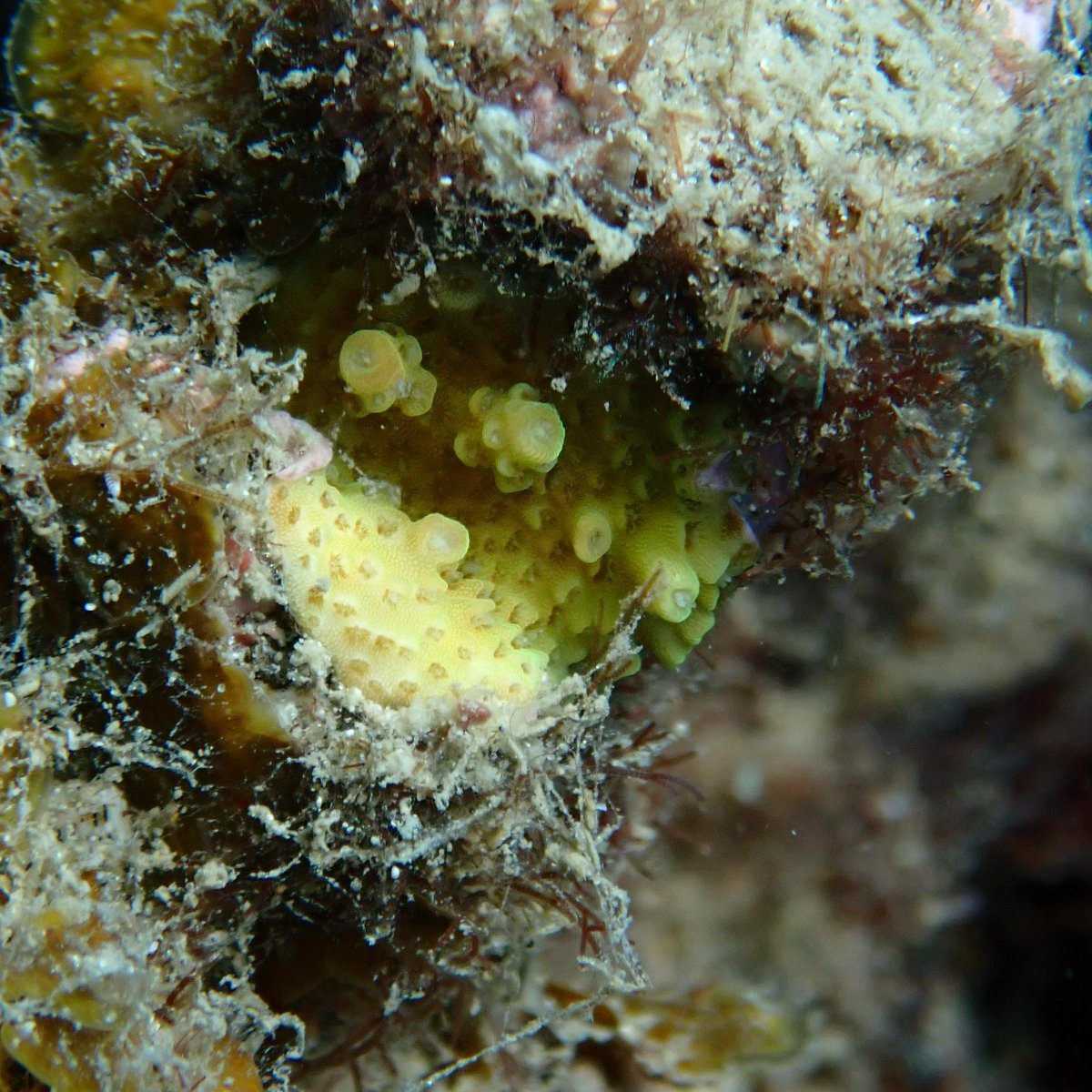
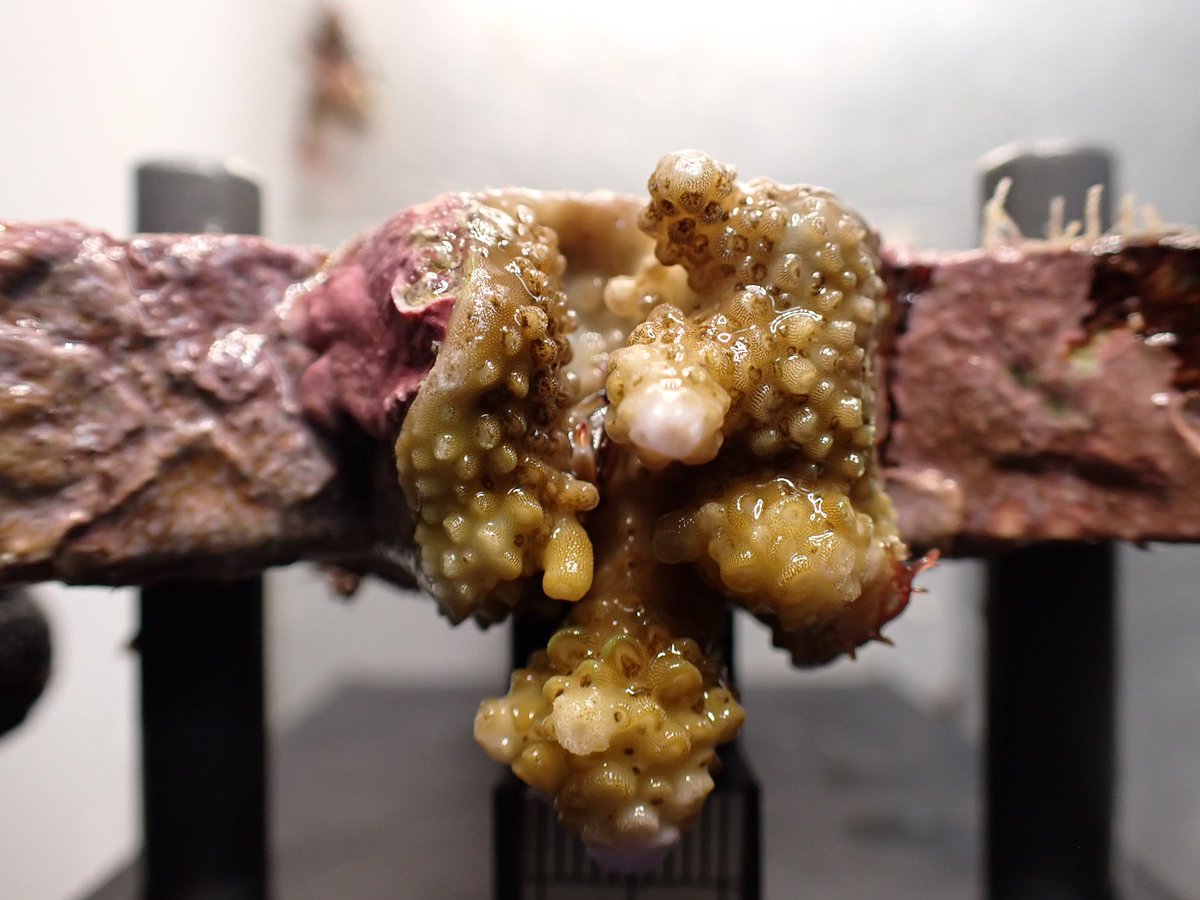
We are back on the #GBR finishing up our #coral seeding experiments at Moore Reef. Despite the windy conditions, we’ve managed to survey lots of beautiful corals. Look at these happy Acropora digitifera recruits 🪸
@aims_gov_au#RRAP
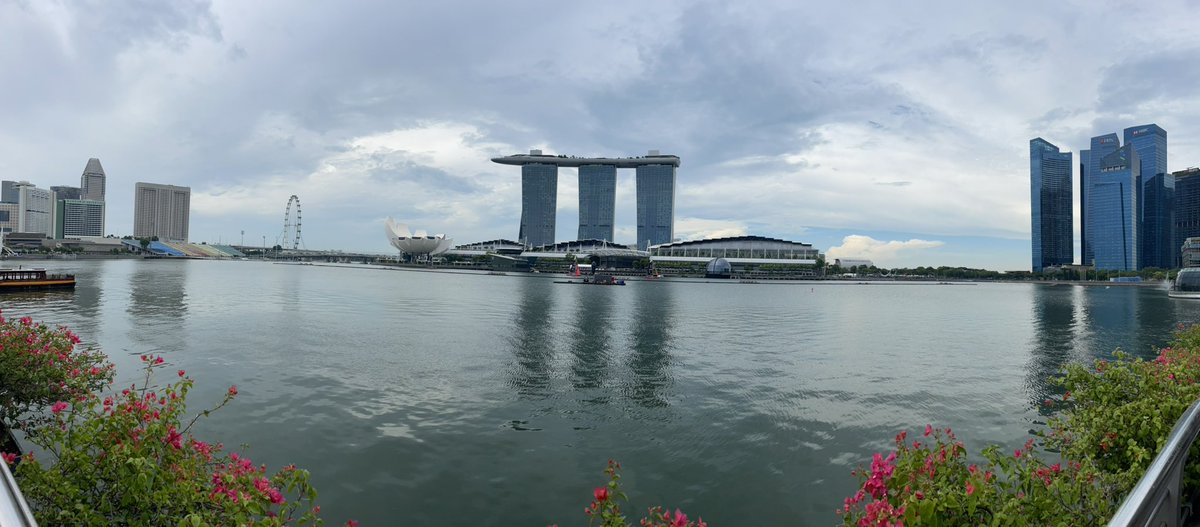
I had an amazing time in Singapore for @apcrs2023 🪸We shared novel techniques to help corals persist in an uncertain future and spent some free time exploring the beautiful island!
@aims_gov_au@AIMSatJCU#RRAP
In the wild, many animals don’t reach their 1st birthday ☹
To boost the survival of #coral juveniles, we’re exploring a restoration technique called ‘coral seeding.’
🔗 More: https://t.co/tfCQjywjO0
#ACRRI@bhp@WeareWoppaburr1
This week we are checking on our seeded #coral recruits in the northern #GreatBarrierReef.
The Acropora digitifera corals seem to love their new engineered homes, and our preliminary results look very promising for restoration with this species 🪸
#RRAP@aims_gov_au
Heaps of parrotfish activity at one of our #coral seeding sites on the northern #GBR. I’m interested in the relationship between water flow, #fish grazing, and coral survival. Will our engineered seeding devices protect coral recruits from grazing?
#RRAP@aims_gov_au