🚨¡ÚLTIMA HORA! El ingeniero que creó Claude Code desde cero acaba de publicar un vídeo de 28 minutos que es oro puro :
cómo escribir prompts que realmente dan resultados brutales.
He visto cursos de $300 que ni siquiera llegan a rozar la superficie de lo que explica en los primeros 10 minutos.
Archivos CLAUDE. md, atajos de memoria, sesiones paralelas y patrones de prompting que casi nadie utiliza…
Todo en un solo vídeo. Completamente gratis. Sin relleno.
No importa si eres desarrollador, estás empezando o llevas meses usando Claude : esto te cambia las reglas del juego desde hoy.
Guárdalo. Míralo. Compártelo.
Not my usual tweet but I want a little rant. I got gifted 2 tickets to the Chelsea Flower Show so went with a friend yesterday. We paid for an overnight stay in a hotel, train fares and food. I can honestly say it was AWFUL. It was unbelievably busy with huge numbers of people making it impossible to walk - we were just shoved along by the crowd. I couldn’t see any of the show gardens because the fight to see them was 5 people deep. Even if you did get to the front you were being pressured to move on. We gave up after 3 hours and went to the Chelsea Physic Garden along the road which was a much welcome oasis of calm. The organisers of the show should be ashamed of themselves. Visitor numbers need limiting and I feel so sorry for anyone for whom this was a first time long awaited visit #RHSChelsea #RHSChelseaFlowerShow
@GWandShows@GWandShows@The_RHS
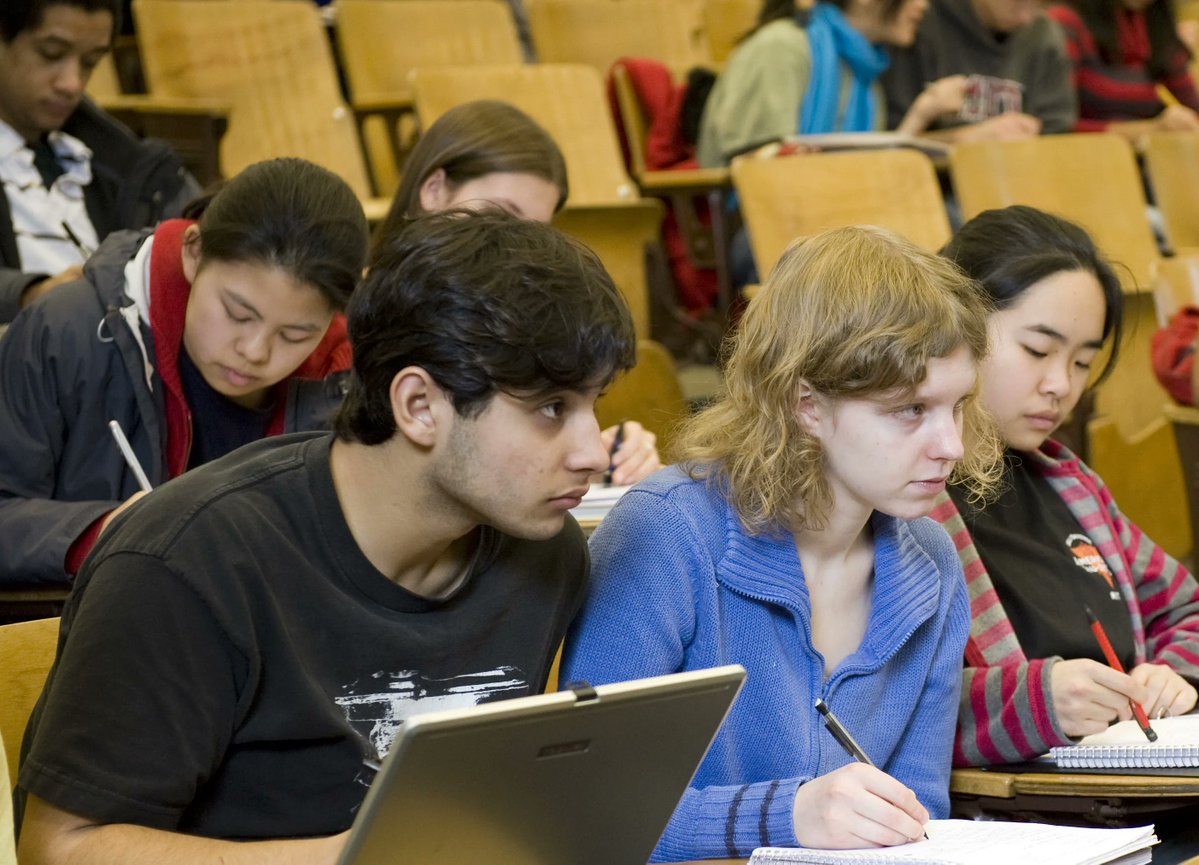
A MIT student figured out how to compress an entire semester of lecture content into one 90-minute study session.
He calls it "context stacking," and it's the most unfair thing I've seen done with NotebookLM.
I asked him to walk me through it. He did. I haven't studied the same way since.
Here's exactly what he does.
Two days before each lecture, he uploads everything into NotebookLM. The assigned readings, the previous week's slides, 3 or 4 related papers he finds himself, and any problem sets that are still open.
Most students wait for the lecture to explain the material. He walks in having already built a mental model of it.
That's step one. But it's not the move that makes it unfair.
The first prompt he runs across all of it:
"What are the 5 core concepts this week's content is built on, and how do they connect to what I studied last week?"
Not summarize. Not define. Connect.
NotebookLM pulls threads across everything he uploaded simultaneously. It surfaces relationships between ideas that would take a normal student weeks of review to notice. He gets that map before the lecture even starts.
Then he runs the prompt that does most of the work.
"What would I need to genuinely understand about this material to be able to teach it to someone with zero background in this subject?"
That question is doing something most students never force themselves to do. It exposes exactly where his understanding is solid and exactly where it's hollow. The gaps show up immediately, and he spends the rest of the 90 minutes filling only those gaps.
Not reviewing what he already knows. Only fixing what he doesn't.
The final prompt is the one that separates context stacking from every other study method I've heard of.
"What question could a professor ask about this material that would expose a student who understood the surface but missed the underlying logic?"
He's not studying for the exam he expects. He's studying for the exam designed to catch people who only think they understood it.
By the time he sits in the lecture hall, the professor is not teaching him anything new. The professor is confirming what he already mapped, filling in a few details, and occasionally surprising him with something he didn't anticipate.
That surprise is the only thing he writes down.
Most students leave a lecture hoping the material will eventually click.
He walks in with it already clicked, and uses the lecture to find out what he missed.
That's not a study hack. That's a completely different relationship with learning.
Are you watching the Chinese New Year Gala? The Robot Kungfu show is mind blowing!!!
They just executed a coordinated martial arts routine with spatial precision, rhythm control, and dynamic balance adjustments in real time.
Kung fu, one of China’s most iconic traditional art forms , performed by machines built with cutting-edge AI control systems, advanced actuators, and high-speed feedback loops. Ancient discipline meets algorithmic precision.
Last year, humanoid robots stepped onto the Spring Festival Gala stage for the first time. This year, they held synchronized kung fu stances with balance that would humble half of us after leg day.
And they did it live!!! On the most-watched television event on the planet.
The progress in just one year is magical.
That’s what we call China speed.
What makes it even sweeter is where this happened.
I love how the progress is integrated in culture. In celebration. In a Lunar New Year gala watched by hundreds of millions.
It’s music to my ears.
The robots didn’t look like they were “trying” anymore. They looked like they belonged.
Their joint articulation was smoother.
Their formation timing tighter.
Their balance recovery almost elegant.
Their choreography is expressive.
That’s what happens when AI models improve, control systems get smarter, hardware stabilizes, and iteration cycles compress.
One year in robotics today is not the same as one year ten years ago.
It’s compounding.
If this is what 12 months looks like,
imagine 36.
The Chinese New Year Robot Kungfu Gala is just futuristic.
It was quite the statement!
The future is getting better very, very fast.
It was so beautiful to watch. What do you think?
1/ I don’t often speak in my professional capacity as a Hong Kong–born, UK-chartered construction professional (MRICS, MAPM, NECReg, among others). But I need to address inaccurate reporting about bamboo scaffolding in the Hong Kong Tai Po fire.
(1/9)
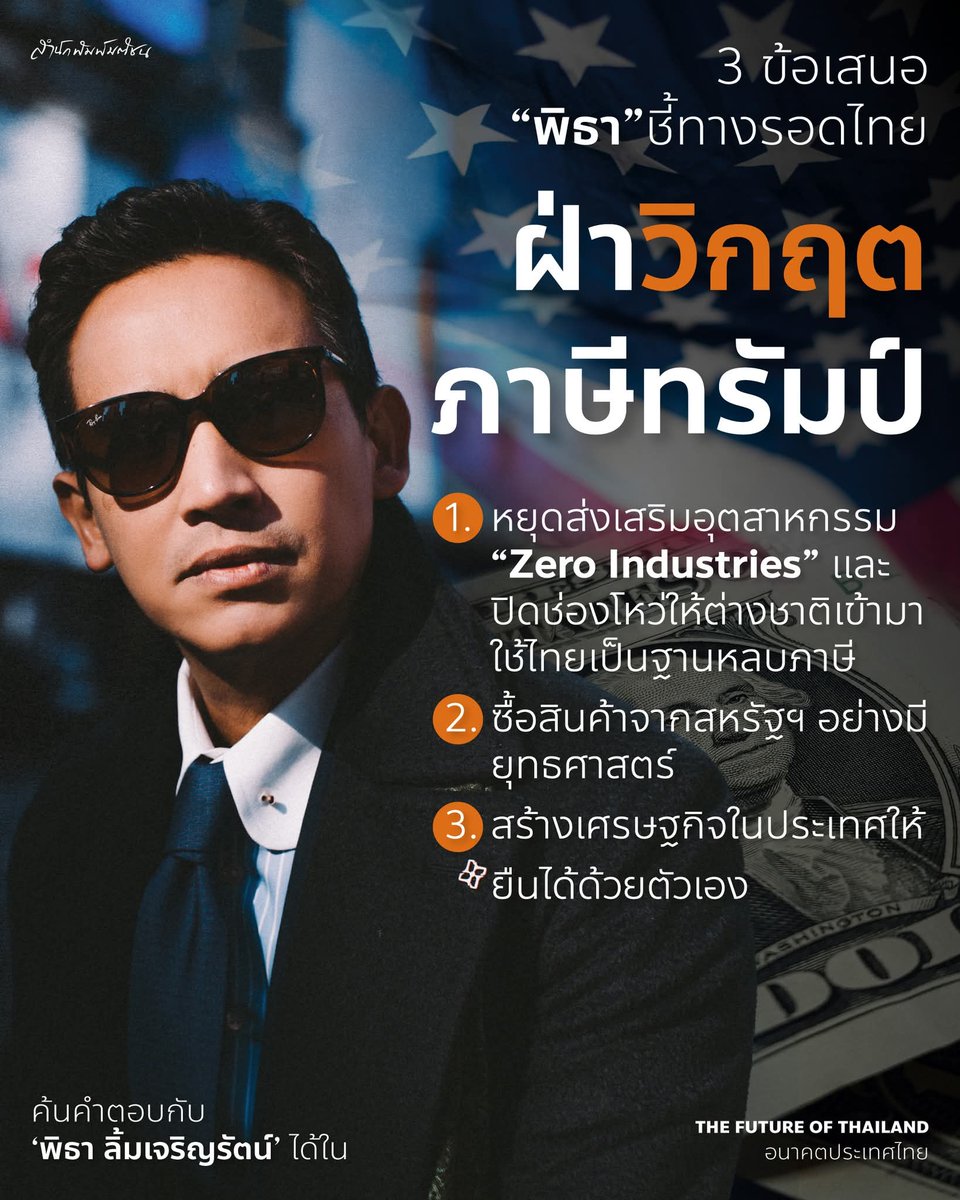
Thailand's Economic Vulnerability and A Way Forward: An Overview of Former Move Forward Party Leader Pita Limjaroenrat's Latest Proposals
The global economy is currently facing a period of weakness, but what is more worrying is that Thailand's economy is weaker than the global economy itself. Despite our high reliance on trade, we are growing slower than our neighbors, like Vietnam and Indonesia. This clearly reflects that the problem isn't a bad global economy, but rather that Thailand is weaker than the global economy.
Trump’s tax policy did not emerge from nowhere; it is rooted in the long-standing problem of the US "Twin Deficits"—the budget deficit and the trade deficit. The trade wall (tariffs) was therefore adopted as both a tool to protect domestic industry and a new source of revenue, drafted under the ambitious One Big Beautiful Bill Act (OBBBA). This has become a systemic change that is shaking global trade, and naturally, trading partners like Thailand are directly affected.
The impact Thailand faces isn't limited to just export problems. High import tariffs of up to 36% are eroding our key products, including pickup trucks, rice, shrimp, and rubber. Important markets we once relied on are slowly being closed off. At the same time, the domestic economy is sluggish, debt is soaring, and costs are continuously rising. The global geopolitical atmosphere is also becoming increasingly complex and competitive, putting Thailand at risk of being squeezed and becoming a “victim” of international political games if we don't prepare immediately.
What makes this situation even more alarming is that Thailand has virtually no protective shield. We lack a cost monitoring system, anti-dumping measures, or negotiation tools to protect trade through the World Trade Organization (WTO). The result is that we may not only be unable to "sell our exports," but we could also face a tougher fate: being flooded with cheap foreign goods that replace our own, with no means to fight back.
In his book "The Future of Thailand (อนาคตประเทศไทย)," Pita Limjaroenrat proposes that the Thai government must rethink, reform, and act immediately with three main approaches:
Stop promoting “Zero Industries” and close loopholes that allow foreigners to use Thailand as a tax-avoidance base.
Strategically purchase goods from the US, meaning "buy what Trump wants and what aligns with Thailand's strategy" simultaneously.
Build a self-reliant domestic economy, because the countries that survive this trade game are those with “internal support,” especially domestic purchasing power, community markets, networks of small producers, and a genuinely decentralized budget system.
This is just an overview of the proposal and analysis, but in the book "The Future of Thailand (อนาคตประเทศไทย)," you can read the full details of the three proposals for the Thai government, from the actual policy implementation to the vision for how Thailand can escape being a "victim of the superpowers."
#Thailand #Pita