Bringing history to life! ‘Today in History' is your daily dose of historical enlightenment, fascinating insights and intriguing anecdotes from the past
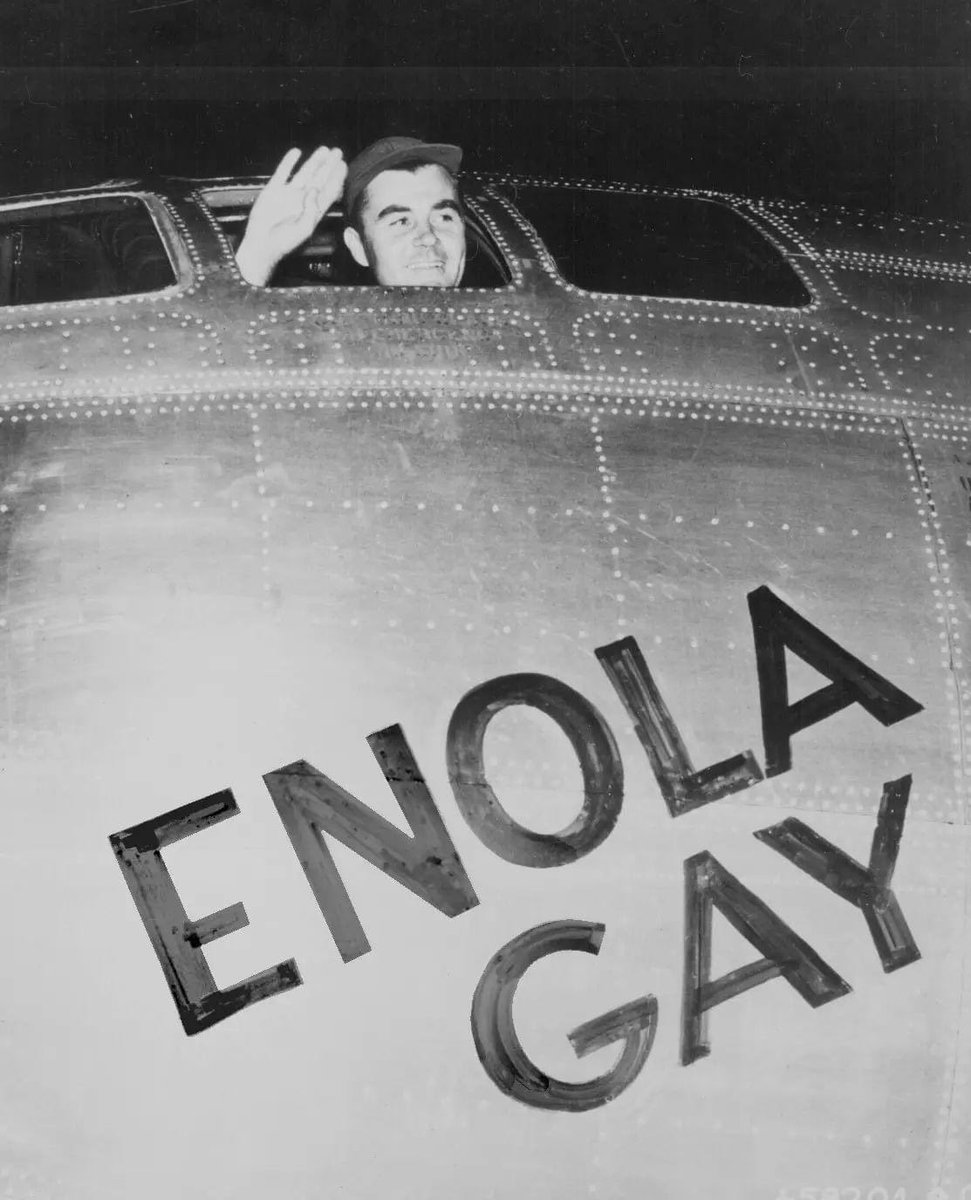
In 1945, Paul Tibbets played a significant role in history as the pilot of the Enola Gay, the B-29 Superfortress that dropped the first atomic bomb on Hiroshima, Japan, on August 6. This event marked a pivotal moment in World War II, leading to Japan's eventual surrender and the conclusion of the conflict.
As Tibbets waved from the top of the Enola Gay, he became a symbol of both the advancements in military technology and the profound consequences of warfare. The mission aimed to bring a swift end to the war, as an invasion of Japan was expected to result in substantial casualties on both sides.
The decision to use the atomic bomb has since sparked extensive debate regarding its ethical implications and the impact on civilian populations. While Tibbets expressed pride in his role, many continue to grapple with the moral complexities surrounding the use of nuclear weapons and their lasting effects on international relations.
Tibbets' wave from the Enola Gay serves as a reminder of the significant historical shifts of that era, highlighting the delicate balance between military strategy and human cost in times of conflict. This moment encapsulates a complex chapter in history, prompting ongoing discussions about the responsibilities associated with such powerful technologies and their implications for peace and security.
In 1930, the Hunter Brothers made aviation history by completing a 23-day-long flight without landing.
This record-setting feat was achieved in a Stinson SM-1 Detroiter, showcasing both their skill and the reliability of their aircraft. Throughout the flight, the brothers performed necessary mid-air mechanical checkups to ensure the plane's functionality. They were resupplied with food, fuel, and other essentials by another aircraft using a rope and basket system. This innovative approach allowed them to maintain their endurance flight, demonstrating remarkable ingenuity and resilience.
To sustain their 23-day journey, the Hunter Brothers had to perform regular mechanical checkups while airborne. This involved inspecting the engine, checking fuel levels, and ensuring all systems were operational. Given the technology of the time, this required significant expertise and bravery. Any issue had to be addressed promptly to avoid catastrophic failure.
The resupply process was equally impressive. A second aircraft would fly alongside the Hunter Brothers' plane, lowering supplies via a rope and basket system. This included food, water, and fuel. The precision and coordination required for these mid-air transfers were extraordinary, highlighting the pilots' skill and the support team's ingenuity.
The Hunter Brothers' achievement had a lasting impact on aviation. It demonstrated the potential for long-duration flights and the importance of mid-air maintenance and resupply techniques. Their flight showed that with proper planning and execution, aircraft could remain airborne for extended periods, paving the way for future advancements in aviation endurance records.
The Hunter Brothers' 23-day flight remains a testament to the spirit of early aviation pioneers. Their willingness to push the boundaries of what was possible in aviation inspired future generations of pilots and engineers. The techniques and knowledge gained from their experience contributed to the development of modern aviation practices, including mid-air refueling and long-haul flight capabilitie
In 2010, a nineteen year old Australian man named Sam Ballard spent an evening drinking with his friends in the back garden, when a slug came to their attention.
Being young and dumb and a bit inebriated, one of them suggested, as a dare, that Sam swallow the slug, which he did.
Some time later Sam started to complain of aches and pains and informed his parents of his foolhardy act, which they dismissed as irrelevant.
The sad truth is that the slug was carrying Rat Lungworm disease, a parasite called Angiostronjilus. Deposited in the faeces of an infected rat the slug picked it up and finally passed to the unfortunate man.
The parasite worked its way through its host’s system, finding its way to the brain and causing an inflammation that induced a coma lasting over 400 days.
On waking, he was completely paralyzed and was reliant on round-the-clock care in order to function. He finally succumbed to his condition and passed away in 2018.
This footage from 2010 shows SeaWorld trainer Dawn Brancheau's final moments alive before she was pulled into the jaws of an orca named Tilikum and tragically killed.
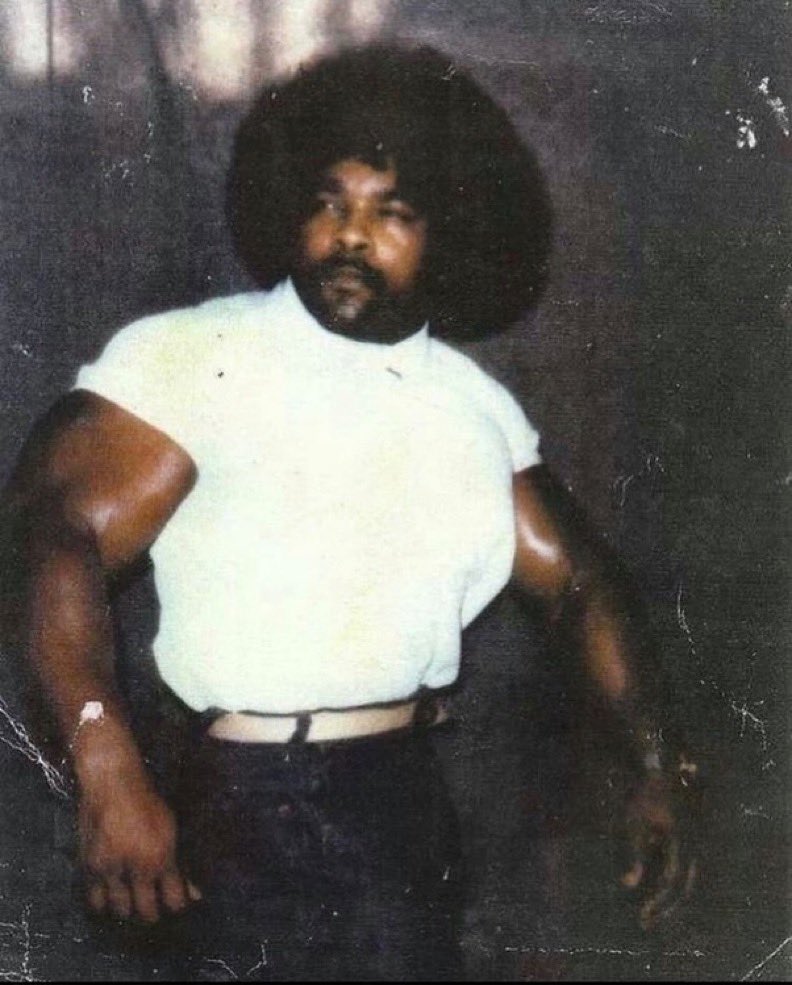
Stanley Williams, the leader of the Crips street gang, led a strikingly double life. By day, he appeared as an anti-gang youth counselor, seemingly dedicated to steering young people away from violence. But by night, he was the head of the Crips, orchestrating violent crimes against their rivals, the Bloods.
On the surface, Williams lived a normal, respectable life, presenting himself as a positive influence on the youth. In reality, however, he was recruiting these vulnerable young people into his gang, exploiting them to run drugs, engage in prostitution, or carry out brutal acts of violence against rival gangs. It was the perfect cover, though deeply cynical and manipulative.
Stanley Williams was eventually sentenced to death and executed in December 2005 at the age of 51.
In 2005, a kitten named Oscar, adopted by a U.S. nursing home, eerily predicted over 100 deaths by snuggling with residents just before they died. His reputation grew after 20 consistent predictions, with families alerted when he was seen with a resident.
In 1989, Patricia Stallings' baby fell violently ill, leading her to take him to the hospital. After tests revealed high levels of ethylene glycol in his blood, Stallings was accused of poisoning him and later imprisoned for murder following his death.
While she was in custody, Stallings gave birth to another child, who was immediately placed in protective custody. Despite having no contact with his mother, this child also showed high levels of ethylene glycol in his blood and was diagnosed with the rare genetic disorder methylmalonic acidemia. However, this diagnosis was not presented during Stallings' trial, and she was convicted of murder and sentenced to life without parole.
In 1991, an episode of "Unsolved Mysteries" highlighted her case, prompting a biochemistry and molecular biology professor to re-examine the evidence. His tests confirmed that Stallings' first child had also suffered from methylmalonic acidemia and had not been murdered.
During World War I, the average lifespan of a soldier in the trenches was approximately six weeks. Soldiers faced significant threats, including artillery fire, bayonet wounds, and exposure to mustard gas, which caused severe respiratory damage. The harsh realities of trench warfare often led soldiers to take extreme measures to escape the front lines.
One such measure was self-inflicted injury, though this carried the risk of court-martial and severe punishment. To avoid such consequences, some soldiers deliberately contracted syphilis, a sexually transmitted infection that often required mercury treatment. This treatment could render soldiers unfit for duty, granting them at least 30 days away from combat and, in some cases, leading to permanent discharge from service.
Contracting syphilis provided a form of plausible deniability, as venereal diseases were common due to unsanitary conditions and interactions with infected prostitutes in wartime brothels. Unlike self-inflicted wounds, which were easily identified and punished, syphilis could be attributed to unintended exposure.
Despite offering temporary relief from the battlefield, syphilis carried severe consequences. The disease caused significant health risks, including infertility, neurological damage, and eventual death if untreated, along with a substantial social stigma. Nevertheless, for some soldiers, the immediate escape from trench warfare justified these long-term risks. Recognizing this desperation, some prostitutes charged higher fees, exploiting the soldiers’ willingness to pay for a brief reprieve from the horrors of war.
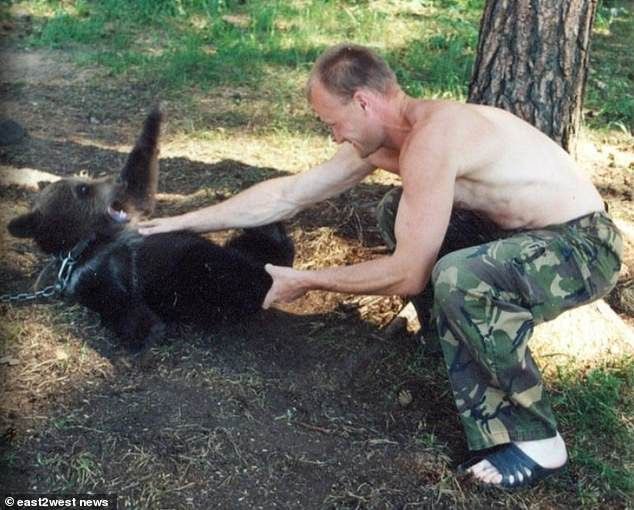
In 2014, a Russian man, Sergey Grigoriyev, adopted and raised a bear cub.
Despite four years of bonding, the bear rejected its food and ate Sergey instead.
His “skeletal remains” were found by Police who went to his house after his relatives reported him missing and the bear on the loose.