It does work in the Netherlands. But it comes with a price, 12-18% of your gross income goes to the healthcare system.
For that we have excellent healthcare for everyone, regardless of income. With a one time a year deductible of €350 per person.
You pay 120-135 euro's a month in premium's directly, the rest through your taxes.
If you are low income the government (or more accurately the taxpayers) pays your monthly premium of between 120-135 euro's.
Overall the systems works, we have excellent healthcare with in general acceptable wait times.
But the system is under strain due to insurance companies greed since privatization in the early 2000's and the never ending influx of refugees who pay nothing and use a lot of healthcare.
I’m wondering…Am I the only person on this planet who finds it strange that we went from owning everything we bought to paying monthly fees just to keep using it?
Tien jaar Parijsakkoord, tien jaar industriële productie voor de G20 landen + Nederland.
De grafiek laat zien wie bouwde en wie afbouwde.
Rood: landen die onder Parijs geen absolute reductieplicht hebben, of het akkoord hebben verlaten. Groen: landen met een volle reductieverplichting.
De top van de lijst: China +74% Turkije +48% India +42% Rusland ≈+30% Zuid-Korea +22%
De onderkant: Frankrijk -1% VK -2% Italië -2% Japan -8% Duitsland -12%
Nederland komt uit op +4%, onder het EU-gemiddelde van +7%.
China hoeft volgens zijn eigen doel pas "vóór 2030" een piek te bereiken en mag tot die tijd groeien. India stuurt op CO₂ per euro bbp, niet op absolute uitstoot, en wil pas in 2070 klimaatneutraal zijn. Turkije en Mexico vallen formeel onder ontwikkelingsland.
Ondertussen legt Europa zichzelf harde, juridisch afdwingbare doelen op, met ETS-prijzen, CBAM-bureaucratie en een energierekening waar geen Aziatische concurrent mee te maken heeft.
Duitsland sloot zijn kerncentrales, was noodgedwongen te stoppen met Russisch gas en betaalt nu de prijs.
De les is niet dat industrie onmogelijk is in Europa.
De les is dat betaalbare, betrouwbare energie het fundament is, en dat wij dat fundament zelf onder onze industrie vandaan hebben getrokken.
Een ton CO2 die niet meer in ons land wordt uitgestoten, maar wel in India, VS of China, is geen klimaatwinst. Het is banenverlies met een groen deugetiket.
Ik roep Nederlandse bestuurders rationeel en strategisch naar ons klimaatbeleid te kijken, want we gaan de bietenbrug op.
Bron: OECD (2015=100, versie okt. 2026), China: NBS.
The EU just killed cheap shopping for ordinary people and called it “consumer protection.”
Until this year you could order a €4 phone case, a €6 T-shirt and a €5 kitchen gadget on Temu — free shipping, free returns. Total: under €20.
Now Brussels charges €5 extra per product type. That same order jumps by €15 before VAT. One €3 item now costs almost as much in EU fees as the item itself. Buy 10 identical pairs of socks and you still only pay one €5 fee. Mix three different cheap things and you pay €15.
Retailers can still bulk-import from China or use EU warehouses and avoid most of it.
Ordinary people can’t.
Everything already comes from China. The EU just decided only approved middlemen get to bring it in. They didn’t protect consumers. They protected the import cartel and the fairy tale that Europe still produces anything useful.
So much for the EU “for the people.”
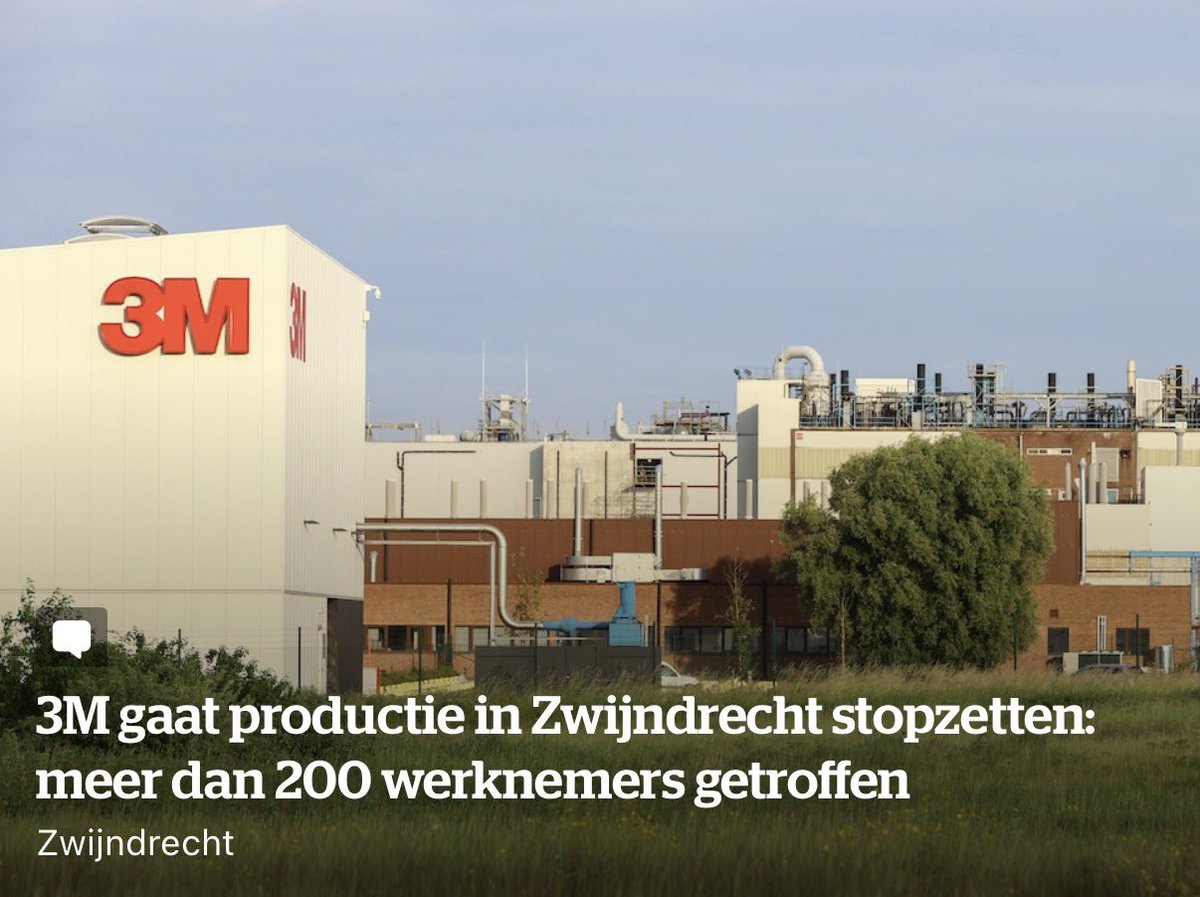
België was ooit een wereldspeler in chemie. Vandaag: 3M sluit Zwijndrecht, 209 jobs weg. Gas bijna zes keer duurder dan in de VS, vergunningen die jaren aanslepen, regels boven op regels. Dit is geen natuurramp. Dit is het resultaat van “Groen” beleid. Wanneer worden we wakker?
@NC_State69420@disclosetv Yeah, who cares that our elderly are afraid to turn on the heating with our taxed to the hilt energy costs. Lets burn 500 million on some rainforests.