Religious beliefs determine ideology and culture,Ideology and culture determine political systems,宗教信仰决定思想、制度、每个人的未来!文章无版权,欢迎随便复制使用!互😊😁fo 🍄follow ☺️😁back
A Critical Perspective on Taoism
What is Taoism? The Truth About Taoism!
Taoism is a religion that evolved from ancient shamanism, involving practices such as spirit mediumship (Tiao Dashen), sacrificial rituals, divination, exorcism, and the creation of talismans. In essence, Taoism is a strictly hierarchical religion rooted in the "law of the jungle" and feudal ethics. It is a polytheistic, "god-making," false-god, and even "atheistic" religion—because deifying mortals is a form of disrespect to true divinity, which essentially makes it a religion without a true god. Driven by profit, Taoism has canonized many emperors, generals, and ordinary mortals as immortals; fundamentally, it is not a wholesome faith.
The Darker Side of Taoism
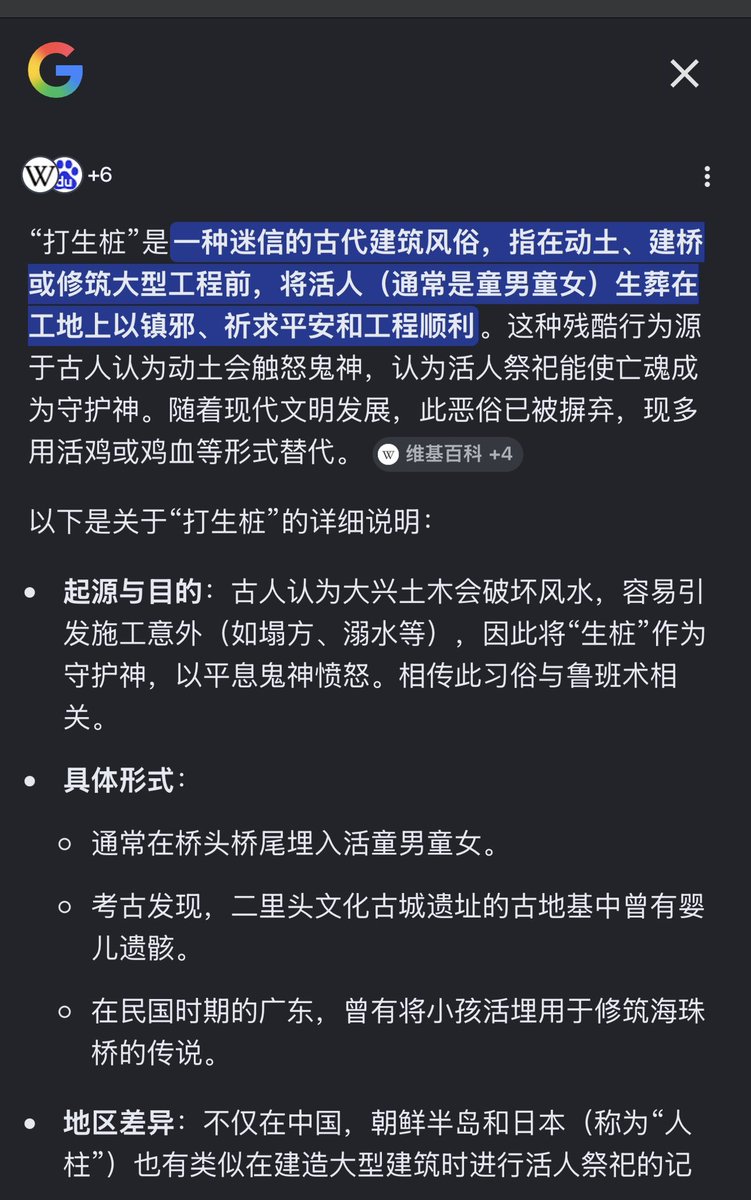
Taoism is not always noble; it can be sordid. Historically, it has involved human sacrifice, using living people as offerings, and "living pillars" (Da Sheng Zhuang). It practiced alchemy using young boys and girls, served the aristocracy through the use of horoscopes (Bazi), and taught peasants to eat "human blood buns." It promoted spirit mediumship and superstitions to sell talismans and engage in fortune-telling scams. The "elixirs of immortality" produced through alchemy were often highly toxic—Emperor Taizong of Tang, the Jiajing Emperor of Ming, the Yongzheng Emperor of Qing, and many wealthy nobles lost their lives to these "Golden Pills." Furthermore, it promoted "Bedroom Arts" (Fangzhong Shu), which were often obscene and violated ethical norms.
A "Hotchpotch" of Theories and Egoism
With the goal of achieving longevity and immortality, Taoism emphasizes the exploration and exploitation of natural mysteries. It absorbed elements from Confucianism, Mohism, and the School of Yin-Yang to form a "hotchpotch" religious theory. Taoism represents a culmination of traditional ghosts, superstitions, corruption, and obscenity. Its core philosophy is "refined egoism"—benefiting oneself at the expense of the world. The entire doctrine is filled with ideas of self-preservation and survival; among all religions, it lacks the spirit of sacrifice the most. Whenever a dynasty ended or society fell into chaos, Taoism was often the first to incite trouble.
Social Foundation and Rebellion
Taoism appeals to the wealthy with its promise of immortality and to the poor with its claims of controlling the weather, exorcising demons, and curing diseases with "talisman water." This solid social foundation gave it strong organizational capabilities and the power to revolt. From the late Han Dynasty through the Three Kingdoms, Jin, and Northern and Southern Dynasties, China was in a state of chaos. People lived in misery due to war and famine. The "Great Peace" (Taiping) ideology of Taoism resonated with the suffering masses. In the Taoist celestial hierarchy, gods are far superior to imperial power; an emperor is merely a "dragon" subordinate to the gods, who could crush him at will. This provided a natural justification for rebellion—acting on behalf of Heaven.
Throughout history, "spiritual scammers" used Taoism to launch numerous uprisings, or "holy wars," resulting in pillaging, the abduction of women, and the destruction of social order. Examples include:
• The Yellow Turban Rebellion: Led by Zhang Jue, whose followers killed people as sacrifices to Heaven and looted even the poor.
• The Five Pecks of Rice Rebellion: Led by Sun En, who committed atrocities and drowned infants in rivers, claiming they were "ascending to immortality."
• Other Rebellions: The Li Family Taoist uprisings, the Ba-Shu secession (Cheng Han), and the rebellion of Chen Shuozhen (the only female Taoist leader of an uprising).
A Critical Perspective on Taoism
What is Taoism? The Truth About Taoism!
Taoism is a religion that evolved from ancient shamanism, involving practices such as spirit mediumship (Tiao Dashen), sacrificial rituals, divination, exorcism, and the creation of talismans. In essence, Taoism is a strictly hierarchical religion rooted in the "law of the jungle" and feudal ethics. It is a polytheistic, "god-making," false-god, and even "atheistic" religion—because deifying mortals is a form of disrespect to true divinity, which essentially makes it a religion without a true god. Driven by profit, Taoism has canonized many emperors, generals, and ordinary mortals as immortals; fundamentally, it is not a wholesome faith.
The Darker Side of Taoism
Taoism is not always noble; it can be sordid. Historically, it has involved human sacrifice, using living people as offerings, and "living pillars" (Da Sheng Zhuang). It practiced alchemy using young boys and girls, served the aristocracy through the use of horoscopes (Bazi), and taught peasants to eat "human blood buns." It promoted spirit mediumship and superstitions to sell talismans and engage in fortune-telling scams. The "elixirs of immortality" produced through alchemy were often highly toxic—Emperor Taizong of Tang, the Jiajing Emperor of Ming, the Yongzheng Emperor of Qing, and many wealthy nobles lost their lives to these "Golden Pills." Furthermore, it promoted "Bedroom Arts" (Fangzhong Shu), which were often obscene and violated ethical norms.
A "Hotchpotch" of Theories and Egoism
With the goal of achieving longevity and immortality, Taoism emphasizes the exploration and exploitation of natural mysteries. It absorbed elements from Confucianism, Mohism, and the School of Yin-Yang to form a "hotchpotch" religious theory. Taoism represents a culmination of traditional ghosts, superstitions, corruption, and obscenity. Its core philosophy is "refined egoism"—benefiting oneself at the expense of the world. The entire doctrine is filled with ideas of self-preservation and survival; among all religions, it lacks the spirit of sacrifice the most. Whenever a dynasty ended or society fell into chaos, Taoism was often the first to incite trouble.
Social Foundation and Rebellion
Taoism appeals to the wealthy with its promise of immortality and to the poor with its claims of controlling the weather, exorcising demons, and curing diseases with "talisman water." This solid social foundation gave it strong organizational capabilities and the power to revolt. From the late Han Dynasty through the Three Kingdoms, Jin, and Northern and Southern Dynasties, China was in a state of chaos. People lived in misery due to war and famine. The "Great Peace" (Taiping) ideology of Taoism resonated with the suffering masses. In the Taoist celestial hierarchy, gods are far superior to imperial power; an emperor is merely a "dragon" subordinate to the gods, who could crush him at will. This provided a natural justification for rebellion—acting on behalf of Heaven.
Throughout history, "spiritual scammers" used Taoism to launch numerous uprisings, or "holy wars," resulting in pillaging, the abduction of women, and the destruction of social order. Examples include:
• The Yellow Turban Rebellion: Led by Zhang Jue, whose followers killed people as sacrifices to Heaven and looted even the poor.
• The Five Pecks of Rice Rebellion: Led by Sun En, who committed atrocities and drowned infants in rivers, claiming they were "ascending to immortality."
• Other Rebellions: The Li Family Taoist uprisings, the Ba-Shu secession (Cheng Han), and the rebellion of Chen Shuozhen (the only female Taoist leader of an uprising).