For anyone who likes spending two hours+ diving into the history of NeXT, starting with its 1993 pivot to software only and then on through its acquisition by Apple (some might say it was the other way around), and then into the Mac OS X era...
https://t.co/vuys38FNmi
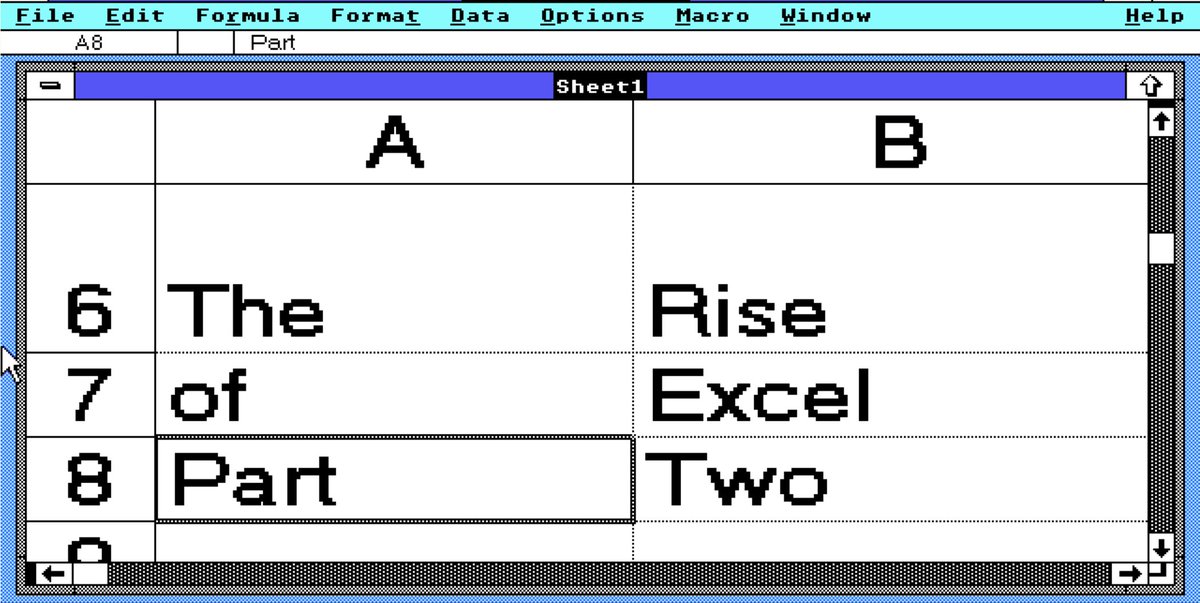
The rise of Excel part 2 is now live!
There is no paywall on this one, so it can easily be shared with anyone who might be interested :)
https://t.co/zk0eUz6Inm
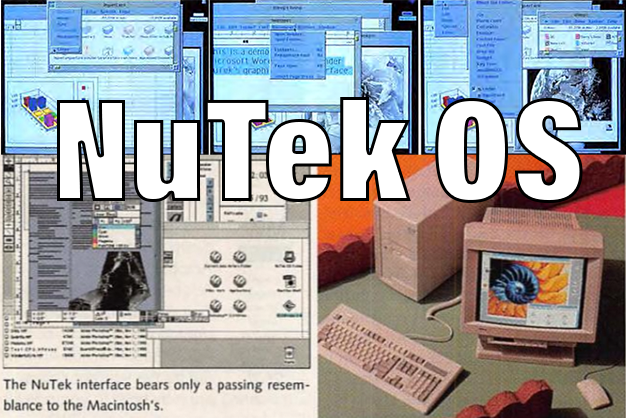
The full story of NuTek OS and its insanely ambitious attempt to reverse engineer the Macintosh OS is now live for Retro Tech Reads subscribers
https://t.co/D5Bol25gry
In a possible shock to our long suffering YT fans,
we have another video that is in the rough edit stage.
If everything goes well we may be able to post it in December.
As the era of the #hackintosh comes to an end, does anyone remember the time a company tried to build a business publicly selling Hackintoshes?
From 2008-2009, Florida based Psystar boldly sold hackintosh clones via their website, seen here in March of 2009
Unsurprisingly, #Apple sued them into the ground, and they were bankrupt and defunct by the end of 2009.
Read the full story here:
https://t.co/WnMh6d4Dsk
MacPaint’s inclusion with every Macintosh meant that using it was the first time a lot of people got to paint with pixels.
Sadly, it was abandoned by Claris after receiving its only significant update in 1988.
https://t.co/drCU0yl1uu
When the #Macintosh was PowerPC based (also known as The Best Macintosh Era), #VirtualPC allowed you to run a full version of #Windows in a virtual machine.
However, on all but the most powerful 1990s Macs the overhead of running a second operating system in parallel with the classic MacOS meant that Windows tended to chug hard.
The classic MacOS’s poor multitasking, paired with a single core PowerPC and Windows’ notorious hardware demands ensured that the experience was almost invariably glacially slow.
Productivity applications generally ran fine, however anything gaming-related was mostly unusable, unless it was VERY basic.
Running #TombRaider as the box boasts was pretty much a pipe dream unless you had a ridiculously high end Mac with gobs of RAM.
Otherwise it would be Tomb Raider: The Slideshow.
After six years, Steve Jobs and NeXT part 2 is finally done!
It will premiere September 7th, at 2 PM EST
https://t.co/GegEjnsacc
#SteveJobs#Macintosh#NextStep#OSX
The edit of Steve Jobs and Next part 2 continues to crawl forward, currently adding all of the chapter titles and marking them in Resolve. I also need to add a fade to black everywhere an ad break goes
Definitely going to focus more on shorter <1 hour videos going forward
The Story of MacWrite has now been published, over 8k words delving into the rise, neglect, and fall of the Macintosh's original word processor
https://t.co/cZFPLkEp1N
#macintosh#macwrite
With Windows 3.0 #MicrosoftWindows finally started to take off after the disappointments of Windows 1 and Windows 2x
RetroTechReads subscribers can read The Rise of Microsoft Windows Part 3 today, months before the video gets released on @TopicBoring
https://t.co/QQcuz0AiM5
24 years ago the first consumer release of #OSX arrived. Its origins go back to the late 1980s though, and a company founded by recently ousted #SteveJobs
With part 2 slowly moving towards completion, now’s a good time to check out part 1 of NeXT’s story
https://t.co/a6TaaFWCxe
In honor of #stevejobsbirthday, let’s take a look at the tale of the company he founded after losing a power struggle at Apple, NeXT Computer Inc
https://t.co/a6TaaFWCxe
The Soviet Union's computer industry is frustratingly understudied, but one of the most interesting parts of it is the "Yedinaya sistema", or Ryad line of mainframes, a Soviet copy of IBM's S/360 line of mainframes.
#soviet
https://t.co/0VBrXeHJLf