♻️ Fully biodegradable materials that support saplings as they grow and decompose over time.
Our goals are aligned with initiatives like Ireland’s 100 Million Trees Project—providing practical, eco-friendly tools that protect saplings while nurturing biodiversity. 🌱
When in the planning stage for our project, we knew we had to address two big issues: protecting young saplings from grazing animals like deer and sheep, and reducing plastic waste in reforestation efforts. 🔬💡
With some creative problem-solving, we developed: 🧵
🧄 Tree guards infused with garlic oil to deter grazers naturally and safely.
🌈 Biodegradable pigments from the EU-funded ECOPRO project (NWE0300322 ECOPRO - Eco-friendly COlourants for Polymer PROducts) for sustainable, vibrant colouring without harmful dyes.
🌳 Protecting saplings in remote areas presents a challenge, limited accessibility makes it difficult to remove standard plastic tree guards.
🌱 Our biodegradable tree guards offer a sustainable solution as they break down on-site, eliminating the need for retrieval or disposal.
The Traceless project is helping to protect these young trees with our biodegradable tree supports. Designed with care for the environment, our supports provide essential protection against grazing animals, like deer and sheep, while breaking down naturally over time. 🌿
Did you know that winter is the perfect time to plant trees? 🌱 While the world above ground slows down, beneath the soil, it’s the ideal season for young saplings to establish their roots in their new homes.
#WinterPlanting#Traceless#TUSPolymer#TreeSupports#LeaveNoTrace
Most saplings are planted as bareroots during this season, meaning they’re transplanted without soil surrounding their roots. By spring, as new leaves emerge, these trees are ready to soak up sunlight and thrive. 🌳
#NXTGENWOOD#UL#Forestry#IrishForestry
Do you feel calmer when you’re out in nature? Being around trees lowers our blood pressure & reduces stress. In a world that’s getting busier, trees have never been more valuable to our wellbeing! #NationalTreeWeek 🌳 💚
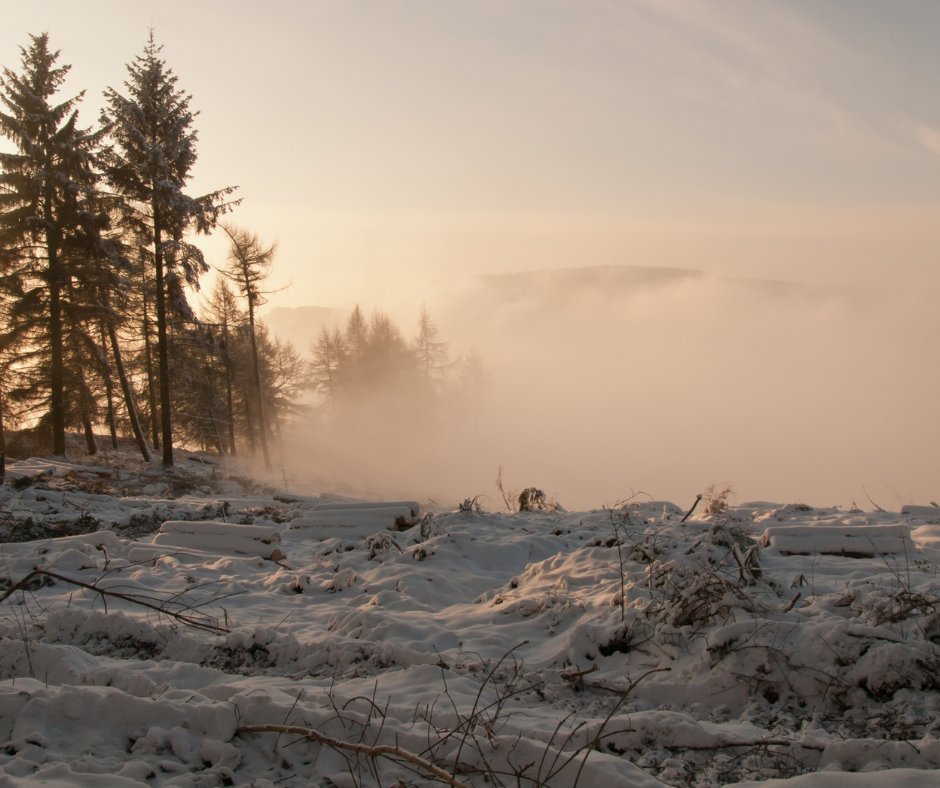
The recent snowfall has been a stark reminder of how harsh weather can challenge young trees, testing their resilience just when they’re most vulnerable. Add wildlife threats to the mix, and it’s clear that saplings need extra support to thrive. 🌨️🌳
#SustainableForestry
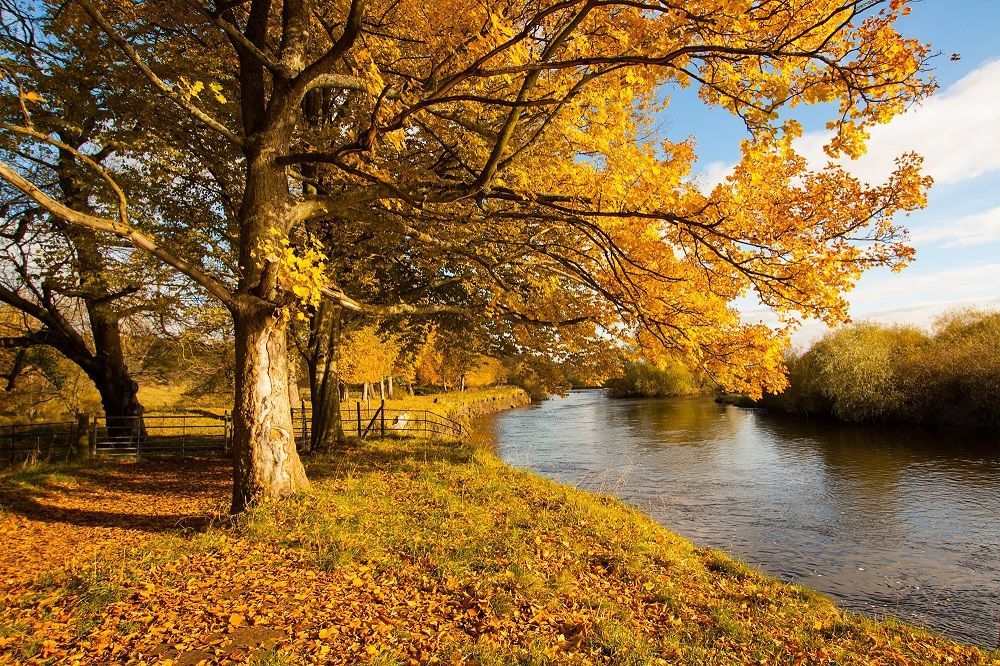
The clocks have fallen back, evenings are darker, and there’s a chill in the air. Did you know winter is an important season for nature and wildlife?
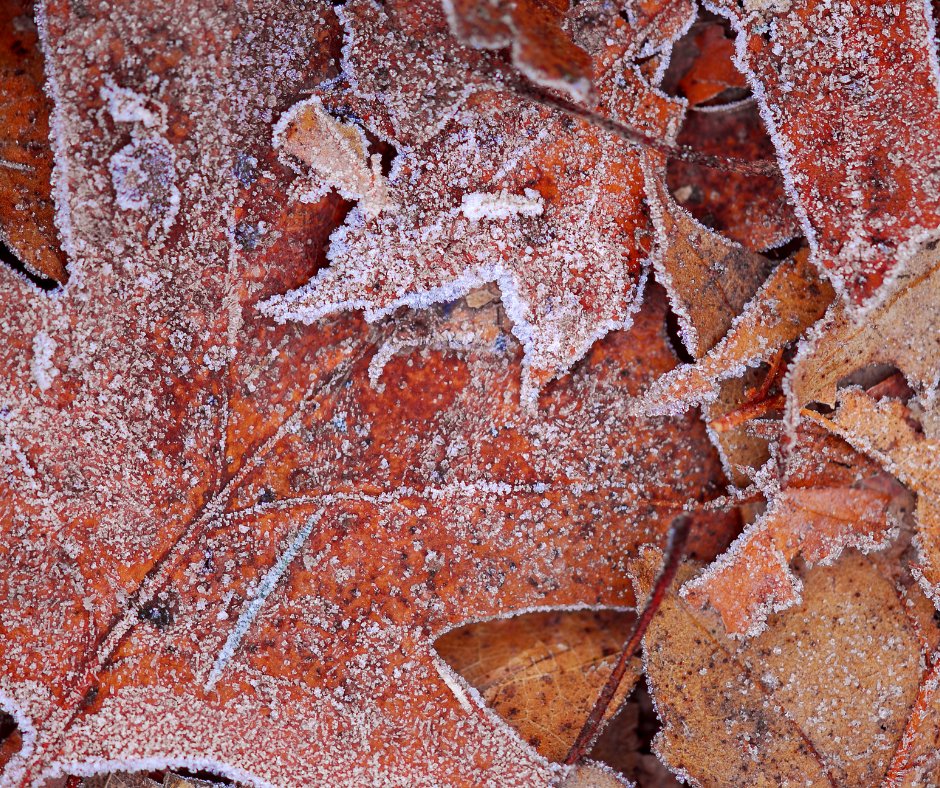
🍂 Fallen leaves enrich soil
🦡 Nocturnal animals thrive
🍄🟫Most wild mushrooms appear #ForestsForNature
By designing shelters specifically for broadleaf saplings, we’re helping protect these ecological powerhouses as they grow to provide shade, habitat, and beauty for generations to come. 🌱
#TUSPolymer#LeaveNoTrace#UL#biodiversity@LeaveNoTraceIrl
🌳Broadleaf trees, like the Oak, are known for their wide, flat leaves—quite different from the needle-like foliage of conifers. Most are deciduous, shedding their leaves in autumn, though some, like the evergreen Holly, keep their leaves year-round.
#Forestry#Traceless
Often referred to as hardwoods, broadleaf trees are prized for their dense, durable timber, making them great for uses like furniture, flooring, and construction. But their value goes beyond their wood—these trees are vital for biodiversity and play a key role in our ecosystems.
🌳Forests are home to 80% of life on land. Large-scale forest restoration is needed to meet the #SDGs and to prevent, halt and reverse biodiversity loss. 🦋
#GenerationRestoration
By reducing the use of petroleum-based plastic in broadleaf tree planting, we aim to ensure that every tree planted is a step toward a healthier planet, and a reduction in plastic pollution. 🌍🌱
#Sustainability#EnvironmentalConservation#BiodegradableSolutions
There's a need for a holistic approach to sustainable forestry. Our project is dedicated to creating biodegradable tree supports that align with the spirit of environmental conservation.
But the paradox of utilizing plastic, a significant pollutant, in tree plantation undercuts the benefits of afforestation efforts. Plastic tree shelters and ties contribute to microplastic pollution, meaning that planting trees, meant to help the environment, can also harm it.