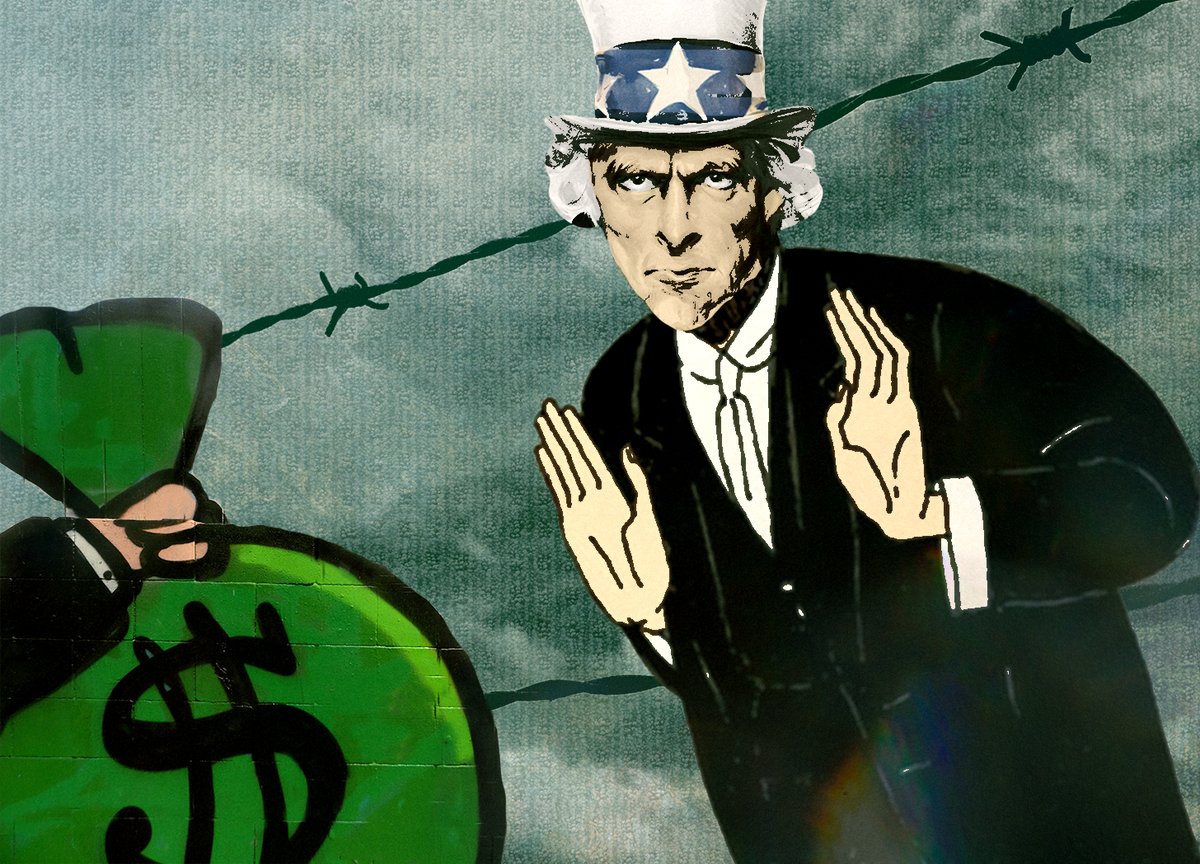
The trade debate is usually framed as workers versus corporations.
But new research from Sujin Cha and Ian Osgood points to a divide that gets far less attention — firms within the same industry often want opposite things on trade.
🧵
How do democracies decide what products are crucial to national security? With 40% of globally traded goods heavily concentrated in just a few economies, almost anything can be framed as a vulnerability.
Ultimately, these choices carry real consequences. Every product placed behind a high fence in the name of national security comes with a hidden price tag for ordinary citizens through higher consumer costs and increased taxes.
Today’s trade wars seem to force a choice between open markets and security, as if governments must choose between wealth and power. But is that dilemma really as modern as we think?
The Classic Series will complement our existing work rather than replace it. We will continue featuring new literature and research in the field, alongside our primary Trade War Lab series exploring contemporary issues in economic statecraft and international politics.
Every four years, a presidential election threatens to change the rules for the market: from tax codes to tariffs and regulations. A new study argues that firms manage this turbulence through lobbying rather than direct influence.
However, only about 32% of firms lobby.
The authors found that lobbying acts like a costly insurance policy with rapidly diminishing returns, making economic sense primarily for larger companies with high stakes.