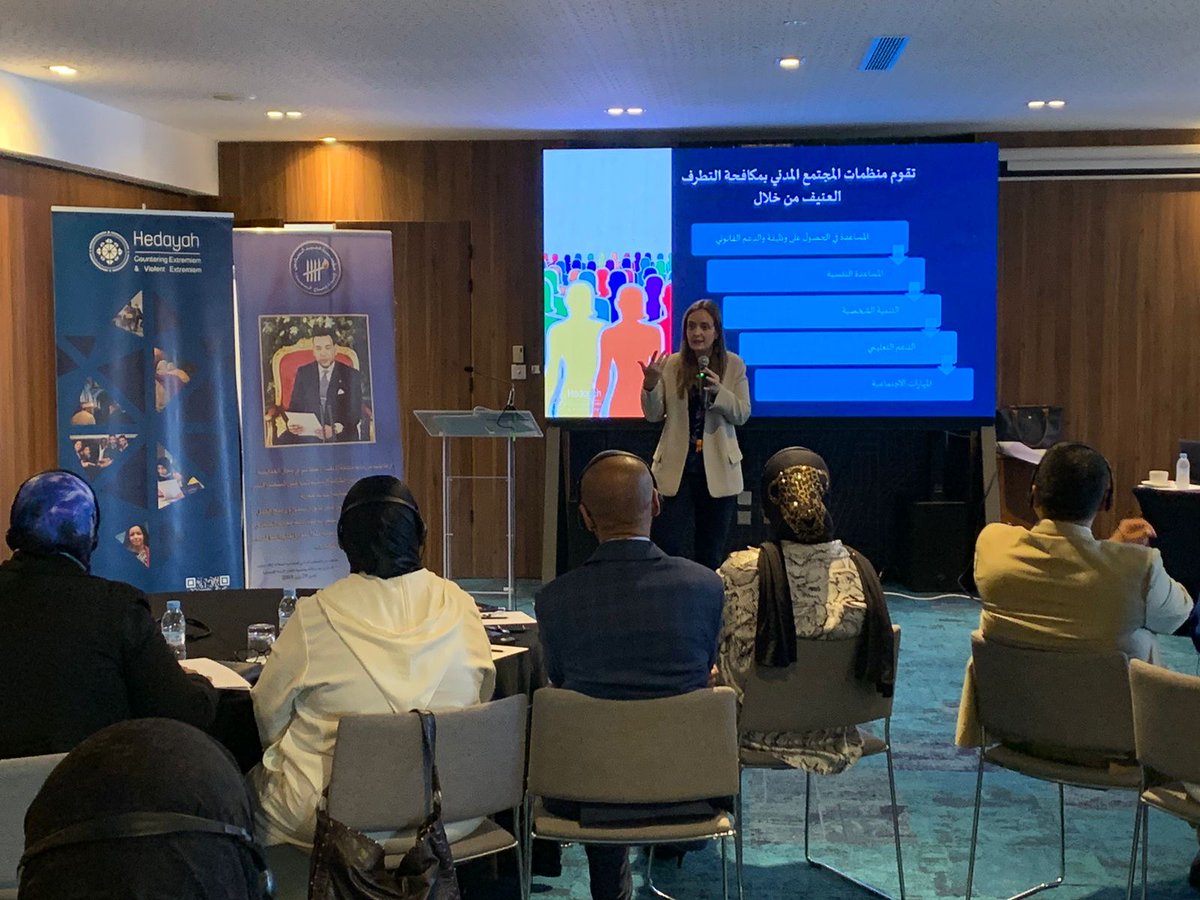
Last week, Dr. Abadi presented at a USAID workshop, sharing insights on best practices for disengagement & reintegration. Her sessions highlighted the importance of holistic approaches, age/gender sensitivity, & unique challenges posed by conflict.
#Disengagement#Reintegration
Dr. Abadi was delighted to work with Hedayah on building the capacity of CSOs & Social Workers in Morocco. She facilitated 2 sessions on education/vocational training in reintegration & the impact of social norms on promoting change & addressing community needs on Oct 4th & 9th.
At TP, we aim to bridge the gap between the Global North & South. Transnational challenges requires solidarity. We are dedicated to amplifying voices from the Global South, which is why we began our north-south conversations, which can be viewed here: https://t.co/rBV8NVjqor
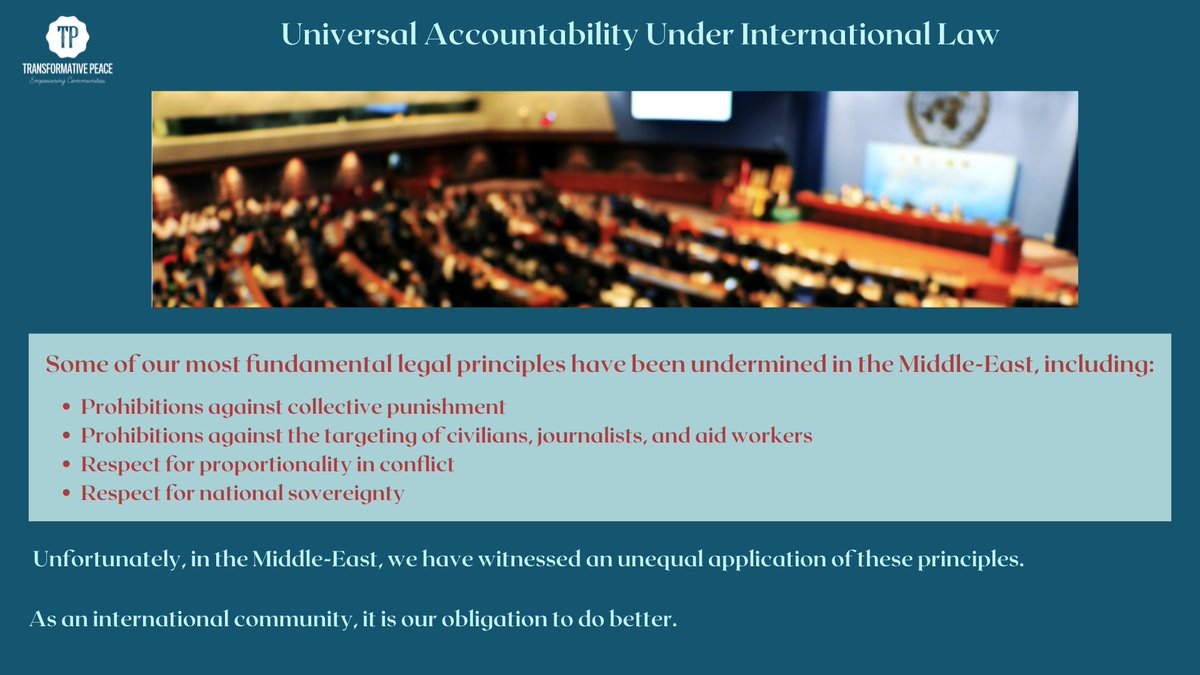
Escalation in Palestine & Lebanon represents a key moment for the international community, undermining the credibility of legal principles. Support from major powers for ongoing crimes has destabilized the region. TP calls for a ceasefire & equal application of international law.
Peacebuilding requires participation from local communities to ensure that relevant & effective. This allow locals to lead & own the programs that impact them. Evidence suggests that peacebuilding is more successful when they are local. But what makes local peacebuilding work?
A key part of our mission at TP is to empower women, not only in their daily lives, but as agents of peace. So our Executive Director Dr. Abadi was delighted to help facilitate a workshop on the critical role of gender in peace processes for Sudanese women peacebuilders.
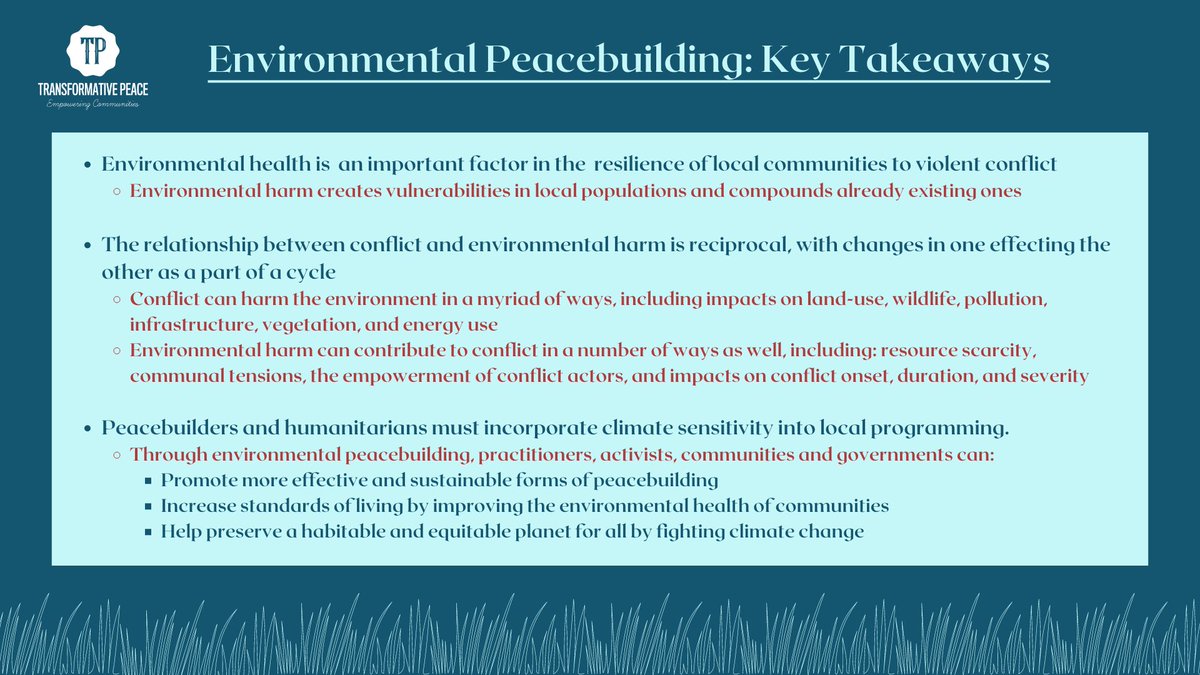
This post concludes our exploration of environmental peacebuilding this month. As a cursory review of the subject, TP would like to highlight some of the important takeaways from our focus on the environment and conflict these past few weeks. #ClimateChange#ClimateAction
TP is taking a break from its environmental focus this month to celebrate Women’s Equality Day. It is a time to both celebrate gains & reaffirm the global commitment to women's equality. As such, TP would like to reflect on the state of women’s rights globally. #GenderEquality
Dr. Abadi was delighted to join co-authors Amb. Ebrahim Rasool, Eldridge Adolfo, and Mark Muller at the Edinburgh Book Festival to discuss their new book “A Guide to Islamic Principles of Peace-Making.” We hope it can make some difference in ever-growing cycles of violence.
Considering the impact the environment has on conflict, it is crucial for our peacebuilding frameworks to integrate environmental concerns into their strategies. Here are just a few ways to enhance the integration of environmental factors in peacebuilding #SustainablePeace
It is World Humanitarian day, & per our focus on environmental peacebuilding, TP would like to highlight how the humanitarian sector is taking climate action. Alongside saving lives the sector has also committed to reducing its carbon footprint. #ClimateChange#ClimateAction
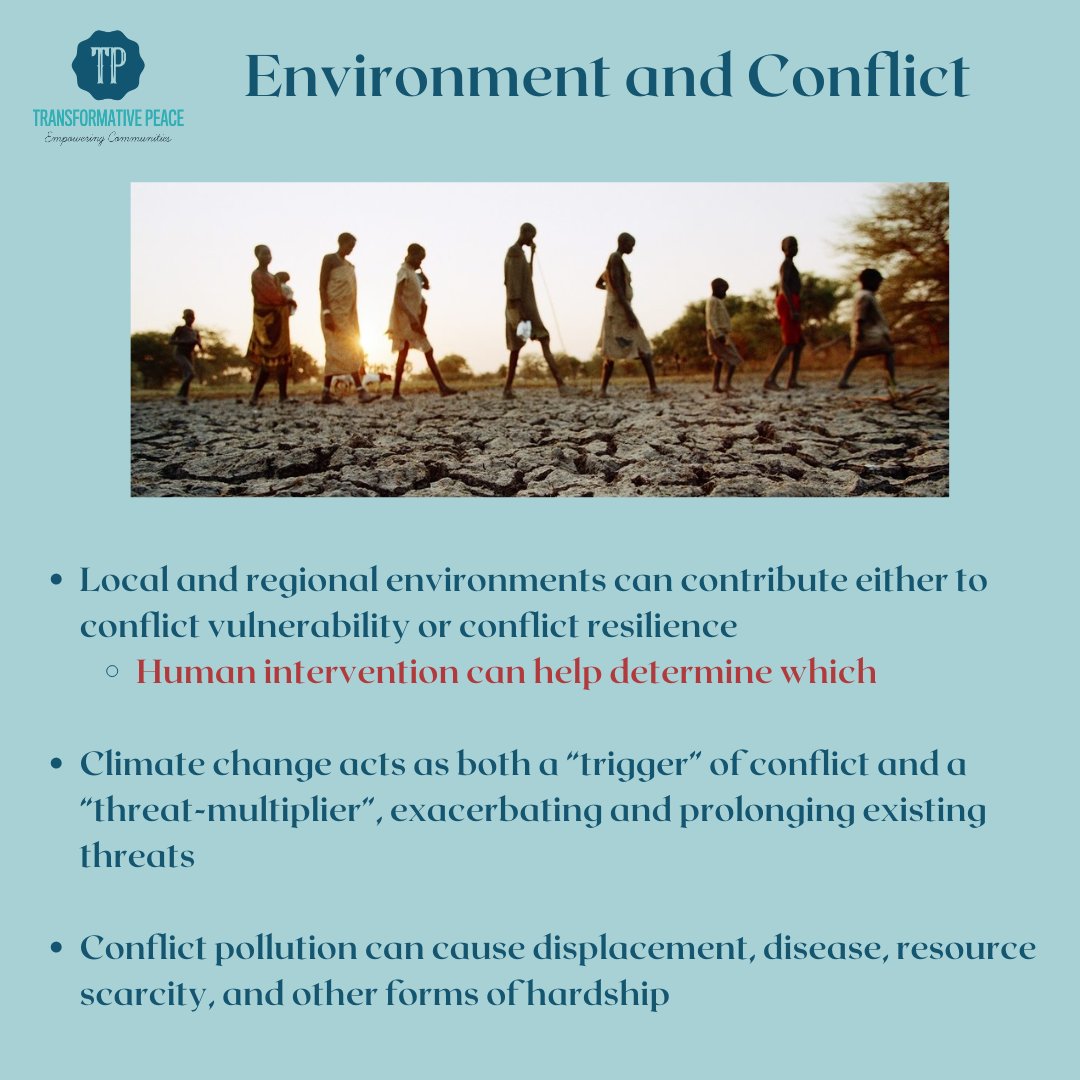
Alongside economic, political, & social factors, the environment is a big piece of the puzzle when it comes to analyzing conflict. In what way do local & regional environments shape violent conflict and what role does climate change play? #ClimateChange#UnderstandingConflict
In discussing conflict, human, economic, & political impacts often take center stage, while environmental impacts receive less attention. However, the environmental impacts of conflict play a big role in shaping human, economic, & political outcomes. #EnvironmentalCosts
This month, TP highlights the intersection of conflict & environment. We know the vital role it plays in community life & resilience. It's important that the environment is accounted for in the analysis, design, & implementation of peace interventions. #Peacebuilding#Environment
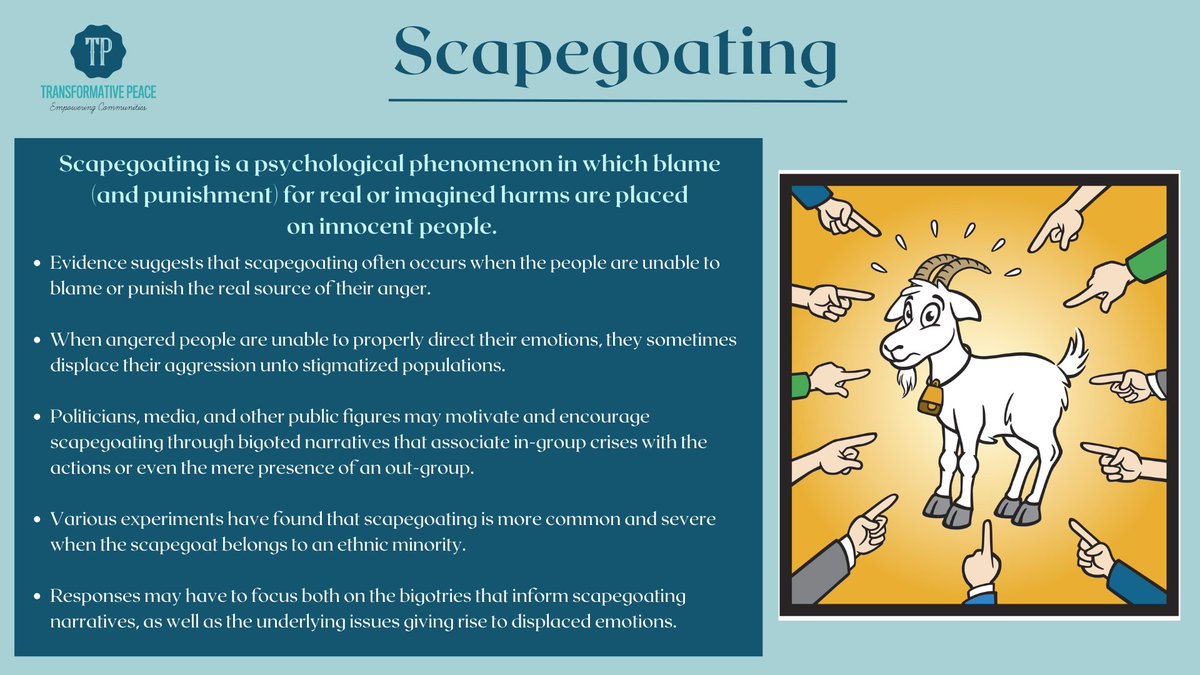
After tragic stabbings in England, riots erupted targeting Muslims & migrants with violence. It may confuse some how acts by a non-Muslim provoked hate towards Muslims & Migrants. In order to understand that, lets examine the concept of scapegoating.
#EndRacism#UnityOverDivision
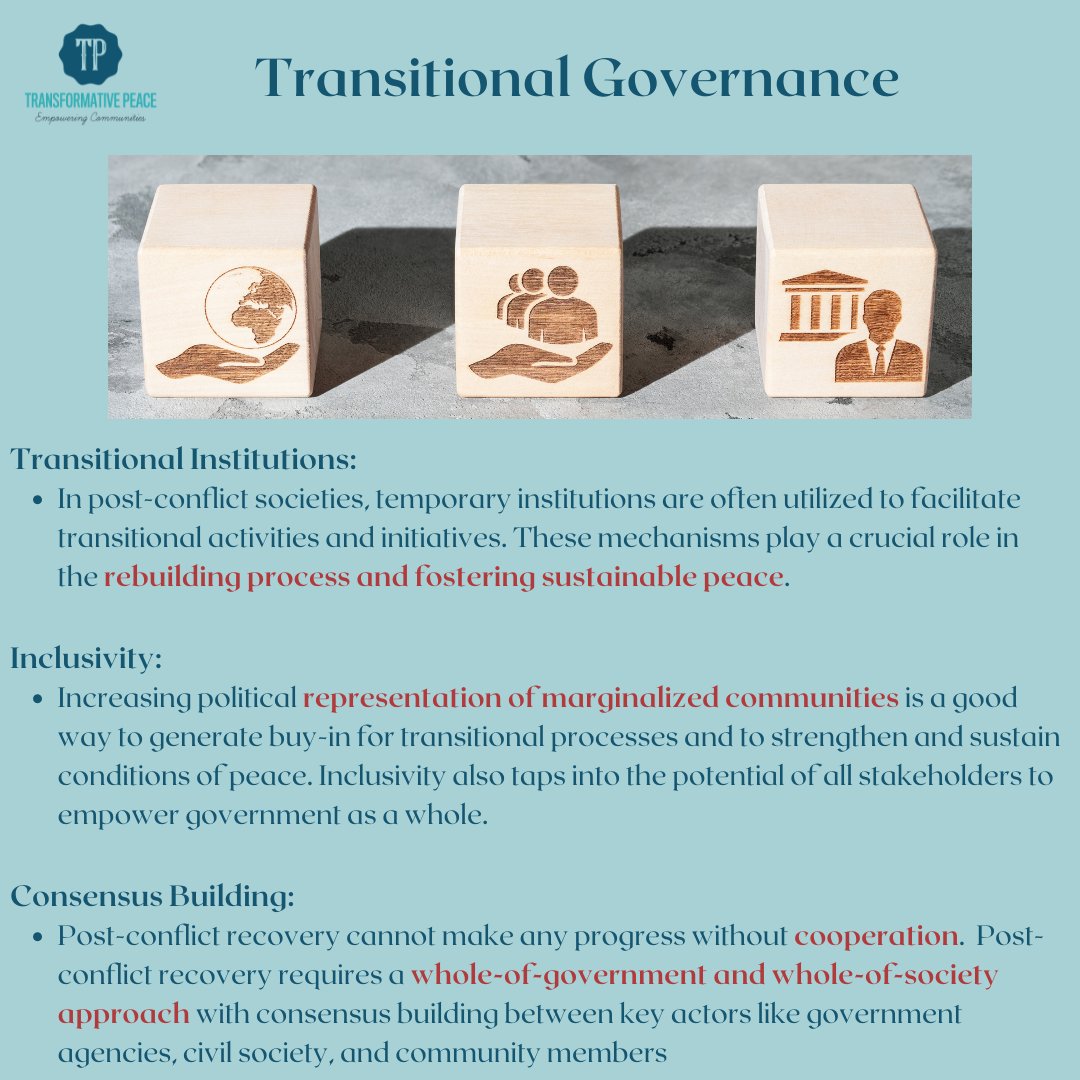
The period of transition following exit from violent conflict is fraught with political challenges and opportunities. This period is an opportunity to re-imagine political institutions, representation, and norms in light of past experiences and dialogue about the future.
We were delighted to interview @MossaratQadeem for our series highlighting experts from the Global South. This months contribution focuses on gender, rehabilitation, and reintegration. Please view Dr. Qadeem's insights at the link below:
https://t.co/coRf0ebjTU
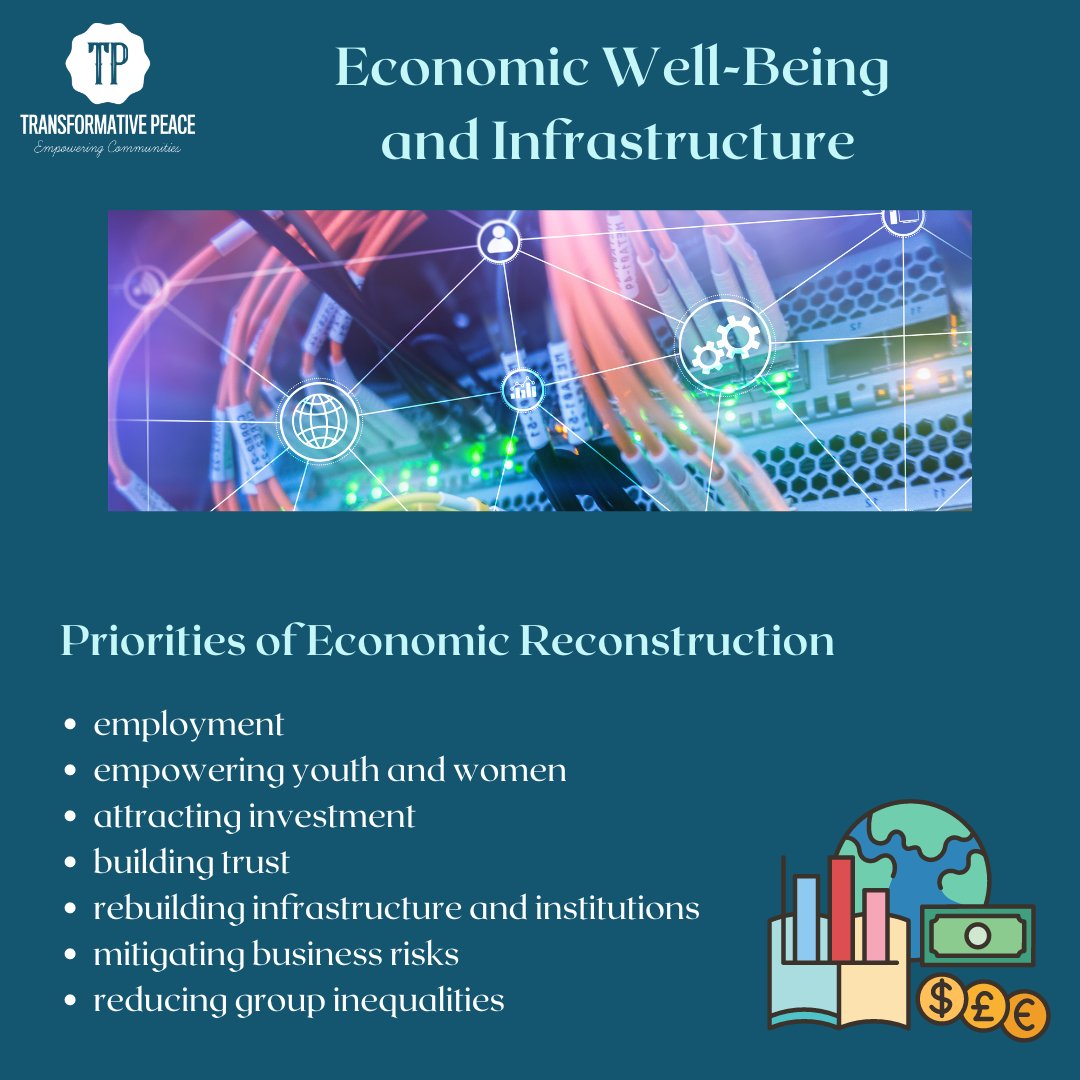
Violent conflicts take a heavy toll on national and local economies as well as a country’s infrastructure. Economic recovery and the rebuilding of infrastructure therefore is a major priority of post-conflict reconstruction efforts.
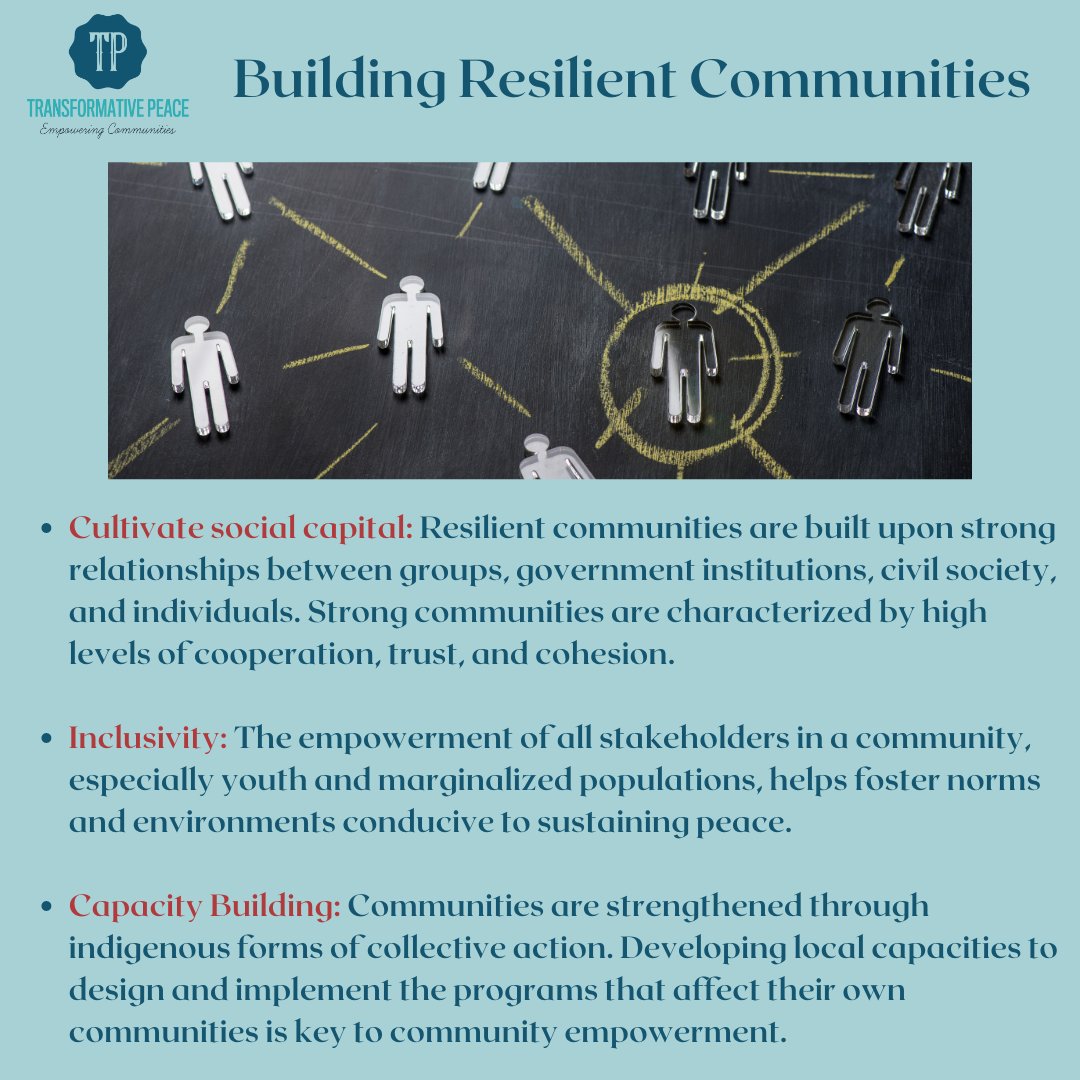
Communities are at the heart of sustainable development and peacebuilding. Community-oriented methods allow for local people to be engaged in strengthening their own communities in ways that make sense to them.
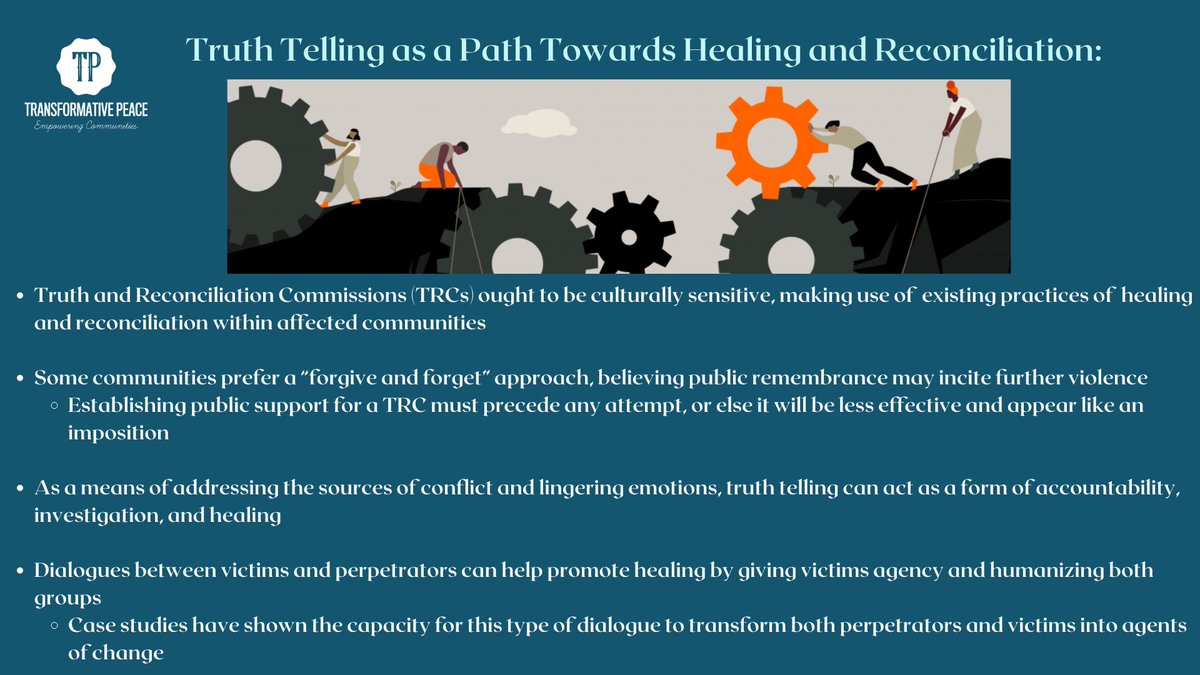
USIPs Truth Commissions Collection records 33 truth commissions. While truth-telling has solid empirical support there is no one size fits all approach for every community. Post-conflict healing & recovery is best pursued through indigenous approaches led by affected communities.