We've spent months exploring how AI is changing the world we know. After looking at its impact across different ecosystems, one question kept resurfacing — perhaps the most fundamental one: 𝙬𝙝𝙖𝙩 𝙝𝙖𝙥𝙥𝙚𝙣𝙨 𝙬𝙝𝙚𝙣 𝙩𝙝𝙚 𝙞𝙣𝙨𝙩𝙞𝙩𝙪𝙩𝙞𝙤𝙣 𝙩𝙝𝙖𝙩 𝙥𝙧𝙚𝙥𝙖𝙧𝙚𝙨 𝙪𝙨 𝙛𝙤𝙧 𝙩𝙝𝙚 𝙛𝙪𝙩𝙪𝙧𝙚 𝙞𝙨 𝙞𝙩𝙨𝙚𝙡𝙛 𝙗𝙚𝙞𝙣𝙜 𝙩𝙧𝙖𝙣𝙨𝙛𝙤𝙧𝙢𝙚𝙙?
There is no single answer. That's why Education & AI is built as a conversation rather than an argument.
We brought together scholars, practitioners, and policymakers from six continents. We mapped national strategies and grassroots experiments. We looked at what inclusion demands when AI doesn't speak your language, wasn't built for how you learn, or arrives in schools that lack the infrastructure to use it equitably. We asked what ethics and legislation can — and can't — protect. And then we did something that felt essential: we gave the floor to students themselves.
𝙒𝙝𝙖𝙩 𝙚𝙢𝙚𝙧𝙜𝙚𝙨? 𝙏𝙝𝙚 𝙧𝙚𝙥𝙤𝙧𝙩 𝙞𝙨 𝙡𝙞𝙫𝙚. 𝙔𝙤𝙪 𝙘𝙖𝙣 𝙛𝙞𝙣𝙙 𝙞𝙩 here https://t.co/HZgkU99Z7X
Does AI take pleasure in reading?
In the April issue of 𝗧𝗵𝗲 𝗨𝗻𝗰𝗼𝗺𝗳𝗼𝗿𝘁𝗮𝗯𝗹𝗲 𝗧𝗵𝗶𝗿𝗱, @mafedebaggis brings a forgotten argument back to centre stage: meaning doesn't belong to the writer, it happens in the reader.
Literary theory has long insisted that meaning doesn't arise at the source, but at the destination: in the encounter between text and reader. A real person, with a body, at a specific moment in time. And yet, that insight remains largely absent from the AI debate.
Language models are trained to write for the reader with a precision no human author has ever pursued. But they don't know what it's like to step into another world and lose yourself in it. They don't take pleasure in reading. And if meaning lives in that encounter, not in the text itself, then what exactly are they generating?
If fiction is a third language, created through an encounter that changes every time, a discerning reader matters just as much as a brilliant author. Maybe more.
For those who believe language matters most when it opens questions rather than closes them, this one's for you.
https://t.co/tdUx2kGKws
What happens when you stop reading the world through just one lens?
The Imminent newsletter brings together perspectives, ideas, and signals that matter across borders and areas of interest.
Three verticals. Two emails every month. One global conversation.
On the 1st of every month, subscribers receive a concise briefing with selected articles from leading newspapers and journals #worldwide, covering #AI developments, global trends, data, maps, and perspectives that help frame the story behind the headlines.
Mid-month, subscribers receive a deeper dive from one of three specialized quarterly series:
#Business — how AI, demographics, and global markets are redefining the world we live in
#Language — mapping the world through words
#Research — insights, discoveries, and the ideas driving what’s next
Curated by Imminent from voices and media across the world, beyond any one country or language.
Subscribe here:
https://t.co/FjJOyklM5M
Kevadpüha - Ọjọ́ Àwọn Òṣìṣẹ́ - Día del Trabajador - 劳动节 - Dita e Punës - عيد العمال
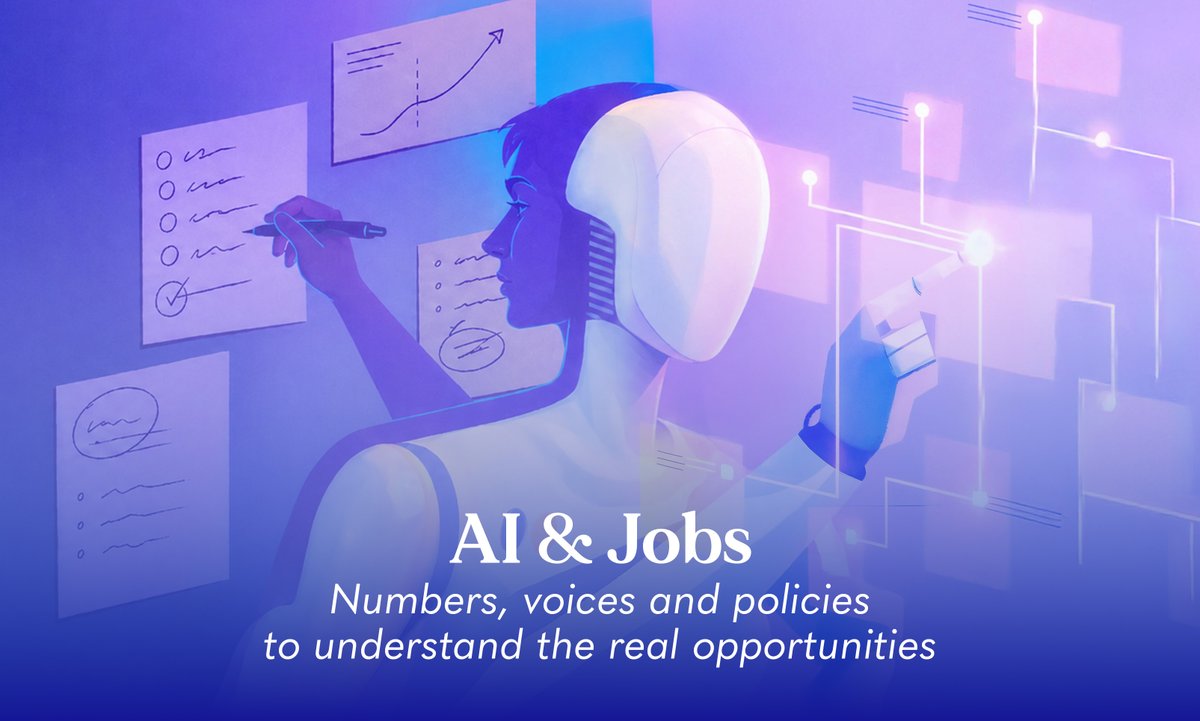
Tomorrow, eighty countries celebrate Labour Day. A date that, this year, arrives with unusual weight. The public debate on work and AI has settled into a familiar binary: either automation is coming for everything, or the fears are overblown and prosperity awaits. Both positions generate confidence. Neither generates much clarity. What’s harder — and more useful — is to sit with the actual complexity.
𝘐𝘯 𝘵𝘩𝘦 𝘧𝘪����𝘴𝘵 𝘪𝘴𝘴𝘶𝘦 𝘰𝘧 𝙎𝙢𝙖𝙧𝙩 𝙎𝙞𝙜𝙣𝙖𝙡��, 𝘸𝘦 𝘨𝘳𝘰𝘶𝘯𝘥𝘦𝘥 𝘵𝘩𝘪𝘴 𝘤𝘰𝘯𝘷𝘦𝘳𝘴𝘢𝘵𝘪𝘰𝘯 𝘪𝘯 𝘥𝘢𝘵𝘢 𝘢𝘯𝘥 𝘧𝘰𝘭𝘭𝘰𝘸𝘦𝘥 𝘵𝘩𝘦 𝘵𝘩𝘳𝘦𝘢𝘥 𝘰𝘶𝘵𝘸𝘢𝘳𝘥: 𝘪𝘯𝘵𝘰 𝘵𝘩𝘦 𝘵𝘦𝘴𝘵𝘪𝘮𝘰𝘯𝘪𝘦𝘴 𝘰𝘧 𝘫𝘰𝘶𝘳𝘯𝘢𝘭𝘪𝘴𝘵𝘴 𝘯𝘢𝘷𝘪𝘨𝘢𝘵𝘪𝘯𝘨 𝘈𝘐-𝘵𝘳𝘢𝘯𝘴𝘧𝘰𝘳𝘮𝘦𝘥 𝘯𝘦𝘸𝘴𝘳𝘰𝘰𝘮𝘴, 𝘪𝘯𝘵𝘰 𝘵𝘩𝘦 𝘌𝘜’𝘴 𝘳𝘦𝘨𝘶𝘭𝘢𝘵𝘰𝘳𝘺 𝘢𝘳𝘤𝘩𝘪𝘵𝘦𝘤𝘵𝘶𝘳𝘦 𝘢𝘳𝘰𝘶𝘯𝘥 𝘭𝘢𝘣𝘰𝘶𝘳 𝘢𝘯𝘥 𝘢𝘶𝘵𝘰𝘮𝘢𝘵𝘪𝘰𝘯, 𝘪𝘯𝘵𝘰 𝘵𝘩𝘦 𝘥𝘦𝘮𝘰𝘨𝘳𝘢𝘱𝘩𝘪𝘤 𝘤𝘶𝘳𝘳𝘦𝘯𝘵𝘴 𝘲𝘶𝘪𝘦𝘵𝘭𝘺 𝘳𝘦𝘴𝘩𝘢𝘱𝘪𝘯𝘨 𝘵𝘩𝘦 𝘨𝘭𝘰𝘣𝘢𝘭 𝘸𝘰𝘳𝘬𝘧𝘰𝘳𝘤𝘦. 𝘛𝘩𝘦𝘴𝘦 𝘵𝘩𝘳𝘦𝘦 𝘭𝘦𝘷𝘦𝘭𝘴 𝘰𝘧 𝘢𝘯𝘢𝘭𝘺𝘴𝘪𝘴, 𝘵𝘢𝘬𝘦𝘯 𝘵𝘰𝘨𝘦𝘵𝘩𝘦𝘳, 𝘢𝘳𝘦 𝘸𝘩𝘢𝘵 𝘪𝘵 𝘢𝘤𝘵𝘶𝘢𝘭𝘭𝘺 𝘵𝘢𝘬𝘦𝘴 𝘵𝘰 𝘴𝘦𝘦 𝘤𝘭𝘦𝘢𝘳𝘭𝘺 𝘸𝘩𝘦𝘳𝘦 𝘵𝘩𝘦 𝘥𝘪𝘴𝘳𝘶𝘱𝘵𝘪𝘰𝘯 𝘪𝘴 𝘳𝘦𝘢𝘭, 𝘸𝘩𝘦𝘳𝘦 𝘵𝘩𝘦 𝘱𝘢𝘯𝘪𝘤 𝘪𝘴 𝘮𝘪𝘴𝘱𝘭𝘢𝘤𝘦𝘥, 𝘢𝘯𝘥 𝙬𝙝𝙚𝙧𝙚 𝙩𝙝𝙚 𝙤𝙥𝙥𝙤𝙧𝙩𝙪𝙣𝙞𝙩𝙞𝙚𝙨 𝙖𝙧𝙚 𝙗𝙚𝙞𝙣𝙜 𝙢𝙞𝙨𝙨𝙚𝙙.
Read the full issue here https://t.co/7I2lJOUk3A
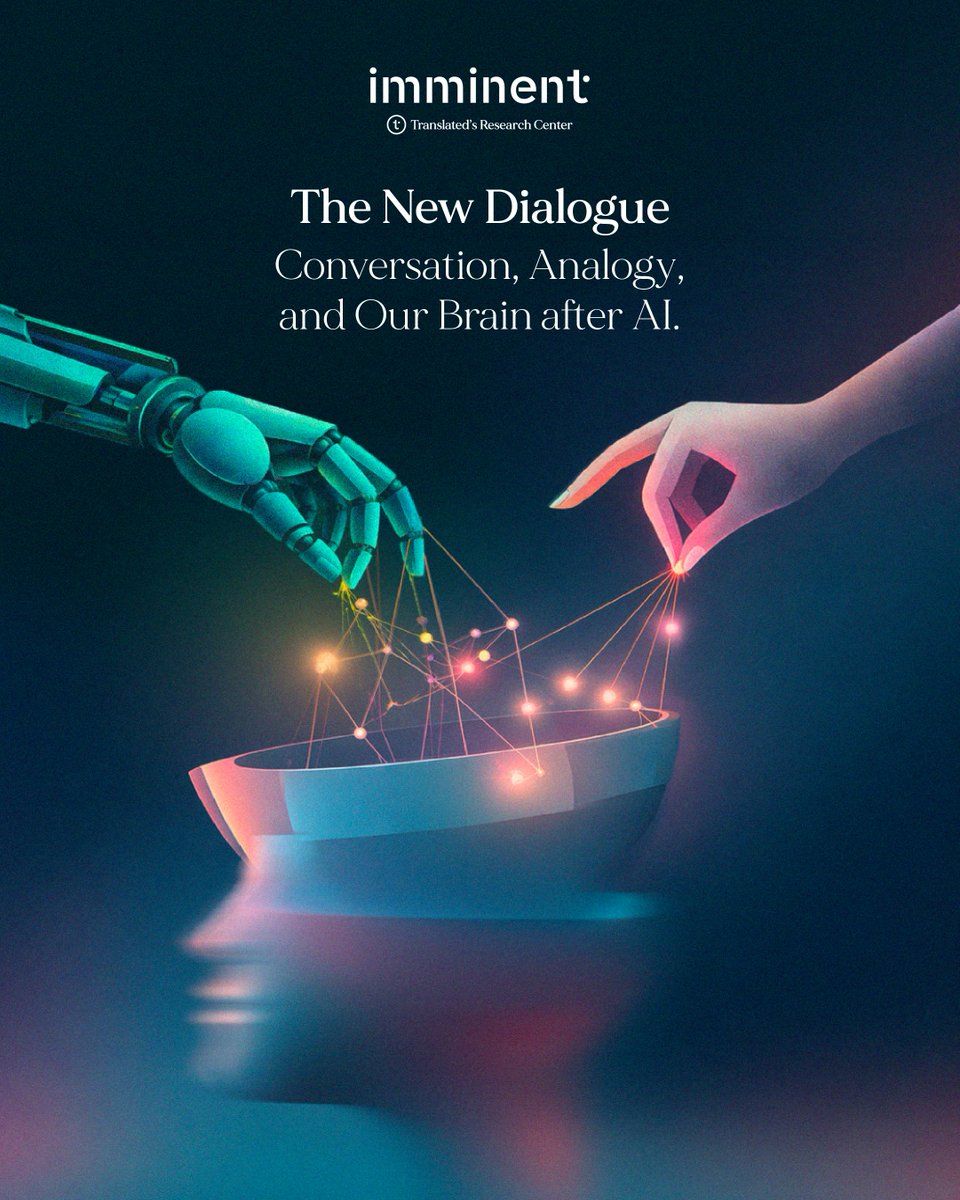
𝗚𝗲𝗻𝗲𝗿𝗮𝘁𝗶𝘃𝗲 𝗔𝗜 𝗱𝗶𝗱𝗻’𝘁 𝗲𝗻𝘁𝗲𝗿 𝘁𝗵𝗲 𝘄𝗼𝗿𝗹𝗱 𝘁𝗵𝗿𝗼𝘂𝗴𝗵 𝗰𝗼𝗱𝗲 𝗼𝗿 𝗶𝗻𝘁𝗲𝗿𝗳𝗮𝗰𝗲𝘀. 𝗜𝘁 𝗲𝗻𝘁𝗲𝗿𝗲𝗱 𝘁𝗵𝗿𝗼𝘂𝗴𝗵 𝗹𝗮𝗻𝗴𝘂𝗮𝗴𝗲 — the most human thing we share, and one everyone already had.
Only a few years ago. We are still figuring out what that means.
Not just for technology, but for language itself: how we speak to machines, how we speak about them, and what happens inside us when we do it long enough. These are not small questions. And they don’t belong to any single discipline.
The New Dialogue is Imminent’s new series, and it takes them seriously — from three directions at once.
@albertopi brings a journalistic investigation into the most private dimension of this shift: the conversations people have with chatbots, the ones they rarely share. What emerges is not a dataset, but a portrait — of 𝙝𝙤𝙬 𝙬𝙚 𝙨𝙥𝙚𝙖𝙠 𝙬𝙝𝙚𝙣 𝙬𝙚 𝙩𝙝𝙞𝙣𝙠 𝙣𝙤 𝙤𝙣𝙚 𝙞𝙨 𝙬𝙖𝙩𝙘𝙝𝙞𝙣𝙜, and what that reveals about a relationship with language that is already, quietly, changing.
@mafedebaggis applies semantic and linguistic analysis to 𝙩𝙝𝙚 𝙫𝙤𝙘𝙖𝙗𝙪𝙡𝙖𝙧𝙮 𝙬𝙚 𝙝𝙖𝙫𝙚 𝙘𝙤𝙡𝙡𝙚𝙘𝙩𝙞𝙫𝙚𝙡𝙮 𝙗𝙪𝙞𝙡𝙩 𝙖𝙧𝙤𝙪𝙣𝙙 𝘼𝙄— beast, parrot, mind, creature. Her reading is precise and unexpected: those words tell us almost nothing about the technology, and everything about the conceptual frameworks we use to domesticate what unsettles us.
@Martina_Ardizzi brings a neuroscientific lens, asking what we know — and what we do not yet know — about the effects of sustained interaction with generative AI on the brain. Her work distinguishes between established evidence on 𝙣𝙚𝙪𝙧𝙖𝙡 𝙥𝙡𝙖𝙨𝙩𝙞𝙘𝙞𝙩𝙮 𝙖𝙣𝙙 𝙚𝙢𝙚𝙧𝙜𝙞𝙣𝙜 𝙝𝙮����𝙤𝙩𝙝𝙚𝙨𝙚𝙨 𝙖𝙗𝙤𝙪𝙩 𝙡𝙤𝙣𝙜-𝙩𝙚𝙧𝙢 𝙖𝙙𝙖𝙥𝙩𝙖𝙩𝙞𝙤𝙣, clarifying what is observable today and what remains speculative.
Taken together, these perspectives don’t converge into a single answer.
They outline instead a shared object of inquiry: a new form of dialogue where 𝗹𝗮𝗻𝗴𝘂𝗮𝗴𝗲 𝗶𝘀 𝘀𝗶𝗺𝘂𝗹𝘁𝗮𝗻𝗲𝗼𝘂𝘀𝗹𝘆 𝗺𝗲𝗱𝗶𝘂𝗺, 𝗶𝗻𝘁𝗲𝗿𝗳𝗮𝗰𝗲, 𝗮𝗻𝗱 𝗰𝗼𝗴𝗻𝗶𝘁𝗶𝘃𝗲 𝘁𝗼𝗼𝗹.
Read The New Dialogue on https://t.co/JXQDME1XAC
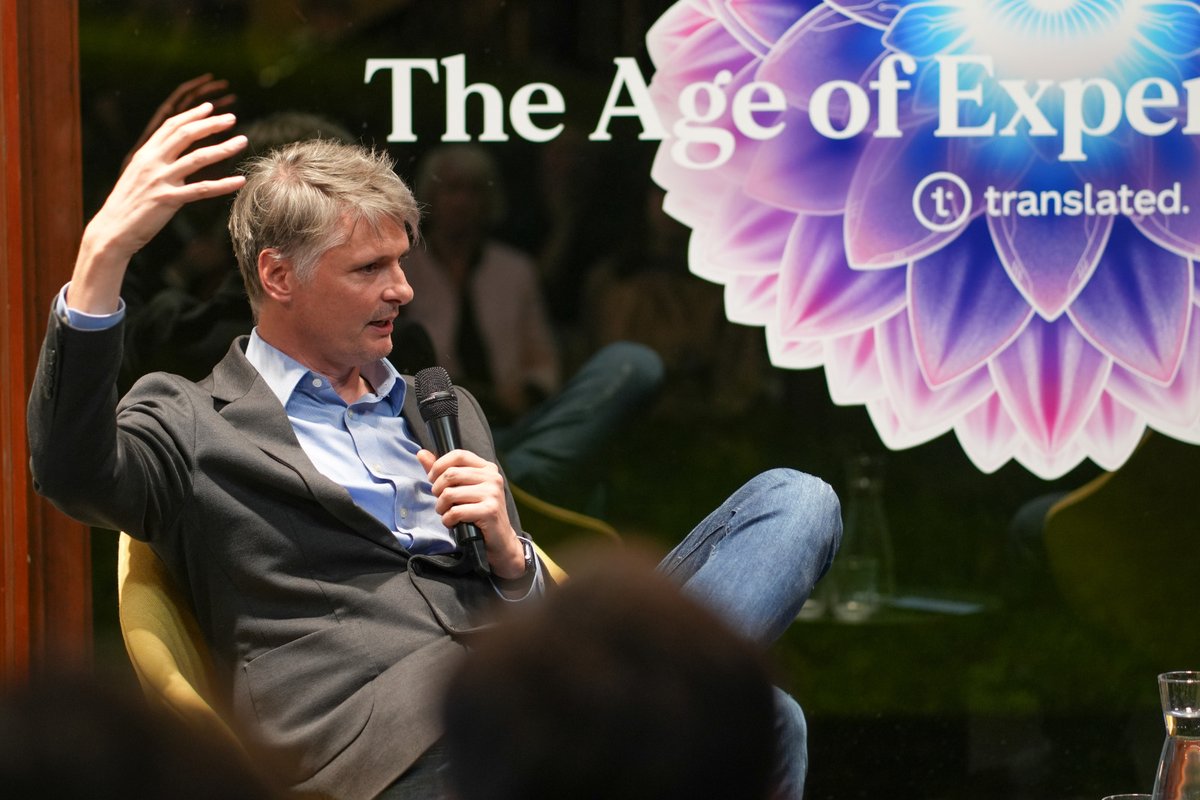
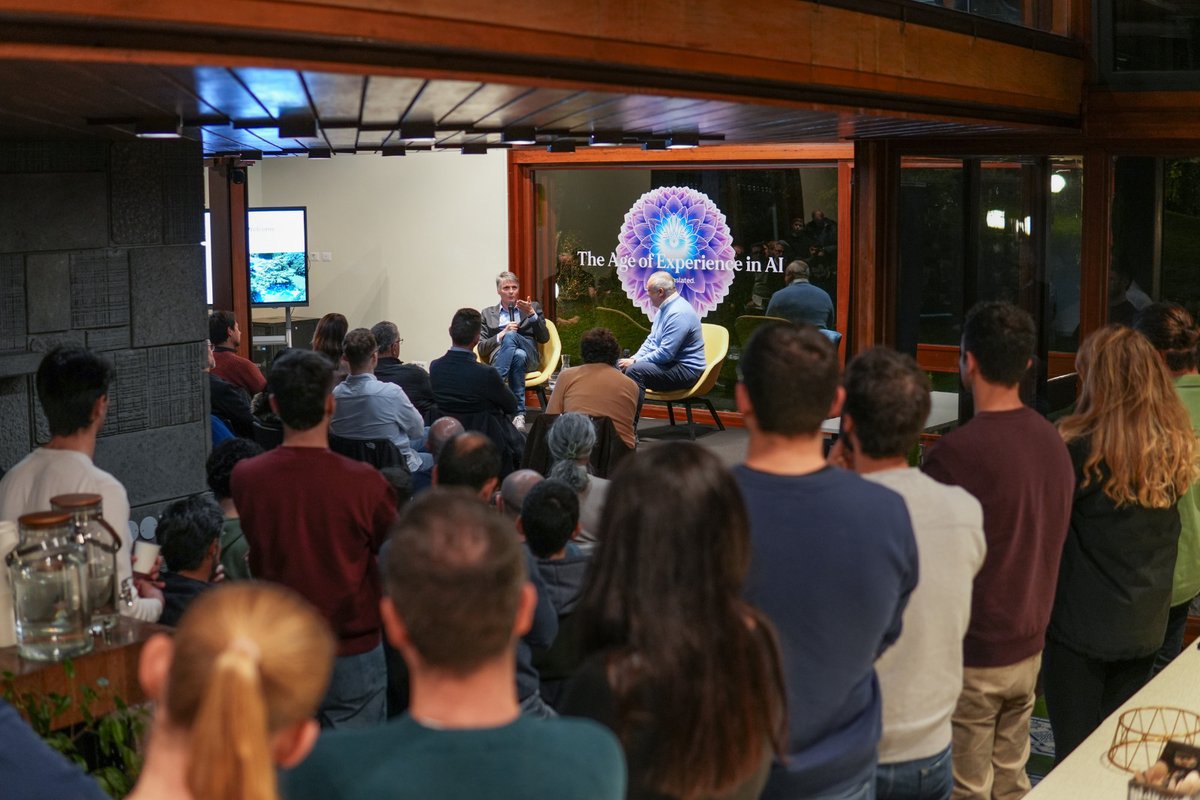
The age of experience in AI is here.
Our 6th Imminent Research Report features a curated selection of articles that examine how #language continues to open new paths for innovation, fueling understanding and connection in a rapidly evolving world.
Across disciplines, contributors reflect on how AI is transforming language into a dynamic, experience-driven space where meaning is constantly shaped and reshaped.
Get your copy and discover new possibilities.
https://t.co/GcV3vX5Nys
𝗧𝗵𝗲 𝗴𝗹𝗼𝗯𝗮𝗹 𝗿𝗶𝘀𝗲 𝗼𝗳 𝘁𝗵𝗲 𝗟𝗮𝘁𝗶𝗻 𝘀𝗰𝗿𝗶𝗽𝘁 𝗶𝘀 𝗻𝗼𝘁 𝗷𝘂𝘀𝘁 𝗮 𝘀𝘁𝗼𝗿𝘆 𝗼𝗳 𝗹𝗮𝗻𝗴𝘂𝗮𝗴𝗲. 𝗜𝘁 𝗶𝘀 𝗮 𝘀𝘁𝗼𝗿𝘆 𝗼𝗳 ��𝗼𝘄𝗲𝗿, 𝗶𝗱𝗲𝗻𝘁𝗶𝘁𝘆, 𝗮𝗻𝗱 𝗰𝗵𝗼𝗶𝗰𝗲.
Today, nearly 70% of the world’s population writes in the Latin alphabet. It spans more than 150 languages, moving across geographies, religions, and worldviews that otherwise share little in common. In doing so, it produces a fragile continuity, a visual familiarity that often precedes understanding.
And yet, its spread was neither inevitable nor neutral.
Latin letters traveled with empires, with missionaries, with infrastructures of communication, first analog, now digital. At times, they were imposed. At others, they were adopted: taken up by societies seeking to reposition themselves in relation to history, modernity, or the global.
From 𝗠𝗮𝗹𝘁𝗮 to 𝗩𝗶𝗲𝘁𝗻𝗮𝗺, from 𝗧𝘂̈𝗿𝗸𝗶𝘆𝗲 to 𝗞𝗮𝘇𝗮𝗸𝗵𝘀𝘁𝗮𝗻, each shift toward the Latin script marks a moment of negotiation, between what is carried forward and what is left behind between the memory of a language and the future it is asked to inhabit.
Script, in the end, is never just about writing. A script can make a people visible to the world but what about the structures within the language itself, the grammatical logics and conceptual architectures that shape how a community thinks, relates, and makes sense of collective life?
Explore the latest issue of 𝘎𝘭𝘰𝘣𝘢𝘭 𝘗𝘦𝘳𝘴𝘱𝘦𝘤𝘵𝘪𝘷𝘦𝘴 here:
https://t.co/Fjgydqsa0o
The Imminent Research Grants are now in their sixth edition!
A new call is now open, continuing a journey that began with a simple but important mission: support #innovators around the world exploring bold ideas and new ways of thinking in #language#research.
The call is open worldwide.
Submit your proposal and help shape what’s next.
https://t.co/85y4ufCarW
We’re excited to announce that the 6th edition of our Imminent Research Report, "The Age of Experience in AI" is out!
This edition explores how AI systems are beginning to learn from real-world experience and delves into the work we are leading through Europe’s largest research initiative on next-generation AI.
𝗗𝗲𝘀𝗶𝗴𝗻𝗲𝗱 𝗳𝗼𝗿 𝗯𝘂𝘀𝗶𝗻𝗲𝘀𝘀 𝗹𝗲𝗮𝗱𝗲𝗿𝘀, 𝗹𝗮𝗻𝗴𝘂𝗮𝗴𝗲 𝗲𝘅𝗽𝗲𝗿𝘁𝘀, 𝗮𝗻𝗱 𝗶𝗻𝗻𝗼𝘃𝗮𝘁𝗼𝗿𝘀 this report provides insights for navigating this new phase of innovation one shaped by machines that are maturing, gaining their own experience, and remembering what they learn; by humans taking responsibility for how machines act in the world; and by a core insight that remains unchanged: 𝗹𝗮𝗻𝗴𝘂𝗮𝗴𝗲 𝗶𝘀 𝘀𝘁𝗶𝗹𝗹 𝘁𝗵𝗲 𝗽𝗿𝗶𝗺𝗮𝗿𝘆 𝘄𝗮𝘆 𝗵𝘂𝗺𝗮𝗻𝘀 𝗰𝗿𝗲𝗮𝘁𝗲 𝗶𝗻𝘁𝗲𝗹𝗹𝗶𝗴𝗲𝗻𝗰𝗲.
We hope you find it an interesting perspective on the future of AI and language.
You can get your copy here:
https://t.co/B4Xqk5m1Wd
From digitizing historical texts to enabling real-time translation, #AI isn’t replacing human culture, it’s helping protect it.
Through the use of innovative multilingual AI models and the creation of the ChavacanoMT dataset, researchers are building digital lifelines for this “linguistic orphan,” proving that technology can play a crucial role in preserving cultural identity. Even more striking: local Philippine languages like Cebuano and Hiligaynon turned out to be more effective than Spanish in improving AI translation, showing that structure, not just vocabulary, matters.
This work, led by Charibeth Cheng and Aileen Joan Vicente, was made possible thanks to an Imminent Research Grant supporting low-resource #language technologies.
Discover it on Imminent: https://t.co/w89svqQq3O
In 1956, three translated words, helped escalate Cold War tensions and nearly pushed the world toward nuclear confrontation. The translation was technically correct, yet many argue it missed the speaker’s intent.
Today, AI translates millions of texts every day. What happens when a translation is not just literal, but emotionally persuasive?
Michael Leventhal, Founder and Principal Investigator at RobotsMali, explores how LLMs and NMT systems can subtly shift the tone of a political narrative with just a few words and raises a troubling question: when AI favors natural-sounding language, is it translating the story as written, or the story people expect to hear?
Read more on Imminent.
https://t.co/GR1uTtOLGO
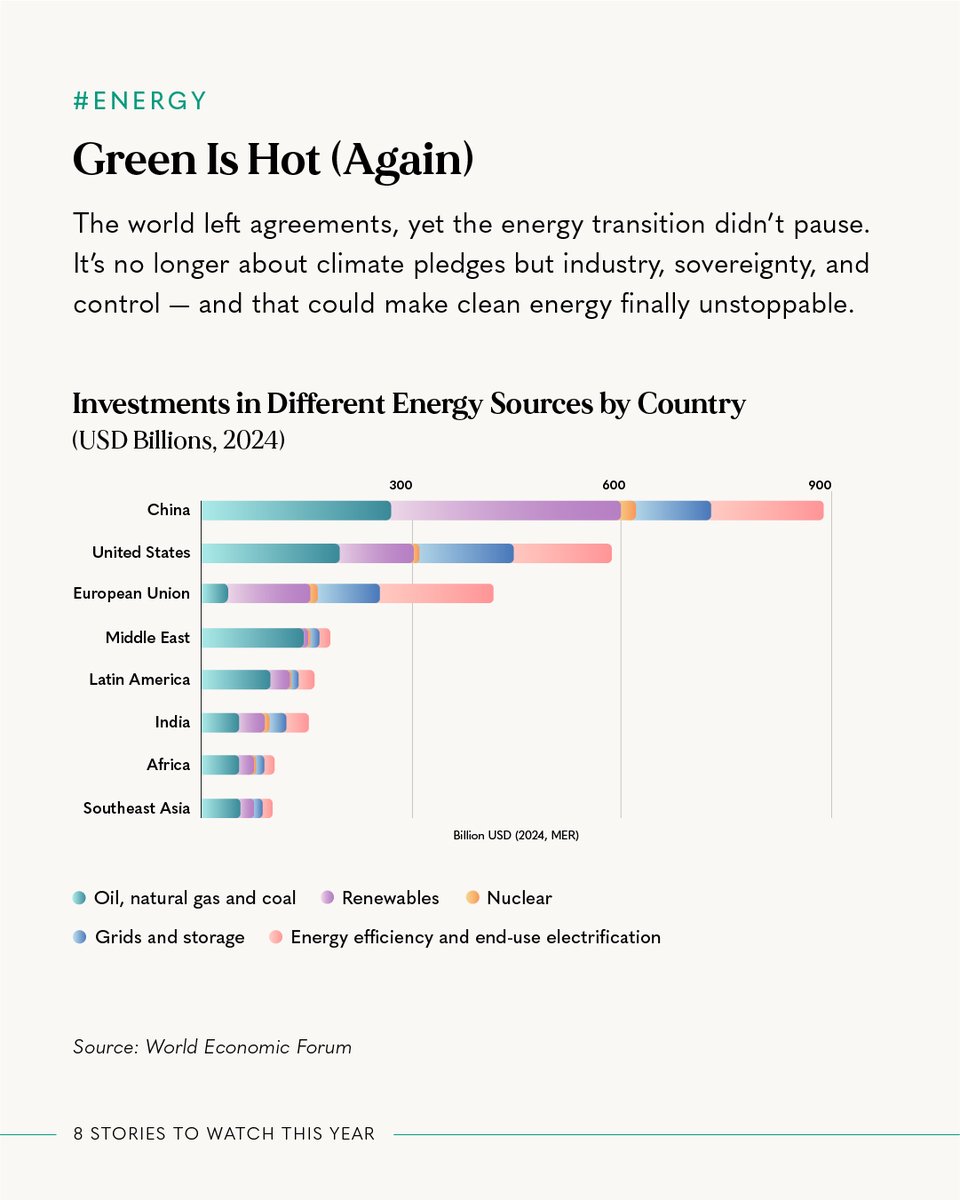
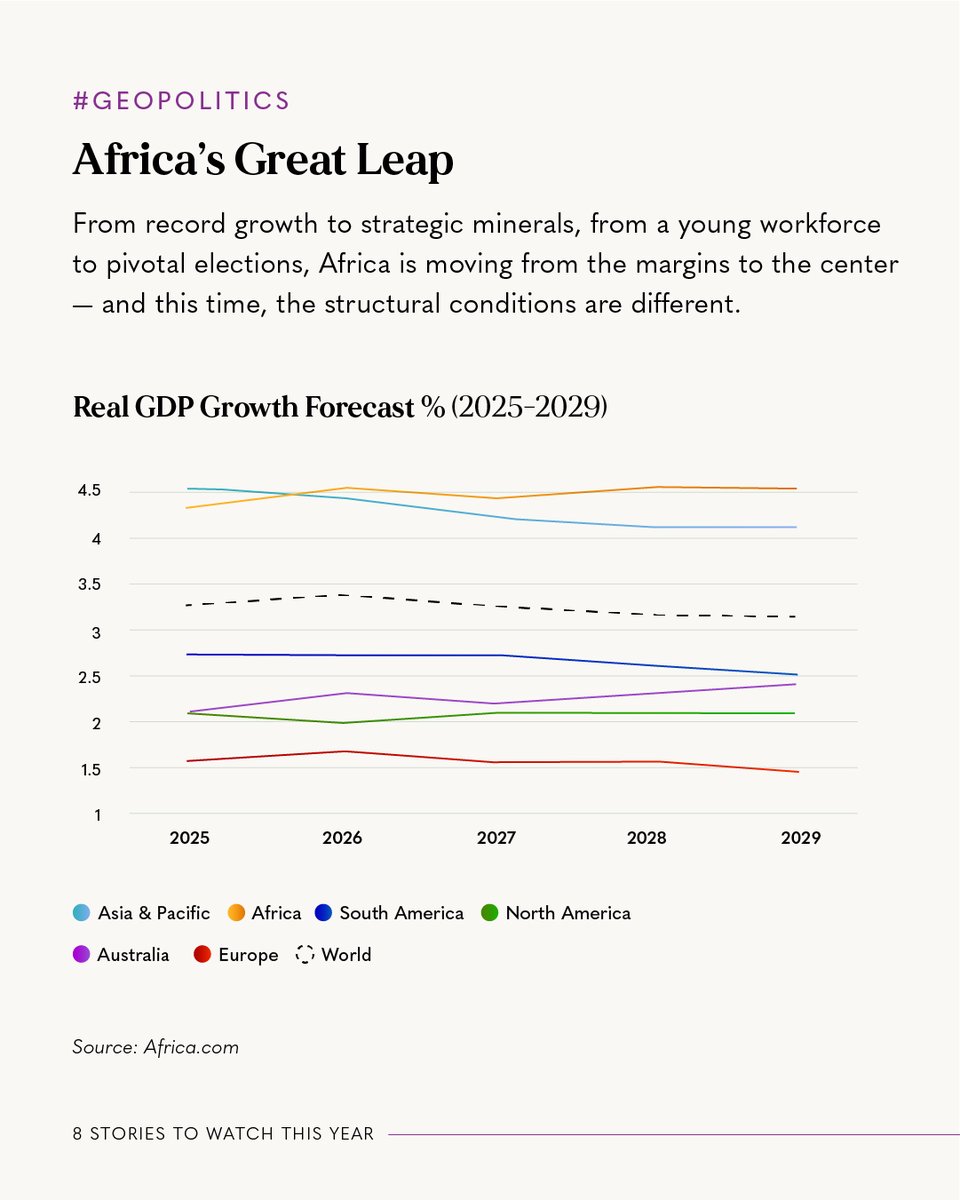
Some of the biggest shifts of the year haven’t made headlines yet. But they’re already underway.
We’ve identified 8 trends to watch in 2026 the signals quietly reshaping global dynamics.
Swipe to start connecting the dots.
The full story is waiting.
https://t.co/QngKXZDozD
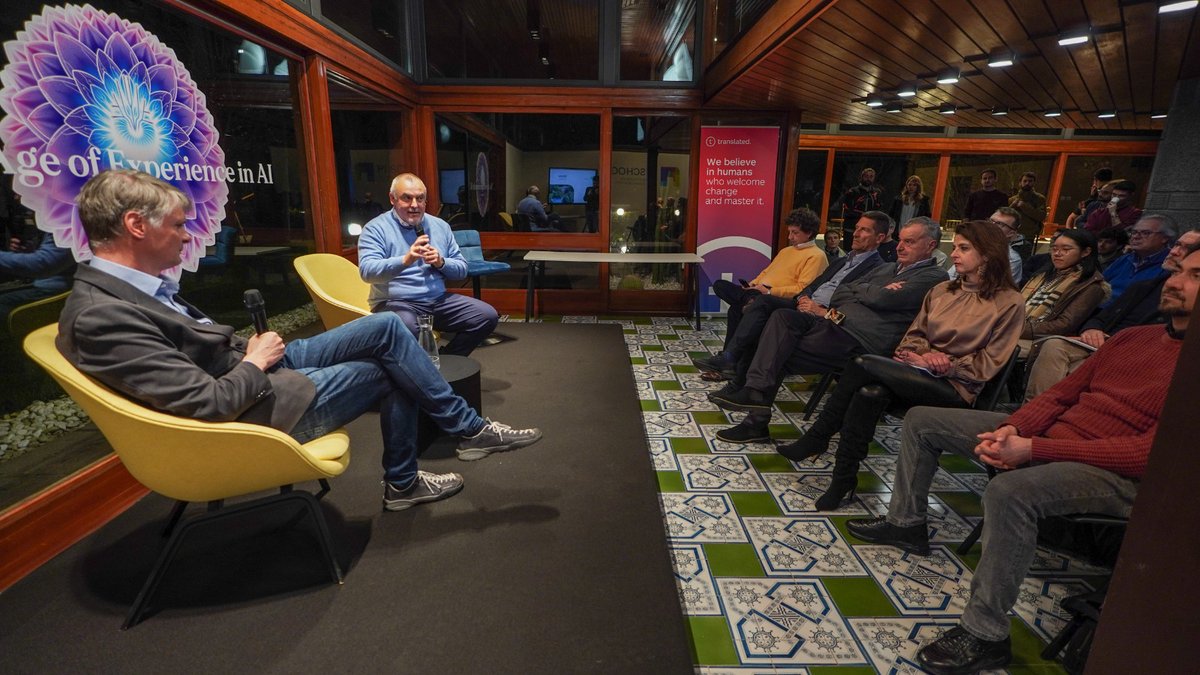
Thank you, @lawrennd, for spending the evening with us at Pi Campus.
Discussing with you what makes us really human with you has been amazing. Conversations like this remind us that #AI is fascinating, but #humans are still deeper and harder to model.
#pinetworking
Are we forgetting how to write what we can still read?
In the digital age, many Chinese speakers can recognize and type characters effortlessly, yet struggle to write them by hand. This “Character Amnesia” reflects how pinyin input and predictive text have reduced the need for pen-to-paper practice.
But Chinese characters are more than tools for communication; they carry history, artistry, and cultural memory. Celia Gong explains how, as technology evolves, the challenge is not choosing between tradition and innovation, but finding ways for both to coexist.
What parts of your own language would you hate to lose?
Read more on Imminent.
https://t.co/n9dOLJA07x
Here are the winners of the 5th edition of the Imminent Research Grants!
This year’s projects explore timely topics, from how the brain and large language models process bilingual multi-word expressions to measuring the economic impact of language on global trade efficiency.
Through Imminent, we support researchers pushing the boundaries of language and AI. Since its launch, Imminent has funded 20+ research projects with a total investment of $500,000, building a global research network and reinforcing Translated’s commitment to open science and independent inquiry.
Congratulations to this year’s winners!
Discover more about their projects.
https://t.co/G1RzE2TnLS
PS. A new call will open soon, stay tuned!
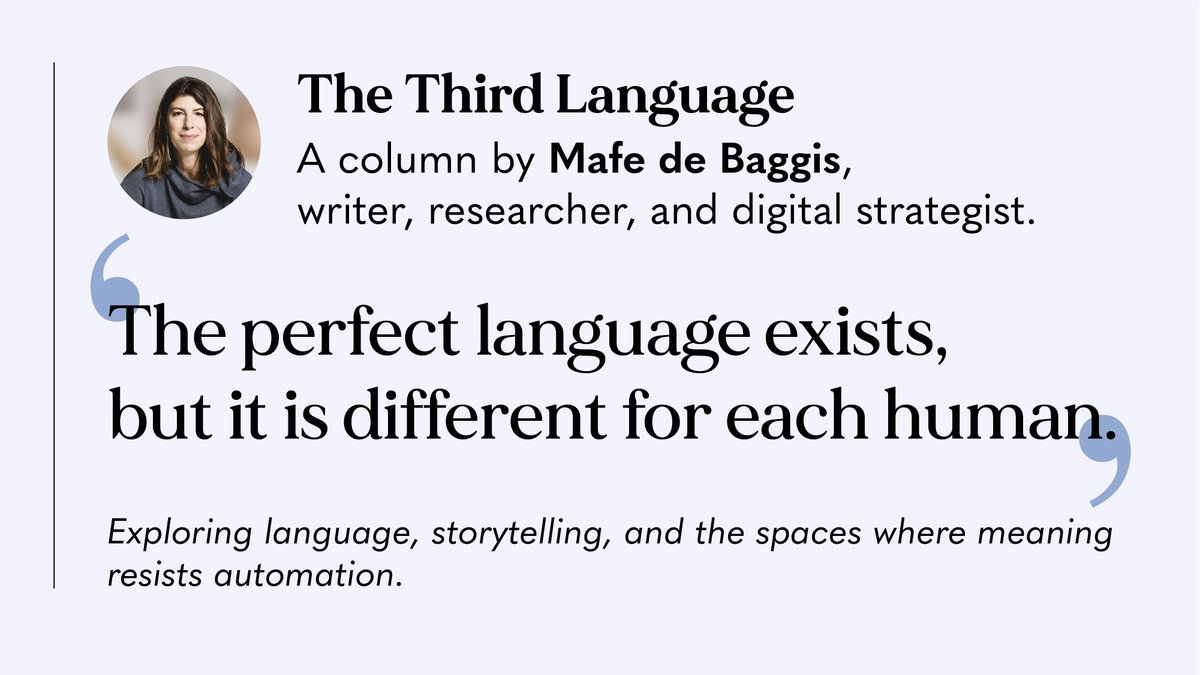
Language is not only a tool for communication — it is the space where meaning is shaped, challenged, and transformed. 𝘐𝘮𝘮𝘪𝘯𝘦𝘯𝘵 is proud to introduce “𝗧𝗵𝗲 𝗧𝗵𝗶𝗿𝗱 𝗟𝗮𝗻𝗴𝘂𝗮𝗴𝗲” a quarterly column by @mafedebaggis — digital strategist, copywriter, and researcher — dedicated to exploring the intersections of language, narrative, and automation.
In a world increasingly dominated by algorithms and generative text, this series asks an essential question: What happens when meaning cannot be reduced to probability or prediction?
The first edition reflects on the idea of a perfect language by questioning its existence and true essence. For those interested in the spaces where language opens rather than closes questions, this column offers a fresh and thought-provoking perspective.
Read 𝗧𝗵𝗲 𝗧𝗵𝗶𝗿𝗱 𝗟𝗮𝗻𝗴𝘂𝗮𝗴𝗲 and join the conversation on why the languages we live with matter far beyond words alone.
https://t.co/z5jMLFWuMv
𝗧𝗵𝗲 𝗷𝗼𝘂𝗿𝗻𝗲𝘆 𝗼𝗳 𝗔𝗿𝗮𝗯𝗶𝗰 𝗮𝘀 𝗶𝘁 𝗲𝘃𝗼𝗹𝘃𝗲𝘀 𝗮𝗰𝗿𝗼𝘀𝘀 𝗯𝗼𝗿𝗱𝗲𝗿𝘀 𝗮𝗻𝗱 𝗴𝗲𝗻𝗲𝗿𝗮𝘁𝗶𝗼𝗻𝘀, 𝘁𝗿𝗮𝗰𝗲𝗱 𝗯𝘆 𝘀𝗲𝘃𝗲𝗻 𝗹𝗶𝗻𝗴𝘂𝗶𝘀𝘁𝘀.
From the formal cadence of 𝗖𝗹𝗮𝘀𝘀𝗶𝗰𝗮𝗹 𝗔𝗿𝗮𝗯𝗶𝗰 𝗶𝗻 𝗦𝗮𝘂𝗱𝗶 𝗔𝗿𝗮𝗯𝗶𝗮, to the instantly recognizable voice of 𝗘𝗴𝘆𝗽𝘁𝗶𝗮𝗻 𝗔𝗿𝗮𝗯𝗶𝗰, the expressive richness of 𝗠𝗼𝗿𝗼𝗰𝗰𝗮𝗻 𝗔𝗿𝗮𝗯𝗶𝗰 and the layered blends of 𝗟𝗲𝗯𝗮𝗻𝗲𝘀𝗲 𝗔𝗿𝗮𝗯𝗶𝗰, this journey reveals a language in constant motion.
The story then moves beyond the Arab world, uncovering unexpected centers of Arabic presence in countries like 𝗕𝗿𝗮𝘇𝗶𝗹, 𝗜𝗻𝗱𝗼𝗻𝗲𝘀𝗶𝗮, 𝗮𝗻𝗱 𝗣𝗮𝗸𝗶𝘀𝘁𝗮𝗻—places where linguistic influence reaches further than we often assume.
The latest Imminent insight reminds us that understanding how languages migrate, adapt, and coexist is not just a cultural exercise. It shapes how we design the world we live in, and how we choose to live within it.
Read it here: https://t.co/8abJ5ksccp
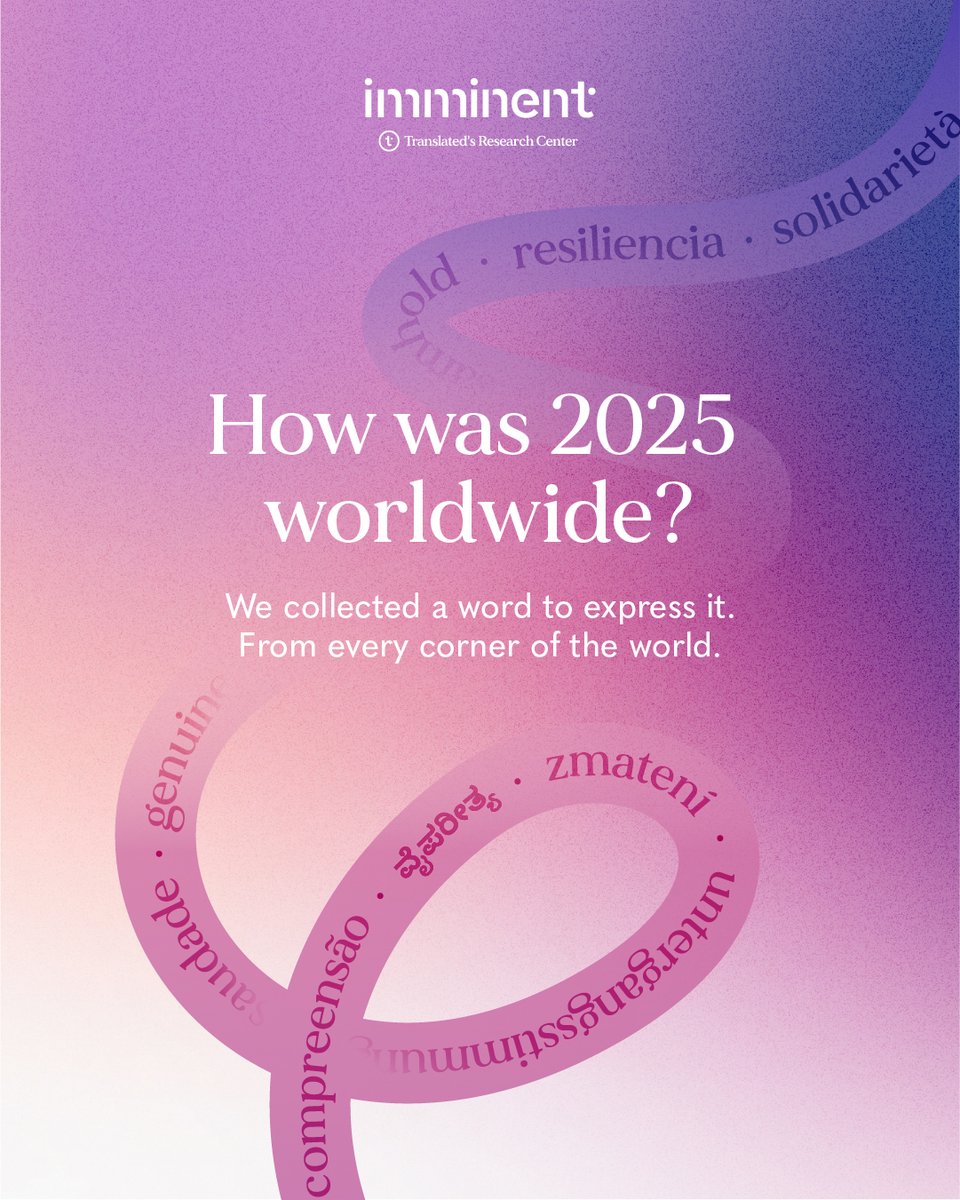
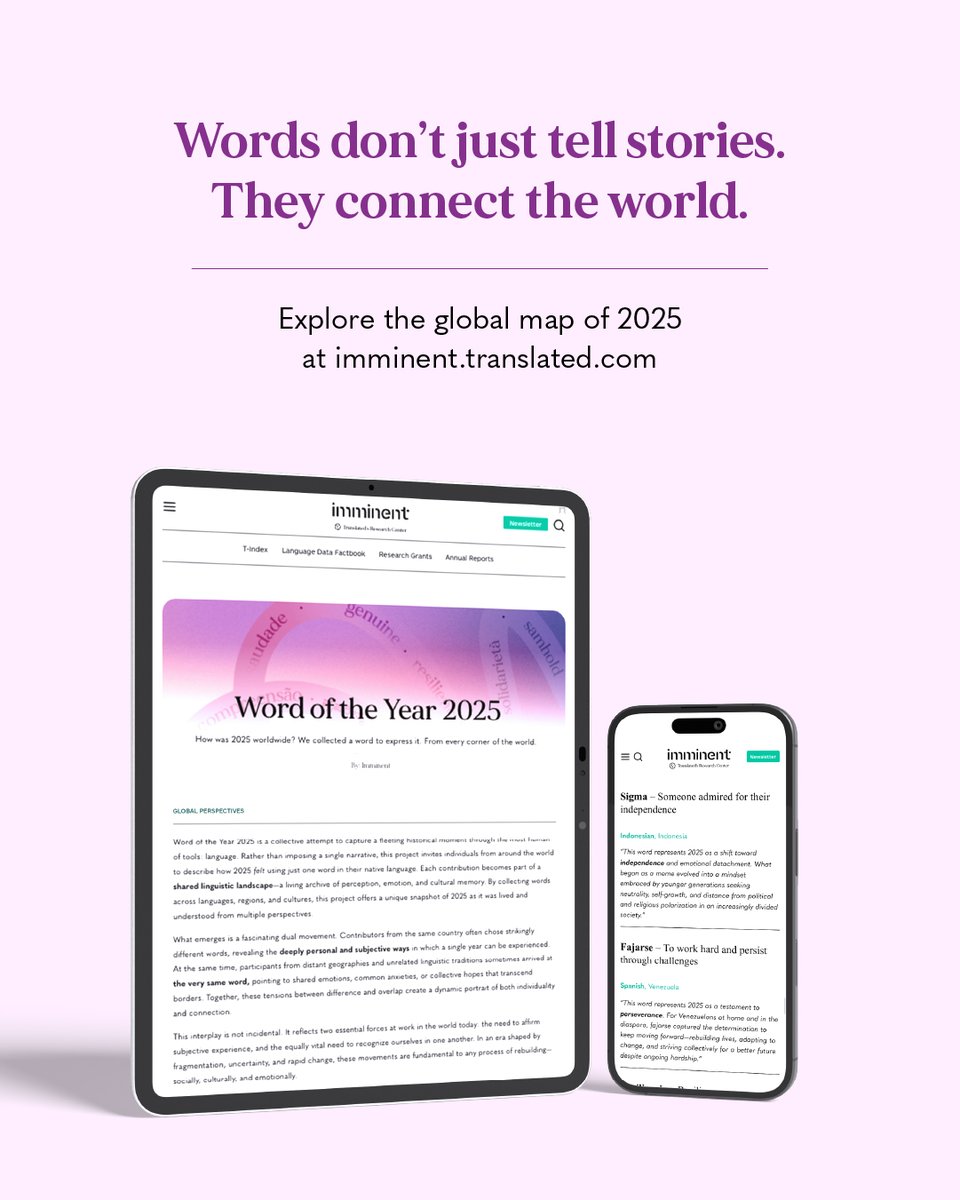
2025 has just gone by, and it left clues behind.
The words that defined the year reveal more than #trends: they capture the cultural shifts, emerging #signals, and tensions shaping what comes next.
#Language that frames our present and is already influencing the hashtag#future.
Explore the key terms, then dive deeper with the full analysis on Imminent.
https://t.co/2ZIBpo5Xcj
Where is the future? 🔭
Through voices from eight linguistic traditions, 𝘄𝗲 𝗲𝘅𝗽𝗹𝗼𝗿𝗲 𝗵𝗼𝘄 𝘁𝗶𝗺𝗲 𝘂𝗻𝗳𝗼𝗹𝗱𝘀 𝗶𝗻 𝗱𝗶𝗳𝗳𝗲𝗿𝗲𝗻𝘁 𝗱𝗶𝗿𝗲𝗰𝘁𝗶𝗼𝗻𝘀, 𝗿𝗲𝘃𝗲𝗮𝗹𝗶𝗻𝗴 𝘁𝗵𝗮𝘁 𝘁𝗵𝗲 𝗳𝘂𝘁𝘂𝗿𝗲 𝗶𝘀 𝗻𝗼𝘁 𝗮 𝘀𝗶𝗻𝗴𝗹𝗲 𝗽𝗮𝘁𝗵 𝗳𝗼𝗿𝘄𝗮𝗿𝗱 but a shared space shaped by many ways of seeing and understanding time.
In English, the future lies ahead. It is something we move toward. But beyond Indo-European languages, this sense of direction shifts. For the Quechua, the future is behind us, unseen, while the past is in front. In Māori culture, people walk backward into time, facing their ancestors. In other linguistic traditions, time unfolds vertically, cyclically, or through shared rituals rather than calendars.
𝘓𝘢𝘯𝘨𝘶𝘢𝘨𝘦 𝘪𝘴 𝘯𝘦𝘷𝘦𝘳 𝘯𝘦𝘶𝘵𝘳𝘢𝘭. 𝘐𝘵 𝘴𝘩𝘢𝘱𝘦𝘴 𝘩𝘰𝘸 𝘸𝘦 𝘪𝘮𝘢𝘨𝘪𝘯𝘦 𝘵𝘪𝘮𝘦, 𝘬𝘯𝘰𝘸𝘭𝘦𝘥𝘨𝘦, 𝘢𝘯𝘥 𝘸𝘩𝘢𝘵 𝘤𝘰𝘮𝘦𝘴 𝘯𝘦𝘹𝘵.
Read the latest imminent insight: https://t.co/eazBF2zpx0