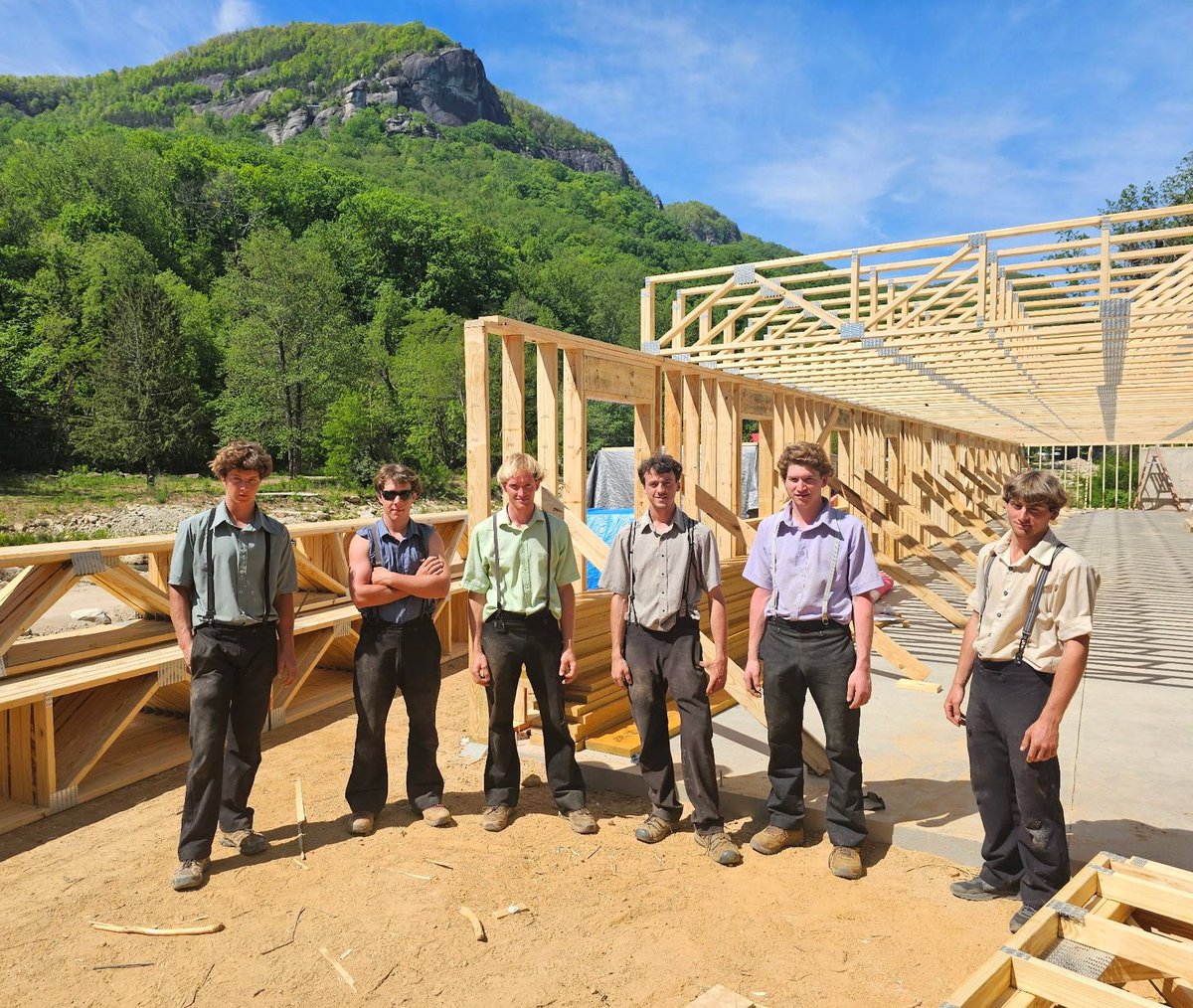
HOLY CRAP!!!
Chimney Rock NC officials have confirmed that the Pennsylvania Amish Community are STILL HELPING REBUILD THE TOWN...
...NEARLY 550 DAYS AFTER HURRICANE HELENE!!!!
GOD BLESS THE AMISH!!!!!!!!
Chopin’s Nocturne in C# minor flows like a story without words—haunting, romantic, and deeply emotional. Every note pulls at the heart, inviting listeners into a world of introspection. 🎹💫
Vertical farming saves land and water, grows crops year-round without soil, reduces pesticides, cuts transport costs, boosts food security in cities, homes or building sites and it provide good shaping.
#VerticalFarming#SaveLandUses
SUSTAINABLE FARMING DOESN'T HAVE TO BE EXPENSIVE; This System Proves It
Innovation Isn't Always High-Tech. Sometimes It's Just Smart.
Look at this system carefully. Rows of healthy, thriving crops stretching across a productive farm. A classic red barn and grain silo in the background. And in the foreground? The irrigation system keeping it all alive elevated buckets, black drip hoses, and repurposed plastic bottles delivering water precisely where every plant needs it.
No expensive sprinkler systems. No computerized sensors. No imported machinery. Just gravity, ingenuity, and resourcefulness.
This is sustainable farming in its most honest and beautiful form.
What You're Actually Seeing in This System?
This setup combines two powerful low-cost irrigation techniques:
Elevated bucket gravity drip system buckets raised on simple wooden tripods use gravity to push water slowly through connected black drip lines, delivering consistent moisture directly to plant roots.
Inverted bottle drip irrigation recycled plastic bottles inserted into the soil release water slowly and steadily around individual plants, minimizing evaporation and waste.
Together, these methods deliver water directly to the root zone exactly where plants need it most using virtually zero energy, zero electricity, and materials most farmers already have or can access cheaply.
Why This Matters for Every Farmer
Many smallholder farmers believe that modern, efficient farming is beyond their financial reach. That productivity requires expensive equipment. That technology is only for large commercial operations with big budgets. This image challenges every one of those assumptions.
Nearly zero cost buckets, wooden posts, old hoses, and recycled bottles.
Up to 70% water savings compared to conventional flood or overhead irrigation.
Healthier plants root-zone watering reduces disease and fungal problems.
Less evaporation water goes into soil, not into the air.
Easy to build and maintain no technical expertise required.
♻️ Environmentally responsible repurposes waste plastic productively.
The Bigger Message
Sustainable agriculture is fundamentally about working smarter, not spending more. The most effective farming solutions throughout history have come from careful observation of nature, creative problem-solving, and making the absolute most of available resources.
That bucket on a wooden tripod feeding healthy crops is not a sign of poverty, it is a symbol of agricultural intelligence.
You don't need a big budget to be a great farmer. You need knowledge, creativity, and the willingness to start with what you have.
Share this with every farmer who thinks sustainable farming is out of their reach.
It doesn’t happen overnight. Many new farmers expect quick results, but farming requires patience and consistency. Success comes step by step through learning, making mistakes, improving and allowing both crops and skills to grow over time.
#agribusinesstalk
🌾 Organic Market Garden: A Model of Sustainable Farming
This image captures a beautifully organized market garden, a small-scale, high-efficiency farming system designed to produce a wide variety of crops intensively on limited land. It’s a perfect example of how modern agriculture can be both productive and environmentally responsible.
🌱 What Is a Market Garden?
A market garden is a farm that focuses on:
Growing diverse crops (vegetables, herbs, flowers)
Selling directly to local markets, restaurants, or communities
Maximizing yield from relatively small areas
Unlike large industrial farms, market gardens prioritize quality, diversity, and sustainability.
🧑🌾 Key Features in This Garden
1. Neat, Organized Rows
Crops are planted in straight, evenly spaced beds
Makes planting, watering, and harvesting more efficient
Improves airflow and reduces disease
2. Crop Diversity
You can see multiple crops growing side by side:
Leafy greens (lettuce, spinach)
Brassicas (kale, cabbage)
Root crops and flowers (like marigolds for pest control)
3. Companion Planting
The bright orange flowers are likely marigolds, which:
Repel pests
Attract beneficial insects
Improve overall plant health
4. Greenhouses (Polytunnels)
Extend the growing season
Protect crops from weather
Allow year-round production
🌍 Benefits of This Farming Approach
🌿 Sustainability
Less reliance on chemicals
Focus on soil health and biodiversity
🥕 High Productivity
Intensive planting methods maximize output per square meter
🐝 Eco-Friendly
Supports pollinators and natural ecosystems
🛒 Local Food Production
Fresh, seasonal produce for nearby communities
🛠️ Techniques Used
Raised beds or defined rows for better soil management
Crop rotation to maintain soil fertility
Composting to enrich the soil naturally
Manual or light mechanization instead of heavy machinery
💡 Why This Matters
This type of farming represents the future of food:
More resilient to climate change
Less dependent on industrial systems
Healthier for both people and the planet
🌟 Final Thought
A well-designed market garden like this proves that you don’t need massive land or heavy machinery to grow abundant, healthy food. With smart planning, diversity, and care for the soil, small-scale farming can be incredibly powerful.
10 years ago my focus was growing “400 bushel corn” … it gets a lot of attention, but it’s unpractical.
The laws of diminishing returns cost you more than it gains you.
Today I focus on capturing more value from free things. Attributes are assets if you can employ them.
We’re finishing up our relay beans with the last pass here. For you to be in the right frame of mind you have to leave the mindset of maximizing monocrop yields and instead maximizing acre yield efficiently.
Each day is hyper critical in the profitability of this system… that’s why even when we reach that peak ultimate practice efficiency… we’ll still be maxed at maybe 30-40% of our acres. I can only do things great within the constraints of time.
I lay out all the specifics here but this is some truths I’ve learned from chasing high yields.. to conventional… no till… strip till… relay… alley… organic… grazing … Intergrazing… silvopasture
Less plants require less inputs, especially nitrogen
Soil temperature and WEOC drive plant growth
Weed pressures come with bare soil
You can index… or reallocate anything from fertilizers, chemistry, seed, etc
You can cheat any system by leaning on the constraints to make the system work best
Here in this specific system
Follow early corn. The attributes of corn canopy, residue, N scavenge is an asset
Plant wheat early. Every day in late September is worth 10x of those in late October
Control weeds in the fall cheaply with good timing before you have them
Control weeds in the spring and summer with timing and expedited canopy closure
A great harvest plan for the wheat and the pruning of it, the straw, and the ☀️ is 10x more effective than any soil amendment or spray fertilizer.
Account for the capability of single plants. They can yield 10x of a bunch of them slammed in a field competing with one another
Sequencing plants allows you to stage different plant perceptions to get expressions, let live, and use their natural death to your advantage.
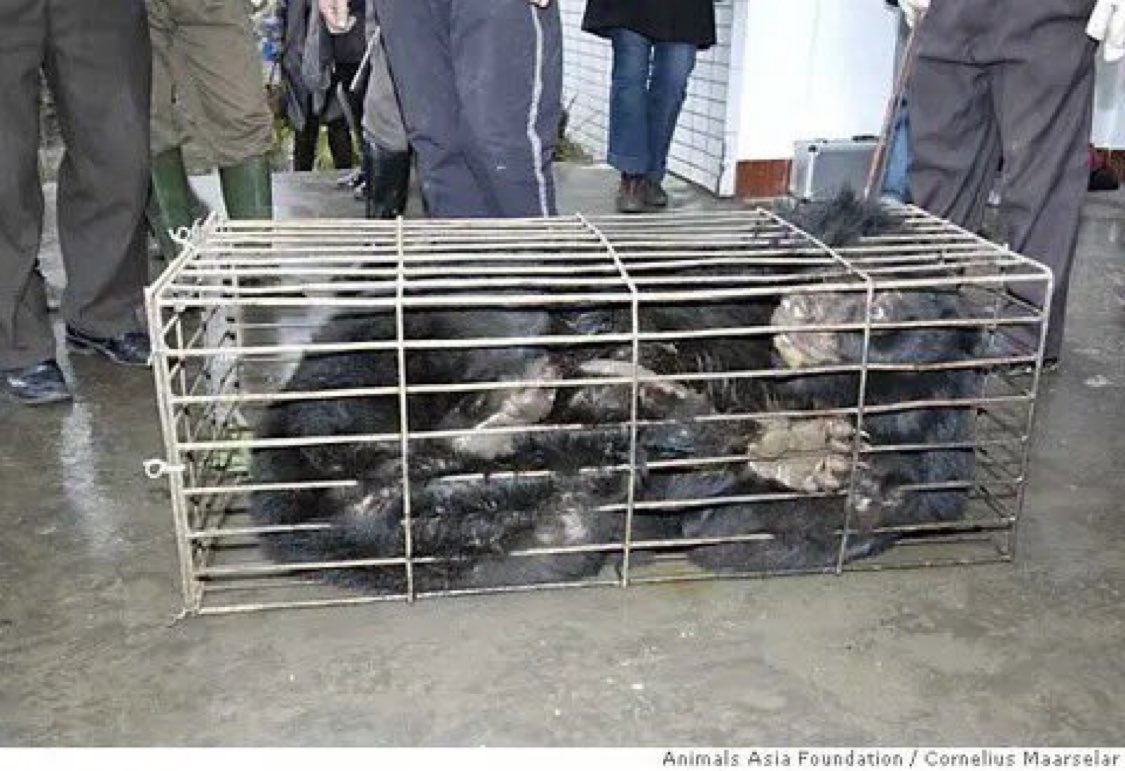
Over 10,000 bears endure lifelong suffering in bear bile farms across Asia, suffering immense pain. Bears are often kept in tiny "crush cages" for decades. Absolutely horrendous animal abuse. In China, bile farming is still legal, with an industry value exceeding $1 billion.