We're on a mission to transform 100,000 stranded villages into flourishing communities with our multidimensional design solutions. #TransformRuralIndia
How do we know if climate adaptation finance is reaching the people and places that need it most? And how do we measure what has changed on the ground?
In India’s villages, communities are already mapping the answers.
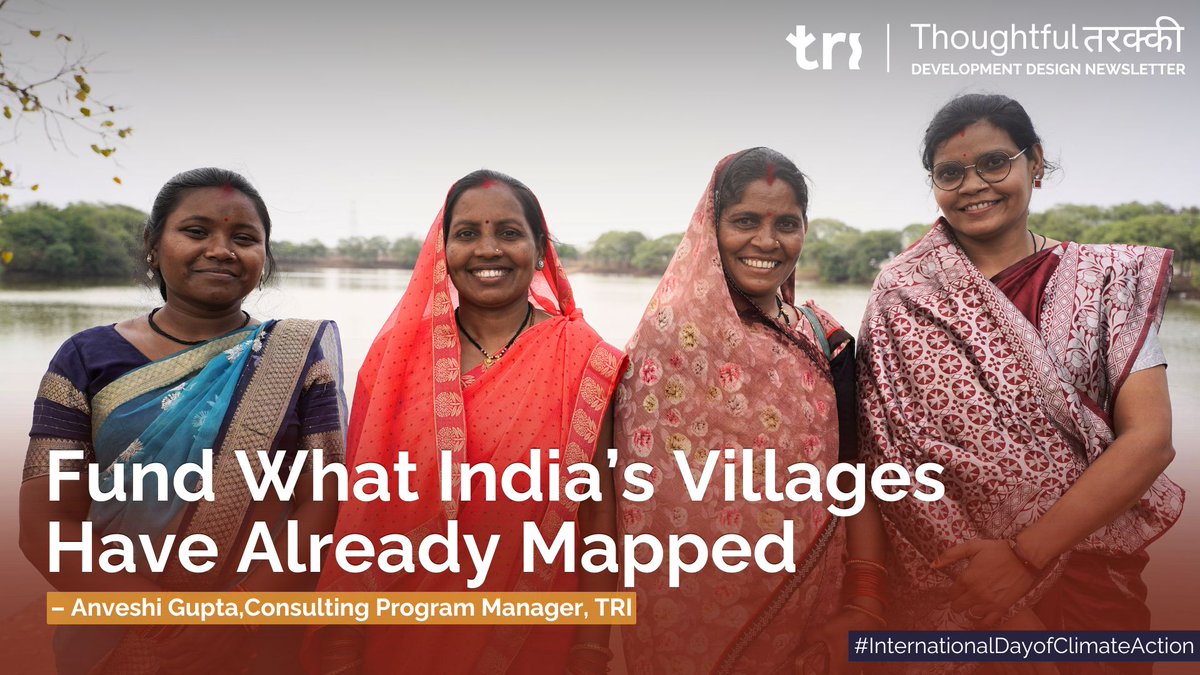
Through TRI's Community-led Landscape Character Assessment Tool (LCAT), people across 83 villages in four states have documented how their landscapes have changed, from disappearing vultures and declining soil health to failing water sources and shifting livelihoods. These assessments are now informing climate-integrated panchayat plans, translating local knowledge into actionable priorities.
In her latest piece, our colleague, Anveshi G. makes the case for connecting these community-led assessments with public budgets and adaptation finance, building a national ledger that tracks not just where the money goes, but whether it reaches those who bear the greatest climate risks.
As the world prepares to discuss adaptation indicators at #COP31, India has an opportunity to show how climate action can begin with communities and ensure that finance follows vulnerability, not just the ability to access funds.
📖 Read the article here: https://t.co/yEcmewJlZ2
Explore the national report on LCAT: https://t.co/mKc7f3mU6i
On the International Day of Climate Action, a reminder that effective adaptation begins by listening to the people who know their landscapes best.
#InternationalDayOfClimateAction #ClimateAdaptation #ClimateFinance #LCAT #TransformRuralIndia
Rural India is on the frontlines of climate change. But are development plans keeping pace with the changes unfolding across its landscapes?
Released at RESTORE 2026, Transform Rural India’s new report draws on the community-led Landscape Character Assessment Tool (LCAT) developed by TRI to reveal a landscape in flux.
Across 83 villages, communities reported significant declines in natural landscape features. 80 villages reports recorded declining wildlife, while 71 reported declining water availability. At the same time, communities reported improvements in infrastructure and local institutions.
These findings point to the need for a different approach to development planning, one that starts with the village’s own reading of its land, plans for shared needs and makes visible what is changing, why and who is most affected.
Because rural transformation must begin with understanding the landscapes people live in.
Read the report: https://t.co/mKc7f3mU6i
#LCAT #RESTORE2026 #ClimateResilience #RuralDevelopment #TransformRuralIndia #ThoughtfulTarakki
The session will also feature Dr Monica Banerjee, Vice President and Head at InterGlobe Foundation, bringing perspectives on how CSR and philanthropic capital can enable sustained, place-based rural transformation.
Rural transformation takes more than successful interventions. It takes communities, institutions, markets and public systems working together to create lasting change.
At the One Purpose India Forum (OPIF) 2026, Transform Rural India will anchor a session titled 'From Intervention to Transformation: Reimagining Rural Development', exploring what it takes to move beyond individual projects towards flourishing rural communities.
Representing TRI Neeraj Ahuja, Practice Director, will be joined by Jamna Katara, President of a Village Organisation and Reshma Ninama, Sarpanch of Asaliya Gram Panchayat in Madhya Pradesh. As Badlav Didis (Change Vectors) supported by TRI, Jamna and Reshma bring the voices and lived experiences of rural communities to the conversation.
Together, the session will explore how place-based approaches, strong community institutions and convergence between Samaj, Sarkar and Bazaar can help communities move from being beneficiaries of development programmes to becoming owners of their own transformation.
📅 27 October 2026
📍 Hotel Pullman, New Delhi
🕥 10:30 AM – 11:20 AM
Register Now: https://t.co/iiBWU9pwIa
@csrboxorg
#OPIF2026 #TransformRuralIndia #ThoughtfulTarakki #RuralTransformation
What will it take to break the cycle of intergenerational poverty in rural India?
Poverty is rarely shaped by one factor alone. A woman’s ability to earn depends not only on her livelihood, but also on her health, her children’s education, access to fair markets and her voice in local governance. When these systems fail to work together, poverty can persist across generations.
At Transform Rural India (TRI) our Thoughtful Tarakki approach starts with understanding these interconnections. We work with communities to design solutions, demonstrate what works, collaborate with governments to scale them and strengthen markets so that prosperity lasts.
As we look towards 2030, our ambition is to help build flourishing rural localities where opportunity is not determined by birthplace and every generation has a stronger foundation to thrive.
This International Day for the Eradication of Poverty, we reaffirm our belief that lasting change requires more than isolated interventions. It requires transforming the systems that shape people’s lives.
Watch our film to see what's possible when people, systems and opportunity come together.
Because prosperity isn't delivered. It's designed. Not programme by programme, but locality by locality.
#InternationalDayForTheEradicationOfPoverty #TransformRuralIndia #ThoughtfulTarakki
When Gayatri asked to go back to school after her wedding, her in-laws said an educated wife would leave her husband.
She was 17 and had studied till Class 8.
For years after that, at home in Jhabua, Madhya Pradesh, she lived with violence. When she turned to her own family, they told her to obey and endure.
Things began to change in 2020, when she joined a self-help group under the National Rural Livelihoods Mission.
Through her SHG, she came to TRI’s Nari Adhikar Kendra and attended her first gender training. For the first time, she understood that what was happening to her was a violation of her rights.
She went back to her studies and completed Class 12 in 2023. Today she is in the final year of a social work degree. As a coordinator with TRI, she has trained nearly 3,000 women to recognise violence and claim their rights.
Stories like Gayatri’s are common in rural India, where inequality often starts at home.
👉 Three in four rural women workers are in agriculture, yet fewer than one in seven farm holdings are in women’s names.
👉 Nearly half of all panchayat representatives are now women.
On International Day of Rural Women, we are grateful to the women’s collectives built under NRLM. Groups that began as places to save money are becoming places where women find their voice and their rights.
Gayatri says her hope is simple: that her daughter grows up free from fear.
Sources: PLFS 2024; Agriculture Census 2015-16; Ministry of Panchayati Raj, 2025
⭐Aliva Das, Pallavi Jain
#InternationalDayOfRuralWomen #RuralWomen #NRLM #GenderJustice #WomenLeaders #TransformRuralIndia
What does successful landscape restoration look like? It goes beyond ecological recovery to strengthen livelihoods, reduce community vulnerability and put people at the centre of decision-making.
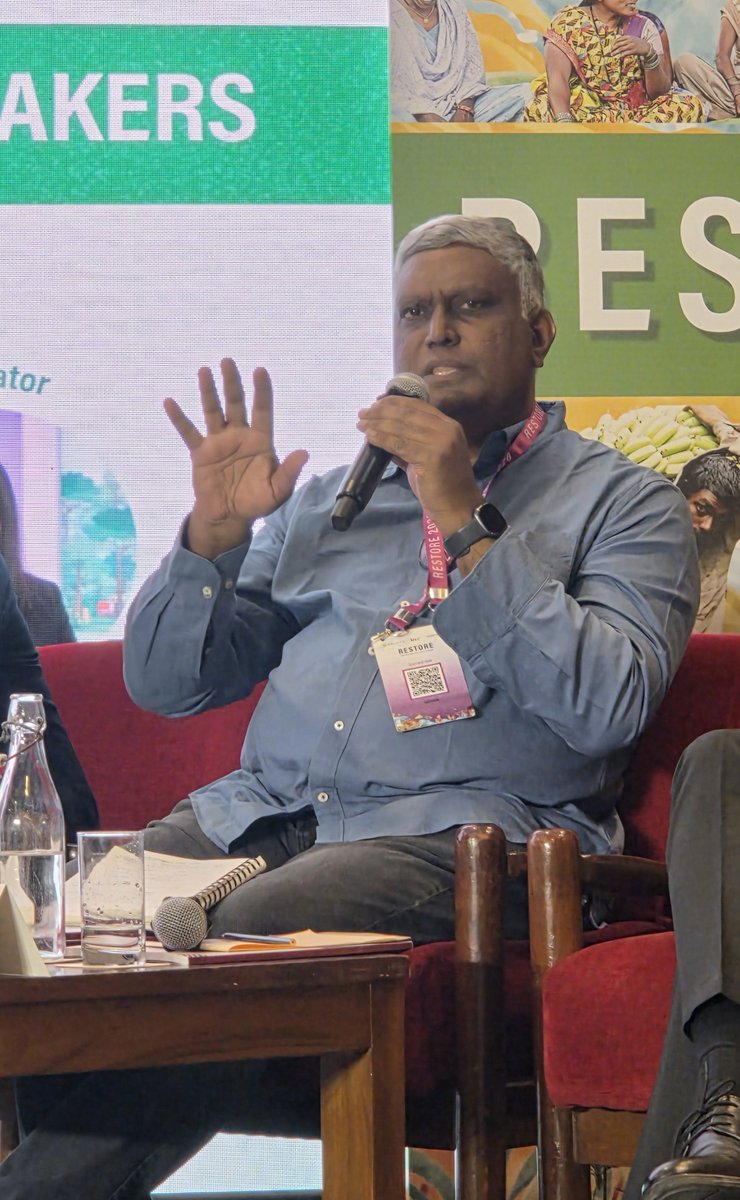
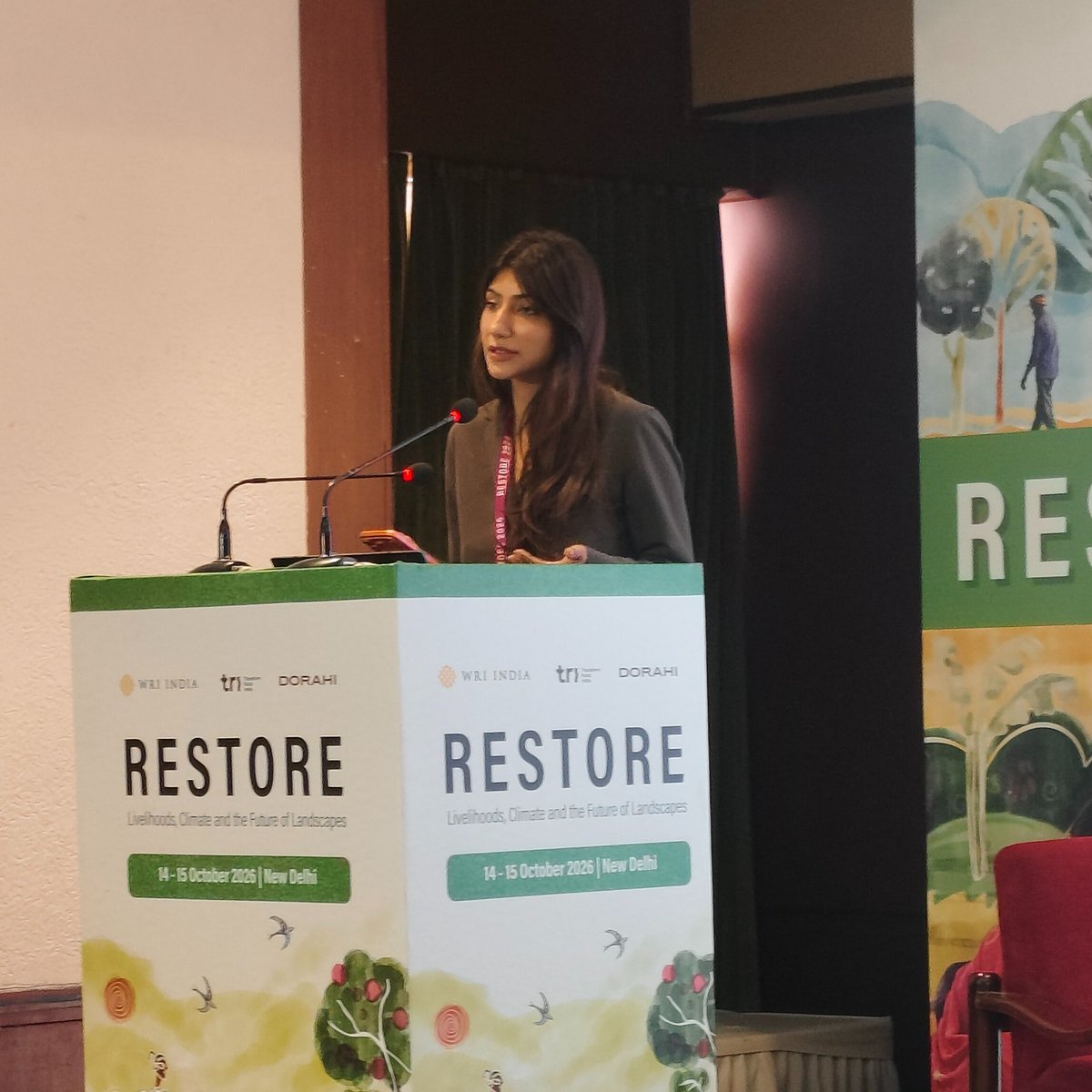
At RESTORE 2026 convened by WRI India, Dorahi and TRI practitioners, researchers and community voices came together to explore what it takes to build resilient landscapes.
Discussions across landscape restoration, climate vulnerability, water intelligence and heat resilience highlighted key priorities:
👉🏻 Placing communities and their lived experiences at the heart of restoration.
👉🏻 Bridging technological interventions with ground realities and local knowledge.
👉🏻 Using landscape-specific evidence and accessible data to inform decisions.
👉🏻 Recognising the growing impact of heat and unpredictable rainfall on rural livelihoods, health and women's well-being.
👉🏻 Ensuring that ecological recovery goes hand in hand with stronger, more resilient communities.
How can policing become more sensitive, responsive and victim-centred in cases of violence against women and children?
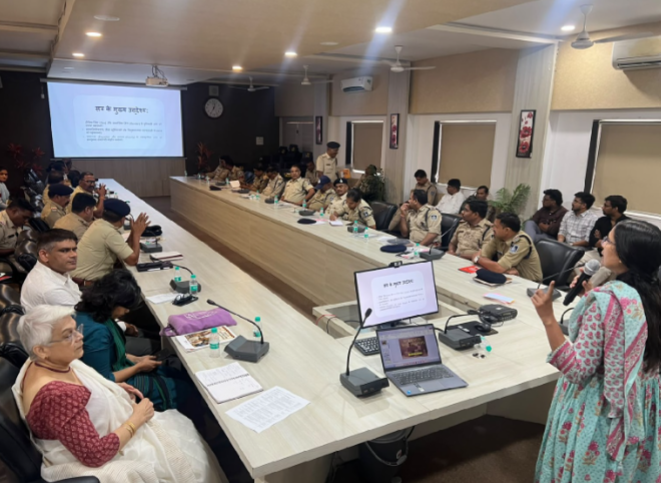
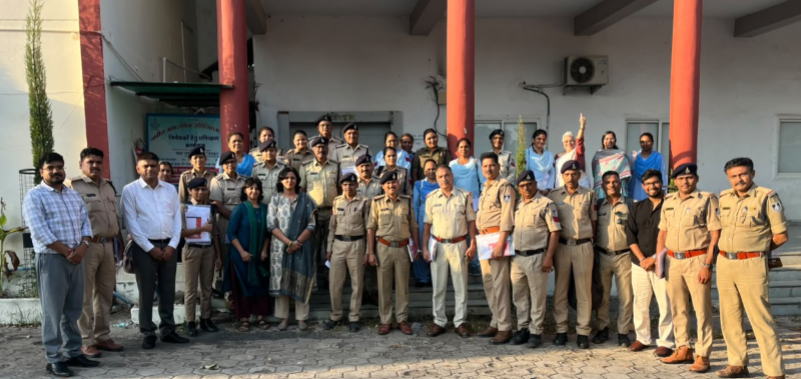
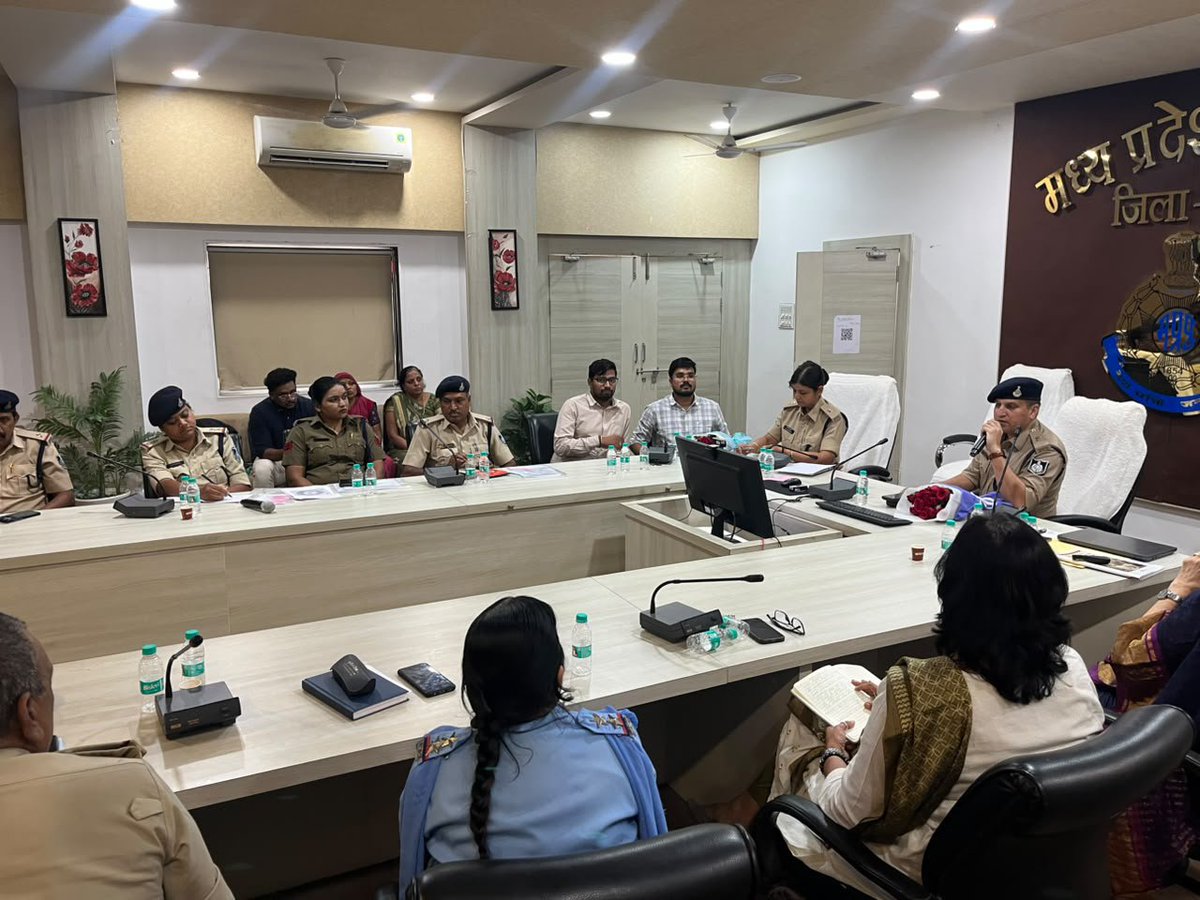
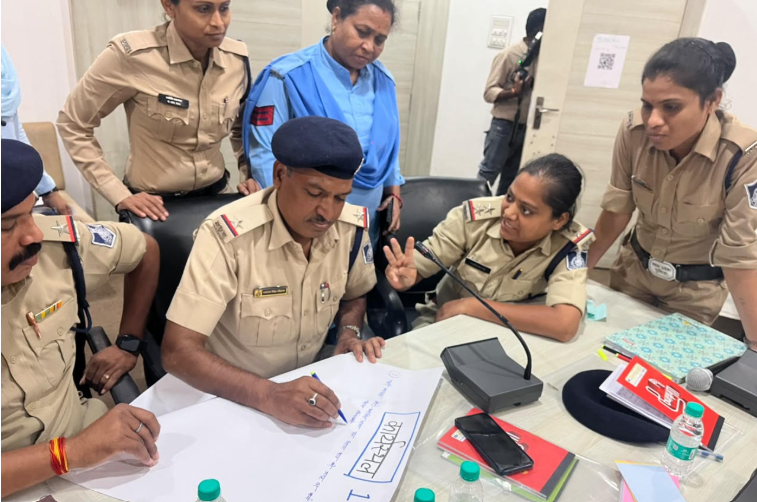
Earlier this week, Transform Rural India (TRI), under the guidance of the Women Safety Cell, Madhya Pradesh Police Headquarters, organised a two-day training in Dhar, Madhya Pradesh, bringing together police personnel, government departments and community representatives.
The training focused on strengthening understanding of key legal provisions, ensuring sensitive responses to survivors and improving coordination between the police, Lok Adhikar Kendras, One Stop Centres and support services to ensure timely access to protection, legal assistance and care.
Building safer communities requires more than legal action. It calls for institutions that listen, respond with sensitivity and work together to ensure every woman and child can seek justice and support without fear.
@PROJSDhar
#TRI #TransformRuralIndia #RuralIndia #MadhyaPradesh
महिलाओं एवं बच्चों के विरुद्ध हिंसा की रोकथाम और संवेदनशील पुलिसिंग पर पुलिस अधीक्षक कार्यालय में दो दिवसीय प्रशिक्षण संपन्न
कानूनी प्रावधानों की समझ, पीड़ित-केंद्रित कार्यप्रणाली और विभिन्न संस्थाओं के बीच समन्वय पर दिया गया जोर
@JansamparkMP@mohdept
“Successful landscape restoration must deliver a dual outcome: ecosystems that recover and communities that become less vulnerable. Resilience is not just about increasing farmers’ incomes, but about sustaining livelihoods over time. This requires a clear theory of change, with public resources and blended finance working together to absorb early-stage risks and enable long-term impact.” - Marc de Sousa-Shields, Country Director - India, IFAD
#RESTORE2026 #TRI #TransformRuralIndia
“Effective landscape restoration requires bridging top-down technological interventions with bottom-up ground realities. Field assessments and community insights are essential to understanding long-term trajectories and operationalising convergence across programmes and stakeholders at the ground level.” - Kundan Burnwal, Deputy Project Director, RECAP4NDC, GIZ India
#RESTORE2026 #TRI #TransformRuralIndia #LandscapeRestoration #ClimateAction
@WRIIndia
“Communities define success on their own terms. Our role is to help them develop a strong ecological and landscape perspective that they can integrate into their plans and everyday lives. Ultimately, a restoration initiative is truly successful when communities continue to sustain it themselves.” - Anwar Shaik, Senior Consultant, Common Ground Initiative
@WRIIndia
#RESTORE2026 #TRI
“Evidence tells us that mining landscapes are fundamentally different and require context-specific restoration solutions. Every stakeholder has a role to play, but effective action must be grounded in evidence from the landscape itself, reflecting its unique ecological conditions, challenges and opportunities.” - Dr. Shalini Dhyani, Scientist-F & Head, Center for
Ecological Systems and Resilience Design, CSIRNational Environmental Engineering Research Institute
@WRIIndia
#RESTORE2026 #TRI #TransformRuralIndia #LandscapeRestoration #ClimateAction
As India continues to lag in closing the gender gap, experts warn gap could be wider in AI economy, where women could be largely excluded from decisions, opportunities & benefits that AI creates
@wef@Letstransform@PopFoundIndia@TRIFoundation
Story:
https://t.co/5ovKfOEl1s
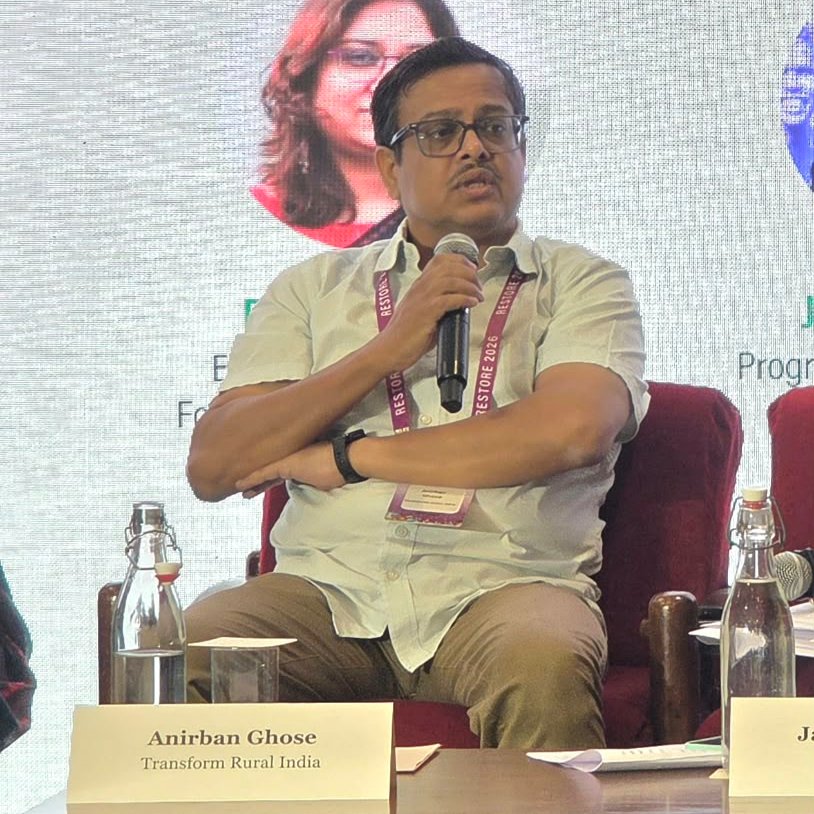
“Our LCAT tool is designed to strengthen decentralised planning at the moment it is happening. By mapping the collective memory of communities, of how their land, water and forests have changed over time, it brings that lived knowledge into the Gram Panchayat Development Plan (GPDP), so that village plans are shaped by people who know the landscape best.” - Anirban Ghose, Co-Founder and Co-lead, Transform Rural India
“For restoration to actually happen, there needs to be a shift from partnership with communities to leadership by communities. We all know that a lot of traditional knowledge is being lost, so as we work to make restoration successful, we need to ask how indigenous knowledge is passed from one generation to the next, what institutional infrastructure we are building to support this and how technical solutions are being carried forward by local influencers.” - Anirban Ghose, Co-Founder and Co-lead, Transform Rural India
@WRIIndia
#RESTORE2026 #TRI #TransformRuralIndia #LandscapeRestoration #ClimateAction