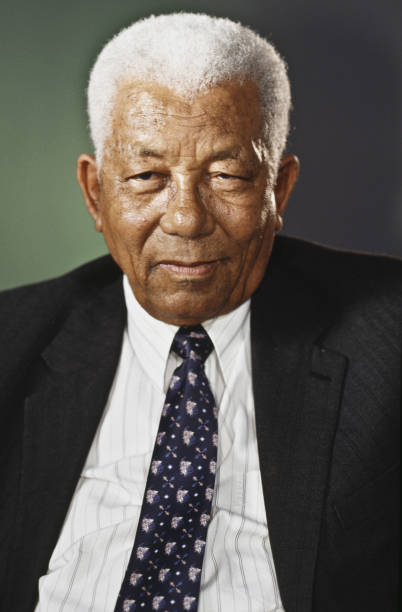
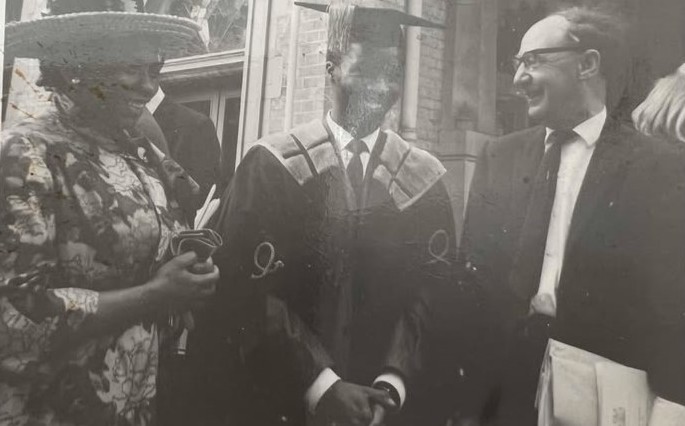
Godfrey Mokgonane Pitje (1917 - 1997) was a South African academic, activist, lawyer and anthropologist. He earned a B.A at Fort Hare in 1944, later obtaining advanced degrees in anthropology, education, and law. He was invited to lecture in anthropology at the same institution in 1948. He succeeded Asby Peter Mda as President of the YL in 1949 & was in the NEC of the ANC. Pitje was not by nature inclined to politics, and the league lost momentum during his term of office. In 1951 he was succeeded as president by Nelson Mandela and retired from active politics. When teaching lost appeal as a profession with the introduction of Bantu Education, Pitje took up law and served articles in the firm of Mandela and Tambo, qualifying as an attorney in 1959. Godfrey Pitje used his legal expertise to keep the liberation fires burning from the 1960s to the 1990s after the liberation movements had been banned in South Africa. Source: Iono/SAHO
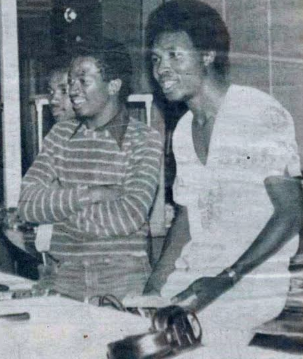
Batandwa Ndondo (1963 - 1985) was a former student activist & a staunch opponent of the Transkei government. Ndondo was abducted, shot & killed by a member of the Transkei security branch & group of Vlakplaas askaris in Cala, Transkei, on the 24th of September 1985. Source: SAHO, SAHA,
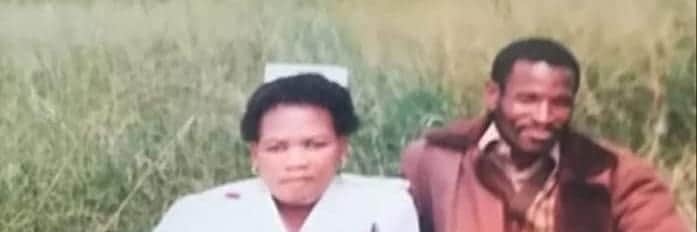
Mark Williams Shope (1919–1998) was a South African trade unionist and anti-apartheid activist. He is best known for serving as the second General Secretary of the South African Congress of Trade Unions (SACTU) from 1959 to 1963. Forced into exile in 1963, he represented SACTU at the World Federation of Trade Unions in Prague and served as the ANC's chief representative in African countries. Source: SAHO, Wikipedia. Footage courtesy of the documentary The Spear of the Nation
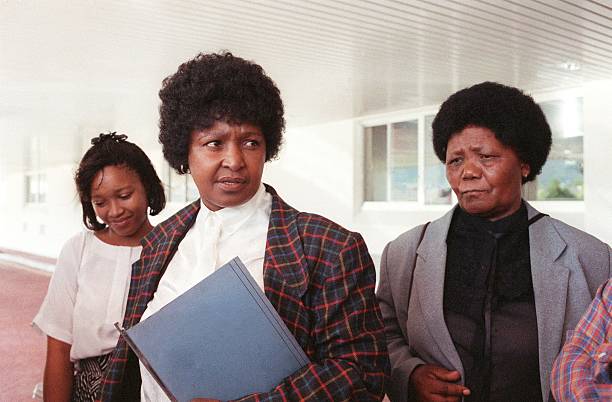
Winnie Mandela (c), with her daughter Zinzi (l) and Lieby Piliso, Nelson Mandela's sister, speak to journalists, October 1988. Credit: Rashid Lombard / AFP
Brotherly love: Bishop Ernest Sobukwe (right) with his younger brother, Robert Mangaliso Sobukwe, the founding President of the PAC, circa 1970. The first time seeing each other in almost 10 years. Credit: Drum Archive
The architect of mass action, Walter Sisulu was born on this day in 1912. Never kept a job because every time he found work, he mobilised workers to strike. He is credited for influencing the ANC's shift to a mass movement from the late 1940s onward.
📸: Popperfoto
📸: Jürgen Schadeberg
Walter Sisulu, Nelson Mandela and Harrison Motlana, standing on the stairs of the Johannesburg Supreme Court in 1952 during the Defiance Campaign. Credit: Jurgen Schadeberg, Drum Social Histories
D.D.T Jabavu, with his bride, Florence Makiwane, on their wedding in 1916. Image Source: The Ghost of Equality - The Public Lives of D.D.T Jabavu/Unisa Archives
December 1969: King Goodwill Zwelithini marries his first queen, Sibongile Dlamini. The wedding was conducted by Bishop Alpheus Zulu. Credit: Drum Social Histories
General Bantu Holomisa with Rivonia trialists Walter Sisulu and Nelson Mandela, in conversation at 8115 a few days after Mandela's release from Victor Verster prison, February 1990. Credit: 8115 A Prisoner’s Home/Alf Kumalo
Walter Sisulu passed away on this day in 2003 at the age of 90. A biography about Walter Sisulu, written by the late Professor Tom Lodge and completed by Roger Southal, was recently published.