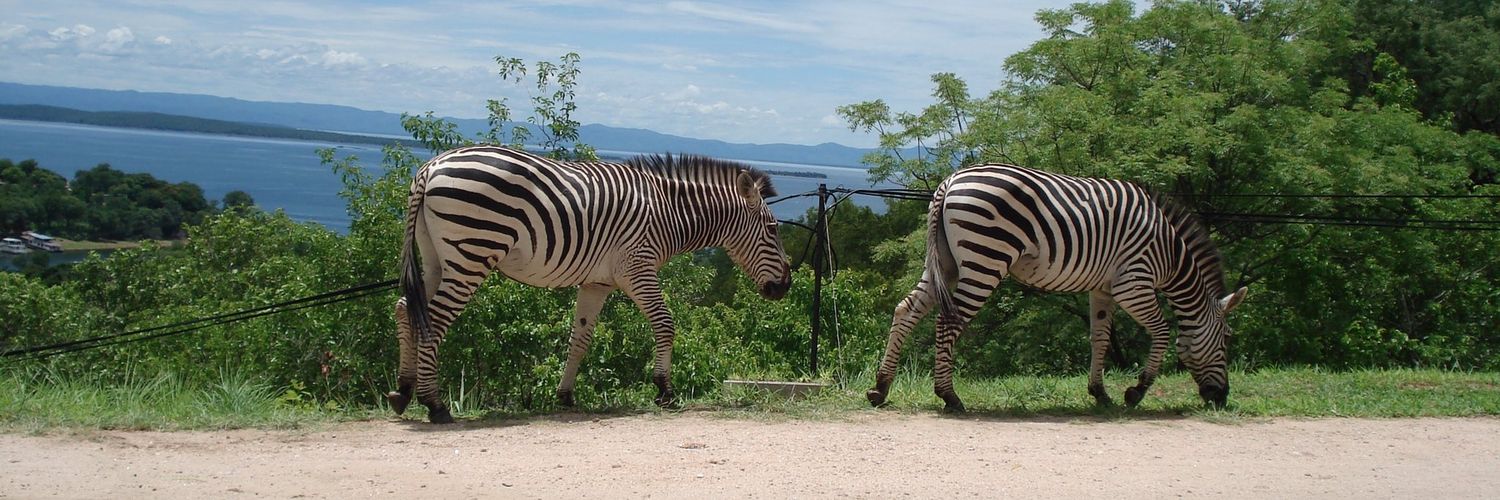
SAMAITA AND MAZVIMBAKUPA CLANS
The Samaita and Mazvimbakupa clans both belong to the Mbizi (Zebra) totem, also known as Tembo in Shona (or Dube in Ndebele). This is a core Shona totem, especially among Manyika and Ndau subgroups in eastern Zimbabwe’s Manicaland Province (e.g., Honde Valley, Mutasa area) and adjacent parts of Mozambique.
The totem symbolizes generosity, resilience, pride, unity, and balance (reflected in the zebra’s distinctive stripes). Clan members traditionally avoid harming or eating zebra meat, and the totem enforces exogamy (no marriage within the same totem group) to prevent incest and foster alliances. It functions as a key marker of identity, inheritance (patrilineal), and spiritual kinship tied to ancestral spirits (mhondoro or muzimo).
Shared Origins and Connection
Samaita and Mazvimbakupa are closely intertwined as part of the Tembo Mazvimbakupa-Samaita (or Shumba-Tembo / Lion-Zebra) group. They form sub-branches or praise names (chidawo) within the same broader clan rather than entirely separate entities.
Mazvimbakupa (also Zvimbakugova) is a praise name meaning “those who yearn to give” or “the generous/charitable ones.” In older Shona dialects (e.g., Korekore), kuzvimba implies a strong desire to share or distribute wealth/love. It originated as a descriptor for a prosperous progenitor but now serves as a clan identifier emphasizing generosity.
Samaita is another male-oriented praise name (sometimes used interchangeably or as a sub-variant). It is said to derive from one of the sons of the founding ancestor Nyamubvambire and evokes the zebra’s strength and agility.
The group’s totem praise poetry often begins with lines like “Maita Mazvimbakupa, Maita Mbizi, maita Zvimbakugova, Maita Tembo yangu...” and celebrates the zebra’s beauty, stripes, and non-aggressive yet resilient nature.
Historical Background
Their history is rooted in the Mutasa dynasty of the pre-colonial Kingdom of Manyika (eastern Zimbabwe), which traces to the broader Munhumutapa (Mutapa) Empire. Oral traditions link the lineage to migrations from the Guruuswa/Mbire area (northern/central Zimbabwe, around modern Marondera/Tsindi).
Founding figure: Nyamubvambire (also called Nyamandoto, a prominent Mutapa warrior. He was sent to the Manyika region to overthrow Chikanga (of the Barwe Dynasty, who had earlier displaced the Nyere Dynasty’s Muponda). Nyamubvambire established paramount chieftainship in the area that became known as Mutasa. He initially leaned toward a Shumba (Lion) totem but adopted Mbizi/Tembo (Zebra) alongside it—creating the distinctive Shumba-Mbizi combination—to distinguish his people from existing Shumba clans (e.g., Nehoreka in Mutoko).
Adoption of Tembo: The Mutasa royal line originated with Shumba Gwara (Lion) but took Tembo as a chidawo (appellation/sub-totem) after crossing the Zambezi River during migrations. Over time, many adopted Zebra as the primary/sole totem. Encounters with Portuguese traders brought wealth, textiles, and technologies like armor, strengthening the kingdom.
Key dynasty figures and events: The line includes Nyamubvambire → Gowera → Samaita (one of his sons) → later rulers → Tendayi Chifambausiku (who ruled circa 1870–1902 after overthrowing a predecessor and consolidating power). The dynasty is dated to around 1696 in some accounts but draws from older Mutapa-era roots. The Kingdom of Manyika maintained independence with a strong standing army (including elite Magamba fighters) and famously defeated Nguni/Gaza invaders (e.g., under Mambo Tendai Mutasa against Ngungunyana’s forces) multiple times in the 19th century. It was never fully conquered pre-colonially and played roles in regional conflicts, including against Portuguese figures like Antonio Manuel de Souza (Gouveia).
Some later migrated to Chihota or relocations due to 19th-century Nguni conflicts like those with Zwangendaba’s forces), sometimes using Dube/Mbizi variants strategically for evasion or identity.