Education is not a basic human right in the United States? Add that to not having the right to Health Care. Being exclusive with such basic needs certainly doesn’t make us great. https://t.co/g9yGwGzOMY
Stuttering affects more than 3 million Americans, yet misconceptions about it persist. These myths often lead to ridicule and unfair judgment for both children and adults. Learn and share the facts about stuttering: https://t.co/B8YoUgpdy8
"I would advise teachers not to make the same assumptions they would for children of US-born monolingual English-speaking families. They are not going to be as talkative - not b/c they know less or are less able. It is b/c that is what they've been taught" https://t.co/Y2nsQUFqhO
"Amount of adult talk, (child's) age, and normative development were the sole significant predictors; child gender, socioeconomic status, and multilingualism did not explain how often children vocalized or how much adult talk they heard." https://t.co/IEOnm2TCFJ
@WestEd I'll be a part of this free @WestEd webinar with @xigridsoto on January 30: Multilingual Preschoolers and Disability: Preparing Educators at the Intersection https://t.co/REgZxaOIHL
Thank you, @EdSource, for publishing this op ed about the importance of differentiating instruction for multilingual learners and students with learning differences (with @Rodrigu3zMojica)
https://t.co/WuBQY82vYk
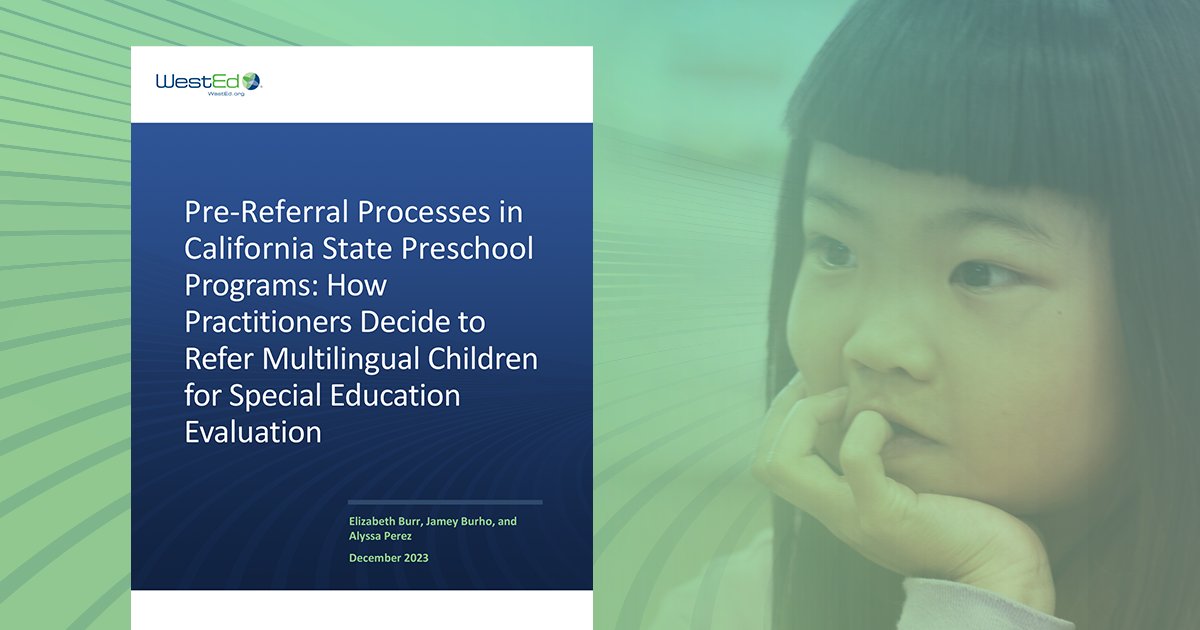
How do PreK practitioners decide to refer multilingual children for special education evaluations? A new @WestEd report explores current practices and makes policy recommendations for improvement: https://t.co/D5jXyYk7OK #UniversalPreK#EarlyChildhood
This! A persisting myth is that bilingual children with DLD should be placed in English-only classrooms because dual language classrooms will be “too challenging” or “confusing”. These children deserve equal access to an education that supports their home language maintenance!
Join us as we shatter the stigma surrounding #stuttering and embrace it as an integral part of our diverse human experiences. Seek out valuable resources and insights on this important day by visiting https://t.co/XcqVf3lxUx
As we share in our 2nd episode of the #NCSIPodcast on Pursuing Equity at the Intersection of Language, Culture, & Disability, #DataLiteracy starts with a clear purpose for data collection. Thought Leader @TTiptonSD shares how his team achieves this goal. https://t.co/uWKLUk0nsL
In this #NCSIPodcast Episode on Pursuing Equity at the Intersection of Language, Culture, and Disability, @TTiptonSD shares insights on reimagining education by moving beyond labels and embracing students' individual progress. https://t.co/JJTOCzKIZu
Great seeing such quality come out of our collaborative! Way to bring it all together, Jamey and Elizabeth!!! @WestEd Resourcing Supports for Young Multilingual Learners with Suspected Disabilities in California: Learning Collaborative Recommendations: https://t.co/IVR7Ru5AsE
In the words of @TonyThurmond, “the home language skills that students bring to California schools are a valuable asset in their own right as well as in developing literacy in English.”
This was a really fun piece to write (and project to do) with @AAdamsSanabria 🌎🗣📚
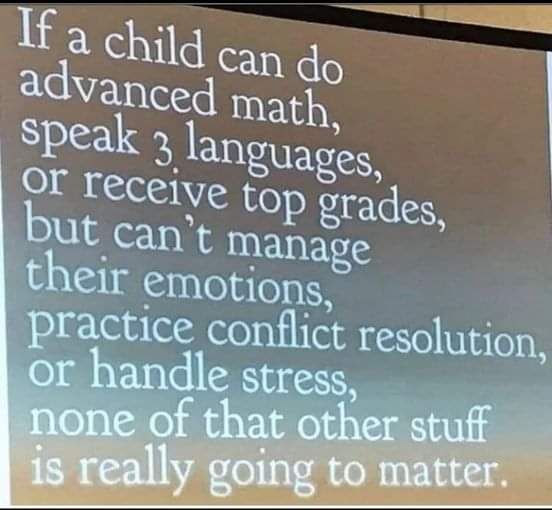
We spent more time teaching our children how to manage their emotions, resolve conflict and handle stress, then helping them with their studying, grades and their 3 languages (Japanese, Spanish, English). #basicneedscomefirst