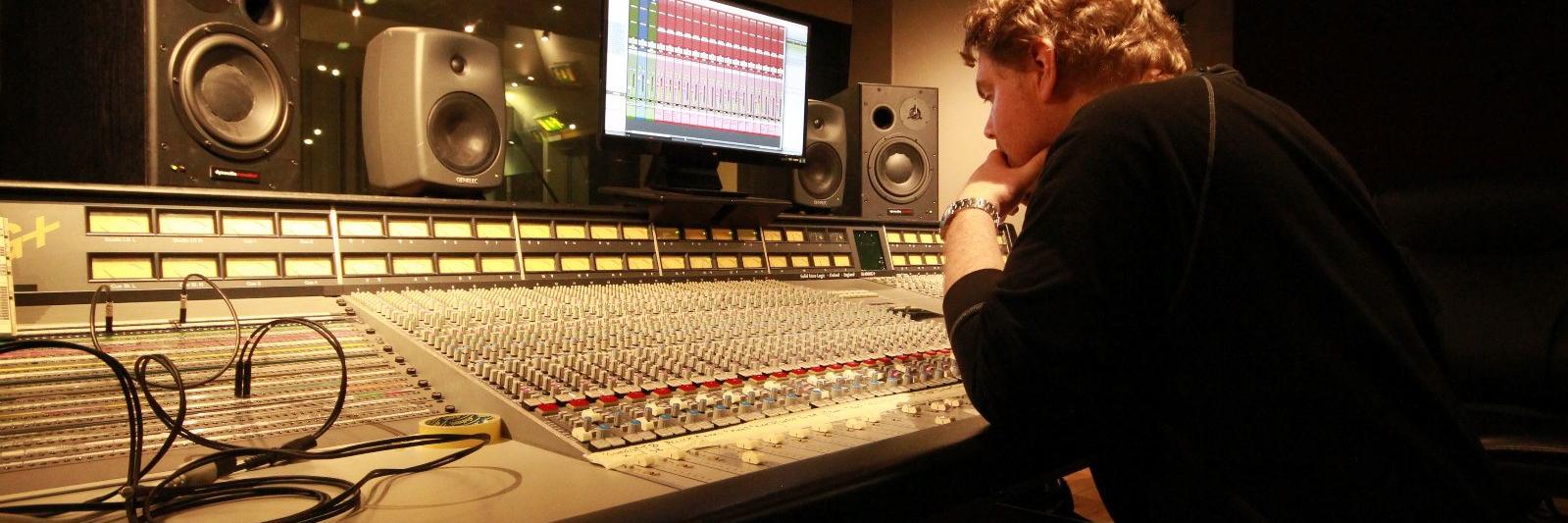
Sounds-audio-music recording and production for artists, video, podcasts, theatre etc. Pulse college Griffith college and DIT alum. Dendro/ailuro/oeno philias
Ireland's Basic Income for the Arts pilot is something we can be rightly proud of as a groundbreaking government initiative and we're only scratching the surface of its potential. Sign the petition and ensure it's retained and expanded https://t.co/S0NI05M5vW via @Change
After Mam died in 2022 we went about tidying up her finances. A lifelong squirrel with money , always hiding the small bits she had away, never one to leave a bill unpaid. She had €700 in credit with Greyhound waste , €600 in credit with electricity providers,
The relative absence of Irish women in music on the airwaves must change! If you agree please sign this petition too. https://t.co/Xrg5tddM50 via @UpliftIRL
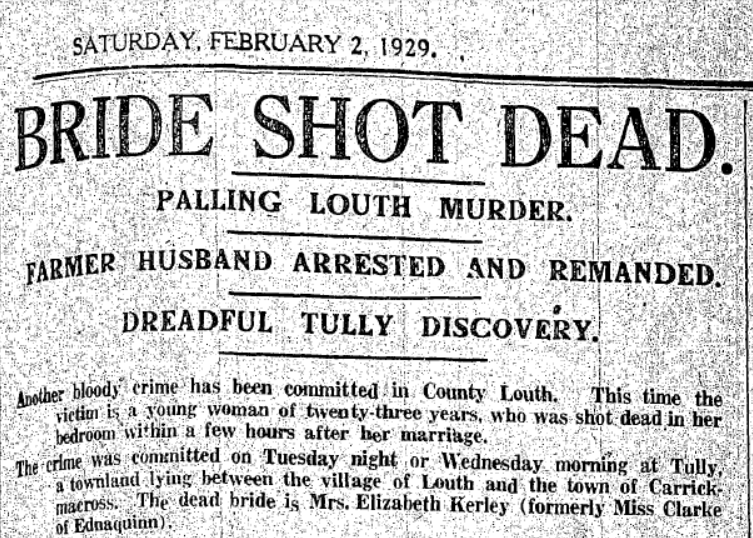
Elizabeth Clarke (23) got married to James Kerley (38) in Co. Louth on January 29th, 1929.
I looked for recent articles remembering her and couldn't find any, so figured I'll write something myself.
The story is heartbreaking and shameful.
The thread is for Elizabeth. /1
What incredible turnout it was on Saturday. Lovely to experience the premier of the Light Within with all the cast and crew. Everyone did an Incredible job, the film turned out beautifully and it was a pleasure to work on sound design alongside @TullyGr again #filmsound
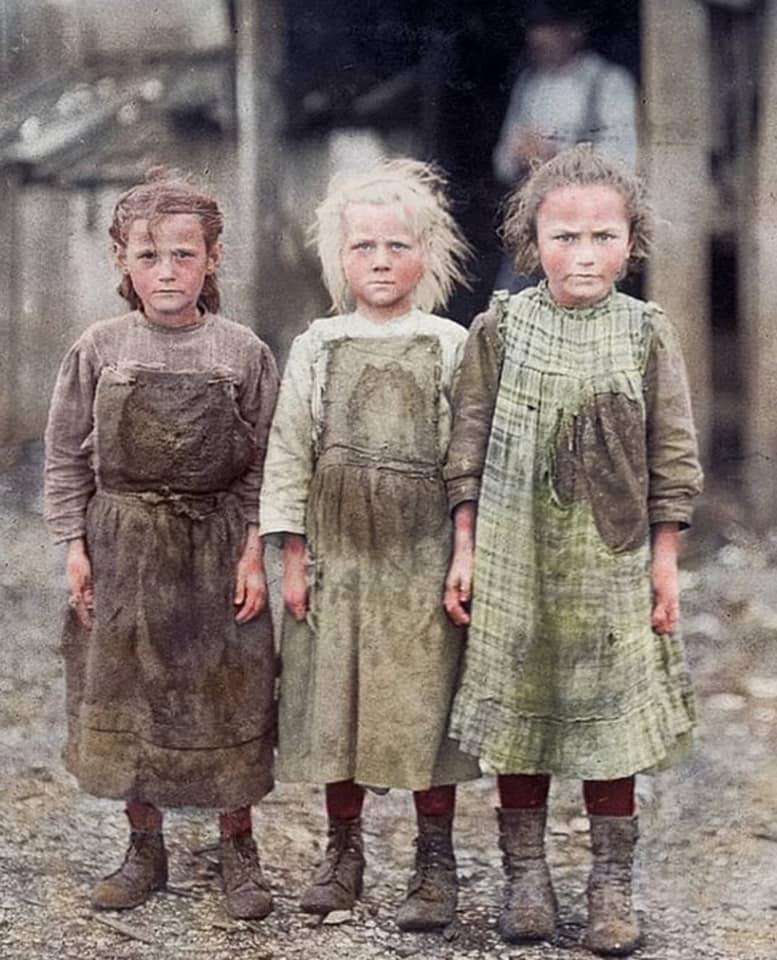
Josie (6 years old), Bertha (6 years old) and Sophie (10 years old) worked regularly at the Maggioni Canning Company.
Work began at 4 AM, and the three would make from $9 to $15 a week.
Sophie would do six pots of oyster a day, and her mother, who also worked with her, said, "She don't go to school. Works all the time."
Through such photos, Lewis Hine documented the harsh working conditions borne by thousands of children, who were sent to work soon after they could walk and were paid based on how many buckets of oysters they shucked daily.
Mr Hines wrote of one photograph: ‘All but the very smallest babies work. Begin work at 3:30am and expected to work until 5pm.’ He covered around 50,000 miles a year, photographing children from Chicago to Florida working in coal mines and factories.
These photos helped to raise an outcry against child labor and made the American public widely aware of the scope of the problem.