One data point quietly revealed something much deeper about modern society.
In India, around 𝟗𝟒% of elderly parents still live with children or relatives.
In countries like the US and UK, that number drops close to 15%.
And this is not about “good” or “bad” countries.
It’s about how differently societies evolved.
As economies grow, cities expand, careers become more competitive, and individual freedom increases…
family structures slowly change too.
Many developed countries built strong systems:
retirement homes, assisted living, independent lifestyles.
Meanwhile in countries like India, family itself still remains the primary support system.
Sometimes that creates pressure.
Sometimes sacrifice.
But it also creates closeness that data alone cannot fully measure.
Maybe progress is not only about:
higher salaries,
bigger houses,
or faster economies.
Maybe it is also about:
who still sits together at dinner,
who checks on grandparents daily,
and who stays when people grow old.
𝐍𝐨𝐭 𝐞𝐯𝐞𝐫𝐲 𝐟𝐨𝐫𝐦 𝐨𝐟 𝐠𝐫𝐨𝐰𝐭𝐡 𝐟𝐞𝐞𝐥𝐬 𝐰𝐚𝐫𝐦𝐞𝐫.
Because at the end of the day…
we are humans,
not robots optimized only for efficiency.
#india #brazil #japan #uk #china #usa
𝐌𝐚𝐧𝐲 𝐩𝐞𝐨𝐩𝐥𝐞 𝐬𝐚𝐲 𝐈𝐧𝐝𝐢𝐚𝐧 𝐜𝐨𝐦𝐩𝐚𝐧𝐢𝐞𝐬 𝐩𝐚𝐲 𝐥𝐞𝐬𝐬 𝐬𝐚𝐥𝐚𝐫𝐲 𝐭𝐨 𝐞𝐦𝐩𝐥𝐨𝐲𝐞𝐞𝐬.
Maybe that’s true in some cases.
𝐁𝐮𝐭 𝐭𝐨𝐝𝐚𝐲, 𝐈 𝐰𝐚𝐧𝐭 𝐭𝐨 𝐬𝐡𝐨𝐰 𝐲𝐨𝐮 𝐚𝐧𝐨𝐭𝐡𝐞𝐫 𝐩𝐞𝐫𝐬𝐩𝐞𝐜𝐭𝐢𝐯𝐞.
Imagine this…
A large part of our population depends on affordable systems, public infrastructure, and government support.
Now think — where does that money come from?
𝐀 𝐛𝐢𝐠 𝐩𝐚𝐫𝐭 𝐨𝐟 𝐢𝐭 𝐜𝐨𝐦𝐞𝐬 𝐟𝐫𝐨𝐦 𝐜𝐨𝐦𝐩𝐚𝐧𝐢𝐞𝐬 𝐭𝐡𝐚𝐭 𝐛𝐫𝐢𝐧𝐠 𝐦𝐨𝐧𝐞𝐲 𝐢𝐧𝐭𝐨 𝐈𝐧𝐝𝐢𝐚 𝐟𝐫𝐨𝐦 𝐚𝐛𝐫𝐨𝐚𝐝.
IT services, exports, manufacturing, energy —
many Indian companies earn globally and bring that revenue back into the country.
And then…
They employ lakhs of people.
They create stability at scale.
They pay massive taxes.
𝐓𝐡𝐚𝐭 𝐭𝐚𝐱 𝐦𝐨𝐧𝐞𝐲 𝐟𝐮𝐧𝐝𝐬:
• Roads and infrastructure
• Railways and digital systems
• Education and healthcare
• Welfare programs for millions
So yes, salary discussions are important.
But that’s only one part of a much larger system.
𝐌𝐚𝐲𝐛𝐞 𝐭𝐡𝐞 𝐫𝐞𝐚𝐥 𝐪𝐮𝐞𝐬𝐭𝐢𝐨𝐧 𝐢𝐬:
𝐀𝐫𝐞 𝐰𝐞 𝐥𝐨𝐨𝐤𝐢𝐧𝐠 𝐚𝐭 𝐭𝐡𝐞 𝐟𝐮𝐥𝐥 𝐩𝐢𝐜𝐭𝐮𝐫𝐞?
Because beyond salaries…
there’s a deeper layer of impact that often goes unnoticed.
𝐁𝐨𝐭𝐡 𝐩𝐞𝐫𝐬𝐩𝐞𝐜𝐭𝐢𝐯𝐞𝐬 𝐜𝐚𝐧 𝐞𝐱𝐢𝐬𝐭 𝐭𝐨𝐠𝐞𝐭𝐡𝐞𝐫.
And understanding that balance changes how we see the system.
🚨 𝗡𝗼 𝗼𝗻𝗲 𝗶𝘀 𝘁𝗮𝗹𝗸𝗶𝗻𝗴 𝗮𝗯𝗼𝘂𝘁 𝘁𝗵𝗶𝘀 𝗚𝗼𝗼𝗴𝗹𝗲 𝘀𝗵𝗶𝗳𝘁…
While everyone is distracted by AI tools,
𝗚𝗼𝗼𝗴𝗹𝗲 𝗶𝘀 𝗾𝘂𝗶𝗲𝘁𝗹𝘆 𝗿𝗲𝘄𝗿𝗶𝘁𝗶𝗻𝗴 𝗶𝘁𝘀 𝗴𝗹𝗼𝗯𝗮𝗹 𝘁𝗮𝗹𝗲𝗻𝘁 𝗺𝗮𝗽.
Here’s what stands out 👇
• 🇺🇸 USA still dominates with 115,000+ employees
• 🇮🇳 India is already the #2 hub with 14,000+
• 🇨🇭 Switzerland has almost equal SDE to total ratio (!!)
• 🇮🇪 🇬🇧 Europe hubs are steady, but not exploding
But the real signal is this:
👉 𝗚𝗼𝗼𝗴𝗹𝗲 𝗶𝘀 𝗯𝘂𝗶𝗹𝗱𝗶𝗻𝗴 𝟮𝟬,𝟬𝟬𝟬+ 𝗰𝗮𝗽𝗮𝗰𝗶𝘁𝘆 𝗶𝗻 𝗜𝗻𝗱𝗶𝗮 𝗳𝗼𝗿 𝗔𝗜-𝗹𝗲𝗱 𝘁𝗮𝗹𝗲𝗻𝘁
This is not hiring.
This is infrastructure-level commitment.
Think deeper:
→ AI talent is becoming geography-dependent
→ Cost + skill density is shifting the center
→ India is moving from "support hub" → "core innovation hub"
If this continues,
𝗜𝗻𝗱𝗶𝗮 𝗺𝗶𝗴𝗵𝘁 𝗯𝗲𝗰𝗼𝗺𝗲 𝘁𝗵𝗲 𝗔𝗜 𝗯𝗮𝗰𝗸𝗯𝗼𝗻𝗲 𝗼𝗳 𝗚𝗼𝗼𝗴𝗹𝗲.
And most people will realize it… late.
What’s your take —
𝗜𝘀 𝘁𝗵𝗶𝘀 𝗮 𝘁𝗮𝗹𝗲𝗻𝘁 𝘀𝗵𝗶𝗳𝘁 𝗼𝗿 𝗮 𝘀𝘁𝗿𝗮𝘁𝗲𝗴𝗶𝗰 𝗯𝗲𝘁?
🚀 1 Million Context… Open Source… And Cheaper? This Changes Everything.
I was scrolling casually when something caught my attention — and honestly, it feels like a shift, not just an update.
DeepSeek just dropped its V4 Preview… and it’s not playing small.
Here’s what stood out to me 👇
We’re now looking at 1M context length becoming practical and cost-effective.That’s not just a number — that’s the ability to process entire documents, codebases, or conversations in one go without constant chunking hacks.
Then comes the architecture:
🔹 V4-Pro1.6T total parameters, but only ~49B active at a time→ That means smarter compute usage, not brute force
🔹 V4-Flash284B total, ~13B active→ Built for speed + cost efficiency
This “active parameters” approach is the real story.Instead of lighting up the whole model every time, it selectively uses parts of it.
Think of it like this:Not calling the entire company into every meeting… just the experts needed.
And the bold part?They’re claiming performance close to top closed-source models — while being open.
💡 What this made me think:
We might be entering a phase where:
Open models are no longer “weaker alternatives”
Cost vs performance tradeoff is getting blurred
Context size becomes a competitive edge (not just benchmarks)
But here’s the real question I’m asking myself:
👉 If long context + efficient routing becomes standard…Do current RAG pipelines and chunking strategies even survive in the same form?
#deepseek #V4Pro1
Most people freeze here.
The interview question:
“What is CDN? Can you explain how it works?”
Here’s a simple way to explain it (and actually impress the interviewer):
---
### 🚀 𝗪𝗵𝗮𝘁 𝗶𝘀 𝗮 𝗖𝗗𝗡?
A CDN (Content Delivery Network) is a network of servers placed across different locations that helps deliver content to users faster.
👉 Instead of sending data from one central server, it serves from the nearest location to the user.
---
### 🇮🇳 𝗦𝗶𝗺𝗽𝗹𝗲 𝗜𝗻𝗱𝗶𝗮𝗻 𝗘𝘅𝗮𝗺𝗽𝗹𝗲 (𝗝𝗶𝗼 / 𝗔𝗶𝗿𝘁𝗲𝗹)
Think about how Jio or Airtel internet works 📶
- Big data centers = main server
- Local telecom towers / edge nodes = CDN servers
- Your phone = user
If your data comes from a faraway data center → slow ❌
If it comes from a nearby tower/cache → fast ✅
👉 CDN works exactly like this — serving content from the nearest point.
---
### ⚡ 𝗛𝗼𝘄 𝗖𝗗𝗡 𝘄𝗼𝗿𝗸𝘀 (𝘀𝘁𝗲𝗽 𝗯𝘆 𝘀𝘁𝗲𝗽)
1. You open a website (say IPL streaming)
2. Request goes to CDN
3. CDN checks: “Do I already have this content cached?”
- YES → serve instantly (fast ⚡)
- NO → fetch from main server, store it, then serve
Next user nearby?
👉 Gets it instantly from CDN
---
### 🧠 𝗪𝗵𝘆 𝗰𝗼𝗺𝗽𝗮𝗻𝗶𝗲𝘀 𝘂𝘀𝗲 𝗖𝗗𝗡?
- Faster loading (better user experience)
- Less load on main server
- Saves bandwidth cost 💰
- Handles millions of users (like IPL streaming)
---
### 💡 𝗢���𝗲 𝗹𝗶𝗻𝗲 𝘁𝗼 𝗶𝗺𝗽𝗿𝗲𝘀𝘀 𝗶𝗻𝘁𝗲𝗿𝘃𝗶𝗲𝘄𝗲𝗿
👉 “CDN reduces latency by serving cached content from geographically closer edge servers instead of the origin.”
---
### 🔥 𝗕𝗼𝗻𝘂𝘀 𝗶𝗻𝘀𝗶𝗴𝗵𝘁 (𝗺𝗼𝘀𝘁 𝗽𝗲𝗼𝗽𝗹𝗲 𝗺𝗶𝘀𝘀)
CDN is not just speed.
👉 It’s the reason platforms like IPL streaming can handle millions of concurrent users without crashing.
---
Next time this question comes…
You won’t just answer — you’ll stand out.
𝗬𝗼𝘂 𝗺𝗶𝗴𝗵𝘁 𝗯𝗲 𝘁𝗵𝗶𝗻𝗸𝗶𝗻𝗴 — 𝘄𝗵𝗮𝘁’𝘀 𝘁𝗵𝗲 𝗰𝗼𝗻𝗻𝗲𝗰𝘁𝗶𝗼𝗻 𝗯𝗲𝘁𝘄𝗲𝗲𝗻 𝗮 𝗰𝗮𝘁’𝘀 𝗽𝗼𝗼𝗽 𝗮𝗻𝗱 𝗔𝗚𝗜?
𝗦𝗼𝘂𝗻𝗱��� 𝘀𝘁𝘂𝗽𝗶𝗱... 𝗿𝗶𝗴𝗵𝘁?
But pause for a second.
Imagine a world where an AI has 𝗻𝗲𝘃𝗲𝗿 𝘀𝗲𝗲𝗻 how a cat poops. No data. No examples. Nothing.
Now ask it:
“𝗛𝗼𝘄 𝗱𝗼𝗲𝘀 𝗮 𝗰𝗮𝘁 𝗽𝗼𝗼𝗽?”
It might respond:
“𝗧𝗵𝗶𝘀 𝗶𝘀 𝗮 𝗾𝘂𝗲𝘀𝘁𝗶𝗼𝗻 𝘀𝗰𝗶𝗲𝗻𝘁𝗶𝘀𝘁𝘀 𝗮𝗿𝗲 𝘀𝘁𝗶𝗹𝗹 𝘁𝗿𝘆𝗶𝗻𝗴 𝘁𝗼 𝘂𝗻𝗱𝗲𝗿𝘀𝘁𝗮𝗻𝗱.”
Why?
𝗕𝗲𝗰𝗮𝘂𝘀𝗲 𝗔𝗜 𝗶𝘀 𝗯𝗼𝘂𝗻𝗱𝗲𝗱 𝗯𝘆 𝗱𝗮𝘁𝗮. 𝗡𝗼 𝗱𝗮𝘁𝗮 → 𝗻𝗼 𝗮𝗻𝘀𝘄𝗲𝗿.
Now ask a human the same question.
A human might say:
“𝗠𝗮𝘆𝗯𝗲 𝗶𝘁’𝘀 𝗮 𝗰𝗵𝗲𝗺𝗶𝗰𝗮𝗹 𝗽𝗿𝗼𝗰𝗲𝘀𝘀...”
“𝗠𝗮𝘆𝗯𝗲 𝘁𝗵𝗲𝗿𝗲’𝘀 𝘀𝗼𝗺𝗲 𝗶𝗻𝘁𝗲𝗿𝗻𝗮𝗹 𝘁𝗿𝗶𝗴𝗴𝗲𝗿...”
��𝗠𝗮𝘆𝗯𝗲 𝘀𝗼𝗺𝗲 𝗯𝗶𝗼𝗹𝗼𝗴𝗶𝗰𝗮𝗹 𝘀𝗶𝗴𝗻𝗮𝗹...”
None of these are confirmed answers.
But they are something powerful:
👉 𝗛𝘆𝗽𝗼𝘁𝗵𝗲𝘀𝗲𝘀
And this is where the real gap lies.
Humans don’t just recall data.
We 𝗶𝗺𝗮𝗴𝗶𝗻𝗲, 𝗮𝘀𝘀𝘂𝗺𝗲, 𝘀𝗽𝗲𝗰𝘂𝗹𝗮𝘁𝗲, 𝗮𝗻𝗱 𝗲𝘅𝗽𝗹𝗼𝗿𝗲 — even in uncertainty.
We don’t wait for patterns.
We try to 𝗰𝗿𝗲𝗮𝘁𝗲 them.
---
Current AI = Pattern recognition
Human intelligence = Hypothesis generation + curiosity + experimentation
---
If we want to build real AGI, the goal is not just:
“Train on more data”
How do we make it say:
“I don’t know… but here are 5 possible explanations”
How do we give it:
𝗰𝘂𝗿𝗶𝗼𝘀𝗶𝘁𝘆
𝗮𝘀𝘀𝘂𝗺𝗽𝘁𝗶𝗼𝗻-𝗺𝗮𝗸𝗶𝗻𝗴 𝗮𝗯𝗶𝗹𝗶𝘁𝘆
𝗶𝗻𝘁𝗲𝗿𝗻𝗮𝗹 𝘀𝗶𝗺𝘂𝗹𝗮𝘁𝗶𝗼𝗻
𝘁𝗵𝗲 𝗰𝗼𝘂𝗿𝗮𝗴𝗲 𝘁𝗼 𝗯𝗲 𝘄𝗿𝗼𝗻𝗴
AGI is not about better answers.
It’s about asking:
👉 *better unknown questions*
---
𝗣𝗹𝗲𝗮𝘀𝗲 𝗳𝗼𝗹𝗹𝗼𝘄 𝗮𝗻𝗱 𝗹𝗶𝗸𝗲 𝗶𝗳 𝘆𝗼𝘂 𝗿𝗲𝗮𝗹𝗹𝘆 𝗳𝗶𝗻𝗱 𝗶𝘁 𝗵𝗲𝗹𝗽𝗳𝘂𝗹𝗹..
��𝗮𝘀𝘁 𝘁𝗵𝗿𝗲𝗲 𝘆𝗲𝗮𝗿𝘀 𝘄𝗲𝗿𝗲 𝗮 𝗿𝗲𝗮𝗹 𝘂𝗽-𝗮𝗻𝗱-𝗱𝗼𝘄𝗻 𝗽𝗵𝗮𝘀𝗲 𝗳𝗼𝗿 𝗲𝘃𝗲𝗿𝘆𝗼𝗻𝗲
𝗝𝗼𝗯𝘀 𝘄𝗲𝗿𝗲 𝗱𝗶𝘀𝗿𝘂𝗽𝘁𝗲𝗱. 𝗪𝗼𝗿𝗸𝗳𝗹𝗼𝘄𝘀 𝗰𝗵𝗮𝗻𝗴𝗲𝗱 𝗼𝘃𝗲𝗿𝗻𝗶𝗴𝗵𝘁. 𝗔𝗻𝗱 𝘁𝗵𝗲 𝗙𝗢𝗠𝗢 𝘄𝗮𝘀 𝗿𝗲𝗮𝗹.
But here’s the thing:
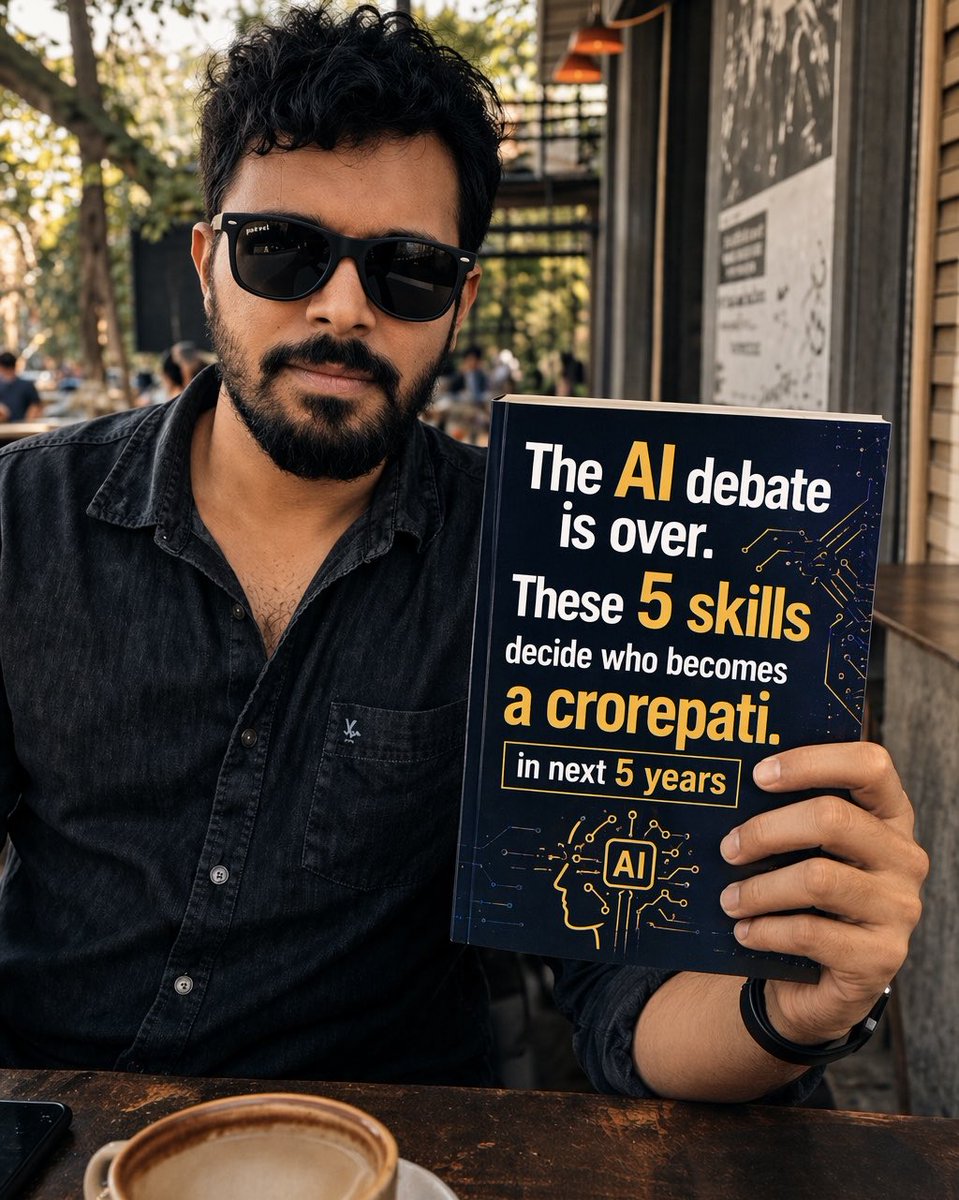
The AI debate is getting clear day by day.
It’s no longer about if AI will replace roles.
It’s about who learns the right skills to ride this wave.
In the next 5 years, these 5 skills will decide who becomes a crorepati — and who gets left behind:
𝗢𝘁𝗵𝗲𝗿 𝗷𝗼𝗯𝘀 𝘄𝗶𝗹𝗹 𝗱𝗲𝗳𝗶𝗻𝗶𝘁𝗲𝗹𝘆 𝗲𝘅𝗶𝘀𝘁 𝗯𝘂𝘁 𝘁𝗵𝗲𝘀𝗲𝘀 𝘄𝗶𝗹𝗹 𝗯𝗲 𝗺𝗼𝘀𝘁 𝗽𝗮𝘆𝗶𝗻𝗴 𝗷𝗼𝗯𝘀
𝟭. 𝗔𝗴𝗲𝗻𝘁𝗶𝗰 ��𝗜 𝗣𝗶𝗽𝗲𝗹𝗶𝗻𝗲 𝗠𝗮𝗸𝗶𝗻𝗴 & 𝗗𝗲𝗽𝗹𝗼𝘆𝗺𝗲𝗻𝘁
→ Build multi-step AI agents that plan, act, and iterate without human hand-holding.
→ Why lucrative? Companies will pay top rupee for systems that automate entire workflows — not just chat responses.
𝟮. 𝗦𝗰𝗮𝗹𝗮𝗯𝗹𝗲 𝗦𝘆𝘀𝘁𝗲𝗺𝘀 𝗔𝗿𝗰𝗵𝗶𝘁𝗲𝗰𝘁𝘂𝗿𝗲 (𝗔𝗜-𝗳𝗶��𝘀𝘁)
→ Design infrastructure that handles real-time LLM inference, caching, fallbacks, and cost control.
→ Why lucrative? Most AI projects fail at scale. The person who prevents that crash is worth their weight in gold.
𝟯. 𝗙𝗶𝗻𝗲-𝗧𝘂𝗻𝗶𝗻𝗴 & 𝗔𝗹𝗶𝗴𝗻𝗺𝗲𝗻𝘁 𝗘𝗻𝗴𝗶𝗻𝗲𝗲𝗿𝗶𝗻𝗴
→ Take base models and adapt them to specific business domains with precision.
→ Why lucrative? Generic AI is a commodity. Custom, reliable AI is a moat — and a money printer.
𝟰. 𝗘𝘃𝗮𝗹𝘂𝗮𝘁𝗶𝗼𝗻 & 𝗠𝗼𝗻𝗶𝘁𝗼𝗿𝗶𝗻𝗴 (𝗟𝗟𝗠 𝗢𝗽𝘀)
→ Build evals, track drift, and set up continuous improvement loops.
→ Why lucrative? Without evals, AI is just guesswork. Enterprises will fight for people who can prove performance.
𝟱. 𝗔𝗜 𝗣𝗿𝗼𝗱𝘂𝗰𝘁 𝗦𝘁𝗿𝗮𝘁𝗲𝗴𝘆 + 𝗖𝗵𝗮𝗻𝗴𝗲 𝗠𝗮𝗻𝗮𝗴𝗲𝗺𝗲𝗻𝘁
→ Bridge the gap between what AI can do and what teams actually adopt.
→ Why lucrative? Technical skill alone won't make you rich. The ability to drive ROI and adoption will.
---
The next 5 years won’t be about who codes the fastest.
It’ll be about who builds reliable, scalable, valuable AI systems — and knows how to deploy them where the money flows.
Which of these 5 are you already building?
Or are you still waiting for the debate to end?