@LegallyFarming@dane_berggren Nothing is important if farmers can’t make a living. Very few farmers have the goal of high yields… it’s much more about profitable production.
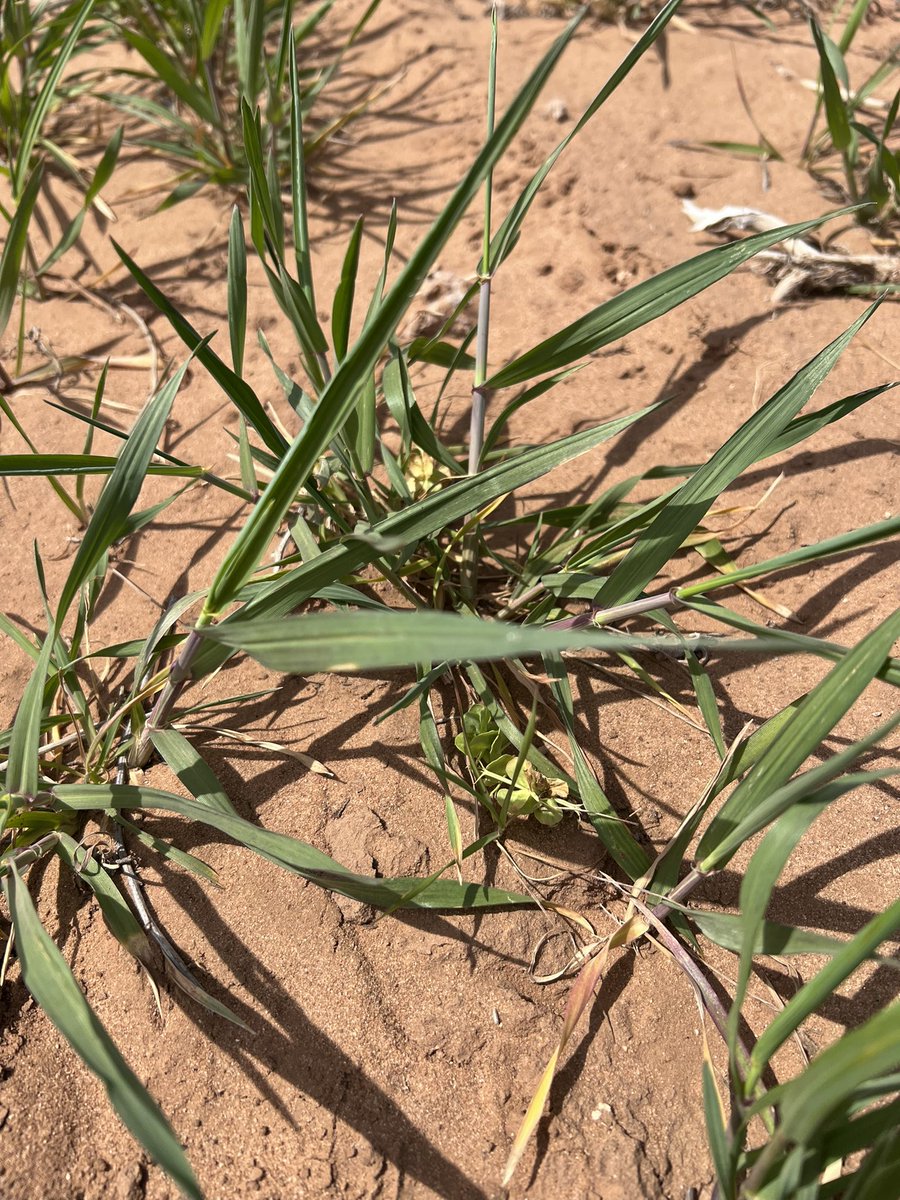
This picture demonstrates that water savings by a cover crop is not enough to offset the water usage by the cover crop prior to termination. A team of scientists are working hard to find the best regenerative cotton practices. #regencotton#NIFAimpacts
@ajackag13 This was part of a termination timing study. Termination ranged from 2 to 8 weeks prior to planting cotton. We cannot produce the amount of biomass needed to retain ground cover throughout a growing season. Also, with more biomass comes great water usage. Welcome to West Texas.
@Sk_Musfiq This was a termination timing study with termination ranging from 2 weeks to 8 weeks prior to cotton planting. The problem is the variability in rainfall since this is dryland production.
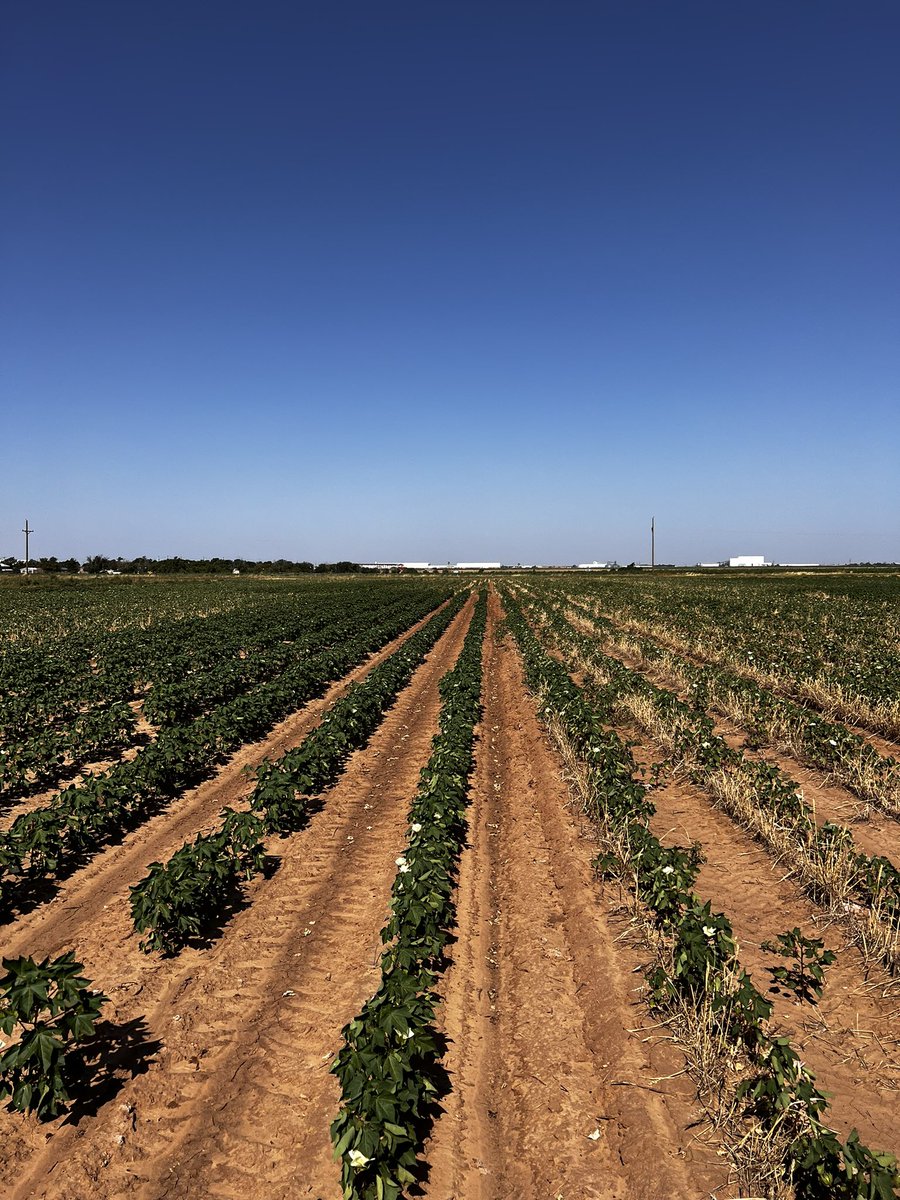
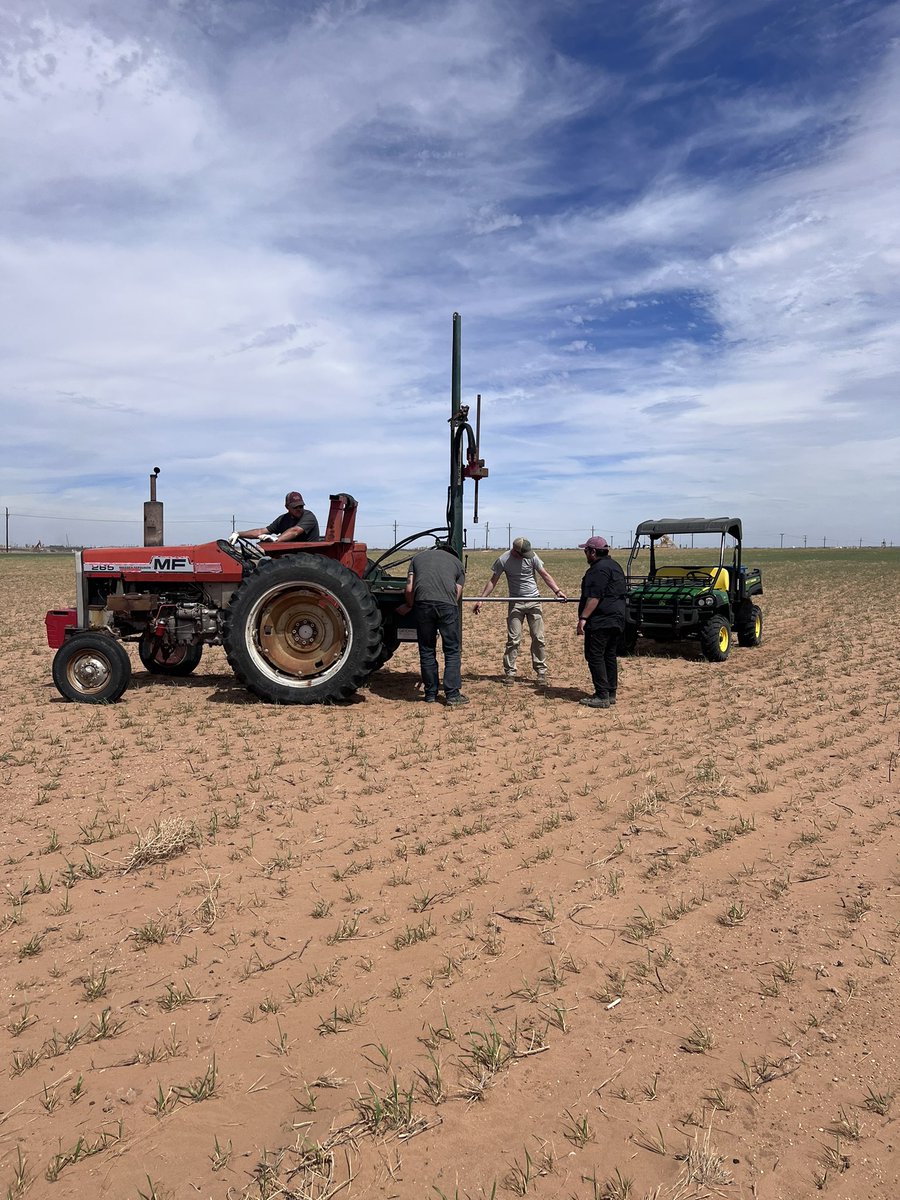
Great day soil sampling in Martin County, TX. We are working hard to determine baseline soil organic carbon levels across TX. #TexasCorn#sorghum#Cotton@OrinRomine
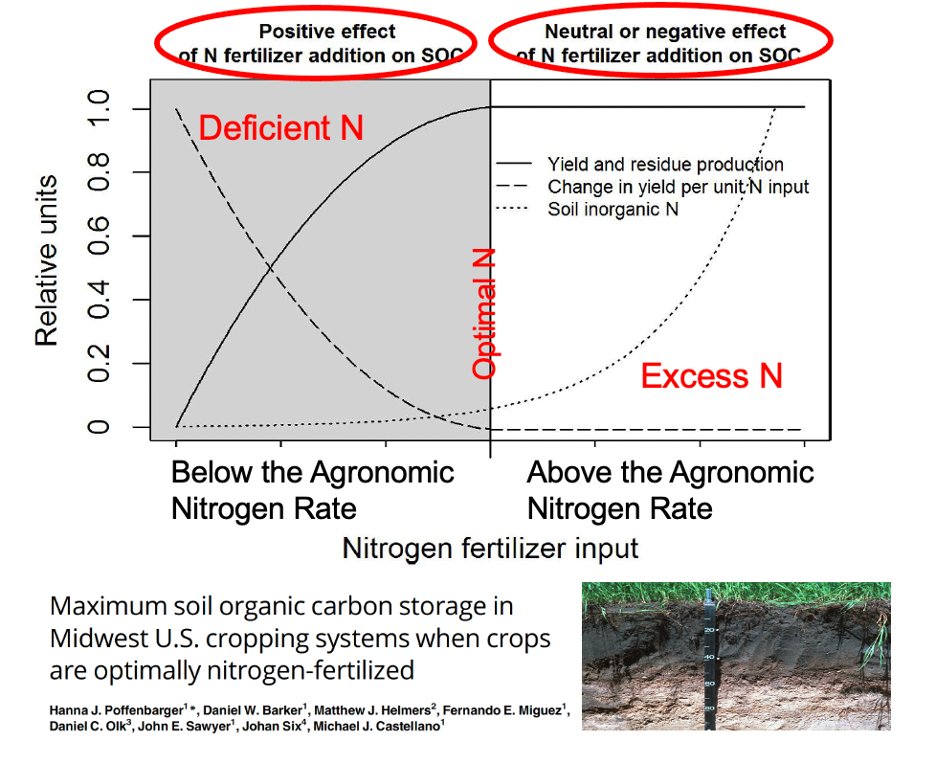
If you want to enhance #SoilHealth health and #carbon capture and storage, make sure to ensure sufficient #nitrogen in available. Optimized #nitrogen = Max #SOC.
“Right” #Nitrogen Rate is critical for building soil organic carbon (SOC)
@hpoffenb shows (~15yr study) insufficient N fertilization does NOT promote maximum SOC accumulation; excess N does not either. Max #SOC when OPTIMAL N rate used. #4R wins again.
https://t.co/3tUex9vYZy
@hofffarms@Jamestanbug The keyword is in “large quantities”. You can over apply water and have negative effects on microbes adapted to an aerobic environment. Applied according to the label using #4Rs, soil health or microorganisms will not be negatively impacted.
@Michael72540562@Jamestanbug @LSimonAGRON If managed correctly, there is no concern. Fertilizer is like any other product, it cannot be over applied and not be expected to have effects.