UBC Institute for the Oceans and Fisheries is working towards a world in which the oceans are healthy and their resources are used sustainably and equitably.
RESEARCH: Invisible Climate Allies: How Shellfish Gatherers Contribute to a Low-Carbon Blue Economy. Co-authored by @OlokoJesudide https://t.co/vXpktgWRdp #OpenAccess
I am excited to share our research: Invisible Climate Allies: How Shellfish Gatherers Contribute to a Low-Carbon Blue Economy Written By José Amorim Reis-Filho and Ayodele Oloko:
DOI: 10.5772/intechopen.1015834
https://t.co/q2G868Bh94
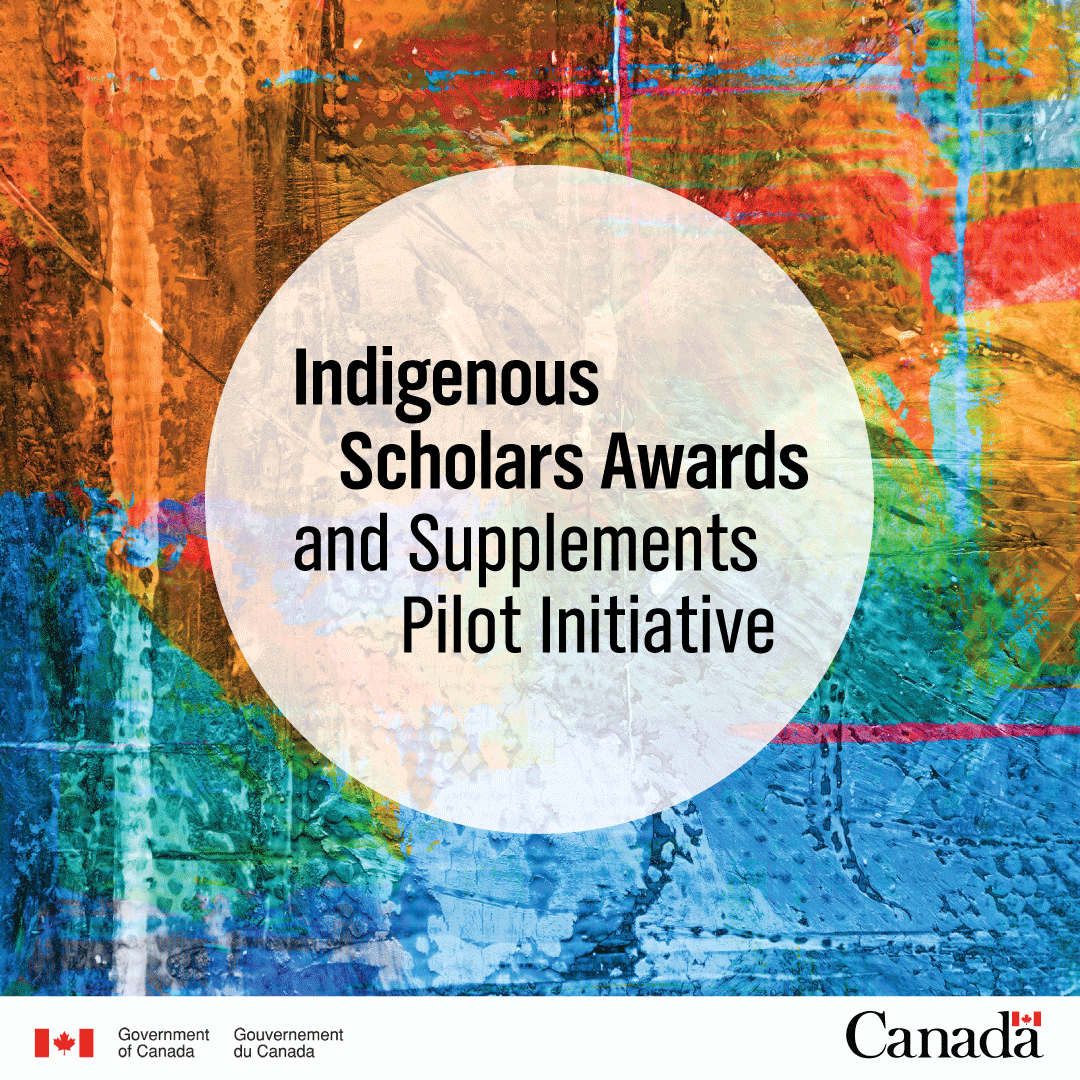
NEW: #SSHRC and @NSERC_CRSNG will be expanding eligibility for their Indigenous Scholars Awards and Supplements Pilot Initiative to doctoral students and postdoctoral researchers starting in July 2026. Learn more: https://t.co/93vfjIgd60
Daniel Pauly warns that we are rapidly approaching the end of fish due to industrial fishing methods, government subsidization of corporate fishing operations, and climate change (via @CanGeo)
https://t.co/YuvuURGOpq
The SSHRC Insight Grants competition is now open! Looking to advance your long-term research in the social sciences or humanities?
Learn more about eligibility and how to apply here:
https://t.co/IQnq7VxURC
The study examined 19 major #fishing regions worldwide and found major gaps between fisheries sustainability goals and biodiversity targets.
🐡 https://t.co/hV29mg5Rmr
#OOC11 is well underway, and #OceanPanel member countries are on the ground in Mombasa, driving commitments on ocean governance, climate action, and sustainable finance. 🌊
To see the events we are hosting and attending, visit our website 👇 https://t.co/dRcjYfS9C9
Fisheries don’t always make the list when thinking of national resilience - and that is a mistake. #Fishing might be a small part of the economy but it plays a disproportionate role in domestic security, coastal livelihoods and environmental stewardship https://t.co/9j1XMekZsN
The coastal area between Hoek van Holland and Bergen aan Zee has long been recognised as an Important Bird and Biodiversity Area (IBA). Research confirms this is an important resting and feeding ground for an impressive range of coastal and #seabirds. https://t.co/lFXA7ujbn3
Researchers spotted a new Southern Resident killer #whale calf on June 14, with the family group known as L pod. The newborn has been designated L130, and researchers have yet to confirm its maternity, said Washington-based Center for Whale Research. https://t.co/IlDZIMb5Dh
From killer #whales in Burrard Inlet, to a grey #whale hanging around Kitsilano beach, whale watchers in the Lower Mainland have not had to travel very far the last few weeks. A new UBC study has confirmed that more whales really are visiting local waters. https://t.co/MlEMIwUm4r
B.C.’s suitability for growing #seaweed is attracting attention at a time when seaweed #aquaculture is becoming recognized for its potential to yield many benefits. https://t.co/AouNDg8wdo
Cetacean experts confirm the #whale he spotted was an endangered North Pacific right whale. "They're the rarest and the most endangered whales on our planet." https://t.co/N07x8aFLJW
🌊✨ It's here! We are excited to share our 2025 Achievements report! From the Philippines to Peru, we spent 2025 turning science into real-world conservation for seahorses and their habitats! 🔗Read the report here: https://t.co/gehB8dhXys
#ProjectSeahorse
From killer whales in Burrard Inlet, to a grey whale hanging around Kitsilano beach, #whale watchers in the Lower Mainland have not had to travel very far the last few weeks. @taryn_scarff@juliaadelsheim Dr. Andrew Trites @ubcmarinemammal@UBCNews https://t.co/MlEMIwUm4r