Can cultivating the city save the world? Join for lively discussion at the #weihenstephanerforum next week. Register and debate with us ;). #urbanagriculture#Sustainability https://t.co/HnGB92IxJM
https://t.co/3bfDnV9Ycs
Saving 125 million honey bees (as National Geographic's article states @NatGeo) and building 2,500 beehives feels like a lot of misplaced efforts.
Are there other ways we can empower women and sustain their livelihoods that involve native bees? We would love your ideas below!
Emotions like fascination, joy, and anger play an important role in predicting pro (pollinator) conservation behavior. check out our paper in the SI in #insects on #CitizenScience @mfnberlin @TanjaStraka: https://t.co/3BLpgYjUUe
Koffein erhöht die Konzentrationsfähigkeit, bei Mensch und #Hummel gleichermaßen. Ein Schluck Kaffee vor dem Verlassen der eigenen Behausung. https://t.co/mOrBP0BWHb
To all #GfOe2021 @GfoeSoc participants:
Are you matching species data from different sources (e.g. traits & occurrences) etc?
Do you need to know if your taxa name is valid?
Pls attend the last talk of the whole conference given by Matthias Grenie @LeNematode ➡️Track 3 | 6:15pm
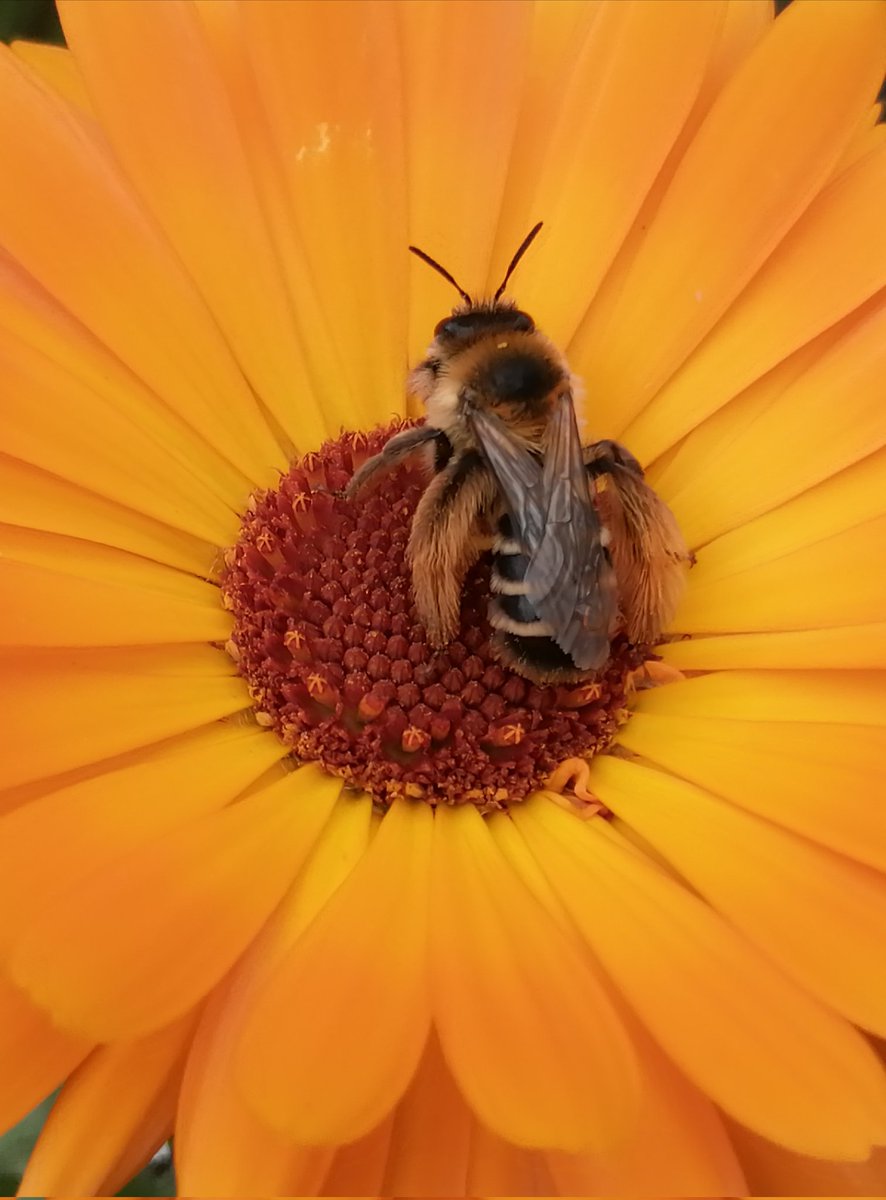
This beautiful hairy legged mining bee (Dasypoda hirtipes) #wildbee carries large amounts of pollen on her hairy hind legs, especially of yellow, composite flowers #pollination#urbangardens @mfnberlin @naturblickmfn @undekadebiodiv
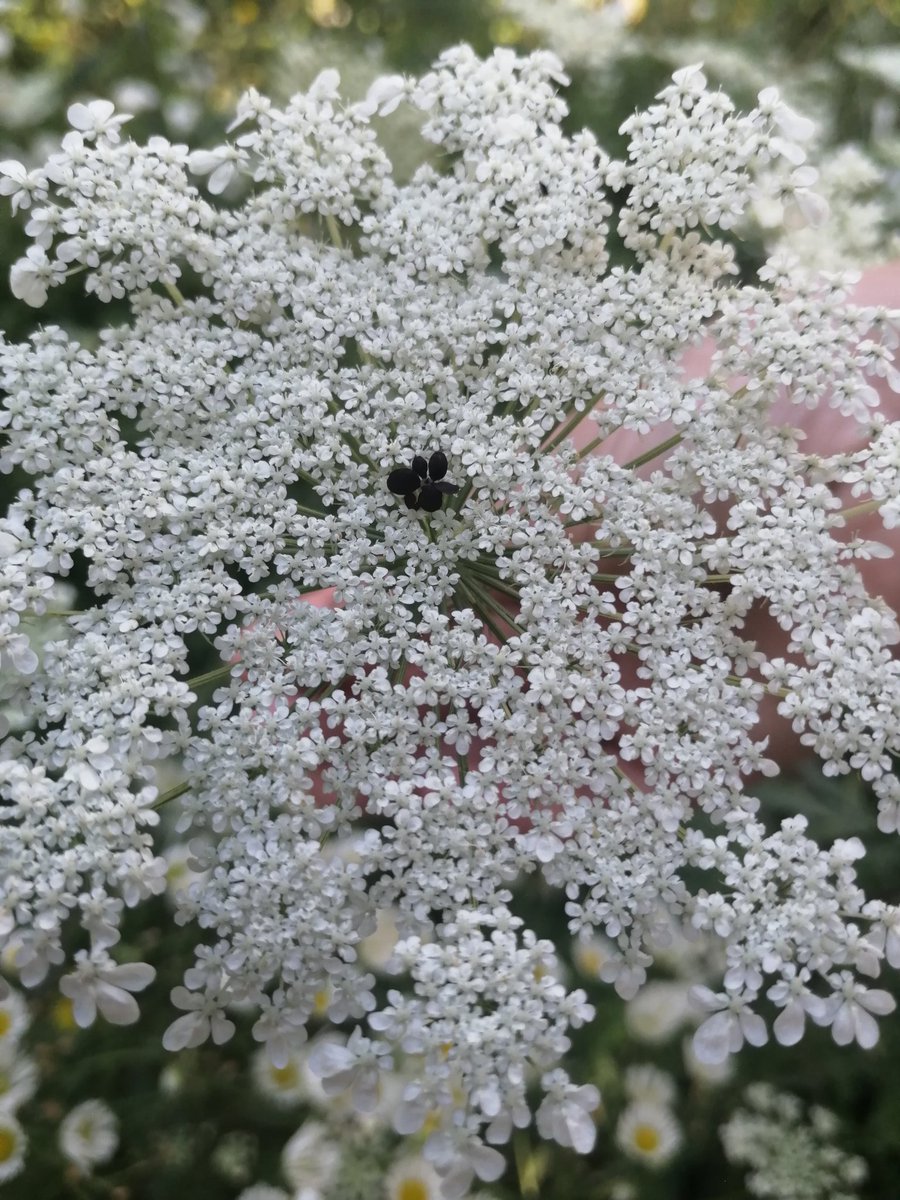
Dritte Runde Feldarbeit in Berlin. #FunFact Die wilde Möhre Daucus carota täuscht mit ihrer lila Blüte Insektenbesuch vor, dadurch werden #Bestäuber wie #Käfer, #Fliegen und #Wildbienen angelockt @mfnberlin @naturblickmfn @TU_Muenchen