The arrival figure is only the start of the story.
UK Immigration Watch follows what happens next: screening, asylum
claims and decisions, accommodation, support, returns and the public
money behind the process.
We oppose uncontrolled immigration and want clear answers from the
people making the decisions. Every claim still needs evidence. A grant
is not an appeal, a hotel contract is not an individual benefit, and a
viral accusation is not a finding of fraud.
Expect short updates, source-led explanations and scrutiny of policy,
contractors and charities where the record supports it.
Follow for the next development. Share reporting that deserves
attention. DM original documents, corrections or story leads with
their source.
I climbed Concorde’s stairs-and found the human story
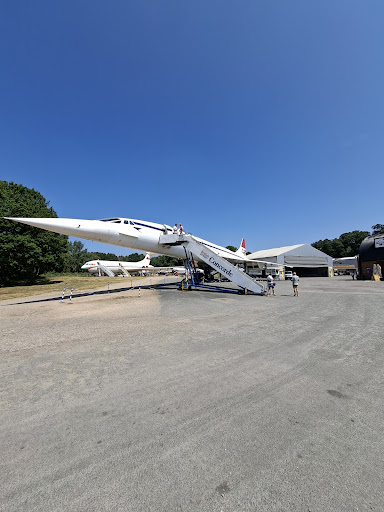
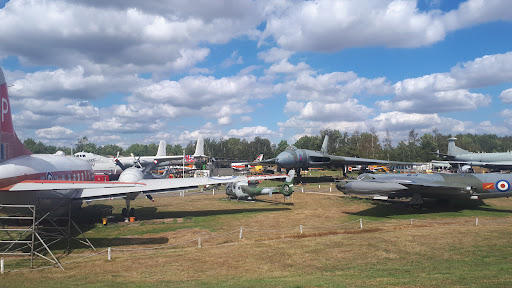
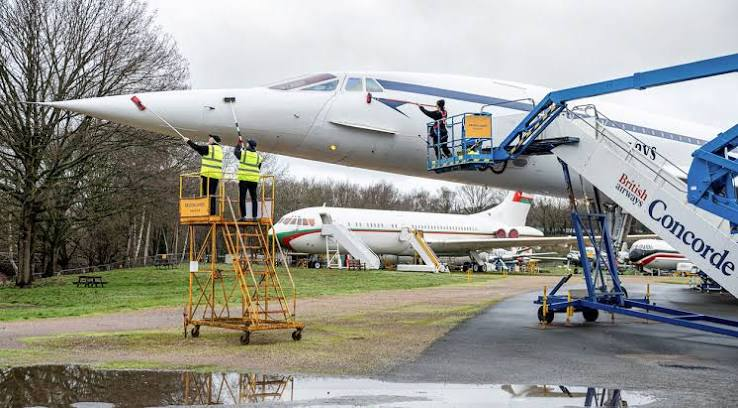
At Brooklands Museum in Weybridge, Surrey, I’ve just climbed aboard Concorde,the British passenger airliner built to fly faster than sound.
I expected its needle nose to hold my attention, but the boarding stairs and simple CONCORDE panel inside stopped me.
I sat in a real passenger seat (my instinct is always to find the window) and the snug cabin changed the scale of everything.
A slender body reduced drag at supersonic speed, but passengers felt that engineering trade-off in the narrow space around them.
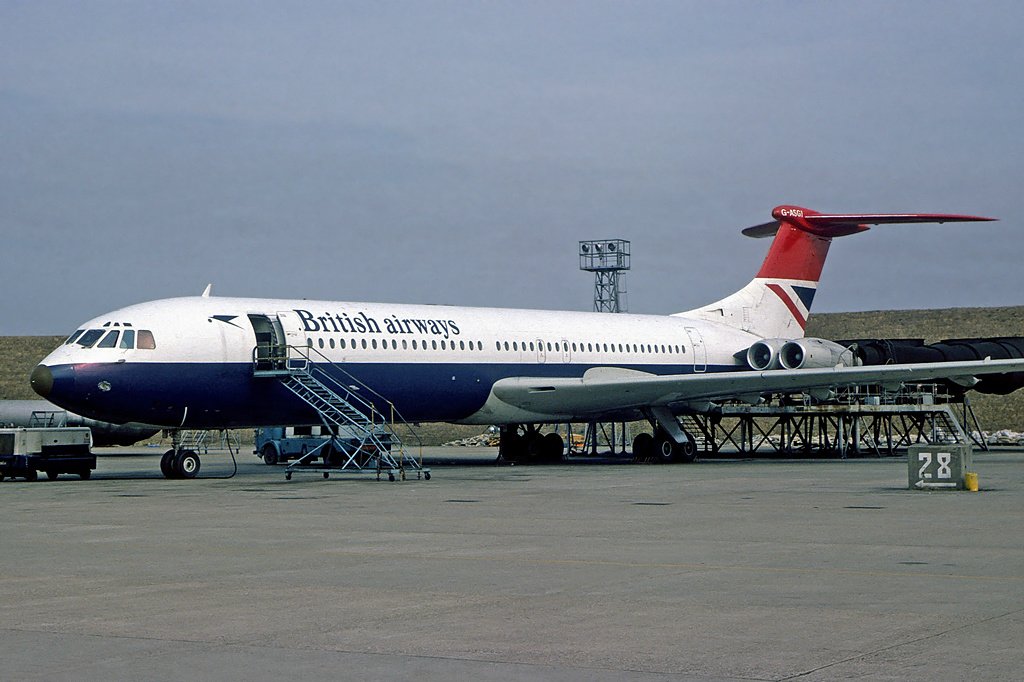
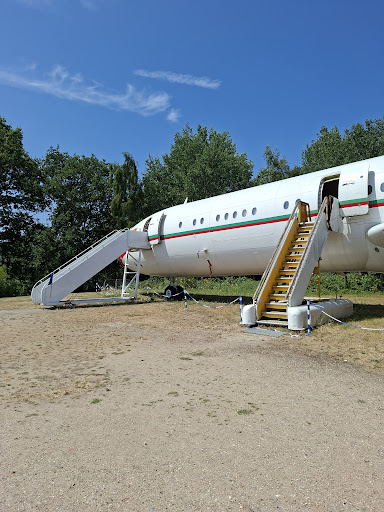
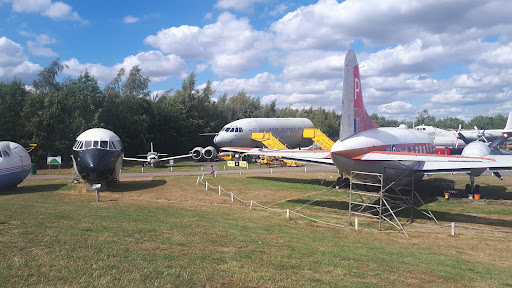
Outside, the VC10 behind Concorde made this feel like a line of old departures, not a row of exhibits.
That small shift-from spectacle to ordinary journey-is what stayed with me.
I stepped inside the last airliner fully built in Britain
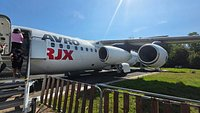
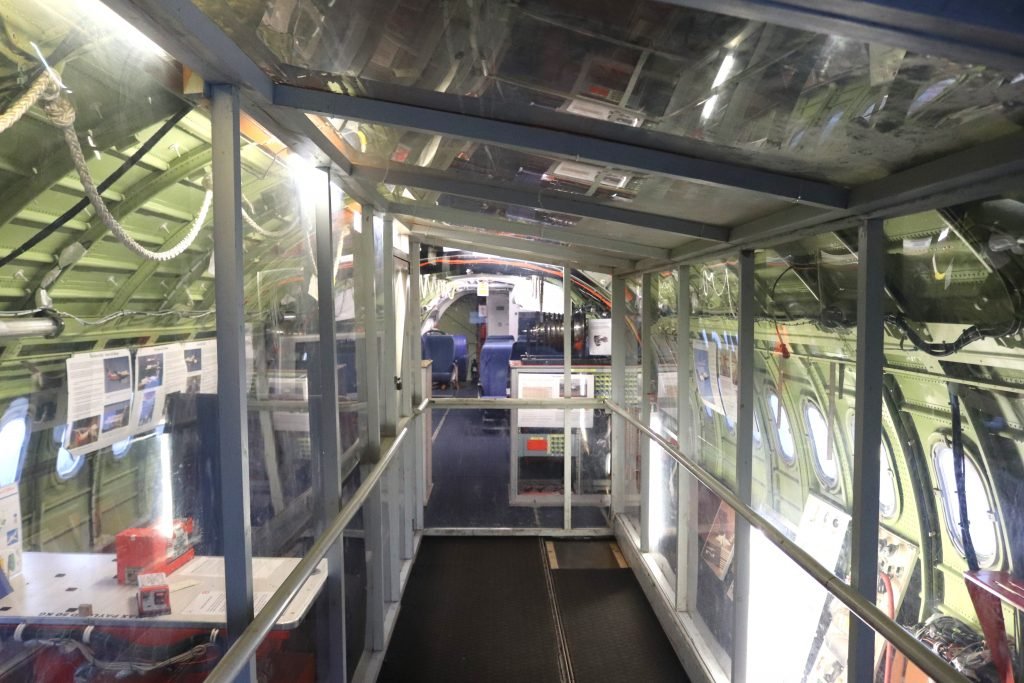
At Manchester Airport’s Runway Visitor Park in Greater Manchester, I step inside the preserved Avro RJX to see how an airliner still being developed differed from a finished cabin.
I nearly walk through the glazed passage, then turn back.
Exposed green ribs, wiring and bare windows reveal the engineering normally hidden behind a passenger cabin.
Suddenly, this regional jet feels less like a museum exhibit and more like work paused mid-sentence.
I leave thinking about the patient trial work behind every ordinary flight.
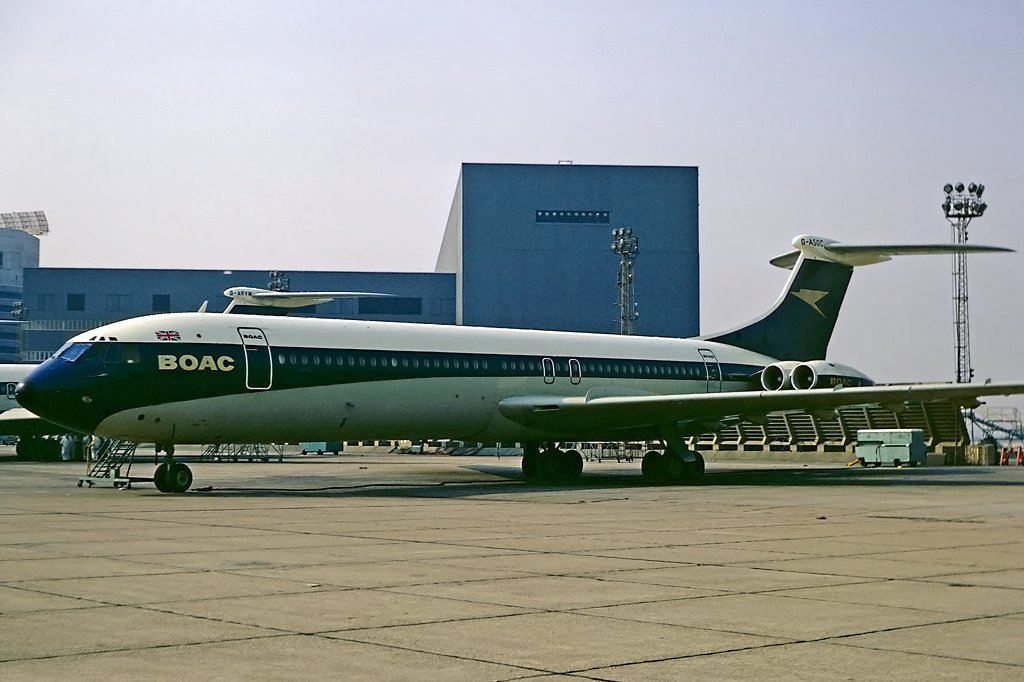
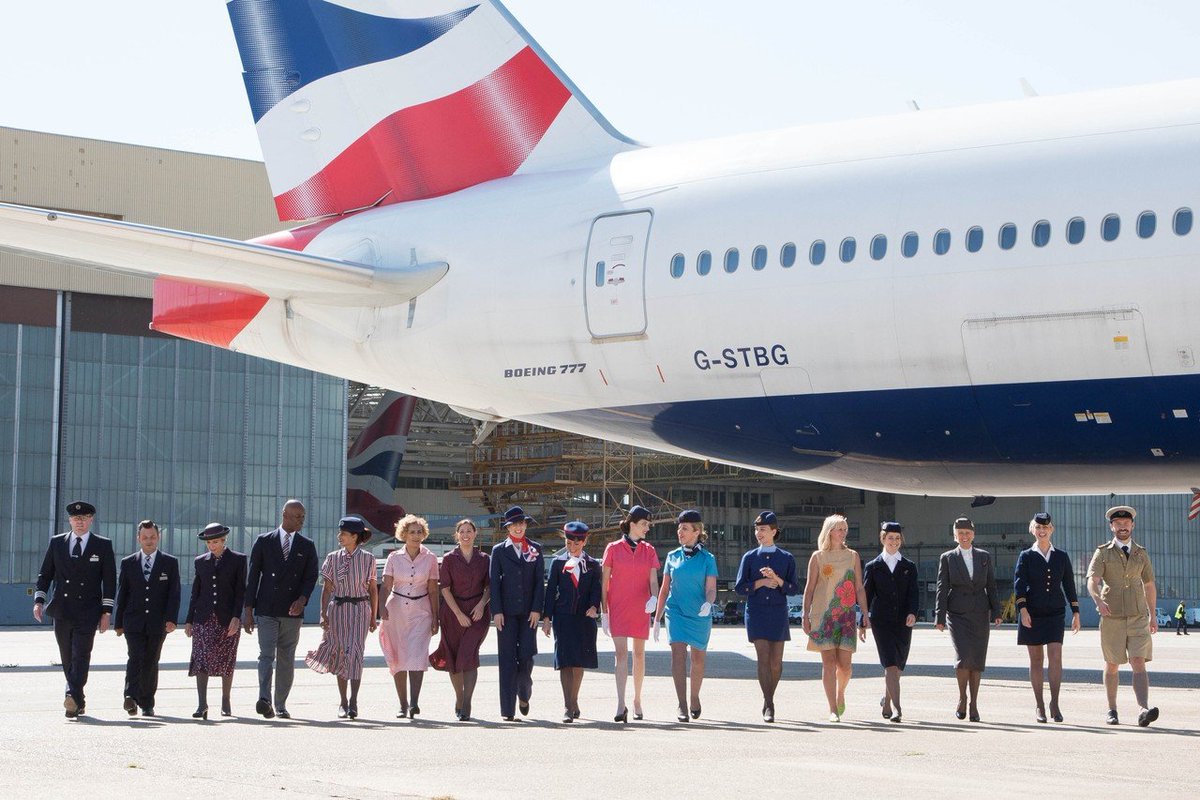
In 1974, BOAC and BEA became British Airways, and the VC10’s navy and gold gave way to red, white and blue.
Which livery would you choose: BOAC or British Airways?
A 92-year-old engineer made her dad’s VC10 years real.
At Brooklands Museum near London, my friend meets the former flight engineer aboard the jet her dad once crewed.
He explains its crowded control panel; rear engines made the cabin unusually quiet.
Precious memories, still speaking.
A volunteer shouted my two-year-old away from the aircraft.
East Midlands Aeropark near Derby keeps Vickers cockpits, yet we were turned away two hours before closing.
Another volunteer let us in; nothing was open, and my son left upset.
Wishing you a kinder day.
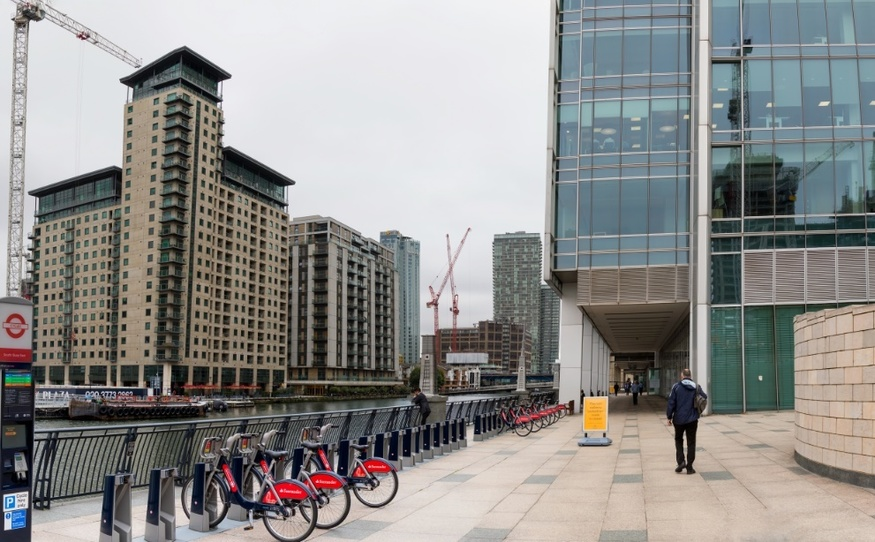
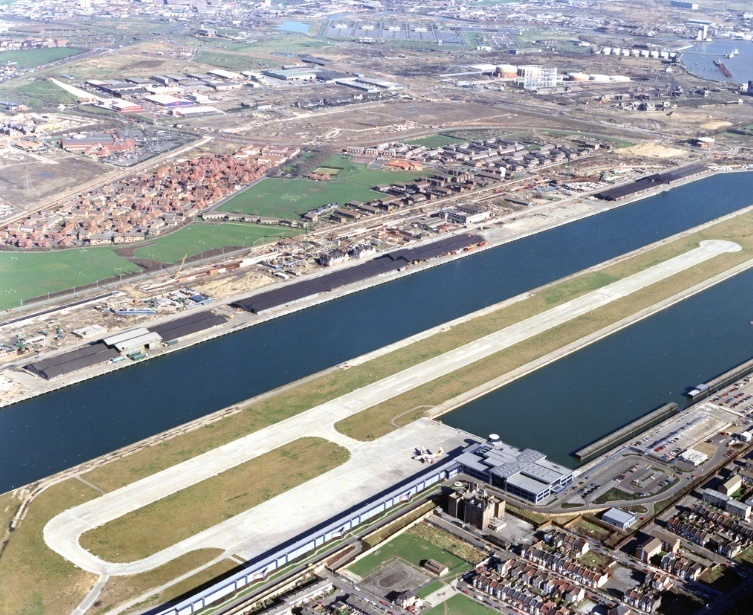
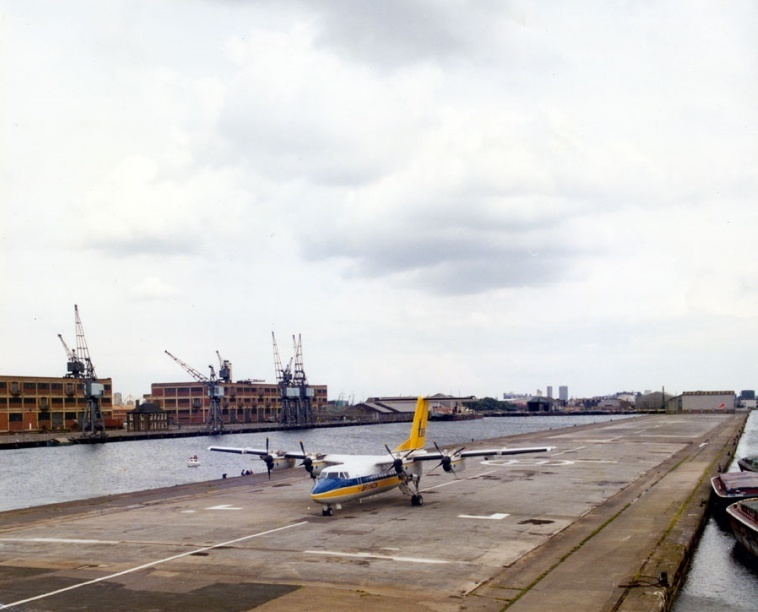
A Dash 7 landed on east London’s closed docks
On 27 June 1982,pilot Harry Gee landed Brymon’s Dash 7, an airliner built for short runways, at Heron Quays to prove a Docklands airport could work.
The plaque remains; London City Airport opened downstream in 1987.
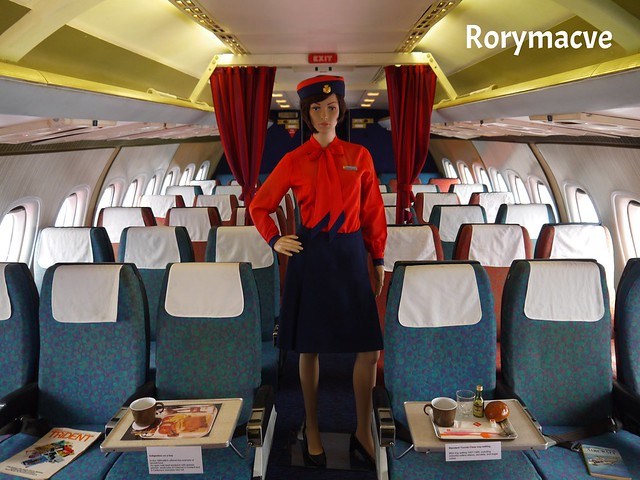
A plastic bread roll made this Trident feel alive
At IWM Duxford near Cambridge, I step aboard Hawker Siddeley Trident 2E G-AVFB, the three-engined BEA jet that carried short-haul passengers and could land automatically through fog.
My eye goes past the cockpit to the patterned blue seats, white headrest covers and cabin crew mannequin framed by red curtains.
Then I sit beside the little meal tray, with its cup, bottle and wonderfully unconvincing plastic bread roll.
That tiny domestic detail does more than any speed figure could: for a moment, this is not an exhibit but somebody’s ordinary flight home.
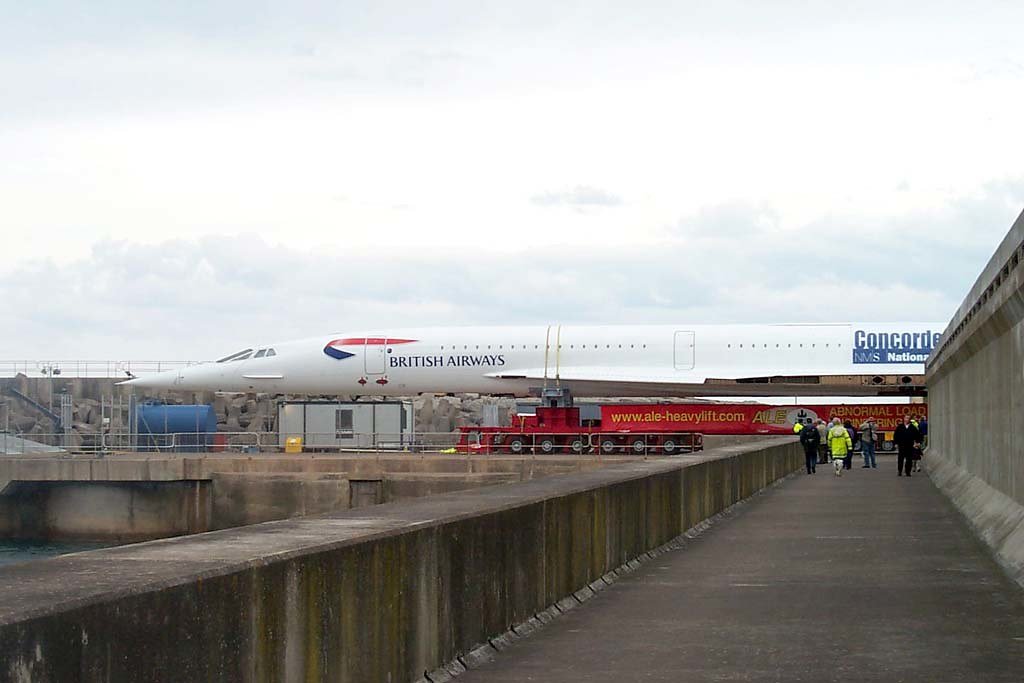
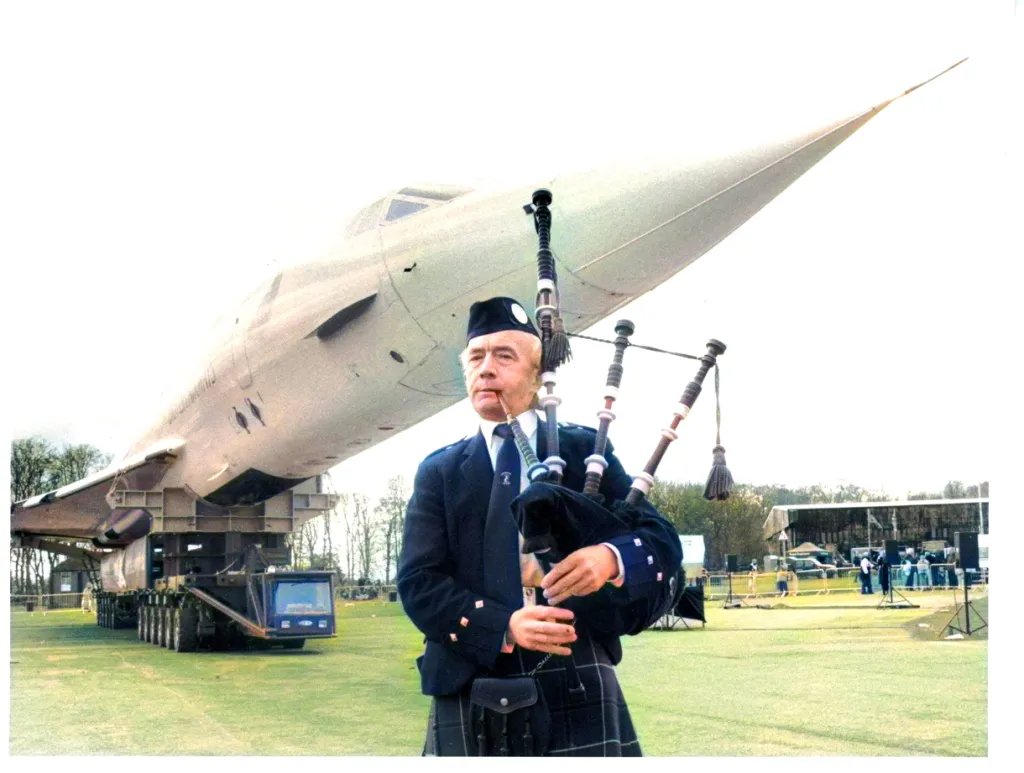
Concorde sailed-then crossed muddy farmland.
In April 2004, British Airways Concorde G-BOAA was not upgraded to fly, so specialists dismantled it for barge transport to East Fortune, near Edinburgh.
Army engineers laid 2,500 panels across farmland; without that 1.7km track, the transporter could not reach the museum.
Concorde felt surprisingly intimate once I stepped inside
At Manchester Airport’s Runway Visitor Park, I climbed aboard Concorde G-BOAC expecting the speed and engineering to dominate the visit.
Instead, it was the cabin that stopped me.
Four seats across, a narrow aisle and those small windows make the aircraft feel far more personal than its long white shape suggests.
I sat for a moment and imagined ordinary passengers settling into these seats before travelling faster than sound.
Suddenly Concorde felt less like a record-breaking machine and more like somebody’s extraordinary journey.
Four seats made Britain’s first jet age feel strangely domestic
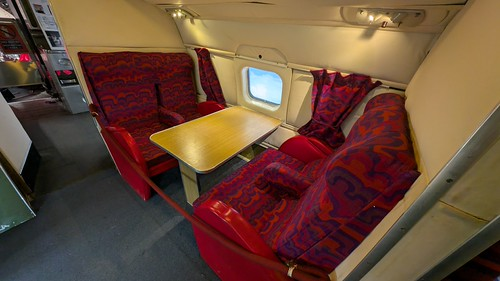
I’ve just stepped inside the Comet 1A at the de Havilland Aircraft Museum near St Albans, and its little four-seat bay around a wooden table made the world’s first jet airliner suddenly feel like a real passenger journey rather than an engineering exhibit.
The square window, patterned curtains and deep armchairs stopped me longer than the cockpit did.
Pressurisation was part of the leap that let the Comet cruise high above much of the weather, yet the detail I’ll remember is wonderfully ordinary: four people sitting together, sharing that table and watching the world through one small window.
I went in looking at the aircraft and came out thinking about its passengers.
Concorde crossed the Atlantic in 2:52:59
On 7 February 1996, during Concorde’s commercial era, Captain Leslie Scott’s British Airways G-BOAD covered New York to London in under three hours—the fastest passenger-aircraft Atlantic crossing.
Strong tailwinds helped, but the crew also stayed at Mach 2 longer and delayed descent while remaining within operating limits.
Gatwick turned a racecourse station into an airport gateway
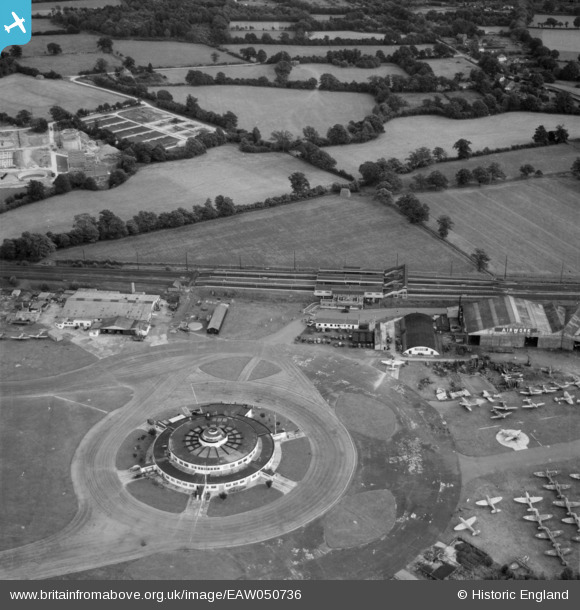
In post-war Britain, on 27 May 1958, rebuilt Gatwick Racecourse station opened integrated with the new terminal, giving passengers direct rail access.
The 1935 station closed; fragments of its platform and subway survive.
I came for Manchester’s preserved Trident and Concorde one looked forgotten.
At the Runway Visitor Park beside Manchester Airport, the Trident looked painfully weather-beaten, while Concorde sat protected indoors but unavailable without a pre-booked tour.
Seeing an airliner built to carry ordinary passengers left outside like this was genuinely depressing.
Croydon’s last-flight Heron is actually a stand-in
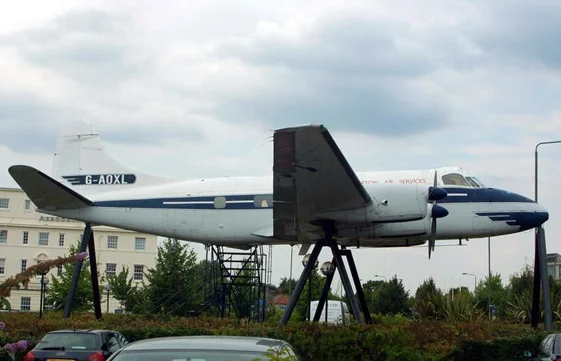
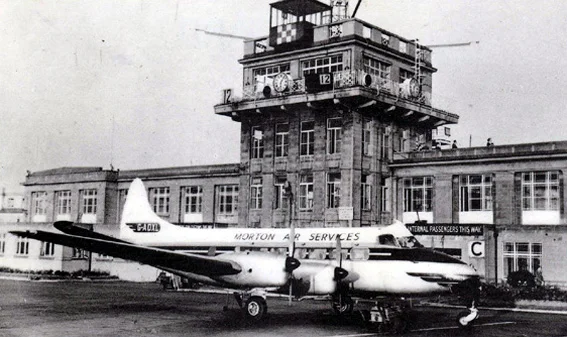
On 30 September 1959, Morton Air Services’ G-AOXL left Croydon, south London, for Rotterdam as post-war air travel shifted to airports able to handle larger airliners.
The terminal survives, but the Heron outside is G-ANUO repainted as G-AOXL.
Concorde G-BBDG came back from pieces
In 2004, the certification aircraft was cut into five sections for its road move after years supplying British Airways spares.
Over 100 Brooklands volunteers rebuilt it in Weybridge, Surrey, preserving the test aircraft that helped clear Concorde for passenger service
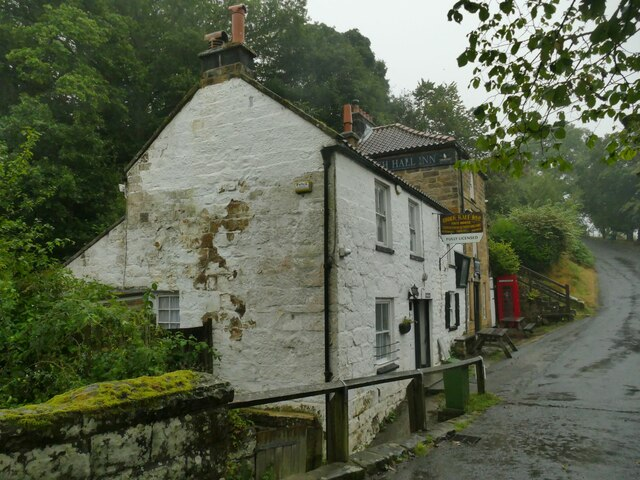
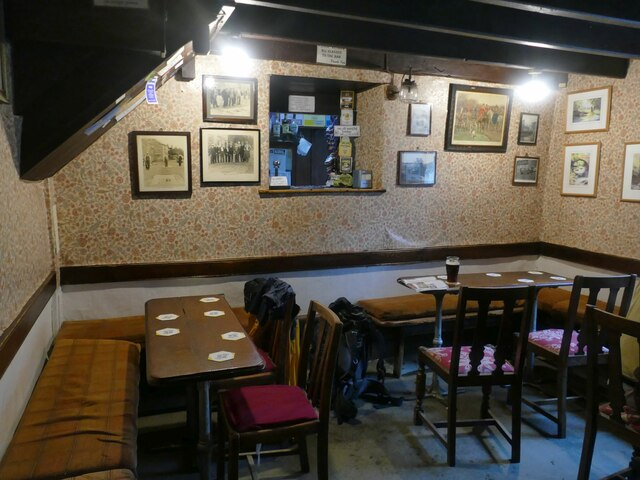
This North Yorkshire pub serves beer through a shop hatch.
I’ve just stopped at the Birch Hall Inn in Beck Hole, North Yorkshire, where the village shop serves the pub through a little hatch and even the “big bar” has only three tables.
I meant to stay for one drink, then noticed the bench, old pictures and that tiny opening in the wall (the name “big bar” is doing heroic work).
That smallness is exactly why I’d linger.
Lose places like this and we do not just lose unusual old rooms; we lose the sort of local where sitting together is still the whole point.
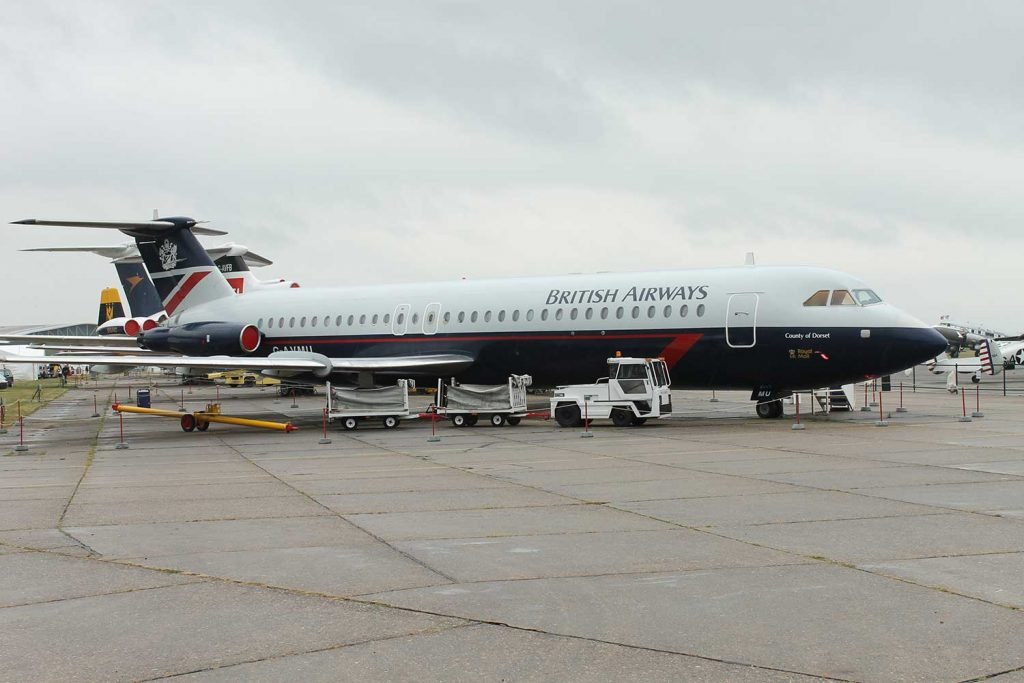
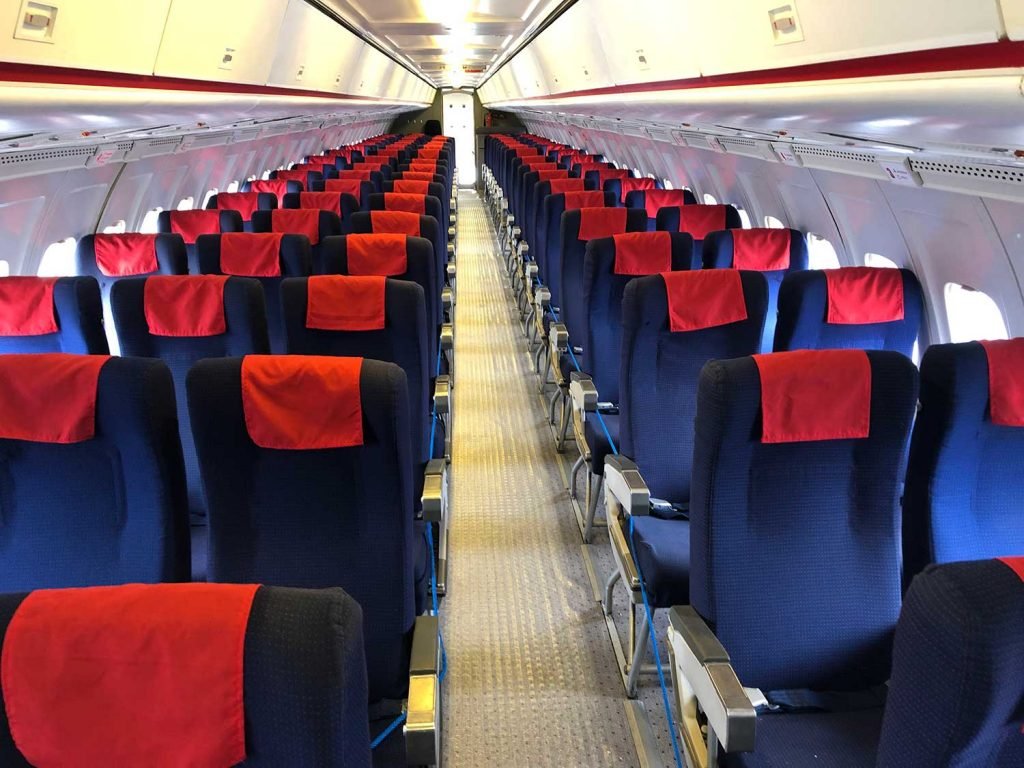
This BAC 1-11 cabin made me forget Concorde
At IWM Duxford near Cambridge, I stepped aboard British Airways BAC 1-11 G-AVMU and found the ordinary passenger world I had come to meet.
I had meant to make straight for Concorde, but the narrow aisle made me turn back for a second look.
The five-abreast cabin-two seats on one side, three on the other-explains its slim fuselage more clearly than a diagram.
Dark blue seats, bright red headrest covers and those little windows suddenly made it easy to picture the familiar shuffle of coats and bags before departure.
I left smiling because one modest cabin had made an old journey feel close enough to join.
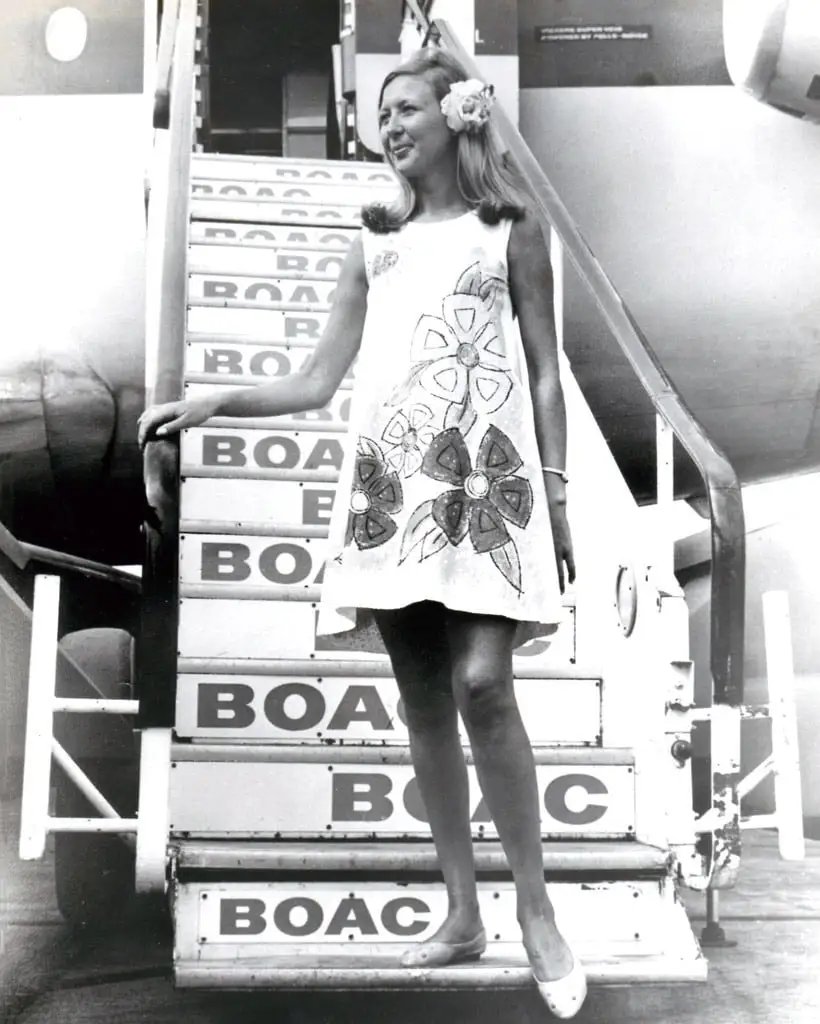
Pat Bleasdale wore BOAC’s throwaway cabin uniform
In 1967, the 27-year-old stewardess modelled a fire-resistant, paper-like dress for New York-Caribbean flights.
Crew cut each hem no higher than three inches above the knee, then binned it after one flight; the fragile experiment lasted under a year.