We are a consortium uniting key populations (KPs) and organisations to advance shared priorities, rights, health, dignity, and inclusion across Uganda.
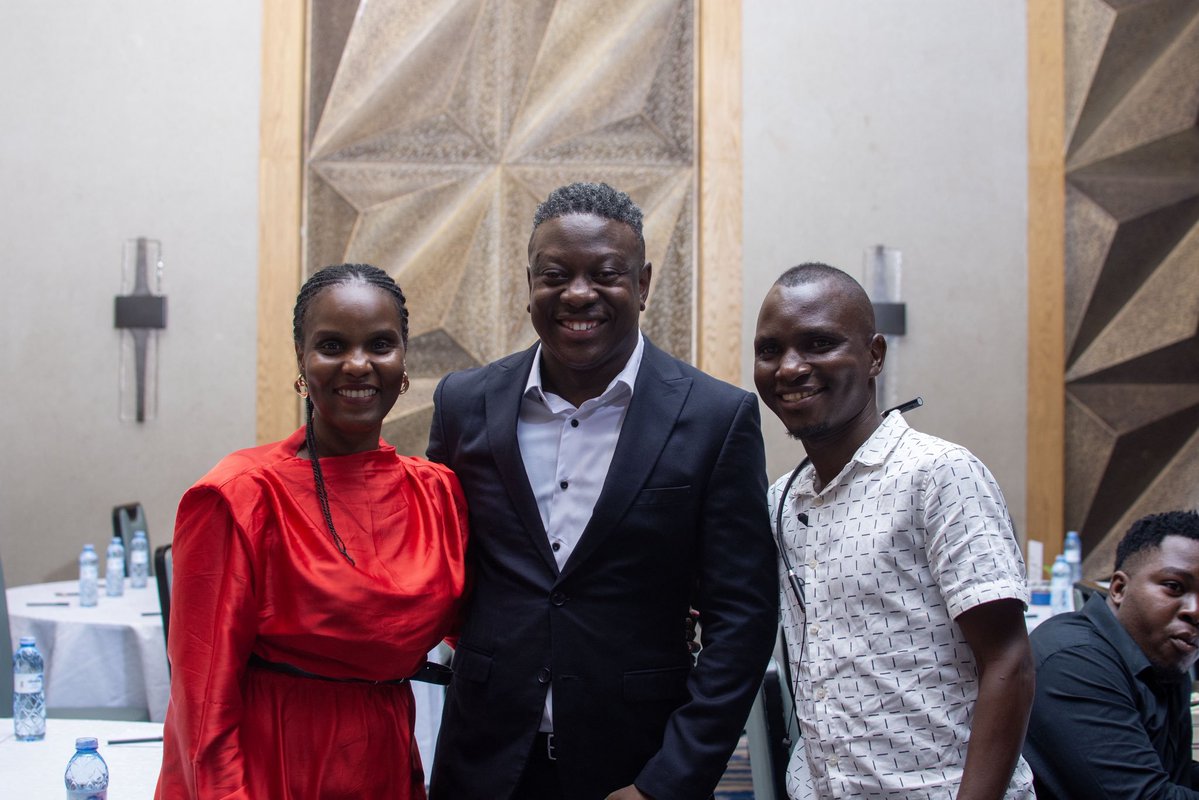
Happy Birthday to our Director General, @richardlusimbo! 🎉💜
Some people lead organisations. Others lead movements, challenge systems and remind communities that even in the most difficult circumstances, hope is worth holding on to.
Richard, your courage has never been about taking the easy road. It is reflected in the difficult conversations you refuse to avoid, the injustices you continue to confront and your determination to ensure that key populations are seen, heard, protected and never left behind.
In a country where standing up for key populations often comes at a personal cost, your leadership reminds us that advocacy is more than a profession. It is a commitment to people, their dignity, their freedoms and their right to live without fear.
We are proud to call you our Director General, but even prouder to stand alongside you in this journey.
Here’s to 40 years of life, courage, resilience and purpose. May the years ahead bring you joy, renewed strength and even greater impact.
Happy 40th Birthday, Richard! 💜🎂
#RichardXL
#BodilyAutonomy is a human right, not a privilege.
Too often, it’s questioned, controlled, or taken away, especially from key populations.
For everybody, it’s time to respect every person’s right to decide for themselves about their own body and the care they receive.
Join our National Coordinator at the Women’s rights division at Human Rights Watch webinar along side other sxe worker rights activists in Africa discussing the status of decriminalization of Sxe Work
Before protection comes knowledge. Before LEN comes testing.
Knowing your HIV status is more than a step in prevention; it’s a step towards taking control of your health. Get tested, get informed, and make your health choices count.
Behind the work of @UKPC_UG and our communities are a dedicated team and community leaders who carry enormous responsibility, often with very little recognition.
Today, I want to celebrate the people who work every day to ensure key populations can access support, organise and have a say in decisions affecting their lives.
I know this year has asked a great deal of you. Funding cuts have meant difficult choices, heavier workloads and uncertainty about the future. Through it all, you have continued to care for people and lead with conviction.
I am proud to work alongside you. Your commitment deserves recognition, resources and room to rest. Thank you for everything you give to our communities.
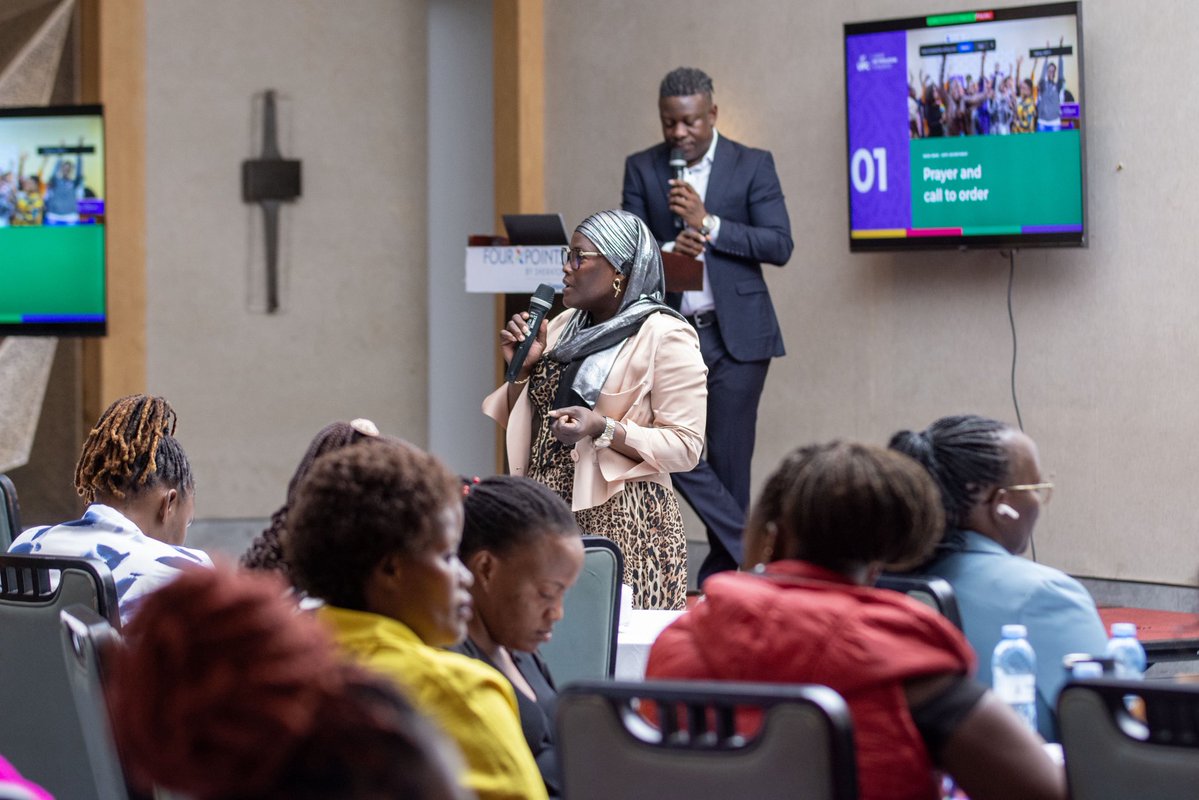
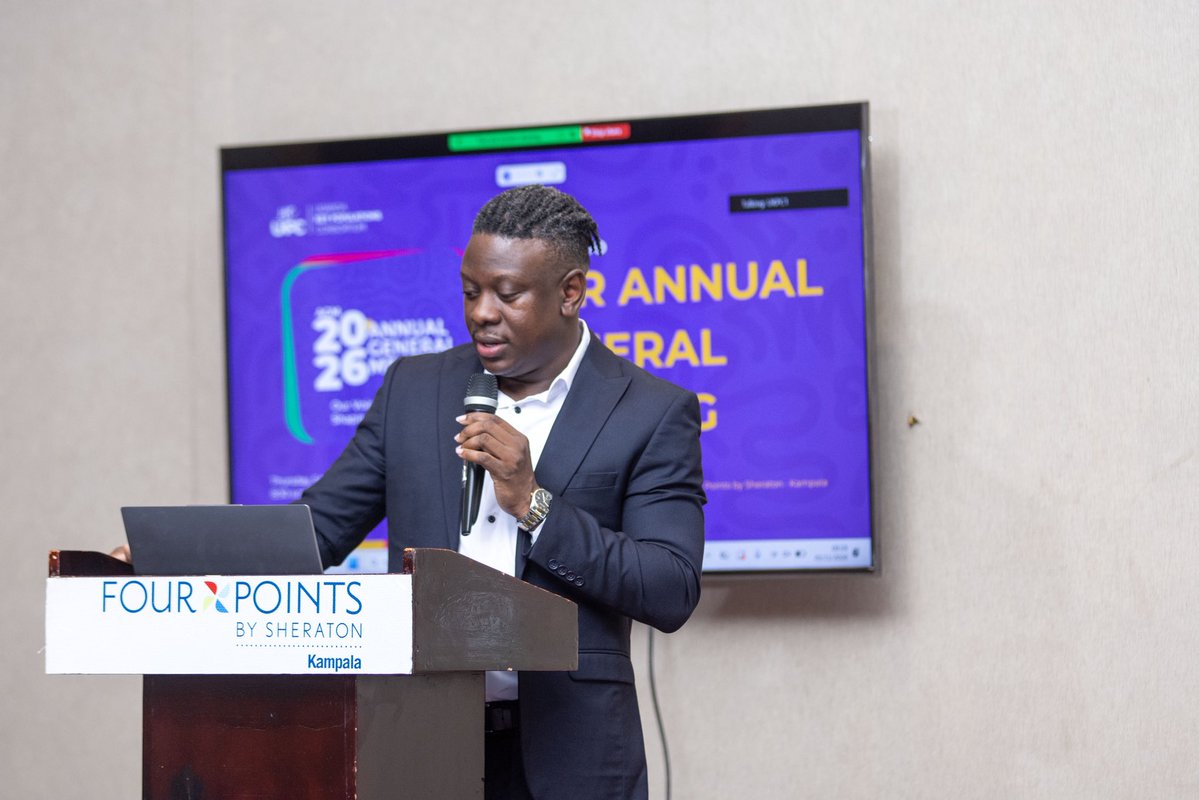
The @UKPC_UG Annual General Meeting provided an important opportunity to reflect on organisational resilience and sustainability amidst the shocking and unprecedented funding cuts affecting civil society organisations.
One of the key takeaways was the importance of strengthening community solidarity, collective action and mutual support. While funding cuts have significantly disrupted the work of many organisations, the discussions demonstrated that our communities remain strong, connected and committed to supporting one another, even in challenging times.
There was a strong emphasis on rethinking organisational sustainability beyond traditional donor funding. Organisations were encouraged to diversify their resource mobilisation strategies, explore alternative funding streams, strengthen local partnerships and invest in social and economic entrepreneurship.
Other important reflections included:
Diversification of funding sources: Moving beyond overreliance on a few traditional donors by exploring different resource mobilisation opportunities.
Economic empowerment and entrepreneurship: Investing in income-generating initiatives and social enterprises that can contribute to organisational sustainability.
Community solidarity and collective resilience: Strengthening networks, collaborations and mutual support mechanisms among community-led organisations.
Strategic prioritisation: Reassessing organisational priorities and focusing resources on interventions that create meaningful and lasting impact.
Institutional strengthening: Investing in governance, financial management, leadership and organisational systems to improve resilience.
Ultimately, the AGM reminded us that although donor funding remains an important resource, our sustainability cannot depend entirely on external funding. We must continue building resilient institutions, strengthening our communities and exploring innovative approaches that will enable our organisations and movements to survive, adapt and thrive.
Resilience is not simply about surviving funding cuts; it is about reimagining how we organise, mobilise resources, support our communities and sustain the movements we have built.
Our AGM today reminded me why I remain so proud of this community.
The funding shocks have been relentless. Yet our members came with more than accounts of what has been lost. They brought ideas, difficult questions and a determination to keep key population communities supported, connected and heard.
We reflected on access to services, safety, livelihoods and how we sustain the organisations our communities depend on. These conversations matter, especially when uncertainty can make it difficult to look beyond the next urgent need.
Our resilience lives in the people who keep showing up for one another. It deserves more than admiration. It deserves investment.
I leave today grateful for our community, proud of what we continue to build and clear about the work ahead.
We are the community!
@UKPC_UG
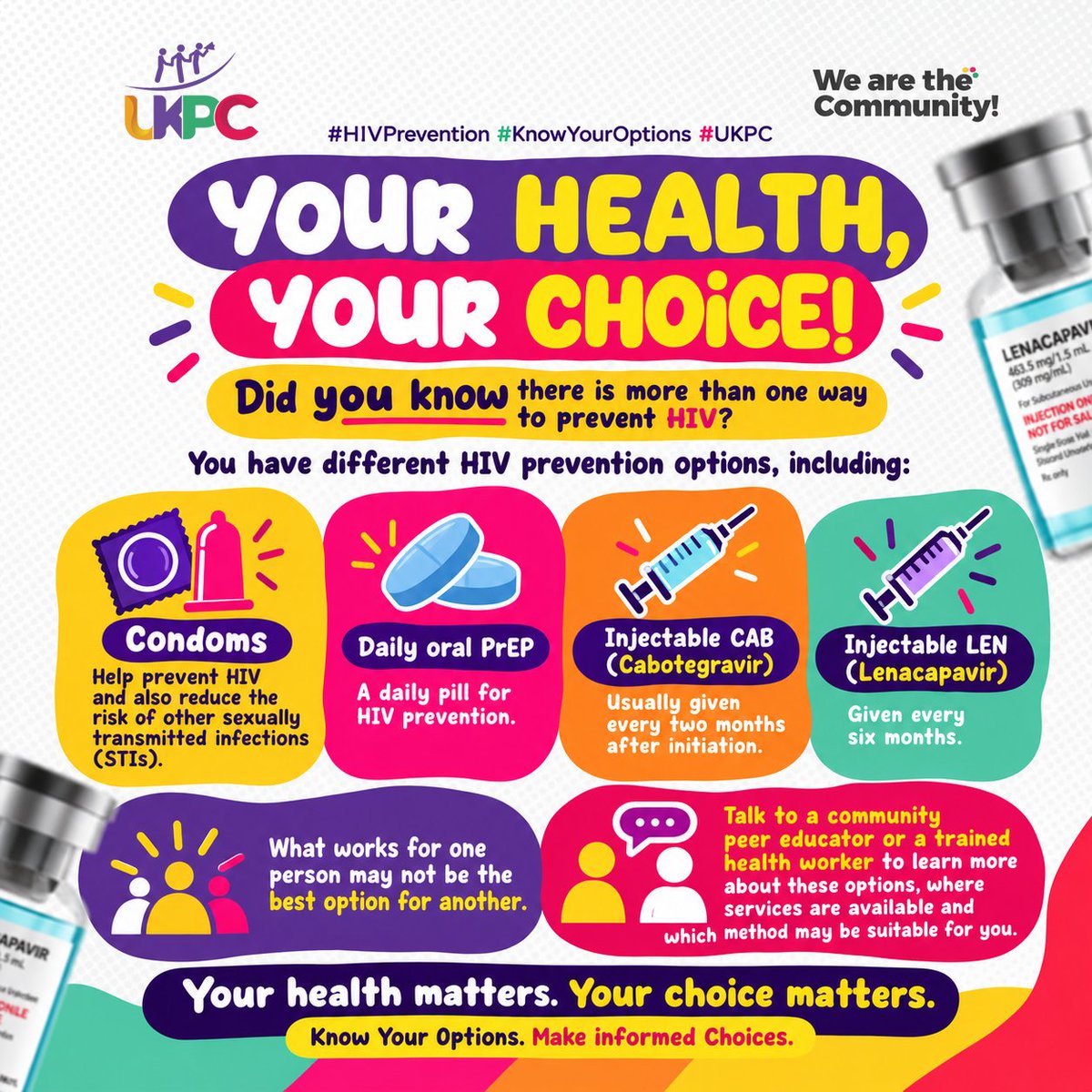
HIV prevention is not a one-size-fits-all approach.
With a range of prevention options available, making an informed choice means understanding what best suits your needs, preferences, and lifestyle. Engage a health worker, explore your options, and take charge of your health.
The choice is in our hands!
Key populations deserve a voice in the decisions that affect their lives. Their experiences, needs and perspectives must be heard and reflected wherever decisions are made.
What does it truly mean to be an ally if we remain silent when others are denied their dignity, fundamental rights and access to essential healthcare?
For key populations, stigma, discrimination and exclusion remain everyday realities. Changing this requires more than believing in equality. It demands allies who are willing to stand up, speak out and act.
Governments must protect rights. Healthcare providers must guarantee services free from discrimination. Communities and individuals must challenge stigma wherever it exists.
Being an ally is a responsibility, not just a declaration of solidarity.
The call is simple: Stand with key populations. Challenge discrimination. Defend dignity. Demand equal rights and healthcare for all.
Because equality starts with all of us.
#KeyPopulationsUG #LeaveNoOneBehind
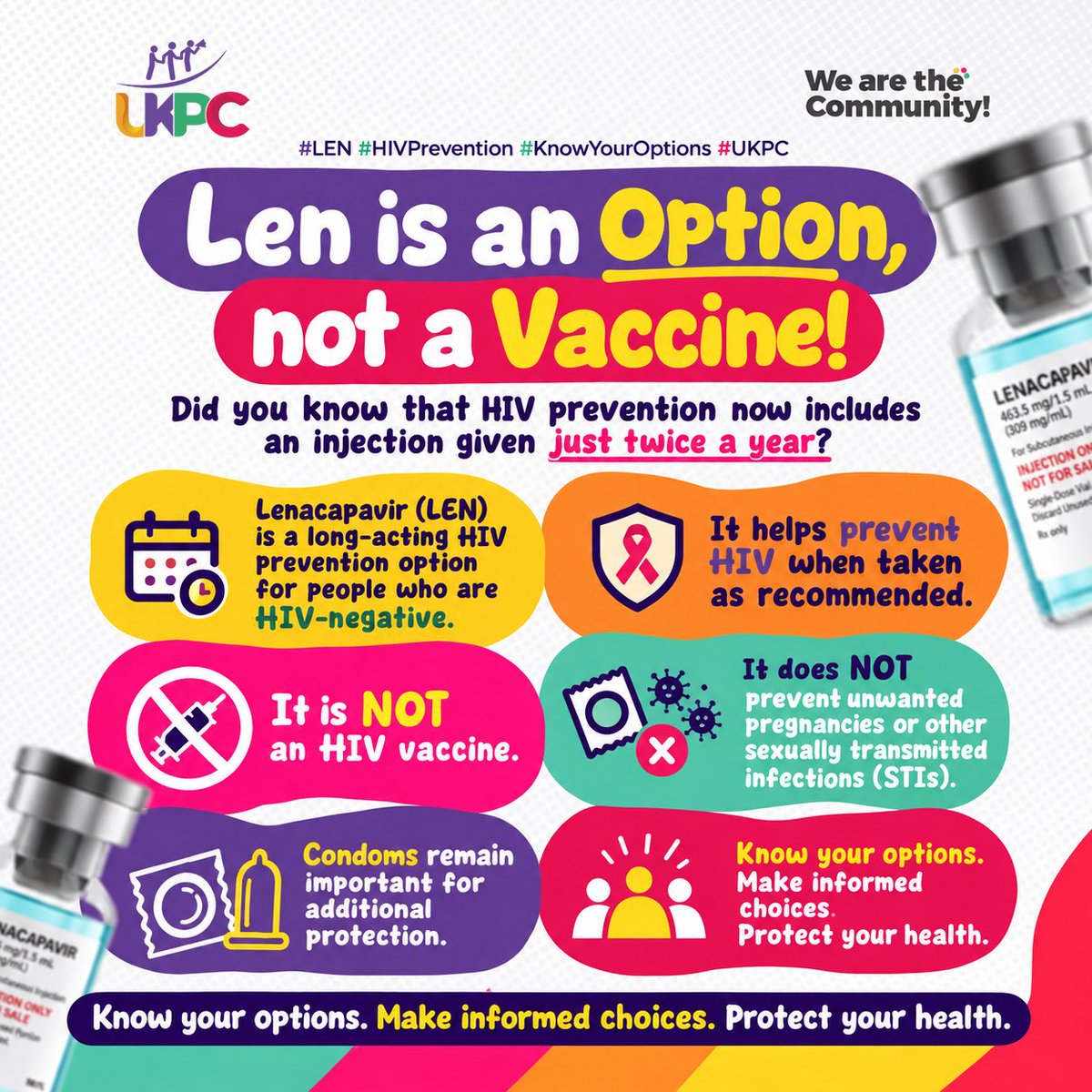
With Lenacapavir (LEN), people who are HIV-negative have another option for HIV prevention. The injection is given just twice a year, but it's important to understand what it does and doesn't protect against.
LEN does not prevent pregnancy or other STIs, so condoms remain an important part of protecting your sexual health.
A stronger @UNAIDS must deliver for countries and communities: funded community leadership, human rights and safe access to care.
My article reflects on this next chapter, and the programme countries helping sustain UNAIDS.
#UNAIDS#CommunityLeadership https://t.co/wqBy47BXG9
LEN (lenacapavir) is expanding HIV prevention options with long-acting protection. Understanding how it works, its benefits, and possible side effects empowers people to make informed choices about their sexual health.
Open doors, break barriers, embrace everyone!
Building an inclusive community means ensuring that no one is overlooked or left behind.
#KeyPopulationsUG
Community experiences should inform health decisions at every stage, from identifying problems to evaluating results. Participation means having a say in what happens next.
Health services are more responsive when community experiences inform decisions. Listening to the people who use these services helps identify gaps, address barriers, and ensure programmes reflect actual needs rather than assumptions.
Follow this thread to learn how community participation can improve health service delivery.