Which part of your coaching belongs in a group?
Not the whole offer. A part of it.
Shared learning and peer discussion may suit a group. Sensitive or highly individual work may need another setting.
A simple way to decide:
1. List the jobs your service must do before choosing the format.
2. For each job, consider privacy, individual attention, shared experience and the client's starting point.
3. Choose group, one-to-one or a defined combination.
4. Explain which parts happen where and why.
Group isn't the cheaper version. One-to-one isn't the premium version. They're different rooms for different jobs.
Use this to review the format of one offer.
A missed session is a moment to reconnect, not a verdict.
A simple recovery path:
1. People miss calls for many reasons. Find out what happened before you assign a meaning to it.
2. Check access, schedule and circumstances through the contact route you agreed with the client.
3. Offer the recovery options your service actually includes. Be clear about any rescheduling terms.
4. Help them identify the next relevant step. They should not need to work out the entire return path alone.
Worth doing today: write a short, respectful missed-session follow-up and keep it ready.
They attended every call. What actually changed?
Attendance tells you someone showed up. It doesn't, on its own, tell you what they learned or can do.
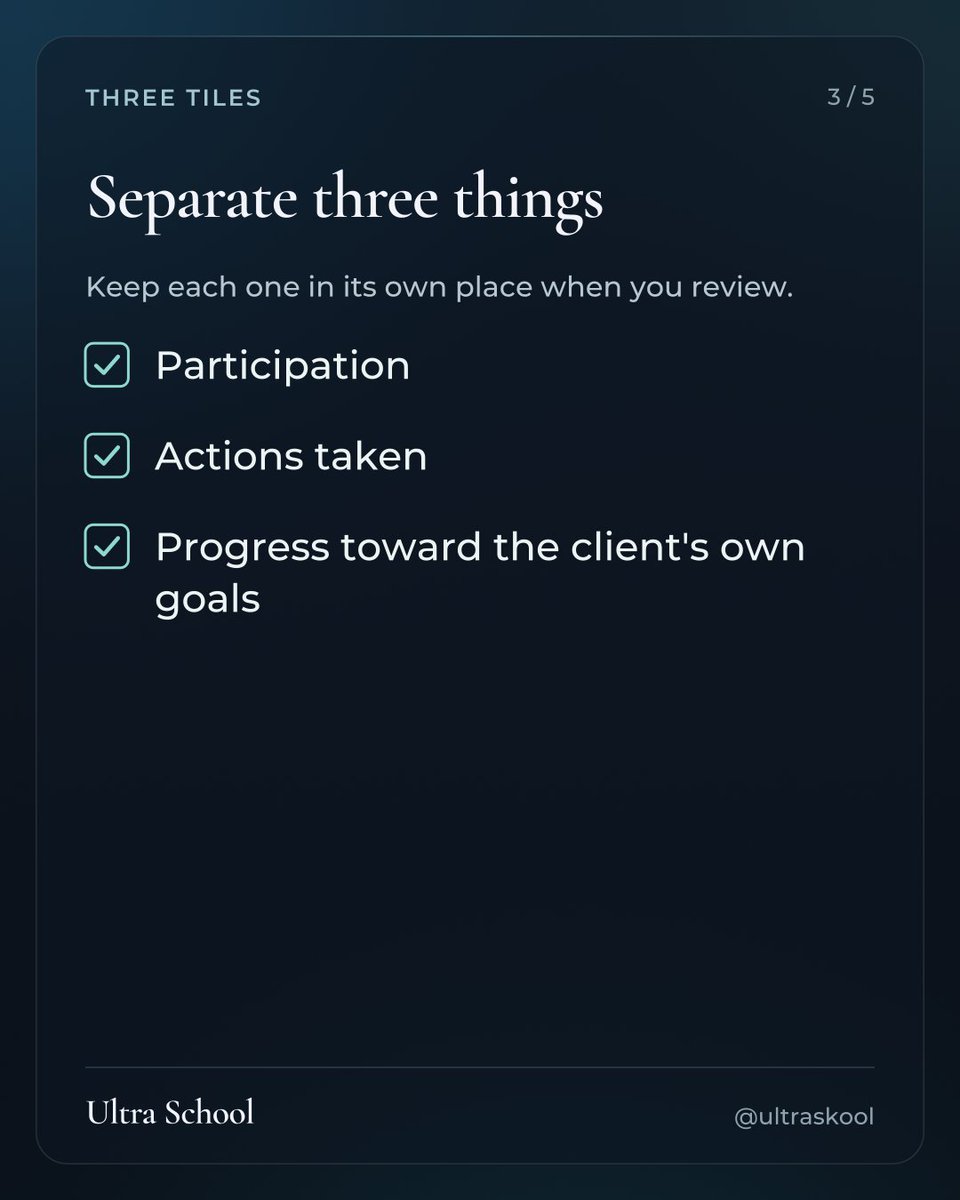
In a client review, separate three things:
1. Participation
2. Actions taken
3. Progress toward the client's own goals
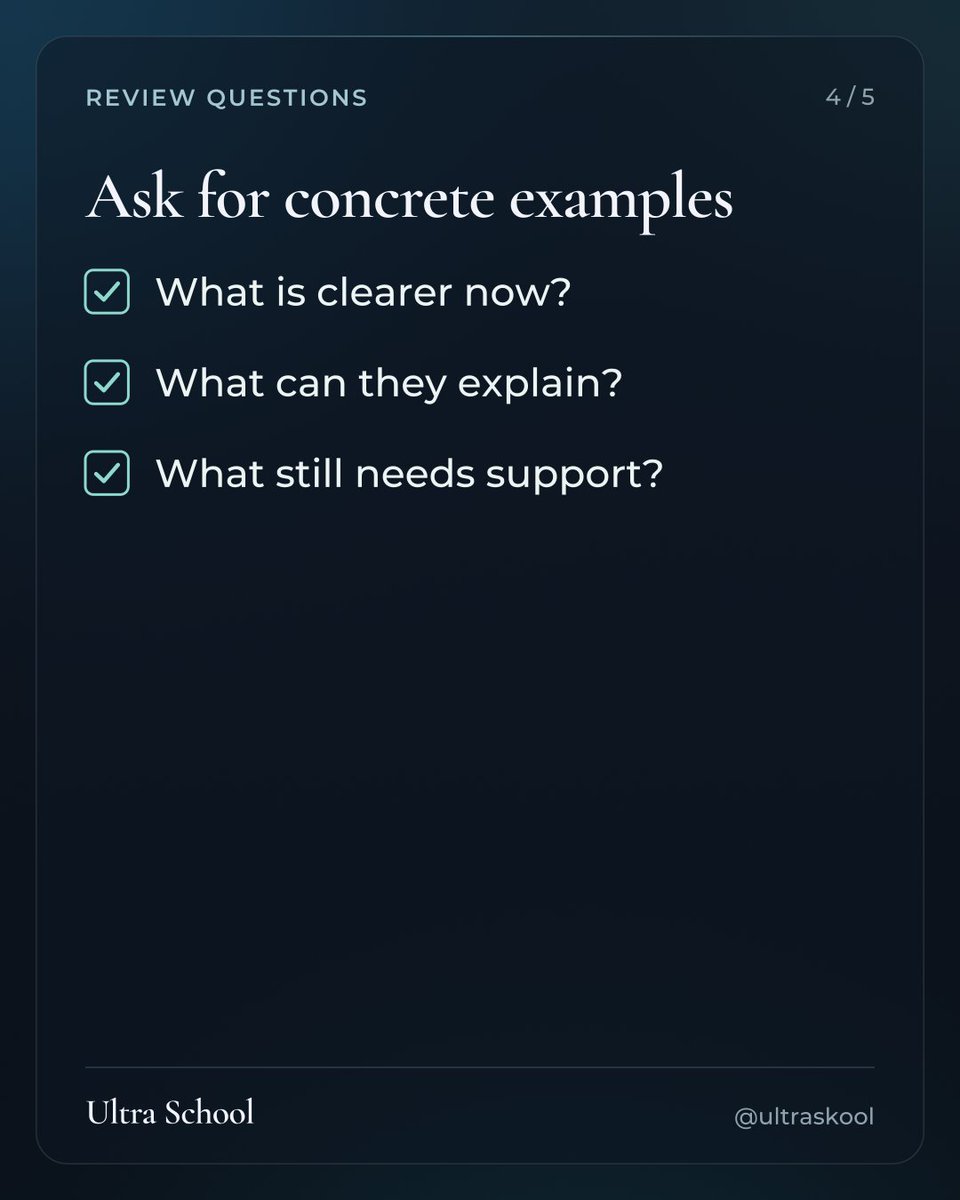
Then ask for concrete examples:
What is clearer now?
What can they explain?
What still needs support?
Review those answers together. And avoid turning a login count or a personal report into a clinical result.
Add one progress question to your next review.
Don’t let a good session disappear into a notebook.
An insight becomes easier to revisit when the agreed action is specific and recorded. Before the session ends, capture three things:
1. What the client intends to do
2. When it fits
3. What might get in the way
Write it somewhere both of you can return to, within your agreed system. Use the client’s words where possible.
At the next check-in, revisit it together: what happened, what did you learn, and what needs adjusting?
That is the whole loop. One small card, opened twice.
Before the next piece of advice, ask this.
When a client feels stuck, it is tempting to jump straight to a solution.
Start instead with: "What feels most important to work out here?" Make sure you understand the actual question.
Then explore:
- what they have considered
- what is getting in the way
- what support would help
Offer relevant expertise when needed. Then agree on a next step the client understands and can explain in their own words.
The advice can wait one question.
Can your client find the answer a week later?
A useful explanation can become hard to use if it is buried in a long recording or a vague folder.
Three fixes:
- Name resources after the question they answer.
- Add chapter labels or timestamps where they help.
- Keep a clear overview linking to the essential references. Make the route back visible.
Then run the retrieval test: name a common question and find its answer starting from the client's starting screen, not yours.
Pick one important client resource and test it this week.
This could have been a checklist.
Video can help explain an idea or demonstrate something. A checklist can help someone repeat a known sequence. Those are different jobs.
Before making a client resource, ask what it is for:
- understand
- decide
- do
- remember
Then use the format that fits the job. A short explanation and a separate reference sheet may serve different moments. The first is for meeting an idea. The second is for using it again without rewatching anything.
Try it on one question your clients ask repeatedly. Would an indexed clip, a diagram, or a checklist make the answer easier to use?
Pick one resource and match its format to its job.
Show the path before opening the library.
A large library is useful when a client can see what matters now and what can wait.
So before you share every resource:
1. Sketch the main stages of your coaching experience. Short labels, tied to practical tasks.
2. An illustrative ultrasound path: orientation, guided learning, supported practice, review. Adapt it to your actual service.
3. Wherever the client lands, show the current stage and the next step.
4. Let optional resources sit behind the path, ready when relevant.
Draw your client path on one page.
Your client has a question. Where does it go?
A helpful resource library still needs a clear route for the questions it doesn't answer.
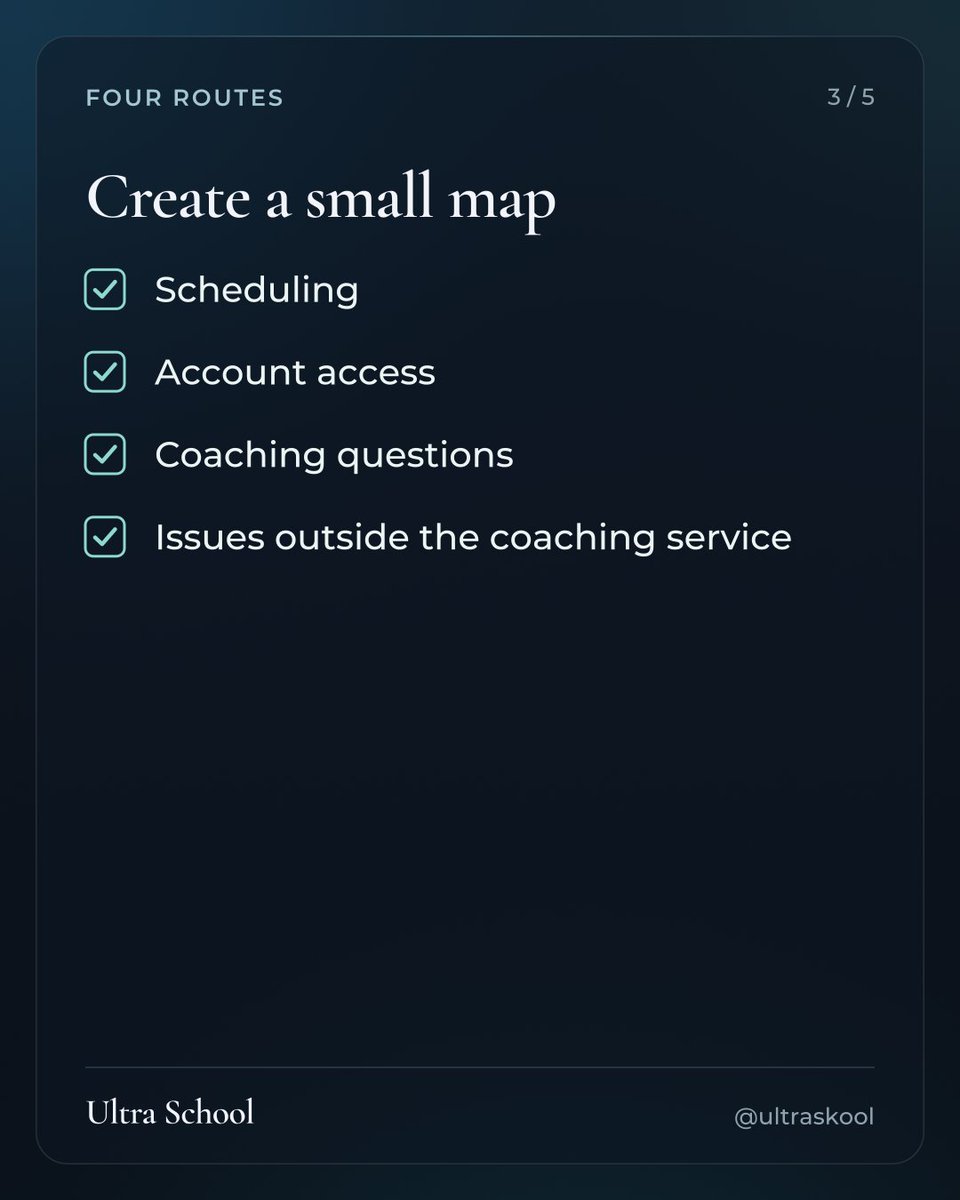
Make a small map with four routes:
- Scheduling
- Account access
- Coaching questions
- Issues outside the coaching service
For each route, name the contact method and the actual response expectation. Keep private information in the appropriate channel.
Put the map where clients will look when stuck. Then test it with a realistic question.
One page. Clients stop guessing.
Start with their starting point.
Two people can buy the same package with different experience, questions and practical constraints.
Three questions for the intake conversation:
- What matters to you now?
- What have you tried?
- What would useful progress look like to you?
Then check what might affect participation: time, access, confidence, preferences, support needs.
Use those answers to choose the first step together. A goal is more useful when it changes the plan. If the answers don't change anything, they were paperwork.
A first session people can actually use has four jobs, not four time slots.
Orient: how the service works, what is expected and how to get help.
Understand: make room for the client's priorities.
Work: one useful piece of work suited to their starting point.
Agree: finish with an agreed next step and a way to revisit it. The client should know what to do after the call.
For ultrasound coaching, use the relevant orientation and education you are qualified to provide. Don't rush required preparation.
No universal minute split. Build your first-session agenda around the four jobs.
Does every intake question change something?
A long form can collect a lot of information without making the first session more useful.
A quick audit:
1. Beside each question, write the decision it informs: suitability, required history, goals, access needs or preparation.
2. Keep the necessary clinical, safety and administrative questions.
3. Look for duplicates and for questions asked only out of curiosity.
4. Move nonessential detail to the relevant conversation.
A purposeful intake gives the coach something to act on. Try it on five questions in your own form.
Give every promise in your coaching offer a place in the calendar.
"Personal guidance" is a promise. Where, when and how does it happen in the actual package?
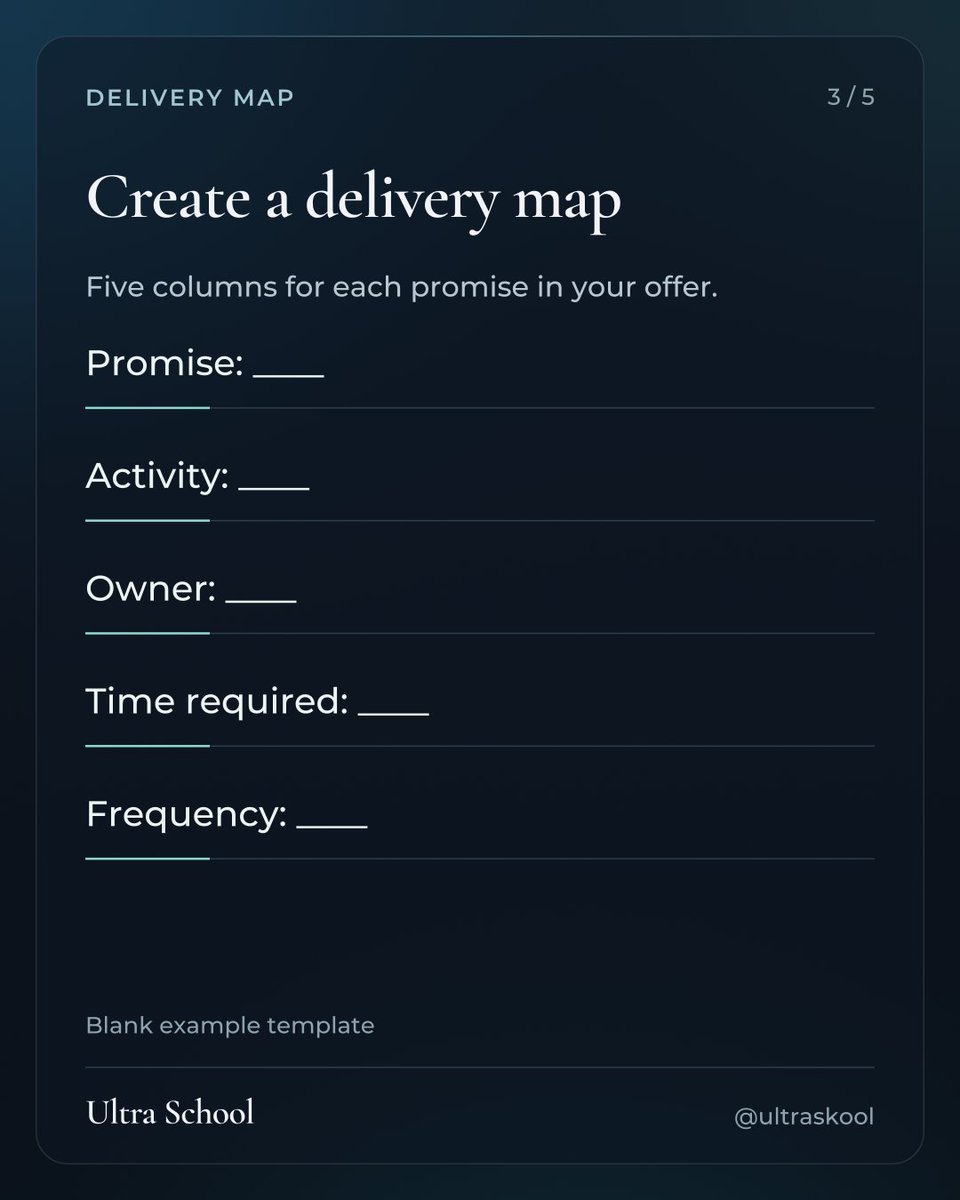
A simple way to check: build a delivery map with five columns.
Promise. Activity. Owner. Time required. Frequency.
Then add the work clients never see: preparation, resource updates, client replies, administration.
Any promise with no delivery slot needs attention. Schedule it, resource it, or revise the offer before selling it.
https://t.co/R0ixf2SsQR
Your price explanation should answer the math.
Four checks for your offer page:
1. Show the currency, the total package cost, and what is included. Make the full commitment easy to find.
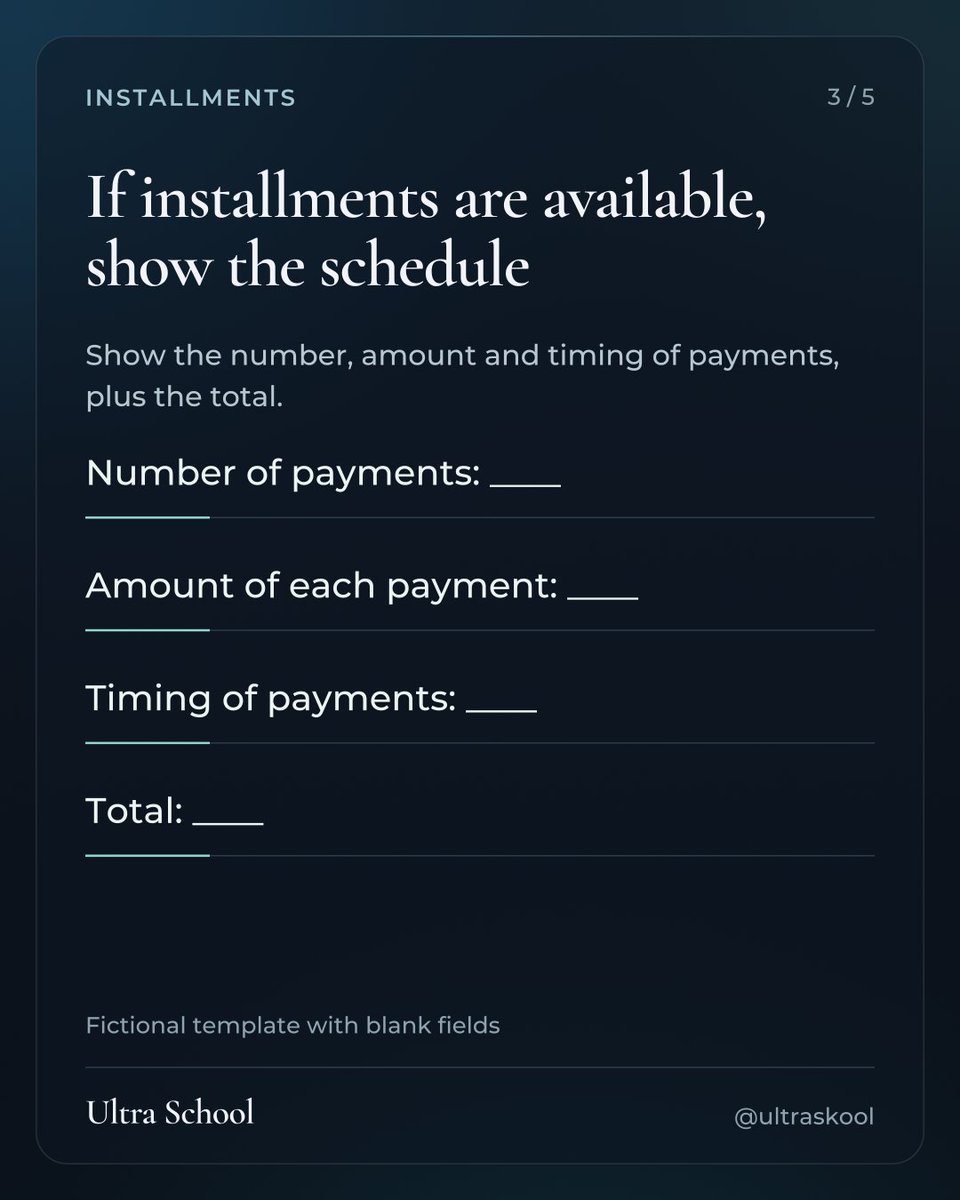
2. If installments are available, show the number, amount and timing of payments, plus the total.
3. For a device-included offer, state that clearly. Identify any actual extra costs or requirements before purchase.
4. Read the explanation as a new client: can you tell what you pay, what you receive, and when?
If any answer takes effort to find, rewrite that line.
Core, optional, or outside this package?
A simple sort for any coaching offer:
Core: something required to deliver what you promised. It belongs in the main client path.
Optional: useful enrichment a client can skip without losing the service they bought.
Outside: work that needs another professional, a different agreement, or a separate service.
The rule that keeps it honest: if an "optional bonus" is necessary for the promise, move it into core.
Write every inclusion on a list. Put each one in a column. The package usually gets clearer and shorter at the same time.
One offer. Five descriptions. Which is right?
Your bio, sales page, call notes and welcome email can drift apart as the offer changes. You tweak a detail in one place and the others quietly fall behind.
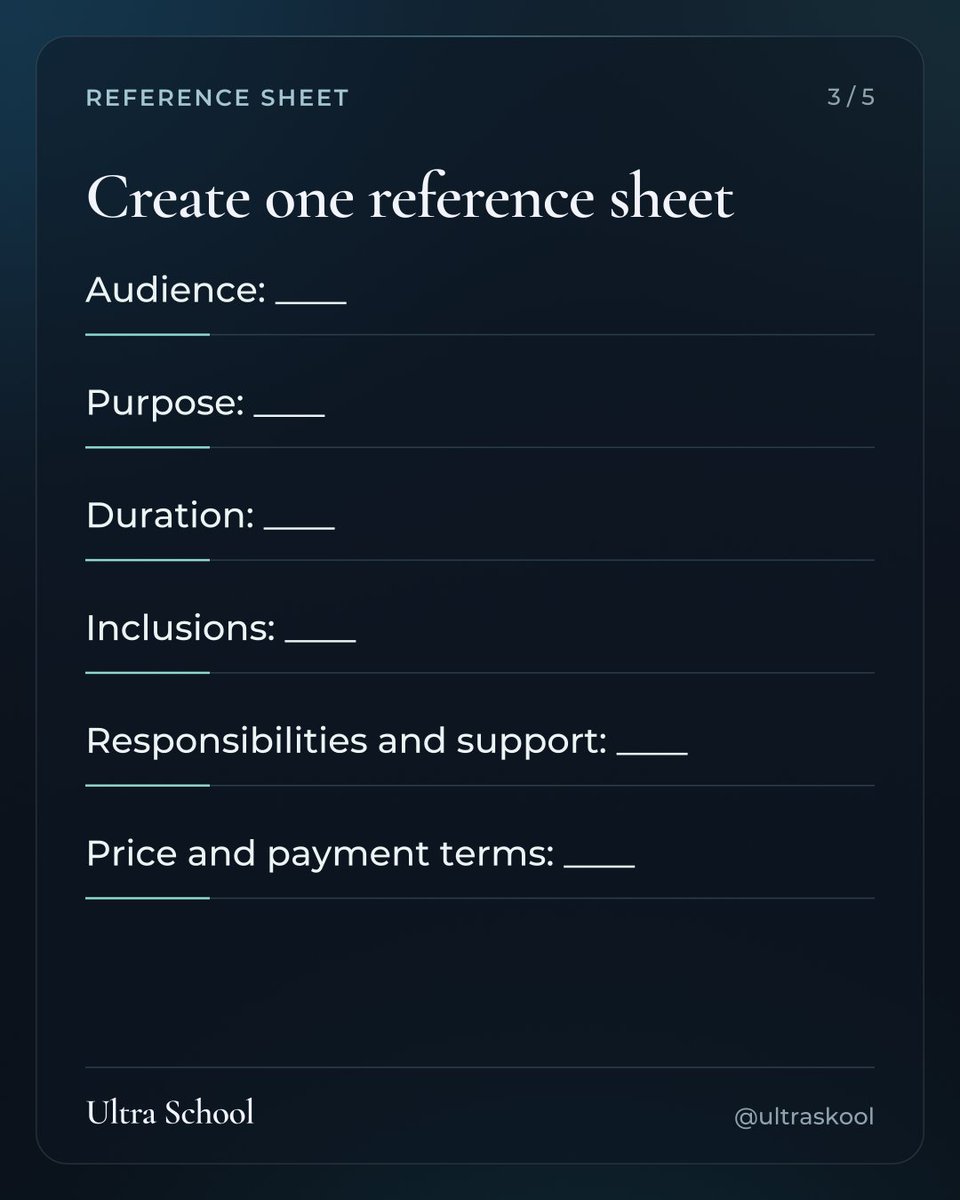
The fix is one reference sheet covering audience, purpose, duration, inclusions, responsibilities, support, price and payment terms.
For an ultrasound package, include who provides the device and whether the client keeps it. Use the terms you actually offer.
Then check each public description against that sheet. Whenever an agreed offer changes, update the sheet first.
Make your reference sheet before editing another landing page.
"Support included" is one of the most common lines in a coaching offer. What does it actually include?
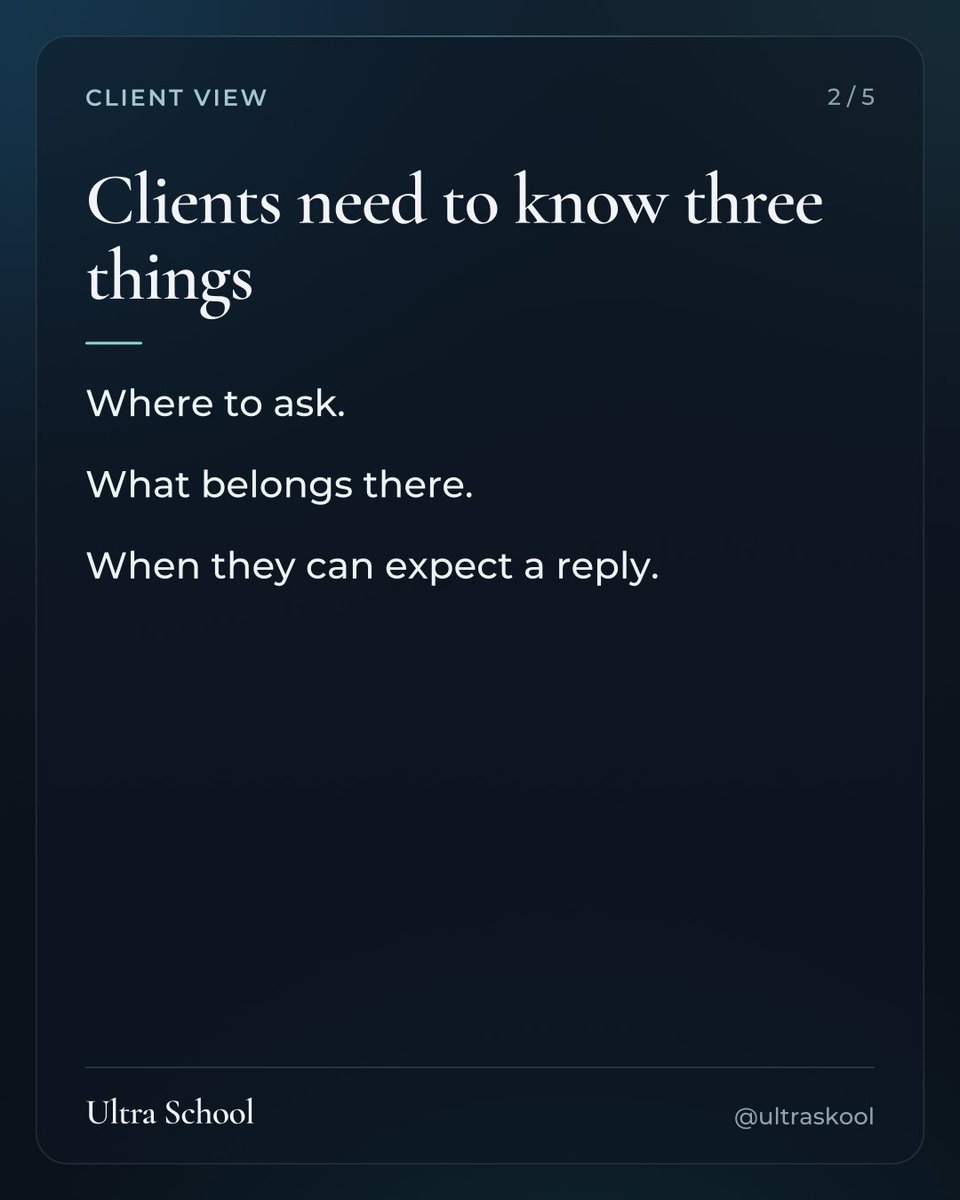
Clients need to know where to ask, what belongs there, and when they can expect a reply.
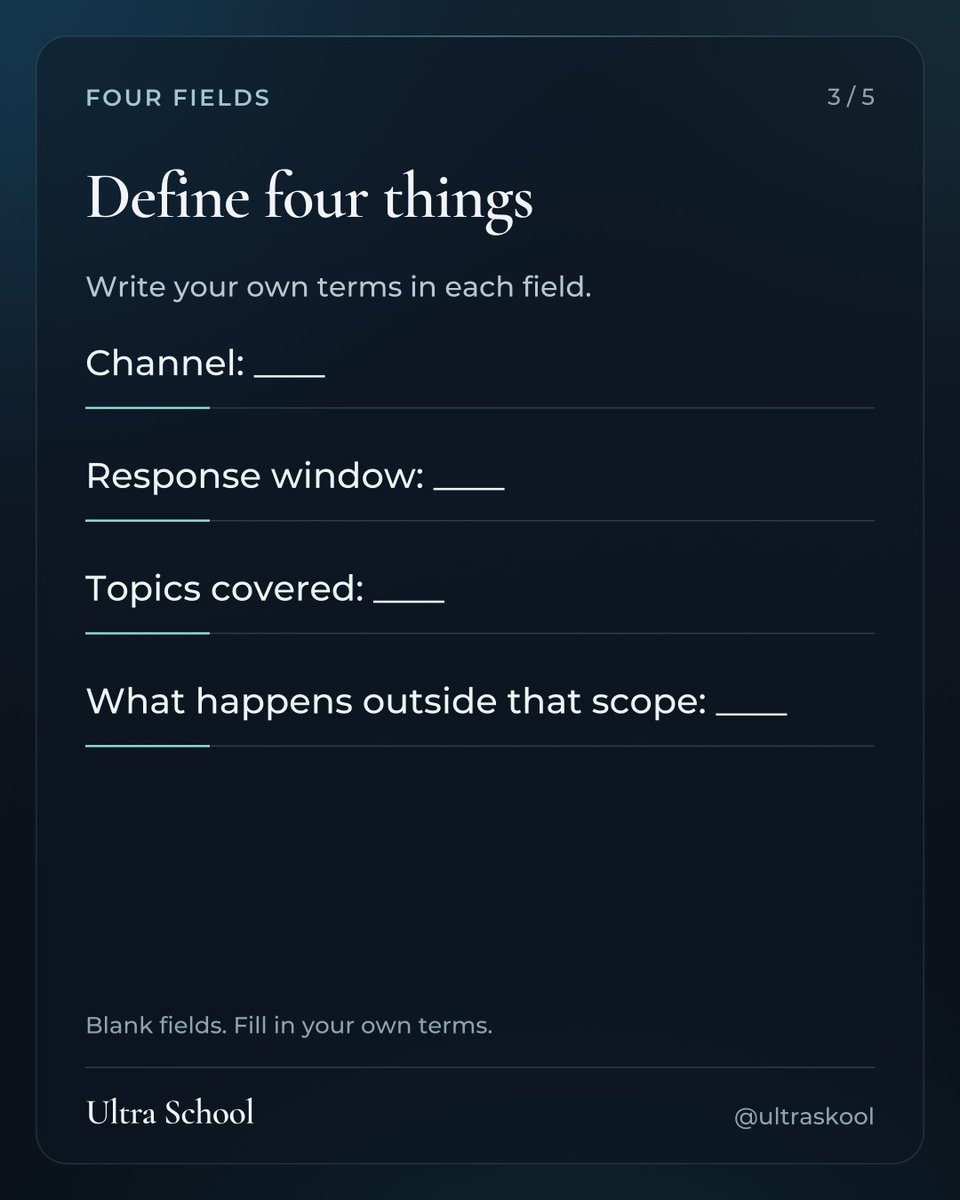
Before the phrase goes into your package, define four things:
- Channel
- Response window
- Topics covered
- What happens outside that scope
Then check you can deliver it alongside your sessions, your preparation and your existing clients.
Replace the vague phrase with your actual terms. Clear access makes support easier to use and easier to plan.
Borrow your clients’ vocabulary.
“Comprehensive implementation support” may be accurate. It may also make people work too hard to understand you.
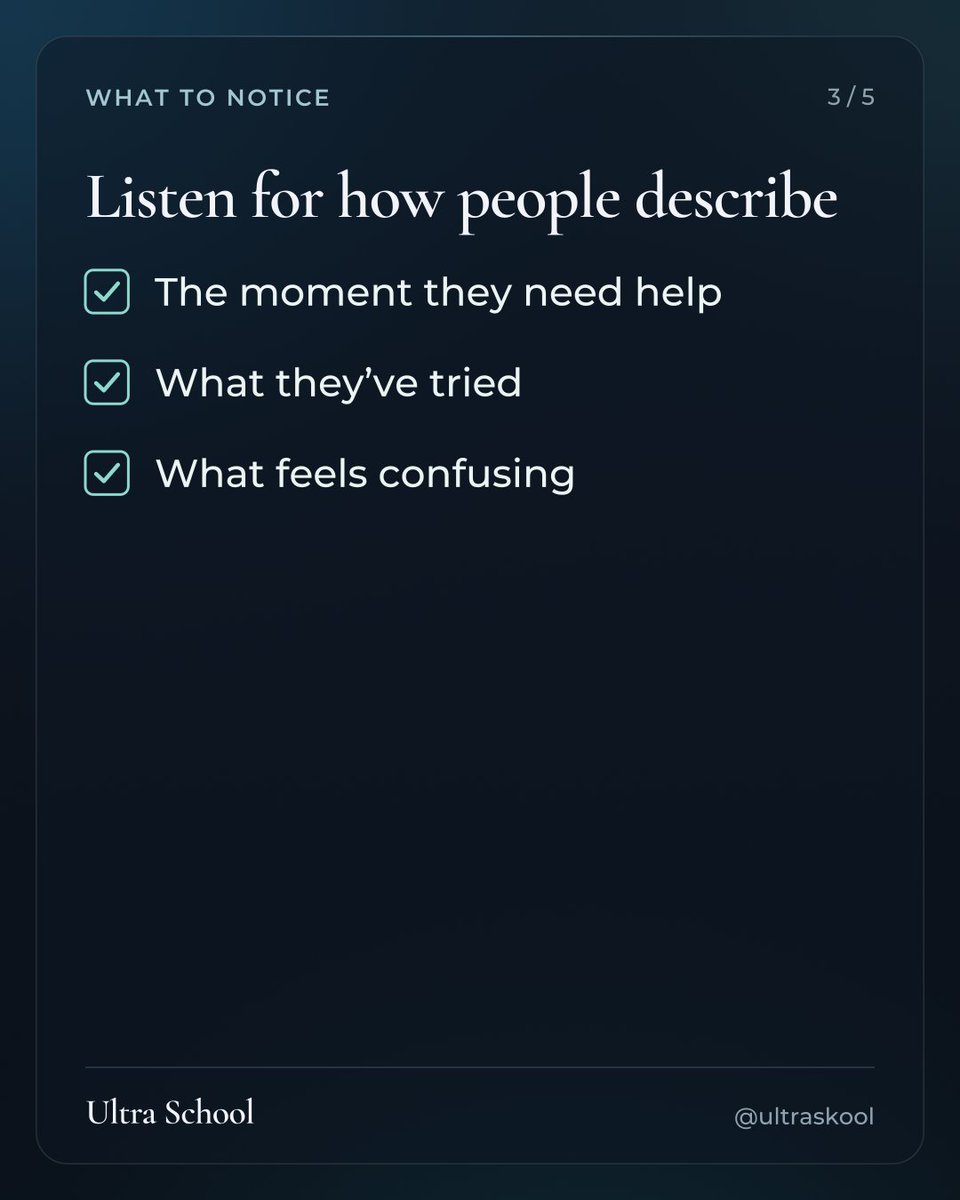
Listen for how people describe:
- the moment they need help
- what they’ve tried
- what feels confusing
Keep private notes on recurring language. Don’t present invented examples as real client quotes, and don’t expose personal details.
Then translate one sentence into everyday words. Illustrative rewrite: “We work through your questions and agree on the next step.”
Try it on one line of your offer: say it the way you would in a conversation.
Would your program survive a normal difficult week?
A clear calendar on Monday can become a very different week by Thursday. Design for that reality.
A quick audit for coaches:
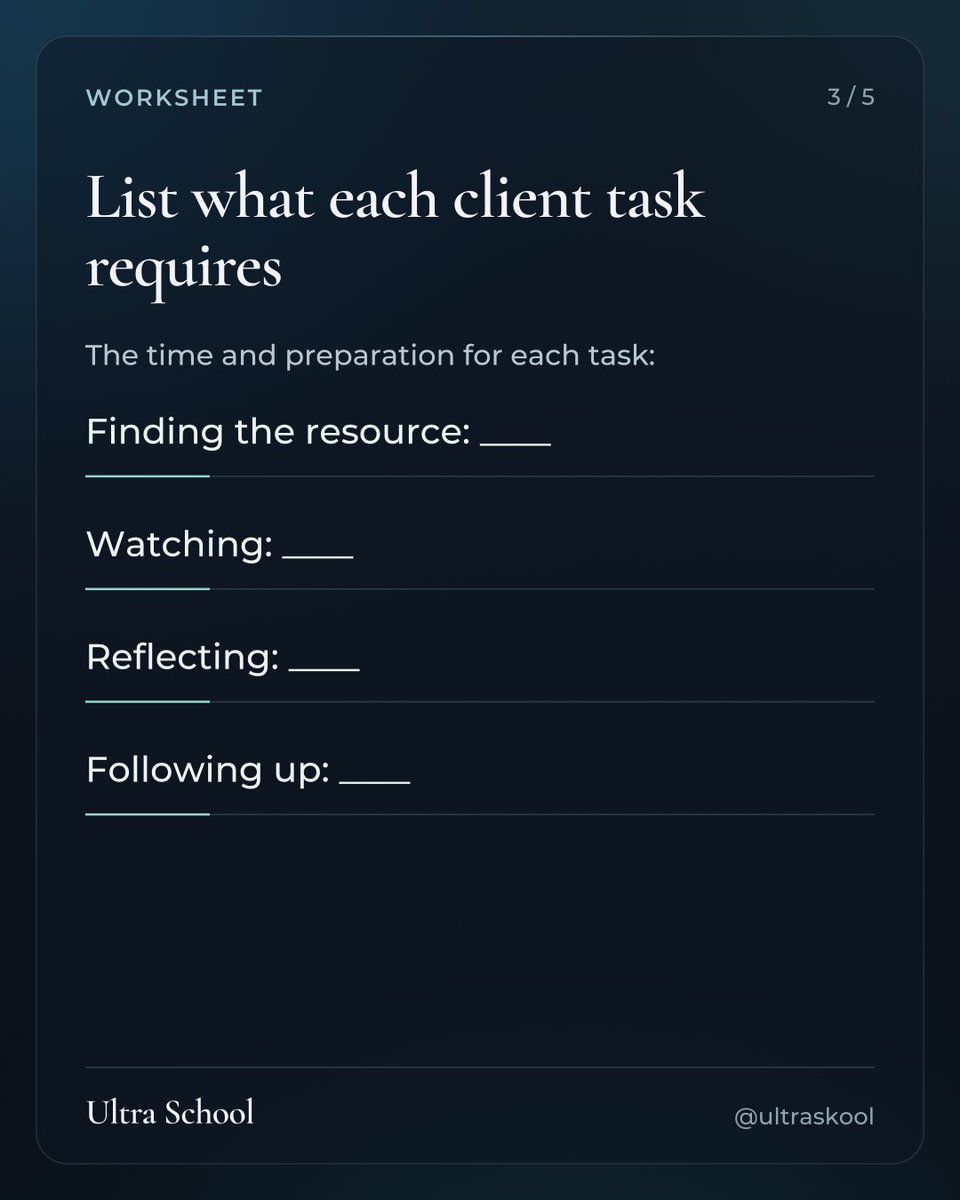
1. List the time and preparation each client task requires: finding the resource, watching, reflecting and following up.
2. Keep required safety steps.
3. Make optional learning smaller, easier to find, or possible to revisit.
4. Review one week and ask: what is essential, what can wait, and what should trigger a conversation with the coach?
A program clients can realistically participate in has to work on the weeks that don't go to plan.
Get better feedback by asking a smaller question.
“What do you think?” can leave people guessing what kind of help you want.
Instead:
- Name the decision
- Name the audience
- Name the constraint
- Show the relevant piece of work
Example: “Which of these two introductions makes the device-included package clearer to a new client, and why?”
Ask for reasoning you can act on. A focused question makes a coaching community much more useful.
Try one with fellow ultrasound coaches: https://t.co/R0ixf2SsQR