Official twitter for the University of Missouri-Kansas City Emergency Medicine Residency. Tweets not meant to be medical advice nor representative of UMKC/TMC
4th year EM students, we need your help in figuring out how to make away rotations more appealing! Please take this quick survey to help us make it better for you!
https://t.co/IHrqJwOypX
#MedTwitter#Emergency#MedEd
Hello UMKC EM Alum!!! We are turning 50 which means it is time to celebrate! Mark September 16, 2023 weekend in your calendars as many fun events are being planned!
#EMBound Students. Please join the CORD County Programs Community of Practice for a virtual information session on what it means to train at a county program.
Tuesday, August 9th 7-9EST. More info and register at https://t.co/iIfMv2i9UY
Hope to see you all there!
UMKC EM alumni… we need your help in planning for our 50th anniversary of our program!!! Click the link even if you don’t want to plan but just have ideas! #umkcem
https://t.co/GWz2Na1yes
Congrats to our winners of our conference Jeopardy!! Way to go Team Intussusception 👏🏻👏🏻👏🏻
We all know they will wear those crowns all day long. #em#meded#didactics#Jeopardy
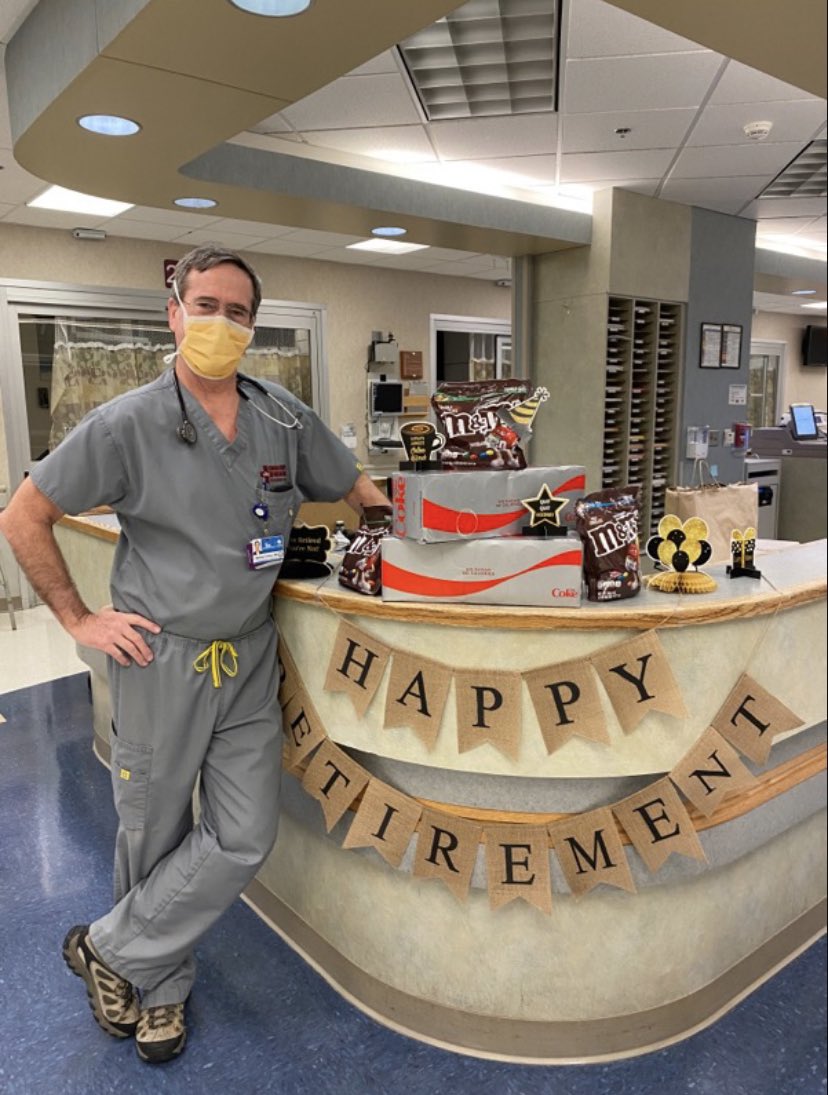
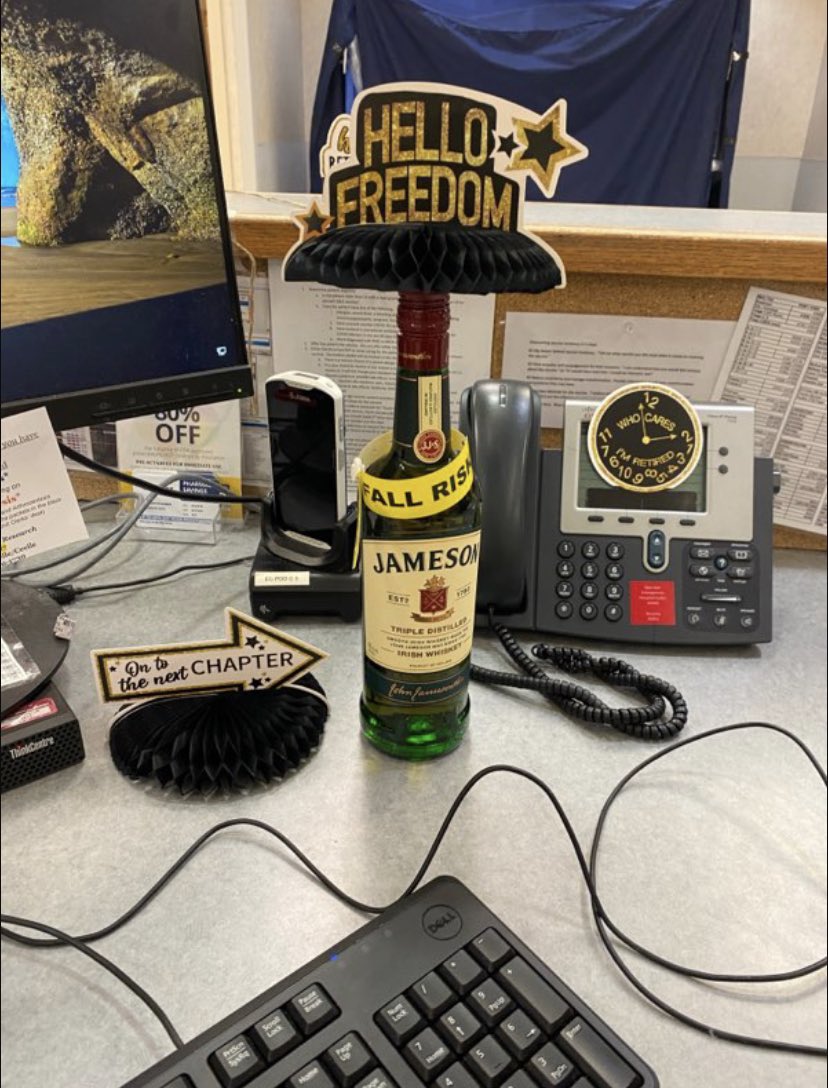
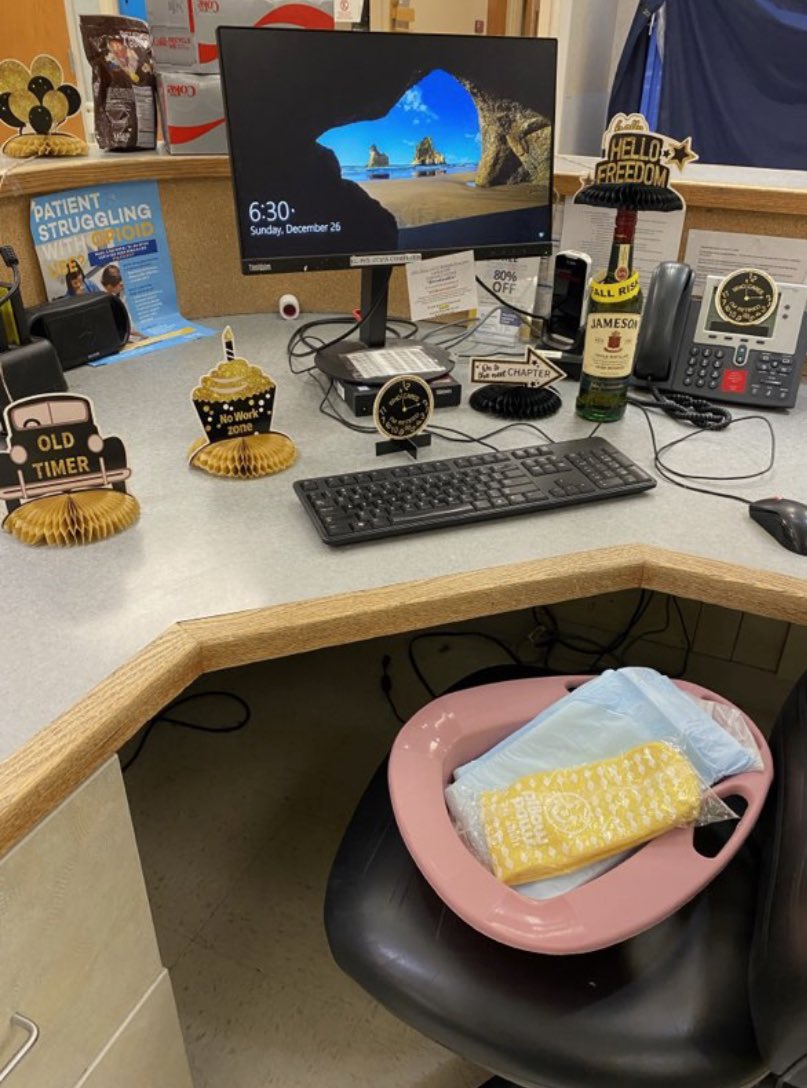
Wishing Dr. Gratton a happy retirement! He will be stepping down from his clinical duties but will thankfully still be doing his non-clinical work. Had to send him off with some of his favorites. We will miss you in the Department! #happyretirement#dietcoke#bedpan
Now that you've stabilized them, GET THEM TO DIALYSIS.
This is going to be the fix that actually removes potassium from their system. In mild cases, loop diuretics will remove K from the body but work too slowly for dangerously high levels.
Alright, bacK to worK!
Happy MEM (ok MET) !
Your regular dialysis patient comes into your ER, but this time they aren't feeling too super.
You get an EKG (because you're an amazing ER provider) and notice things like QRS widening, PR lengthening and QT shortening, or those dreaded peaked T-waves.
Ca is your first grab; it will temporarily stabilize the cardiac membrane while your other agents affect K levels.
Albuterol and insulin (usually given with some glucose) will help shift K intracellularly.
Bicarb is typically not helpful unless the patient is also acidotic.
You immediately have concern for hyperkalemia. What now?
In patient's with a potassium level so high it's causing EKG changes, you want to act fast (no time for GI binding agents, sorry kayexalate/lokelma).
Treatment includes stopping the transfusion and possible intubation. Hemolytic reactions can be fast (AB/Rh incompatibility) or slow (antigen/antibody reactions on minor blood groups). Don’t forget about allergic reactions; think IgA deficiency!
Remeber, keep the garlic ready!
👻👻 Happy spooky MEM! 👻👻
In the case of massive transfusion (like after a vampire attack)🧛🏻♀️🩸, be sure to watch out for transfusion complications 👀
A thread:
Be on the look out for TRALI (transfusion associated acute lung injury). It presents with hypoxia, respiratory distress, and bilateral pulmonary infiltrates on imaging. Rule out other causes of ARDS including circulatory overload.
Reglan is a great choice for patients with an element of gastroparesis; it is not sedating in itself but is usually given with benadryl to prevent the significant extrapyramidal symptoms it can cause (akathisia predominantly).
Haldol and droperidol are a great option (smaller doses than for active psychosis!) but are fairly sedating and can cause extrapyramidal side effects; QT prolongation is possible but unlikely in the small doses used for nausea.