Rural children under age 10 were the most likely to live in manufactured homes (14.3%) and rural adults 75 and older were the least likely (9.0%).
https://t.co/iFpj9bihrM
@UMNRHRC#ruralhealth#housing
🚨Rural Health Research Alert🚨
"2010-2022 County-Level Hospital-Based Obstetric Care Status"
View and subscribe: https://t.co/fiWomL8BMM
@UMNRHRC#ruralhealth
Medical debt, which includes unpaid bills, loans, and other debt incurred from health care expenses, affects roughly 15% of adults in the U.S. This is despite more than 90% of U.S. adults having some form of health insurance.
https://t.co/MUGZFNOGkR
@UMNRHRC#ruralhealth
🚨Rural Health Research Alert🚨
"Geographic and Demographic Correlates of Living in Manufactured Homes: Implications for Health"
View and subscribe: https://t.co/ZBmNqIsIzn
@UMNRHRC#ruralhealth
🚨Rural Health Research Alert🚨
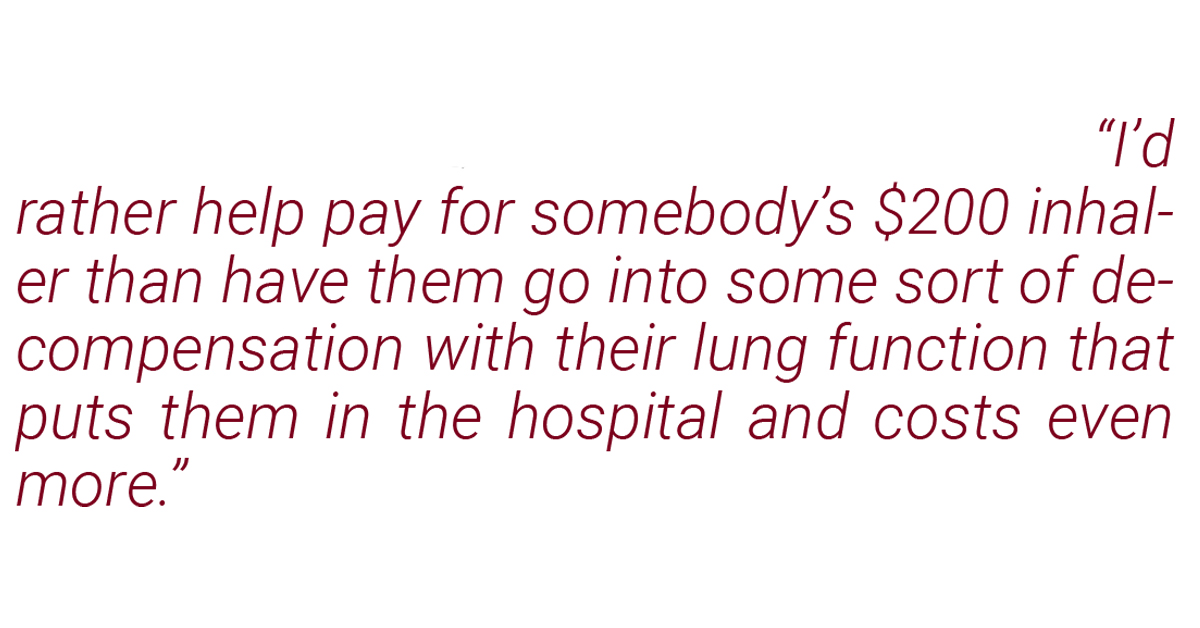
"Preventing Medical Debt Among Rural Residents: Example Programs From Hospitals in Minnesota and Montana"
View and subscribe: https://t.co/RIFxdxWrgr
@UMNRHRC#ruralhealth#medicaldebt
Types of elder abuse and reporting laws defined in state statutes do not differ significantly among three categories of state-level rurality. However, definition detail, coverage, and reporting laws vary widely across states.
https://t.co/Ws7yq7QxcQ
@UMNRHRC#ruralhealth
Challenges to preventing and addressing elder abuse included themes related to education and awareness, outreach and engagement, limited resources and services, reporting issues, isolation, stigma, and systemic barriers.
https://t.co/ZgPV9BFZ1C
@UMNRHRC#ruralhealth
“Social isolation and loneliness have profound impacts on health, on mortality risks, on all of the ways that our lives play out within health, within that sphere but in so many other ways too,” Henning-Smith said.
https://t.co/B4Epg9V793
@UMNRHRC#ruralhealth
Rural hospital administrators from seven states identified uninsurance and underinsurance, existing community sociodemographics, and emergency room usage as key factors contributing to medical debt.
https://t.co/2pOQQa0zLS
@UMNRHRC#ruralhealth
🚨Rural Health Research Alert🚨
"Resources for Measuring Rurality in Research on Maternity Care"
View and subscribe: https://t.co/3T0vuzJFCH
@UMNRHRC#ruralhealth#maternalhealth
🚨Rural Health Research Alert🚨
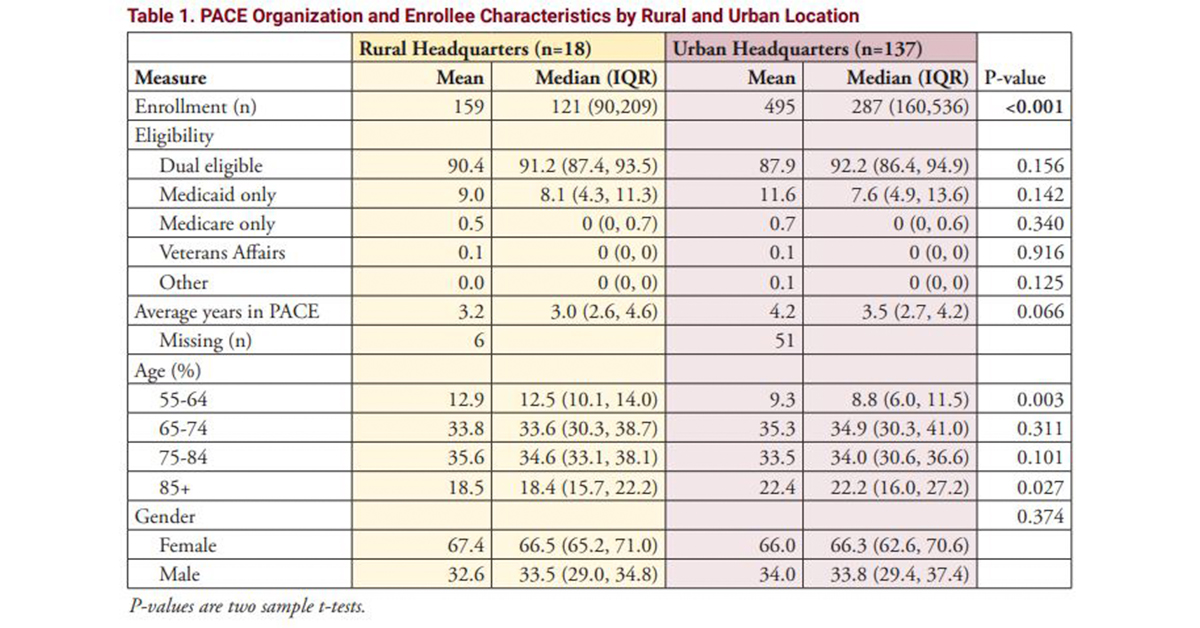
"Rural-Urban Differences in PACE Organization and Enrollee Characteristics"
View and subscribe: https://t.co/di8O5GaZnK
@UMNRHRC#ruralhealth#aging
Rural counties have a higher proportion of people with medical debt in collections than urban counties (15.7% vs 14.8%), and this difference is associated with lower average household incomes in rural counties in general.
https://t.co/8eaY4rNlCs
@UMNRHRC#ruralhealth
“Just because the obstetrics units close, doesn’t mean those communities stop having babies,” said @katybkoz. “It just means they have to go farther and face more challenges in having a successful delivery.”
https://t.co/43HSGc6eeG
@UMNRHRC@dailyyonder#ruralhealth
🚨Rural Health Research Alert🚨
"Midwifery Care at Rural Hospitals in Montana and California"
View and subscribe: https://t.co/RN4UmKU7MY
@UMNRHRC#ruralhealth#maternalhealth
“Rural hospitals not only started with fewer obstetric services but also experienced more severe losses over time, leaving rural residents with fewer options and longer distances to travel,” said Katy Kozhimannil.
https://t.co/gjBXbRIX18
@UMNRHRC#ruralhealth
🚨Rural Health Research Alert🚨
"Variation in Elder Abuse State Statutes by State Level of Rurality"
View and subscribe: https://t.co/vbXHndZt65
@UMNRHRC#ruralhealth#aging
Between 2010 and 2022, the number of US hospitals offering obstetric care decreased significantly, particularly in rural areas. This decline has been linked to worsening maternal and infant health outcomes.
Watch the video short to learn more: https://t.co/YuBr0ypht2
Missed out on our November webinar, "Access to Maternity Care in Rural U.S. Communities?" The recording, slide deck, and transcript are now available!
https://t.co/Y7PyWfYypJ
@UMNRHRC#ruralhealth#maternalhealth#webinar
In September, the Centers for Disease Control and Prevention unveiled its Rural Public Health Strategic Plan, which outlines the priorities, objectives and outcomes the agency hopes to see over the next five years.
https://t.co/KmyMkGaxeN
@dailyyonder@UMNRHRC#ruralhealth