Corporate CEOs public gaffes can cost companies a fortune!
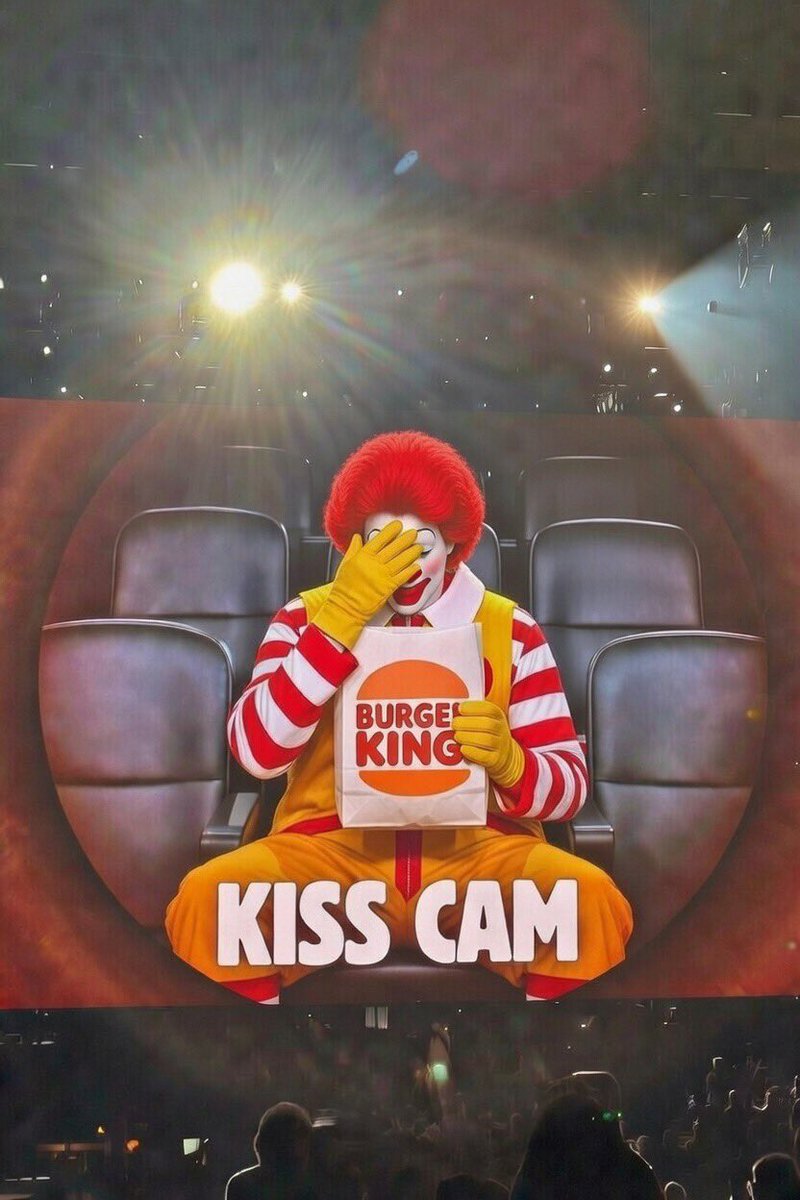
CEOs getting caught using a competitor’s product is its own special category of corporate embarrassment…a mix of irony, brand damage, and instant meme‑ification.
The best documented occasion of this involves Lei Jun, CEO of Xiaomi (a massive Chinese tech company) who was spotted using an Apple iPhone despite Xiaomi’s brand identity being built around affordable Android devices. The moment circulated widely because it undercut the company’s “we’re the alternative to Apple” positioning.
It fed the narrative that even Xiaomi’s own leadership preferred Apple’s ecosystem.
Most CEOs quietly test competitor products… it’s normal competitive research. But only a handful become public embarrassments.
Corporate CEOs public gaffes can cost companies a fortune!
CEOs getting caught using a competitor’s product is its own special category of corporate embarrassment…a mix of irony, brand damage, and instant meme‑ification.
The best documented occasion of this involves Lei Jun, CEO of Xiaomi (a massive Chinese tech company) who was spotted using an Apple iPhone despite Xiaomi’s brand identity being built around affordable Android devices. The moment circulated widely because it undercut the company’s “we’re the alternative to Apple” positioning.
It fed the narrative that even Xiaomi’s own leadership preferred Apple’s ecosystem.
Most CEOs quietly test competitor products… it’s normal competitive research. But only a handful become public embarrassments.
Corporate CEOs public gaffes can cost companies a fortune!
CEOs getting caught using a competitor’s product is its own special category of corporate embarrassment…a mix of irony, brand damage, and instant meme‑ification.
The best documented occasion of this involves Lei Jun, CEO of Xiaomi (a massive Chinese tech company) who was spotted using an Apple iPhone despite Xiaomi’s brand identity being built around affordable Android devices. The moment circulated widely because it undercut the company’s “we’re the alternative to Apple” positioning.
It fed the narrative that even Xiaomi’s own leadership preferred Apple’s ecosystem.
Most CEOs quietly test competitor products… it’s normal competitive research. But only a handful become public embarrassments.
Corporate CEOs public gaffes can cost companies a fortune!
CEOs getting caught using a competitor’s product is its own special category of corporate embarrassment…a mix of irony, brand damage, and instant meme‑ification.
The best documented occasion of this involves Lei Jun, CEO of Xiaomi (a massive Chinese tech company) who was spotted using an Apple iPhone despite Xiaomi’s brand identity being built around affordable Android devices. The moment circulated widely because it undercut the company’s “we’re the alternative to Apple” positioning.
It fed the narrative that even Xiaomi’s own leadership preferred Apple’s ecosystem.
Most CEOs quietly test competitor products… it’s normal competitive research. But only a handful become public embarrassments.
UnderKnown Fact:
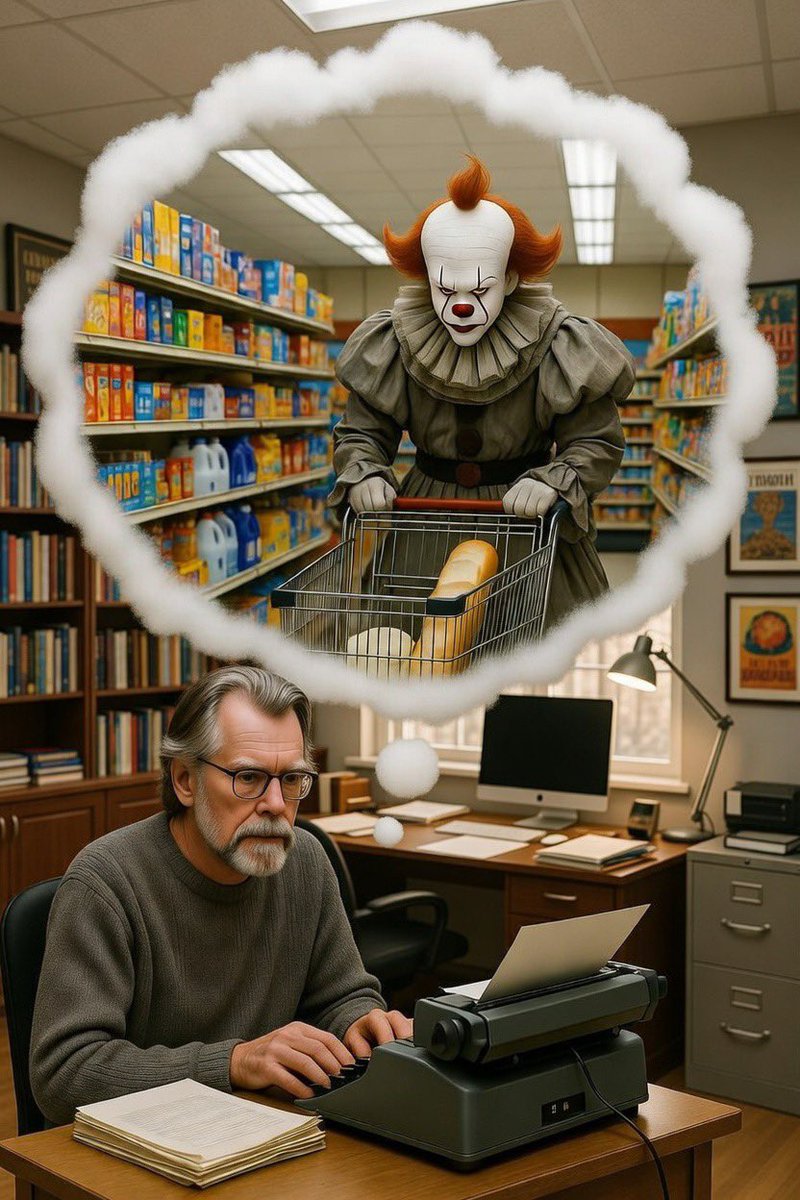
Legendary horror writer Stphen King leverages the “What if?” engine to build his stories.
King has said the root of almost every story is seeing one thing…then another…and asking “What if?” He combines ordinary elements in unexpected ways until something sparks. This simple question is the backbone of his creative process and the origin point for many of his most famous tales.
He often starts with something mundane… a town, a family, a job… and slowly bends it toward the uncanny. His stories frequently begin in ordinary settings before the horror creeps in, a technique highlighted in analyses of his storytelling approach.
For King, horror is a way to examine the human condition. He uses monsters, supernatural forces, and extreme situations to explore themes like innocence, evil, fear, and resilience. Horror becomes a lens for understanding people, not just scaring them.
UnderKnown Fact:
Legendary horror writer Stphen King leverages the “What if?” engine to build his stories.
King has said the root of almost every story is seeing one thing…then another…and asking “What if?” He combines ordinary elements in unexpected ways until something sparks. This simple question is the backbone of his creative process and the origin point for many of his most famous tales.
He often starts with something mundane… a town, a family, a job… and slowly bends it toward the uncanny. His stories frequently begin in ordinary settings before the horror creeps in, a technique highlighted in analyses of his storytelling approach.
For King, horror is a way to examine the human condition. He uses monsters, supernatural forces, and extreme situations to explore themes like innocence, evil, fear, and resilience. Horror becomes a lens for understanding people, not just scaring them.
Like A Prayer debuted in a Pepsi commercial before radio ever got it
Like a Prayer became the first major‑artist single to premiere in a commercial, part of Madonna’s $5 million Pepsi deal. The two‑minute ad, titled Make a Wish, aired worldwide on March 2, 1989, after being teased during the Grammy Awards.
Pepsi’s ad was clean and wholesome, but the actual music video for Like a Prayer premiered the next day and featured burning crosses, stigmata, and an interracial kiss. Religious groups erupted in protest, and the Vatican condemned the imagery. Pepsi immediately faced global backlash.
Despite the controversy and the pulled campaign, Pepsi did not revoke the payment. Madonna kept the full $5 million, making it one of the most profitable controversies of her career.
Like A Prayer debuted in a Pepsi commercial before radio ever got it
Like a Prayer became the first major‑artist single to premiere in a commercial, part of Madonna’s $5 million Pepsi deal. The two‑minute ad, titled Make a Wish, aired worldwide on March 2, 1989, after being teased during the Grammy Awards.
Pepsi’s ad was clean and wholesome, but the actual music video for Like a Prayer premiered the next day and featured burning crosses, stigmata, and an interracial kiss. Religious groups erupted in protest, and the Vatican condemned the imagery. Pepsi immediately faced global backlash.
Despite the controversy and the pulled campaign, Pepsi did not revoke the payment. Madonna kept the full $5 million, making it one of the most profitable controversies of her career.
UnderKnown Fact:
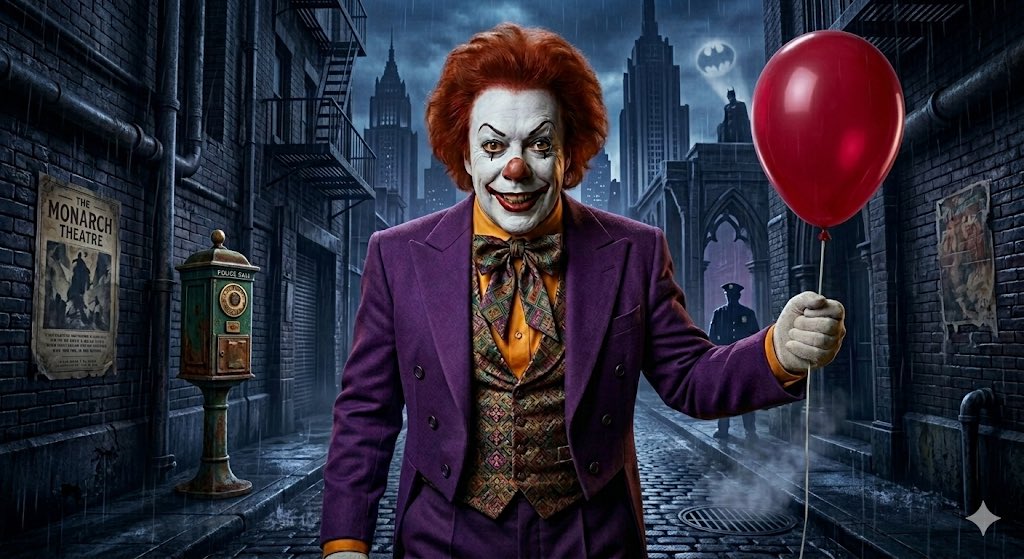
Tim Curry was also in consideration against Jack Nicholson for the Joker
Curry was reportedly considered early on, especially given his theatricality and his later voice work as the Joker in early Batman: The Animated Series tests.
Also in the running were William Defoe, David Bowie, and John Lithgow.
UnderKnown Fact:
Tim Curry was also in consideration against Jack Nicholson for the Joker
Curry was reportedly considered early on, especially given his theatricality and his later voice work as the Joker in early Batman: The Animated Series tests.
Also in the running were William Defoe, David Bowie, and John Lithgow.
UnderKnown Fact:
Laurence Fishburne rose to prominence shockingly young
Fishburne appeared in Apocalypse Now at just 14 years old, having lied about his age to get the role. This early break set the tone for a career defined by intensity and maturity far beyond his years.
Even still, it took until his role as Morpheus in The Matrix trilogy to transform him into a cultural icon. It’s the performance most frequently cited as his global breakout, even though he’d already built a deep résumé by the 1990s.
UnderKnown Fact:
Laurence Fishburne rose to prominence shockingly young
Fishburne appeared in Apocalypse Now at just 14 years old, having lied about his age to get the role. This early break set the tone for a career defined by intensity and maturity far beyond his years.
Even still, it took until his role as Morpheus in The Matrix trilogy to transform him into a cultural icon. It’s the performance most frequently cited as his global breakout, even though he’d already built a deep résumé by the 1990s.
UnderKnown Fact:
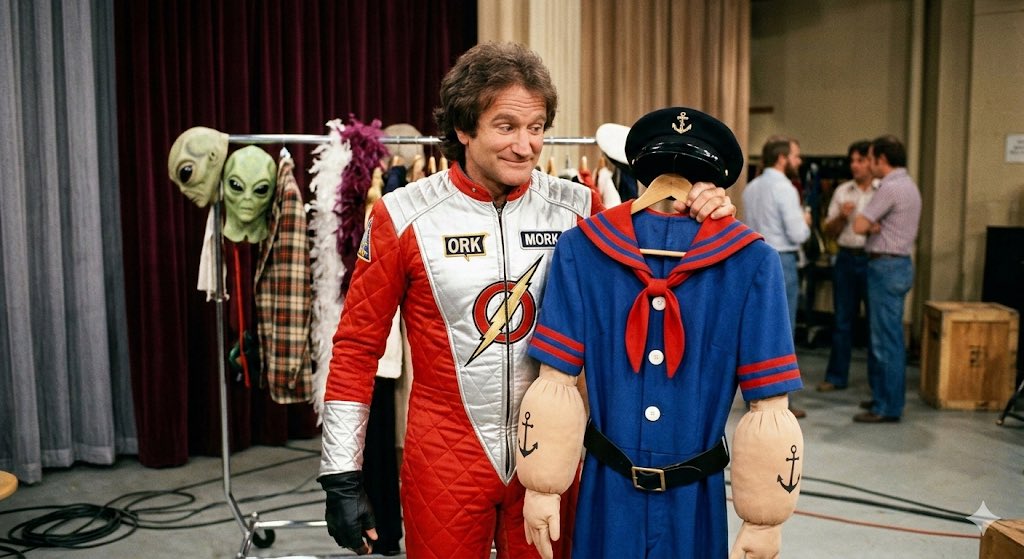
Playing Popeye in 1980 was Robin Williams’ first starring film role
Before Popeye, Williams was known for Mork & Mindy, but this movie marked his first lead role in a feature film, setting the stage for his later career.
Williams carried the entire movie, but the film’s uneven tone and technical problems (like having to re‑record much of his dialogue) made it hard for audiences to connect with his performance. Retrospectives note that the film’s reception “ruined” the momentum of his first starring role.
UnderKnown Fact:
Playing Popeye in 1980 was Robin Williams’ first starring film role
Before Popeye, Williams was known for Mork & Mindy, but this movie marked his first lead role in a feature film, setting the stage for his later career.
Williams carried the entire movie, but the film’s uneven tone and technical problems (like having to re‑record much of his dialogue) made it hard for audiences to connect with his performance. Retrospectives note that the film’s reception “ruined” the momentum of his first starring role.
The funniest part?
Most kids lost interest in the toy within 48 hours... but kept the empty eggshells for months like trophies from a mythical creature they helped bring into the world.
Hatchimals: The 2010s Toy That Turned Kids Into Egg‑Watching Fanatics
Hatchimals became the most chaotic toy craze of 2016 because they did something no toy had done before: they made kids stare at an egg for hours waiting for a creature to literally break out on its own.
The craze got so intense that parents camped outside stores at 4 AM.
One Target manager said Hatchimals caused “the closest thing to Black Friday panic I’ve ever seen over a toy that isn���t a game console.”
UnderKnown Fact:
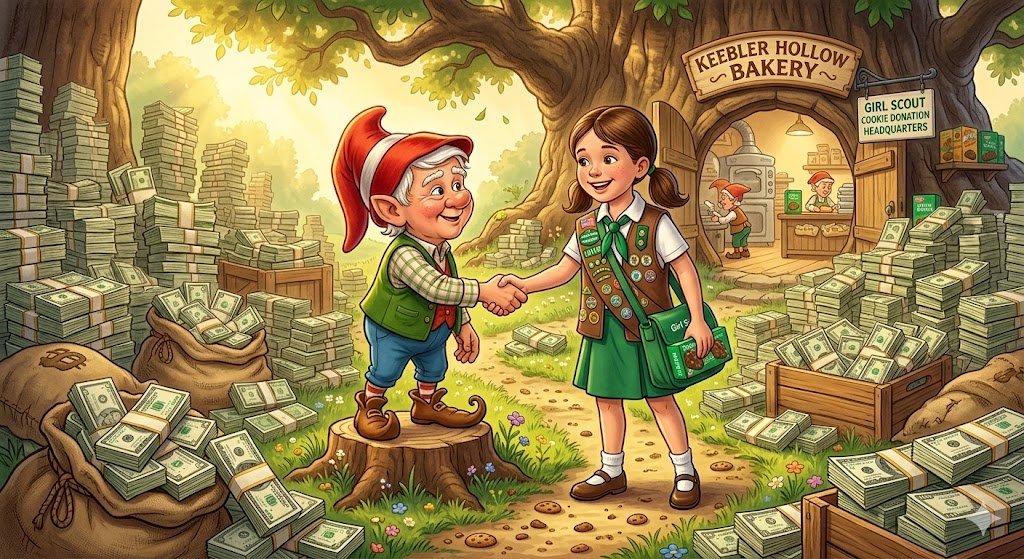
Grasshoppers and Thin Mints collaborate, they don't "compete".
One of the two official Girl Scout cookie bakeries is Little Brownie Bakers, which is owned by Keebler’s parent company. That means the companies are structurally linked, not rivals. Grasshoppers and Thin Mints come from related manufacturing lineages, which removes the basis for any real conflict.
Thin Mints are a seasonal fundraising product, while Grasshoppers are a year‑round grocery item. Because they don’t compete directly in the same sales channel, there’s no commercial clash.