Official account of the leading @UN development agency in Afghanistan. Supporting the Afghan people’s aspirations for peace, prosperity and sustainability.
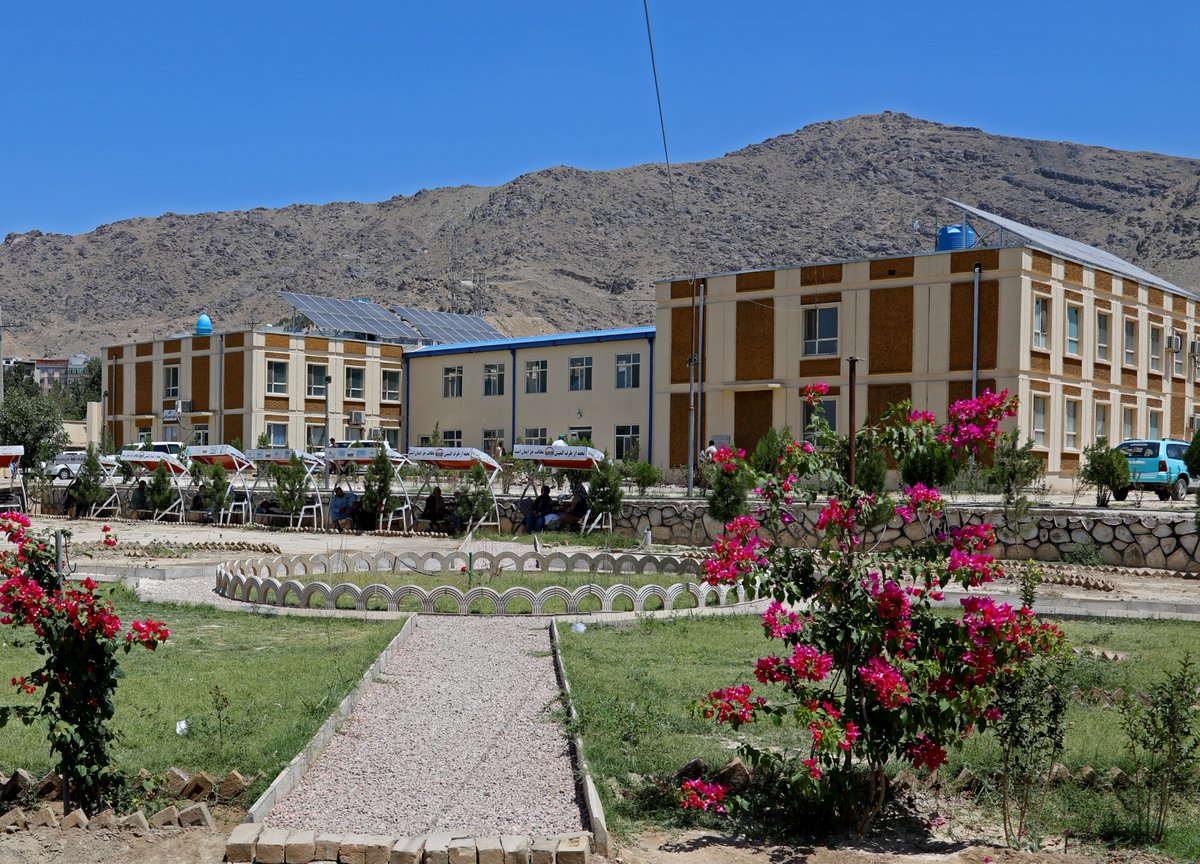
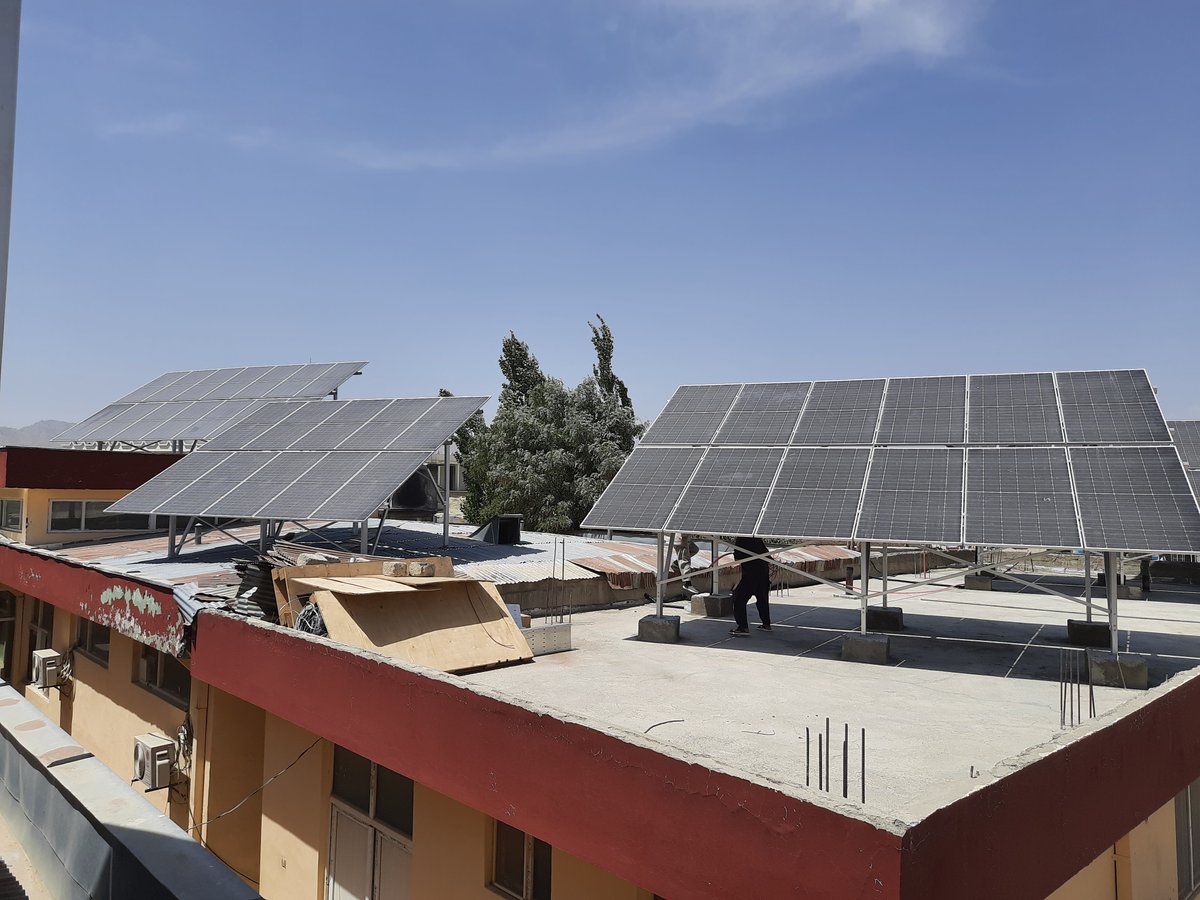
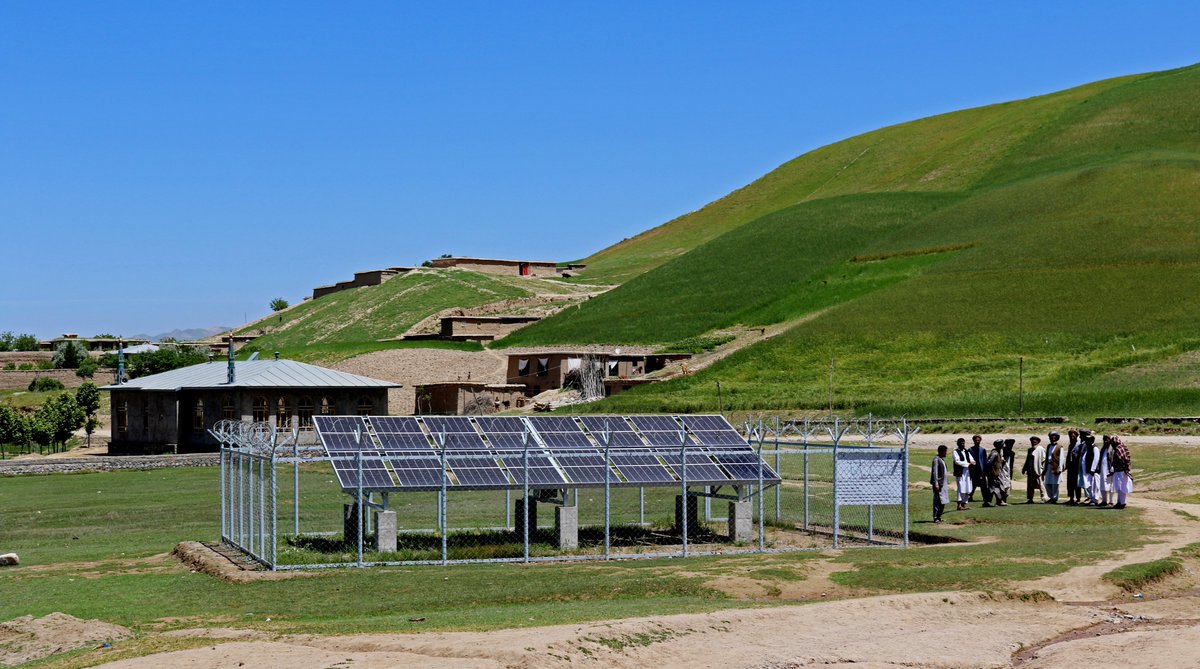
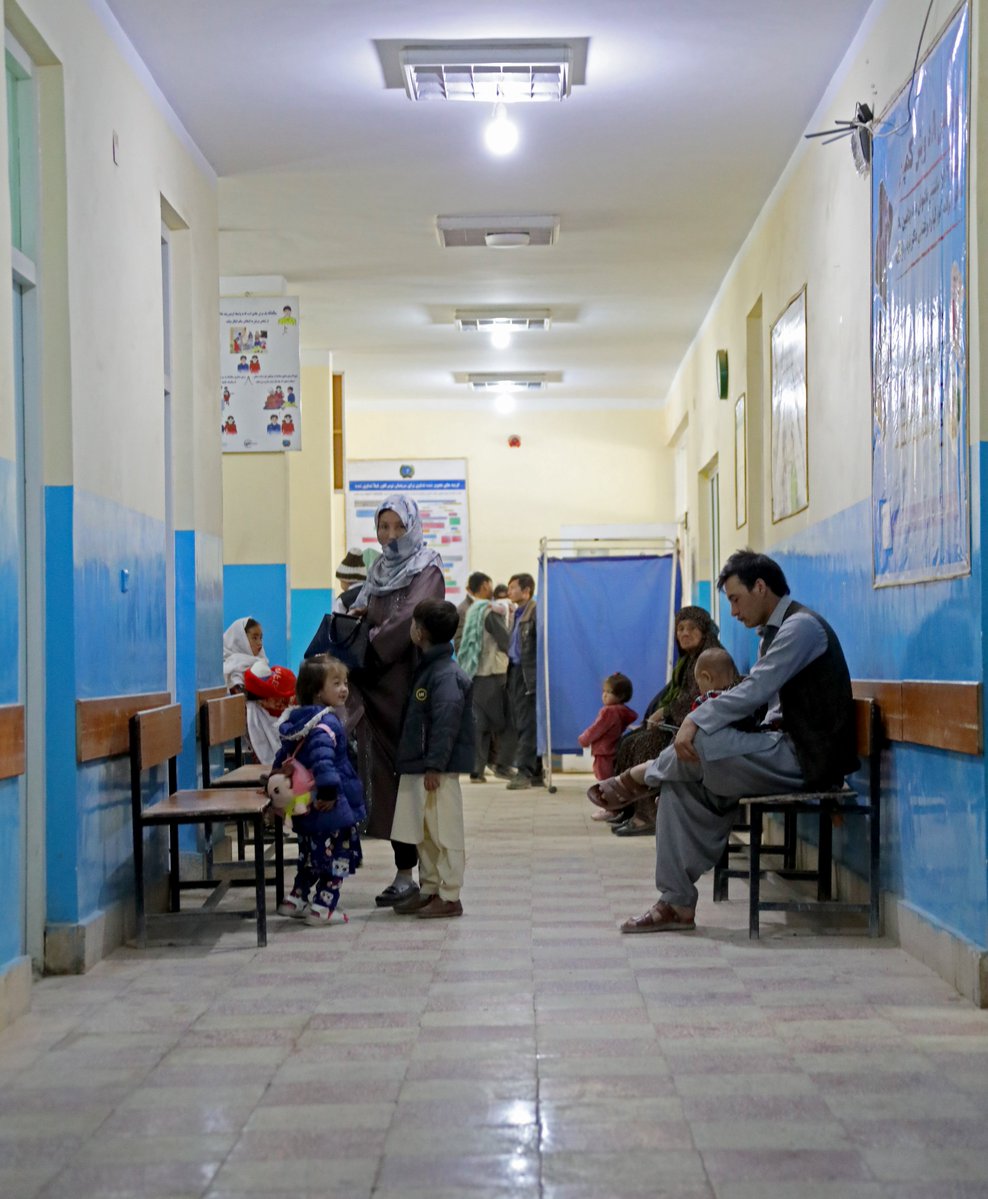
Only 33% of Afghanistan’s population has access to power, with rural access below 20%. Through SESEHA, UNDP-supported solar systems in 106 health facilities and 241 schools now provide reliable power to over 1.87 million people, 61% women.
https://t.co/Rx5U6WbYS1
#NowForClimate
Over 70% of Afghan HHs lack reliable off-grid electricity. Since 2021, UNDP has installed solar PV systems in 6,000+ facilities, including 5,420+ health centres, 800+ schools, & 850+ businesses, bringing reliable power to underserved areas. https://t.co/Rx5U6WbYS1 #NowForClimate.
What does an energy transition mean for Afghanistan?
For millions of families, it means more than electricity. It means children studying after dark, clinics staying open, businesses growing, and homes becoming safer and healthier.
Read more: https://t.co/RPs1lZKpzc
In Laghman’s Sabarabad village, with support from UNDP’s SESEHA project, the school now serves 250 students, including 96 girls, and provides light, water, and phone charging for nearby families.
Read More: https://t.co/2a3Xrzygkd
In Khatim-Ul-Anbia, Herat, UNDP-supported women’s savings groups helped launch a tailoring workshop generating 112,000 AFN monthly for 16 women.
Other initiatives are also helping create 146 jobs and protect nearly 1,000 acres of farmland.
Read More: https://t.co/XfuNHFpKU9
@UNDPaf discusses how area-based development can work even in fragile contexts to drive local progress.
It is a connected system of mobilizing financing, small loans and community savings to run businesses, improving food production w upskilling and greenhouse tech, building flood protection for small farms, and getting produce to more markets.
Most of all, it is empowering small farmers to think and act bolder, as they look ahead.
This is the story of Khatim-Ul-Anbia, a small vulnerable town that is building a bigger-and-stronger town future.
More: https://t.co/st1WbgkLfA
On #WorldBeeDay, we celebrate women like Shazia in Baghlan, whose beekeeping business grew from 26 to 60+ bee boxes with support from UNDP & @jica_direct_en through the WE-ACT project.
Read More: https://t.co/xoFPQ0XFT4
WAHDAT, a new joint UN initiative, is supporting returnees, IDPs & communities in Herat and Farah with housing, livelihoods & protection services. Implemented by @UNDPaf, @IOMAfghanistan, @UNHCRAfg & UN-Habitat with support from the multi-donor @UN_STFA.
https://t.co/UUQl1nh48Z
In Kabul’s Istalif and Mussahi districts, Digital Corners are opening new opportunities for girls. Powered by solar energy through SESEHA, students have access to computers, trained teachers, tailored lessons and reliable internet.
Read More: https://t.co/U7M3SKNQpg
Let’s hear what UNDP is doing across Asia and the Pacific.
“For 40 years, my country has been in conflict.”
@sarodriques shared how seeing communities regain access to water, energy and irrigation systems moved both him and a UNDP colleague to tears.
@UNDPasiapac@UNDP
What does @UNDPasiapac do across such diverse contexts?
We are where it matters most: supporting communities and countries to build capabilities, recover fast when disasters strike, adapt to shocks, and move human development forward.
Progress is never a straight line, and we must listen, adjust, and partner to support those who need us most.
@alexanderdecroo interacts here with @samuelrizk@Ayshaniee@Norimasa_UN@sarodriques@SaraFOlivella to ask these @UNDP reps what results they are most proud of...
At the 34th Agricultural Exhibition in Kabul, over 20 entrepreneurs from Kandahar, Helmand, Badghis, & Nangarhar showcased their products with support from UNDP & the @EUinAfghanistan. Many secured contracts, expanded markets, & increased sales.
Read More: https://t.co/FCpQ61rQFH
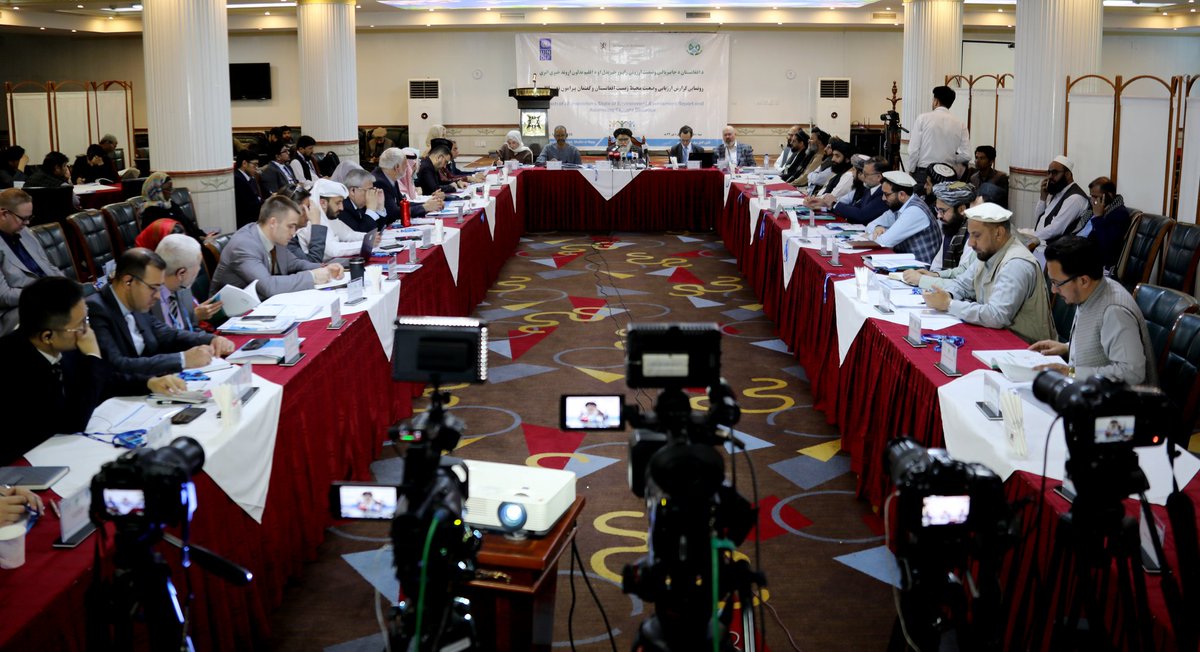
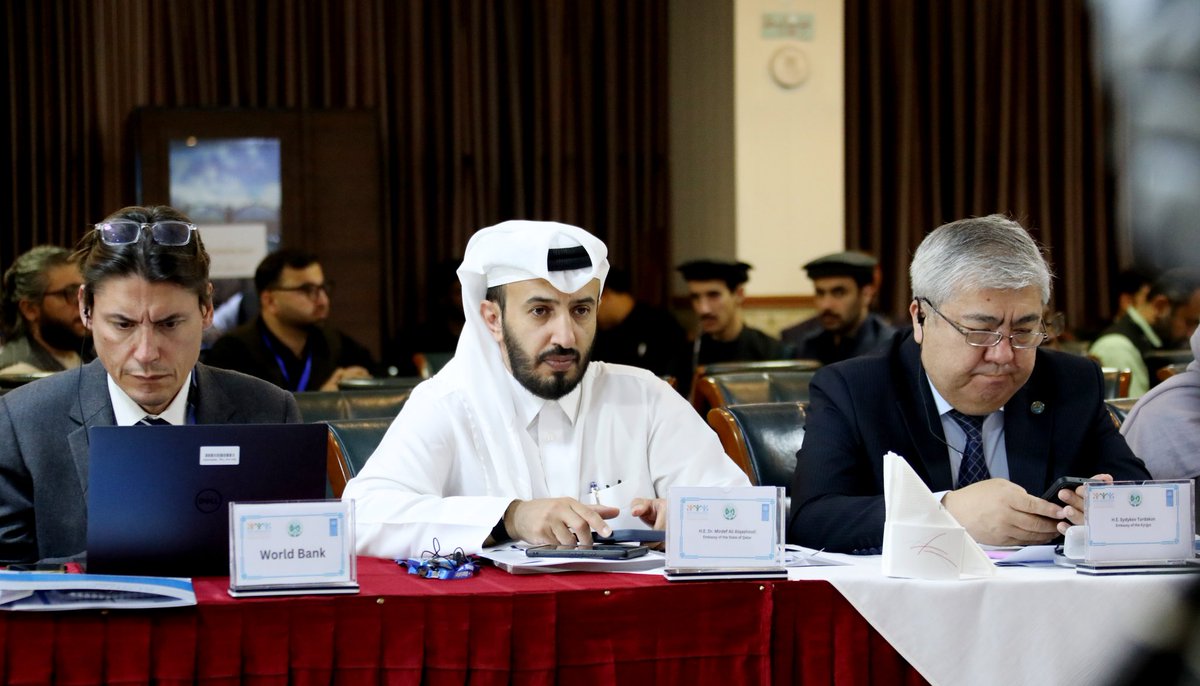
A dialogue on Afghanistan’s environment and climate pressures under the ACCESS initiative.
Partners are sharing findings from the State of Environment Assessment 2025 and discussing coordination, climate finance, and collective action.
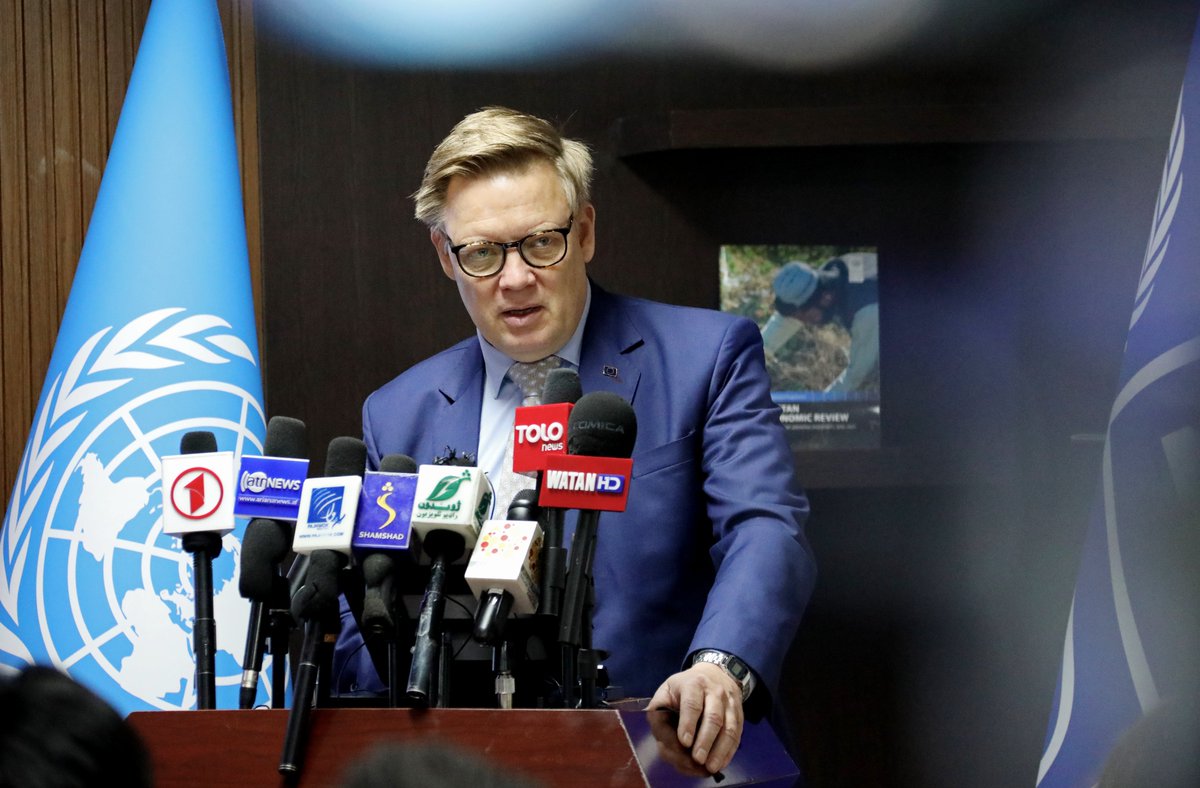
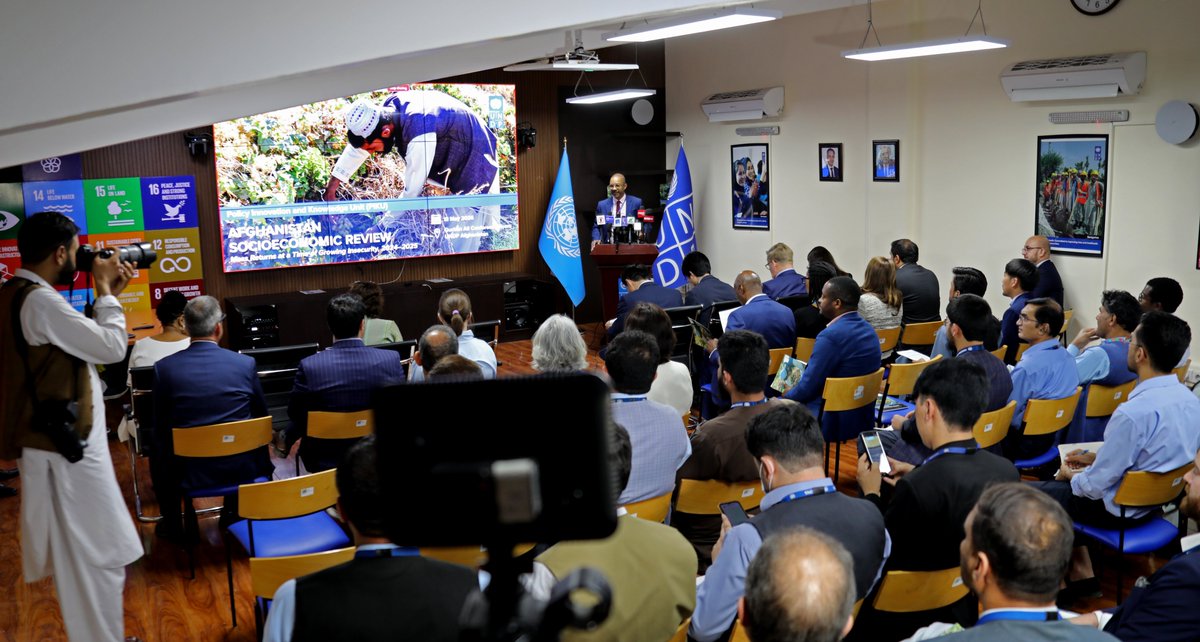
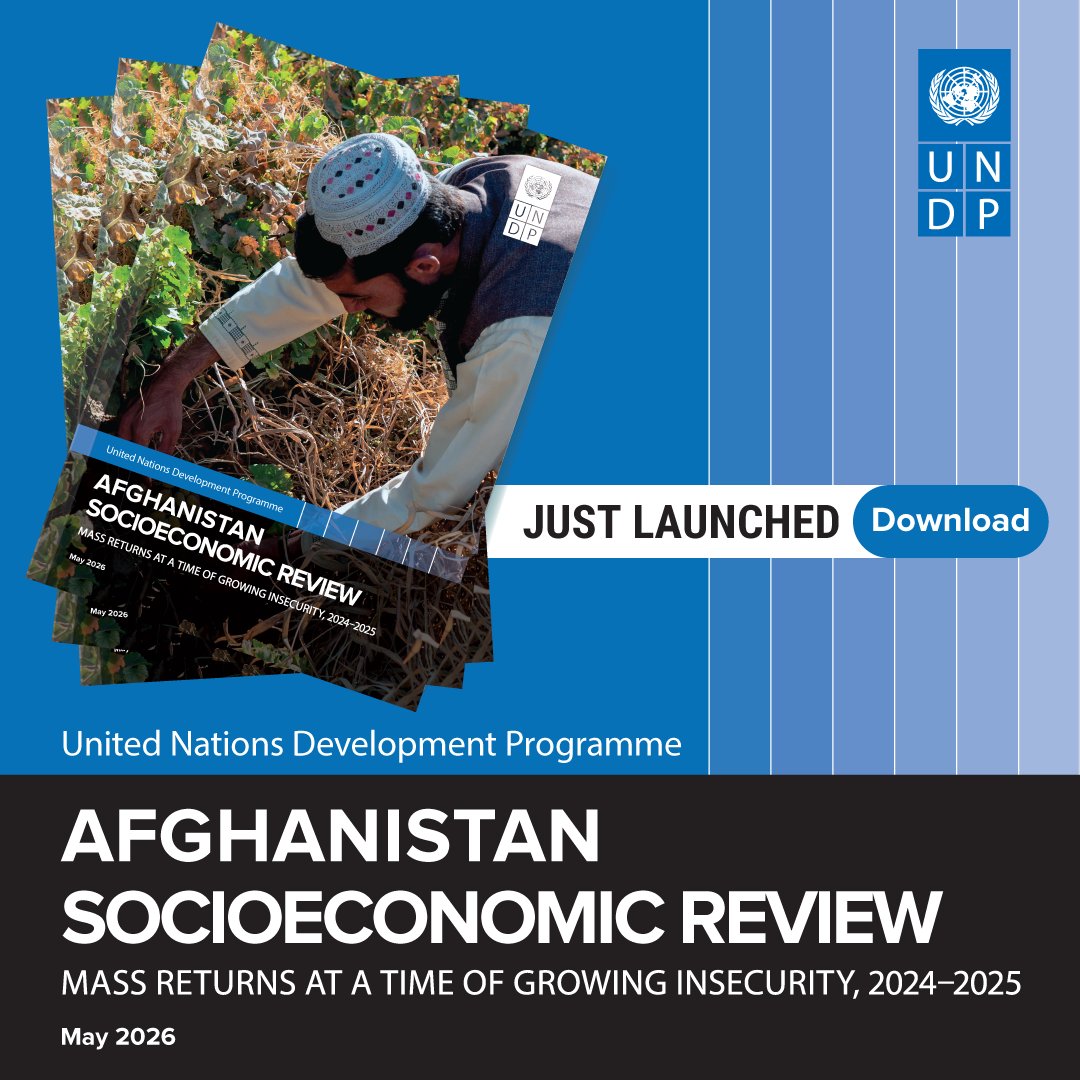
Around 28 million people in Afghanistan were unable to meet their most basic needs in 2025, according to UNDP’s latest Afghanistan Socioeconomic Review. Climate shocks, declining aid, & restrictions on women’s rights continue to deepen poverty.
Read More: https://t.co/D44VmEh9ZA
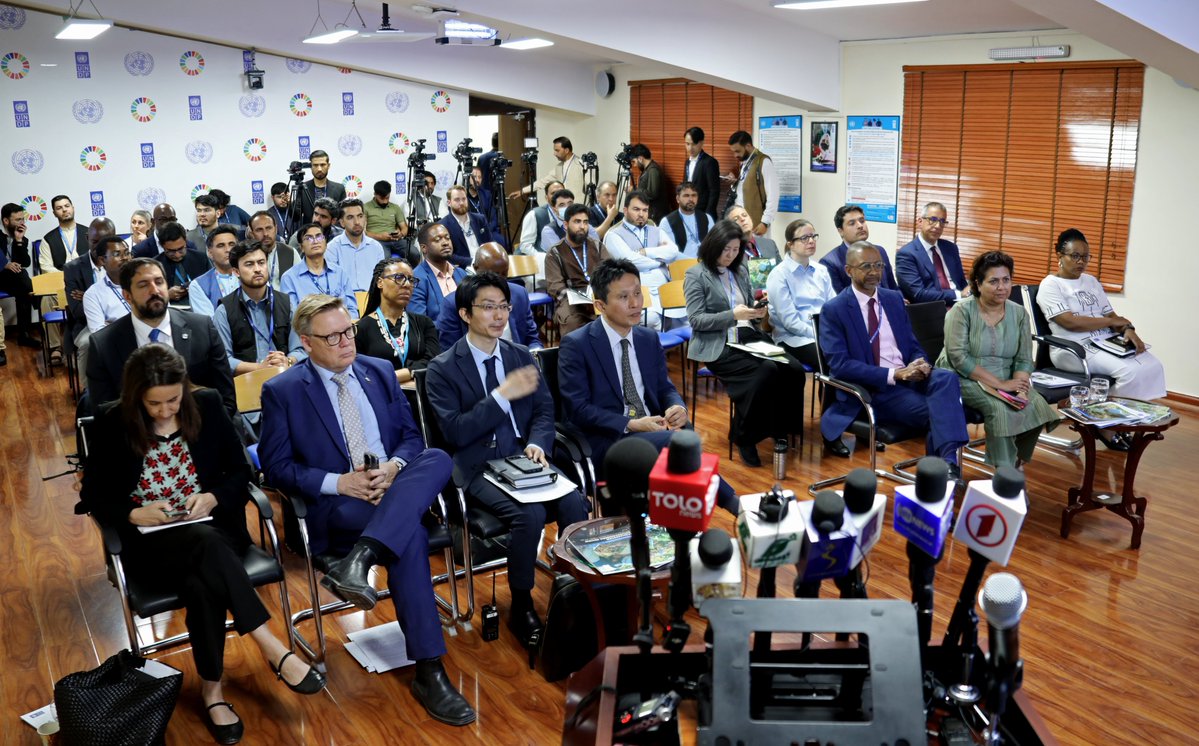
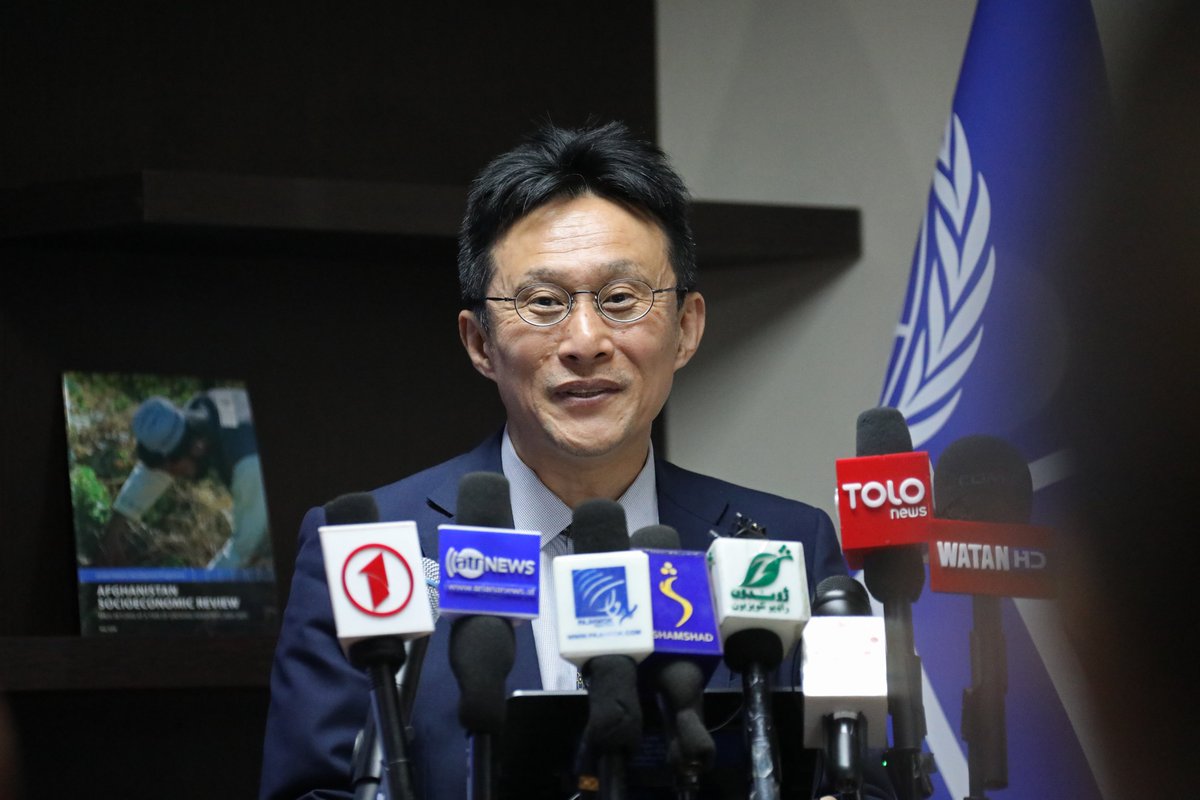
Now launched: UNDP Afghanistan’s latest Socio-Economic Review finds 74% of Afghans remain subsistence insecure, while 2.7 million returnees in 2025 and worsening drought have increased pressure on livelihoods and services.
Read More: https://t.co/D44VmEh9ZA
Energy in Afghanistan.
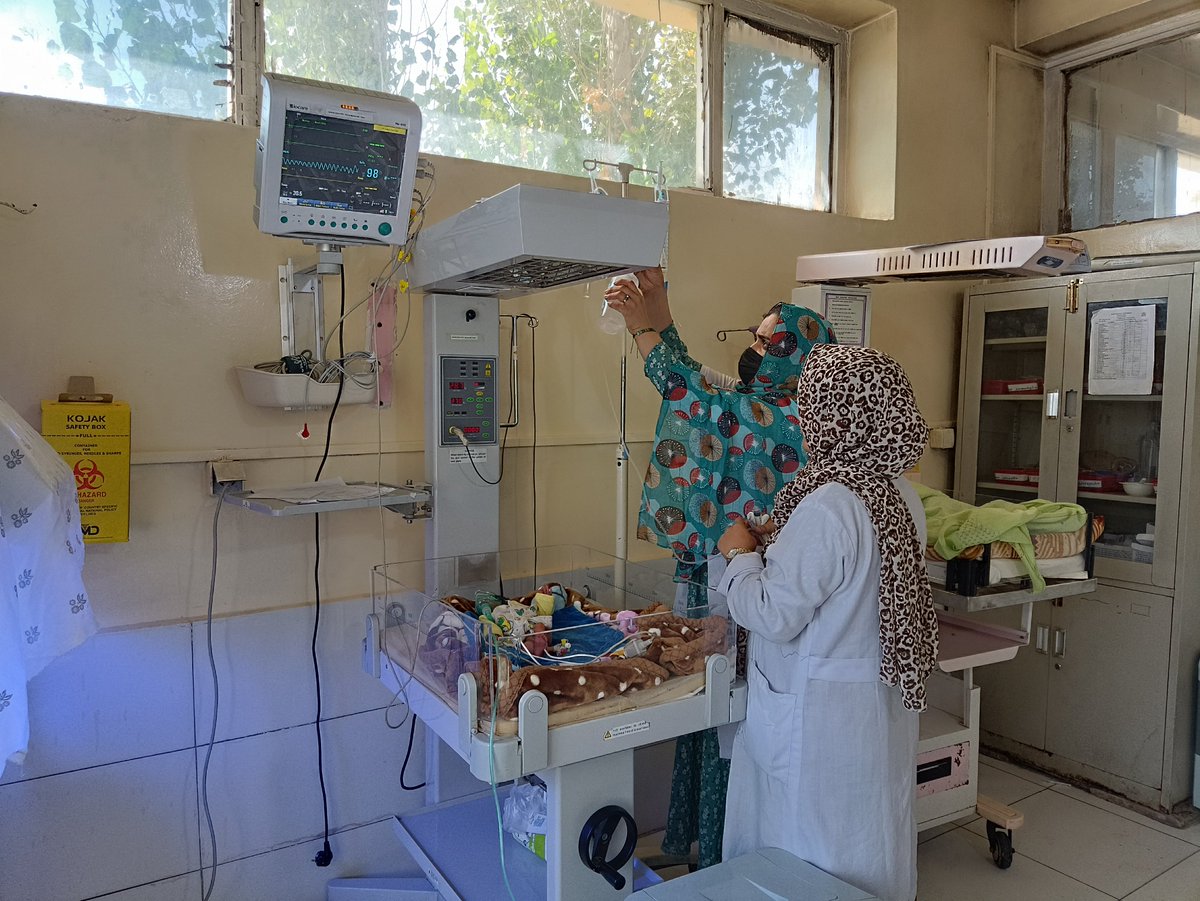
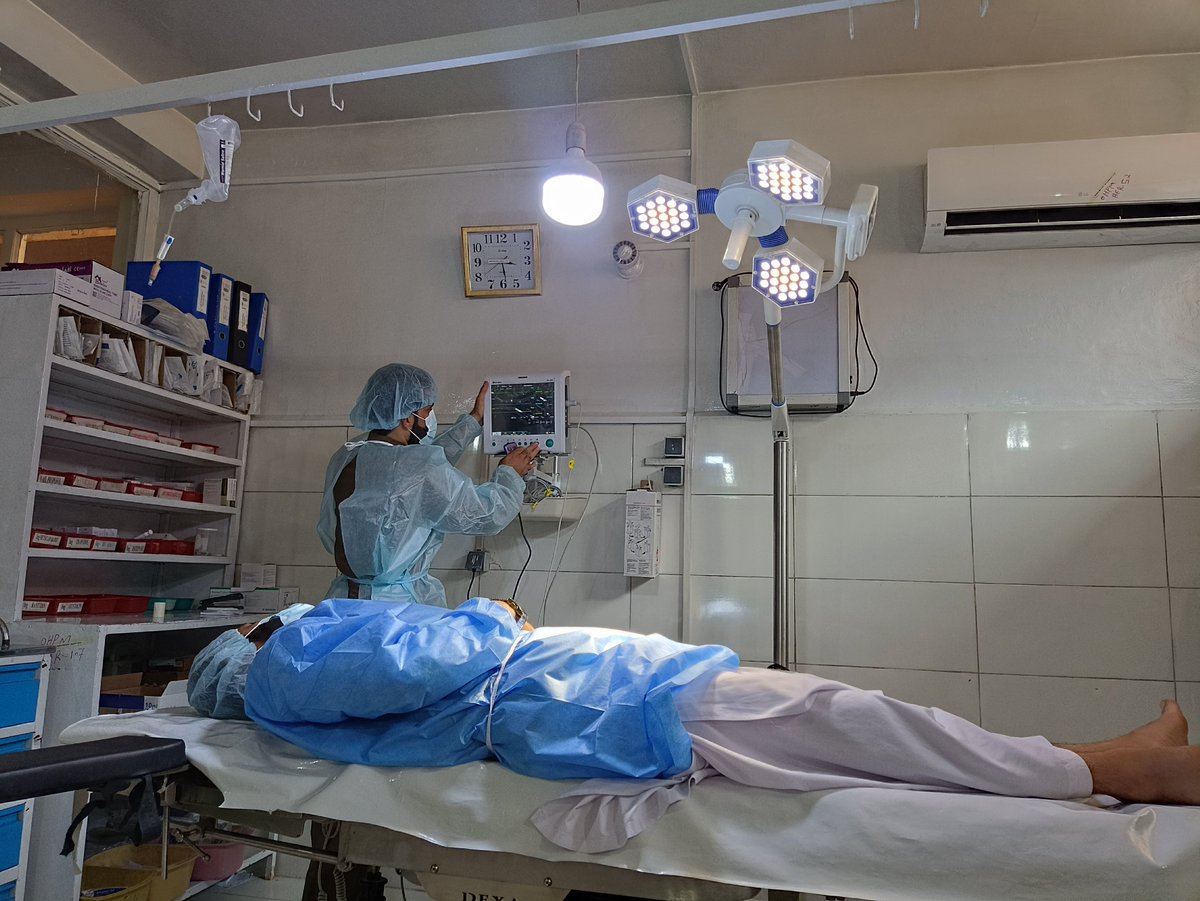
At Urgun District Hospital in Paktika, a 100 kW solar system is helping provide safer, uninterrupted care by powering operating rooms, delivery rooms, laboratories, vaccine refrigerators and neonatal warmers.
Read More: https://t.co/U7M3SKNQpg
Energy in Afghanistan.
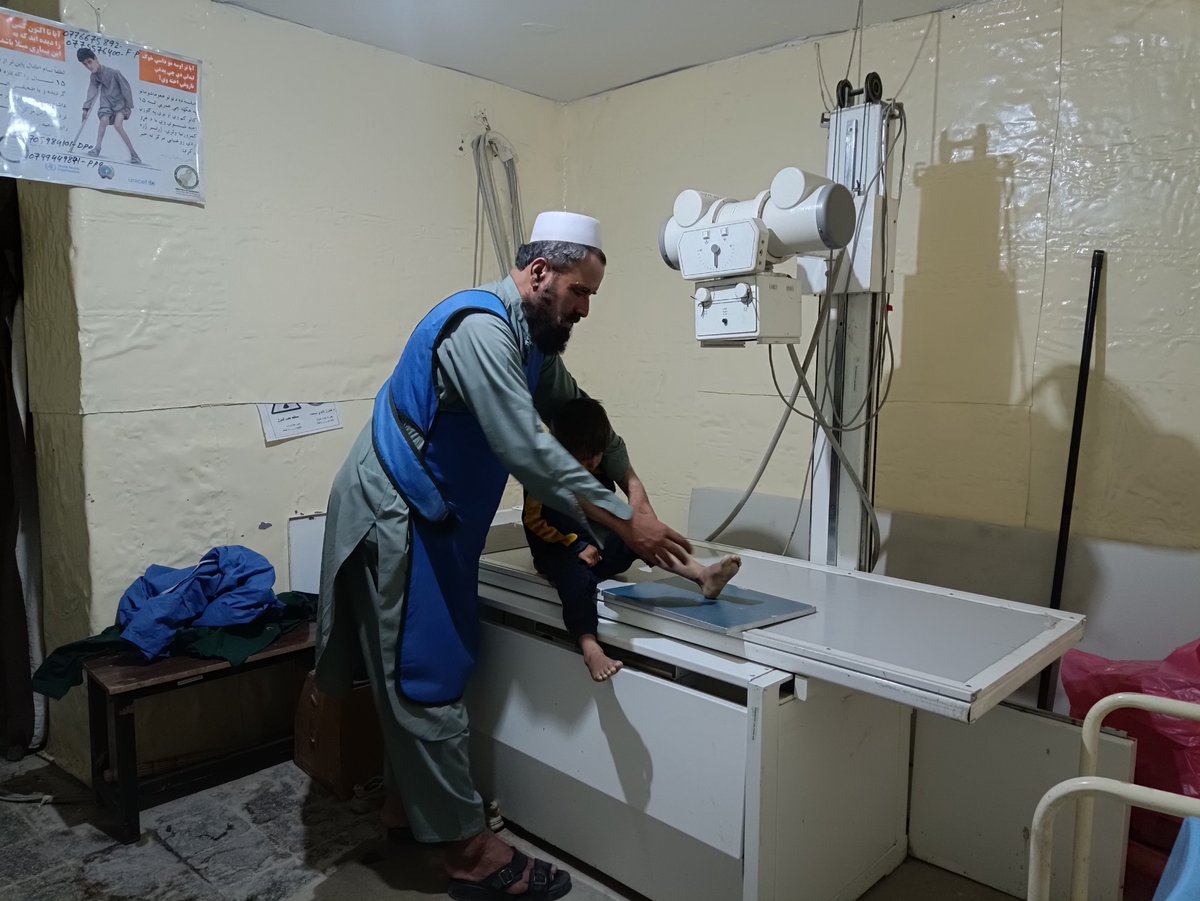
In Charchino district, Uruzgan, Kishy Comprehensive Health Center (CHC+) now operates 24/7 with solar power. A 30 kW UNDP system keeps maternity, emergency, vaccination, lab, and water services running reliably.
Read More: https://t.co/U7M3SKNQpg