In Nigeria, sachet water helps millions access affordable drinking water.
With more than 60 million sachets being consumed every day, many end up in the environment.
How can countries protect access to water while working to #BeatPlasticPollution?
https://t.co/FO0NnzcIxr
Did you know that there's a whole treaty dedicated to migratory animals, such as whales, birds, and butterflies?
The @bonnconvention is the only international convention specialising in the conservation and sustainable use of migratory animals and their habitats.
More info: https://t.co/4raK9XdTiy
Pollution threatens both our planet and health, affecting ecosystems and contributes to the emergence and spread of antimicrobial resistance (AMR).
Discover how environmental action can help tackle AMR through a #OneHealth approach. Get the latest: https://t.co/Qp2z61qW9A
“The Antalya outcome does not define our climate future.”
Following #COP31, UNEP Executive Director Inger Andersen calls for greater political will, faster emissions cuts and more adaptation finance to bring global temperature back below 1.5°C.
Read her full statement: https://t.co/i92CPOaAlQ
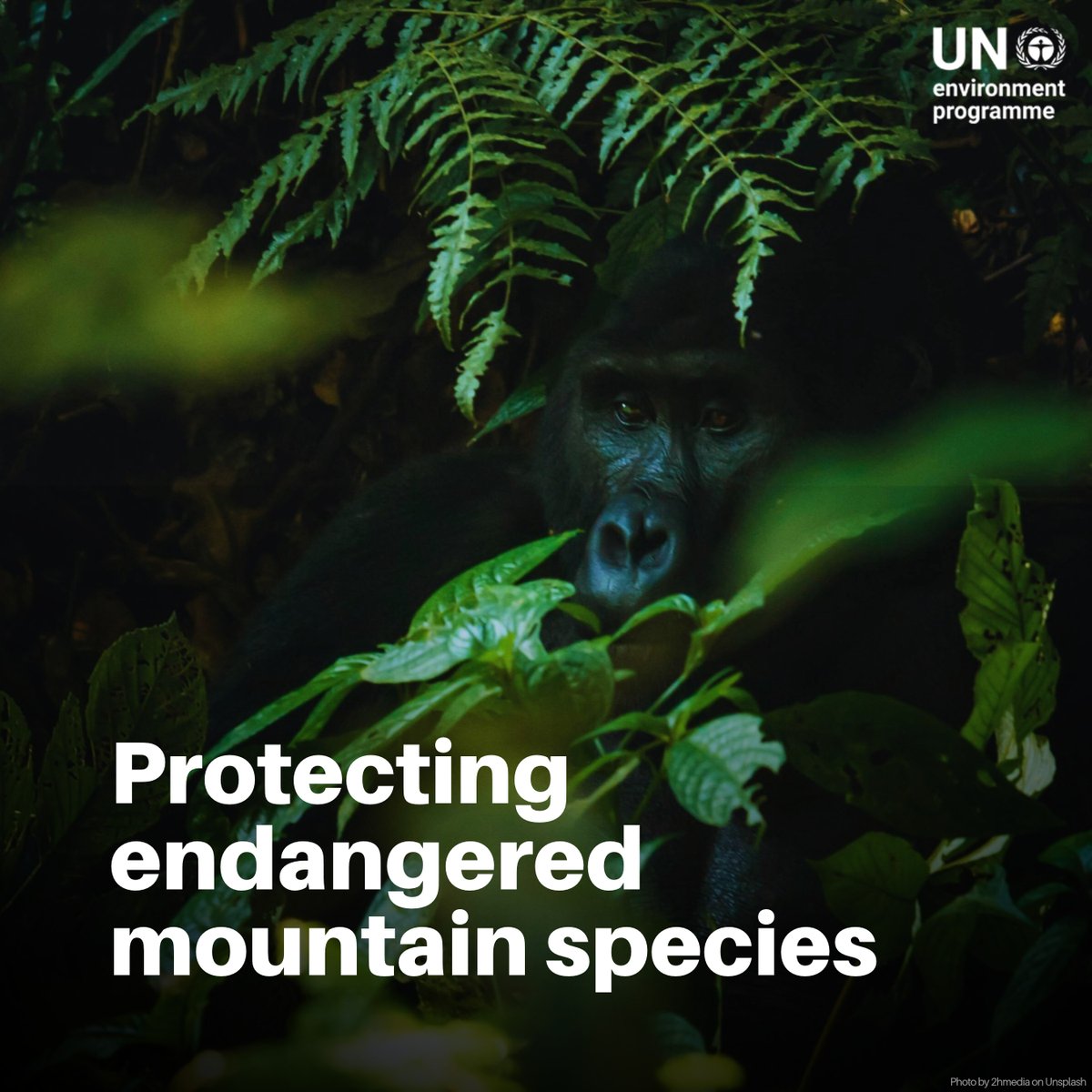
Mountain gorillas are one of three iconic and endangered species, along with snow leopards and royal Bengal tigers, found in different mountain regions.
Discover how climate adaptation and biodiversity conservation go hand in hand to protect these species: https://t.co/aGsm1PW7Pp
The health of dolphins reflects the health of our ocean.
In China, dolphins are a cultural symbol of prosperity and harmony, and a living sign of the bond between humans and nature.
Explore how this #GenerationRestoration initiative is protecting them, from land to sea: https://t.co/29qfCeKLgu
I'm deeply disappointed that #COP31 has ended without consensus on an overarching outcome.
I share the very profound frustration of all those who expected governments to rise to the moment the climate crisis demands.
But this setback does not change the facts.
There may be no consensus in the negotiating room, but there is no ambiguity in the science.
The take-home message from COP31 is clear:
The world must do much more to confront the climate crisis.
And it must do it now.
https://t.co/j05tHQA8AM
From maths and music to philosophy, physics, art and history, nature has inspired how we think, create and understand the world around us.
There’s still so much we can learn from nature, and much more worth protecting.
Be #GenerationRestoration.
Leftover medicine. Antibacterial products. Household disinfectants.
What we use and dispose of at home can contribute to the spread of antimicrobial resistance (AMR).
Hear are five ways you can help #ActOnAMR: https://t.co/PXnN8GOGGs
Countries and partners have agreed on new measures to advance the implementation of the #GlobalFrameworkOnChemicals (GFC) at the first International Conference.
More: https://t.co/I6s9XaIGVu
Protecting mangroves is a crucial step to lower planet-warming carbon emissions.
These ecosystems store up to 1,000 tonnes of carbon per hectare in their biomass and soils.
More info on the many benefits of mangroves: https://t.co/dGprZctqzX
Caring for nature → stronger livelihoods → stable societies → lasting peace → resilience for people and the planet.
When the environment is healthy, people and communities are better equipped to thrive.
Every year, #WorldEnvironmentDay brings millions of people together to take action for the planet.
Now, countries have the opportunity to bring this global celebration home!
Expressions of interest to host in 2028 or 2029 are open.
🌱 More info: https://t.co/wiQbN7RTvS
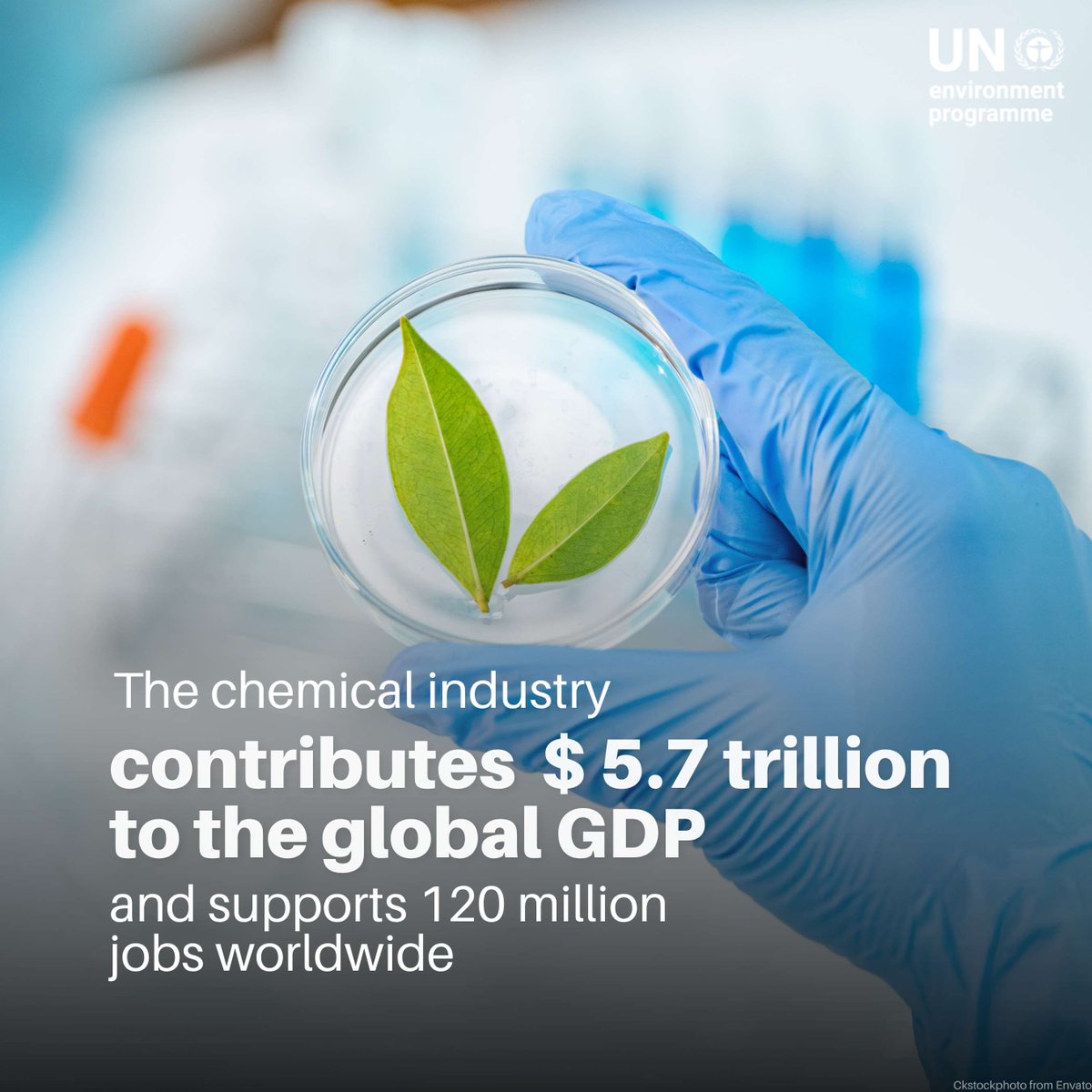
Chemicals are part of almost everything everyone uses every day.
Tracking progress under the #GlobalFrameworkOnChemicals can help governments and businesses see what's working, where gaps remain, and where action and investment can have the biggest impact.
https://t.co/sAhKEeDhq9
Environmental pollution with antimicrobial-containing waste and runoff from pharmaceutical manufacturing, farms, hospitals, and municipal waste and wastewater systems is contributing to its rise.
What is AMR and why is tackling pollution important to prevent it?
https://t.co/oaOMxOAqeW
Since the Paris Agreement, renewable electricity capacity has grown 3x faster than expected, and climate policies have cut emissions.
Progress is happening. But is it fast enough?
With #COP31 underway, #EmissionsGap Report explores what's working & where the world falls short: https://t.co/LLYdQydA8U
Implementing climate plans means turning blueprints into action by aligning finance, institutions, and local realities so ambition leads to real economic and social outcomes.
At #COP31, the focus is on turning climate commitments into #ClimateAction: https://t.co/UImWqfEyLA
Air conditioning keeps us cool, but it also heats the planet.
As temperatures rise, demand for cooling is set to triple by 2050. But keeping cool doesn’t always mean cranking up the AC.
From shade & ventilation to cool roofs, here are 5 ways to beat the heat with less energy: https://t.co/KjxqC0s4TM #COP31
The world is filled with human-made chemicals.
Some save lives. Others are harmful to people and planet.
See how the Global Framework on Chemicals is working to #BeatChemicalPollution : https://t.co/SARNRhdh2u
More than US$30 million in new investments and donor contributions are set to scale up coral reef protection across 22 developing countries.
The announcement came from @GlobalFundCoral at #COP31.
Press release ➡️ https://t.co/6zvnFKhwhk